
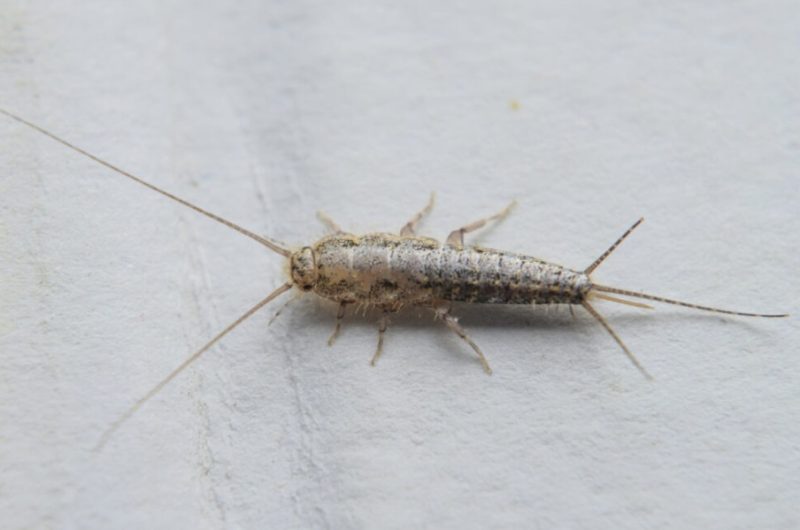
In many South Carolina homes, the first encounter with a silverfish happens late at night. A bathroom light flips on, and something small and quick darts across the floor or disappears beneath a baseboard. The movement lasts only a second, but it leaves a lingering sense of curiosity. The insect looks unusual, with a slender body and long antennae, and it moves in a distinctive wiggling motion that resembles a tiny fish swimming across tile.
Most people assume the insect wandered in from outside. South Carolina’s warm climate certainly supports countless insects, and it is easy to imagine one slipping through a door or window. Yet silverfish sightings inside bathrooms rarely happen by accident. These insects are often living quietly inside the home long before anyone notices them.
Bathroom environments create nearly perfect conditions for silverfish survival. Warm temperatures, steady humidity, and hidden crevices behind walls or cabinets provide the exact habitat these ancient insects prefer. In many cases, a home may support a small population of silverfish that remain almost completely unseen.
Despite how frequently they appear in bathrooms, silverfish are among the most misunderstood household insects. Many residents assume they are harmful pests capable of spreading disease or damaging plumbing systems. Others believe they reproduce rapidly like cockroaches and signal serious infestations.
The reality is more subtle. Silverfish are extremely old insects whose survival strategies evolved long before modern houses existed. Their behavior inside bathrooms reflects natural instincts tied to moisture, darkness, and food sources that exist quietly within many homes.
Understanding why silverfish appear in South Carolina bathrooms reveals a fascinating story about adaptation. These small insects are not invading homes deliberately. Instead, houses simply mimic the damp, sheltered environments where silverfish have lived for millions of years.
Table of Contents
- 1 The Ancient Insect Known as the Silverfish
- 2 Why Bathrooms Attract Silverfish
- 3 The Unusual Diet of Silverfish
- 4 Why Silverfish Are Most Active at Night
- 5 How Silverfish Enter Homes
- 6 The Slow Life Cycle of Silverfish
- 7 Why Silverfish Thrive in South Carolina
- 8 Are Silverfish Harmful to Homes
- 9 Why Silverfish Often Remain Hidden
- 10 FAQs About Bathroom Silverfish in South Carolina
- 11 Final Thoughts
The Ancient Insect Known as the Silverfish
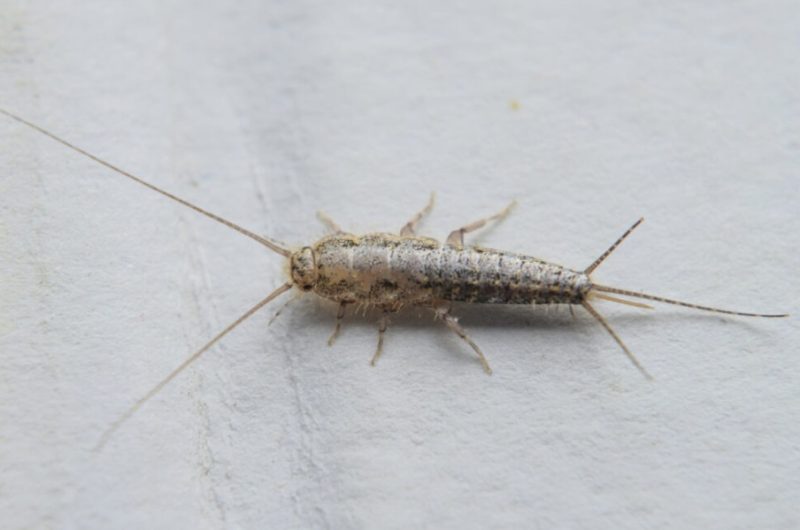
Silverfish belong to an insect order called Zygentoma, one of the most primitive groups of insects still living today.
Fossil evidence suggests that ancestors of modern silverfish existed more than 400 million years ago, long before dinosaurs walked the Earth.
Unlike many insects, silverfish have changed very little over time. Their body shape and basic structure remain similar to ancient fossil specimens.
Adult silverfish typically measure about half an inch long. Their bodies are flattened and covered with tiny metallic scales that reflect light in shades of silver or gray.
These scales give the insect its common name.
Three long bristle-like appendages extend from the rear of the body. Combined with long antennae at the front, these structures help the insect sense its surroundings.
Silverfish move using quick side-to-side motions that resemble the movement of a fish swimming through water.
This unusual movement pattern is another reason for their distinctive name.
Why Bathrooms Attract Silverfish
Bathrooms create one of the most favorable indoor environments for silverfish survival. These insects depend heavily on moisture and humidity, and their bodies lose water quickly in dry air. Because of this biological limitation, silverfish naturally seek out spaces where humidity remains consistently high.
Bathrooms typically maintain higher moisture levels than most other rooms in a house. Warm showers release steam into the air, raising humidity throughout the room and often allowing moisture to settle on walls, ceilings, and floors. Even after the room appears dry, small pockets of humidity may remain trapped behind cabinets or beneath fixtures.
Water also tends to collect in hidden places where plumbing runs through walls or floors. The areas beneath sinks, around toilets, or inside wall cavities often remain damp even when surfaces look dry from the outside. These hidden spaces can create stable microhabitats that remain humid for long periods.
Because silverfish avoid bright light, they usually remain hidden during the day. Cracks behind baseboards, spaces beneath cabinets, and narrow gaps around plumbing pipes provide ideal shelter. These locations offer both darkness and protection from disturbances.
At night, conditions inside bathrooms often become even more favorable. Lights are off, humidity remains high, and human activity decreases. Under these quiet nighttime conditions, silverfish emerge from their hiding places to search for food.
The Unusual Diet of Silverfish
Silverfish possess one of the most unusual diets among common household insects. Unlike cockroaches or ants that search for crumbs and food waste, silverfish prefer materials rich in starches and carbohydrates.
Many of their favorite foods come from unexpected household items. Paper, cardboard, and certain types of glue contain starch compounds that silverfish can digest easily. This explains why these insects sometimes appear near books, paper products, or storage boxes.
Bathrooms may also contain several overlooked food sources. Wallpaper paste, cardboard packaging stored inside cabinets, and even the adhesive used in book bindings can provide nutrition.
Silverfish may also feed on extremely small amounts of organic material that accumulate in damp environments. Mold, microscopic fungi, and bits of organic debris often develop in areas with high humidity.
Soap residue and hair trapped in bathroom drains may also attract them. These materials contain small quantities of organic matter that silverfish can consume.
Because these food sources are scattered and usually limited in quantity, silverfish rarely gather in large groups. Instead, they move slowly through hidden spaces searching for small amounts of nutrition wherever it appears.
Why Silverfish Are Most Active at Night
Silverfish are nocturnal insects, meaning they remain hidden during daylight hours and become active after dark. This behavior helps protect them from predators while also preventing moisture loss from their bodies.
Bright light can be dangerous for silverfish because it exposes them to predators and dries the environment around them. By remaining hidden during the day, they avoid these risks.
Darkness also provides safer conditions for movement. At night, silverfish leave their hiding places and begin exploring nearby surfaces.
They often move along walls, baseboards, and floors while searching for food sources. Their movement is quick and wavelike, which helps them navigate tight spaces.
If the insect encounters sudden light or movement, it immediately retreats toward the nearest crack or crevice. This instinctive response explains why silverfish often vanish the moment a bathroom light is turned on.
Because their activity occurs mainly at night, homeowners may see them only briefly before they disappear. In many cases, silverfish populations remain unnoticed for long periods simply because people rarely observe their nocturnal movements.
How Silverfish Enter Homes
Silverfish usually enter homes through very small openings in building structures. Even narrow cracks around windows, doors, or foundation walls can allow these insects to slip indoors.
South Carolina’s warm and humid climate supports large outdoor silverfish populations. In natural environments, these insects live beneath rocks, inside leaf litter, or under decaying logs where moisture remains high.
When houses provide similar conditions indoors, silverfish may move inside and remain there.
Once inside a home, the insects begin searching for areas with suitable humidity levels. Bathrooms, kitchens, basements, and laundry rooms often become their preferred habitats because moisture levels are higher in these areas.
Plumbing systems can also create hidden pathways through a house. Small gaps around pipes may connect different wall cavities or rooms.
Silverfish can travel through these narrow spaces while remaining hidden from view. As a result, they may appear suddenly in different areas of the home without being noticed moving between rooms.
The Slow Life Cycle of Silverfish
Silverfish reproduce more slowly than many other household insects. This slower life cycle often surprises homeowners who expect insects to multiply rapidly.
Female silverfish lay small clusters of eggs inside cracks, crevices, or other hidden locations. These eggs remain protected in sheltered spaces until they hatch.
The young insects that emerge are called nymphs. Nymphs resemble miniature versions of adult silverfish but are smaller and lighter in color.
Unlike insects such as butterflies or beetles, silverfish do not undergo dramatic transformations during development. Instead, they grow gradually through a process known as incomplete metamorphosis.
As nymphs grow, they repeatedly shed their outer skin in a process called molting. Each molt allows the insect to increase in size while maintaining the same basic body structure.
This process continues throughout the insect’s life, even after reaching adulthood.
Silverfish are also unusually long-lived compared with many insects. Under favorable conditions, individuals may survive two to eight years.
Because reproduction occurs slowly and individuals live long lives, silverfish populations tend to increase gradually rather than appearing suddenly.
Why Silverfish Thrive in South Carolina
South Carolina’s climate provides nearly ideal conditions for insects that depend on moisture. Warm temperatures and relatively high humidity persist throughout much of the year.
These environmental conditions closely resemble the damp habitats where silverfish naturally live outdoors.
In natural environments, silverfish often hide beneath rocks, fallen leaves, and decaying wood. These locations trap moisture and protect the insects from direct sunlight.
When houses create similar conditions indoors, silverfish may settle inside and remain there.
Modern homes often contain insulation and plumbing systems that maintain stable indoor temperatures. These systems prevent large temperature fluctuations that might otherwise limit insect survival.
Because humidity levels remain relatively high in many southern homes, bathrooms frequently become ideal refuges for moisture-loving insects.
For silverfish, these environments offer the perfect combination of warmth, humidity, and shelter.
Are Silverfish Harmful to Homes
Despite their unsettling appearance, silverfish rarely cause serious damage to homes.
They do not bite humans, transmit diseases, or damage plumbing systems.
Their feeding habits generally affect only small amounts of material.
Occasionally they may damage books, wallpaper, or clothing stored in damp environments where starch-containing materials are present.
However, this damage usually occurs slowly over long periods of time.
Most homeowners notice the insects long before any visible damage appears.
For many households, the main concern is simply the presence of the insects themselves. Their sudden appearance on bathroom floors or walls can be surprising, especially late at night.
Why Silverfish Often Remain Hidden
Silverfish have strong instincts for avoiding open spaces and bright light. Their bodies are flattened and flexible, allowing them to slip easily into extremely narrow cracks.
Once inside these hiding places, they remain protected from predators and human activity.
Wall cavities, baseboards, and gaps beneath cabinets often provide ideal shelter. These areas are rarely disturbed, allowing silverfish to remain hidden for long periods.
Their nocturnal behavior also contributes to their secretive lifestyle. Most human activity occurs during daylight hours.
Silverfish become active after dark, when homes are quiet and lights are off.
This separation in activity patterns allows them to live inside homes while remaining largely unnoticed by the people who live there.
FAQs About Bathroom Silverfish in South Carolina
What are silverfish?
Silverfish are primitive insects with metallic scales and long antennae that thrive in humid environments.
Why do silverfish appear in bathrooms?
Bathrooms provide moisture and hidden spaces that create ideal habitats.
Are silverfish dangerous?
No. They do not bite or spread disease.
What do silverfish eat?
They feed on starches found in paper, glue, fabrics, and organic debris.
Why are silverfish seen mostly at night?
They are nocturnal insects that avoid light and human activity.
How long do silverfish live?
Some individuals may live several years under favorable conditions.
Do silverfish damage homes?
They may occasionally damage paper or fabrics but rarely cause major problems.
Where do silverfish hide?
They hide in cracks, baseboards, wall cavities, and spaces around plumbing.
Final Thoughts
Bathroom silverfish are one of the most common yet least understood insects found in South Carolina homes. Their sudden appearances often seem mysterious, but their presence reflects environmental conditions rather than unusual infestations.
These ancient insects thrive in warm, humid environments where moisture remains steady and hiding places are abundant. Bathrooms naturally provide the combination of humidity, warmth, and darkness that silverfish prefer.
Although they may appear unsettling when spotted on bathroom floors or walls, silverfish are harmless creatures quietly following survival instincts that evolved long before modern houses existed.
For South Carolina residents, understanding why silverfish appear in bathrooms reveals that these insects are simply adapting to environments that resemble their natural habitats.
What seems like an unexpected household visitor is actually a tiny survivor from one of the oldest insect lineages on Earth, continuing its quiet life within the hidden corners of modern homes.