
Hawaii feels like paradise the moment you arrive. Crystal-clear water, warm ocean breezes, colorful reefs, and stunning tropical beaches make it one of the most magical destinations on earth. Most visitors spend their vacations snorkeling, swimming, surfing, diving, or simply relaxing by the sea. But beneath Hawaii’s beautiful waters lives a very real world filled with marine animals that deserve respect. Some of them can sting, inject venom, or cause injuries that surprise unsuspecting tourists.
Most people visiting Hawaii expect to see sea turtles, bright tropical fish, dolphins, and maybe a humpback whale in the distance. Very few expect to encounter venomous marine life. The good news is that dangerous encounters are rare when people behave responsibly. The ocean is not out to get anyone. Still, knowing what exists, what to watch for, and how to stay safe helps every swimmer, snorkeler, and beachgoer feel more confident.
This detailed guide explores the venomous marine life in Hawaii that tourists rarely expect. It explains what they are, where they live, how dangerous they can really be, what signs to watch for, and what to do if something goes wrong. With knowledge comes safety, and with safety comes peace of mind in one of the world’s most beautiful places.
Table of Contents
- 1 Why Venomous Encounters Happen in Hawaii
- 2 Box Jellyfish – The Surprise Visitors to Hawaiian Beaches
- 3 Portuguese Man O’ War – Beautiful but Dangerous Drifters
- 4 Cone Snails – Small Shells, Strong Venom
- 5 Stonefish and Scorpionfish – Masters of Camouflage
- 6 Sea Urchins – Not Venomous But Still Painful and Dangerous
- 7 Blue-Ringed Octopus – Rare but Extremely Dangerous
- 8 Moray Eels – Not Venomous but Still a Serious Bite Risk
- 9 Where Encounters Most Often Happen
- 10 Simple Safety Rules Tourists Should Always Remember
- 11 What To Do If You Are Stung or Bitten
- 12 Why Hawaii Still Remains Very Safe
- 13 FAQs About Venomous Marine Life in Hawaii
- 13.1 Are dangerous marine animals common in Hawaii?
- 13.2 Are box jellyfish deadly?
- 13.3 Can I safely pick up shells in Hawaii?
- 13.4 Do stonefish attack people?
- 13.5 Are tourists commonly injured by marine life?
- 13.6 Should children swim in Hawaii safely?
- 13.7 Is Hawaii still safe for snorkeling and swimming?
- 14 Final Thoughts
Why Venomous Encounters Happen in Hawaii
Hawaii’s oceans are full of life. Coral reefs, rocky coastlines, sandy bottoms, and tide pools hold hundreds of species. Humans are guests in this underwater world. Encounters usually happen not because animals attack, but because someone steps on, touches, or accidentally disturbs a creature that simply wants to be left alone.
Most venomous marine animals defend themselves when threatened. Many of them are slow-moving, rely on camouflage, or hide in sand and rocks. When tourists swim without awareness, walk barefoot in reef areas, or reach into crevices, they sometimes discover too late that a venomous creature was already there.
It is also easy to forget that Hawaii is wild nature, not just a tropical playground. The same beauty that draws people also supports powerful ecosystems. Respect for the ocean and understanding of its inhabitants reduce risk significantly.
Box Jellyfish – The Surprise Visitors to Hawaiian Beaches
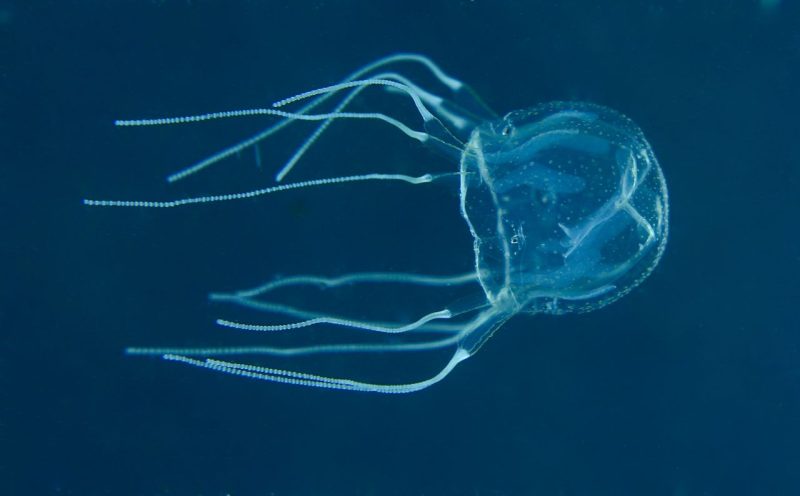
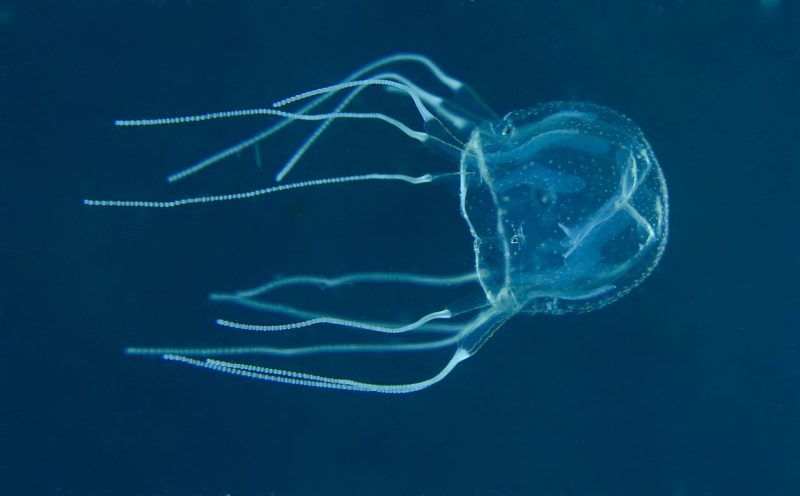
Many tourists assume jellyfish are rare in Hawaii, but box jellyfish are fairly common at certain times. They are usually found on Oahu’s south shore beaches like Waikiki, Ala Moana, and Hanauma Bay, though other islands experience them too.
Box jellyfish have transparent bodies and long, trailing tentacles. They drift quietly in shallow waters, often near sandy beaches. Their stings contain potent venom that can cause intense burning pain, welts, redness, and in rare cases allergic reactions or difficulty breathing. For many people, a sting is extremely painful but not life-threatening. However, medical evaluation is always wise, especially for children or those with health issues.
Certain times of the month bring higher jellyfish presence. About 8 to 12 days after a full moon, box jellyfish often move closer to shore. Local authorities frequently post warnings, and many beaches include jellyfish advisories. Checking conditions before swimming is one of the smartest safety steps tourists can take.
Portuguese Man O’ War – Beautiful but Dangerous Drifters
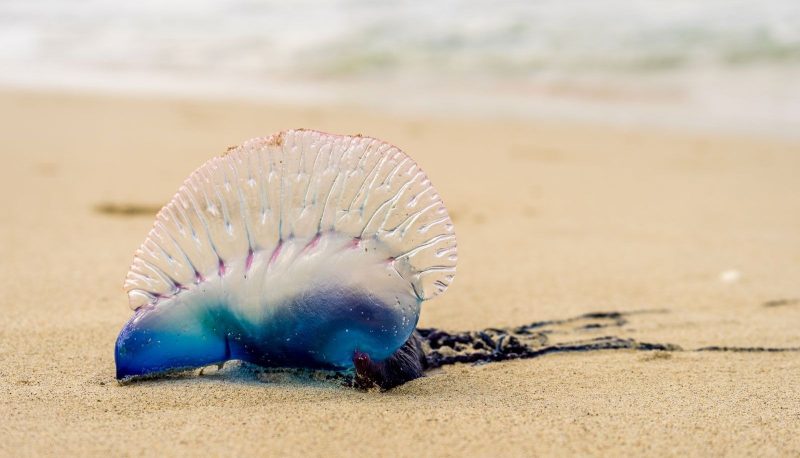
The Portuguese Man O’ War is not actually a jellyfish, but it behaves like one. It floats on the ocean’s surface with a bright purple-blue balloon-like sail while long stinging tentacles trail beneath it. Wind can push these creatures onto beaches or into shallow waters, surprising swimmers.
The sting is painful, unforgettable, and can cause welts, burning sensations, and shock in rare cases. Unlike jellyfish, even tentacles washed onto the beach or broken off in the water can still sting. This is why lightly kicking sand or stepping carelessly near washed-up debris may still cause an accident.
They appear more often on windward shorelines but can show up almost anywhere depending on wind and currents. When beach authorities post warnings, they are worth respecting. A painful vacation memory is not worth ignoring caution flags.
Cone Snails – Small Shells, Strong Venom

Many visitors love shell collecting in Hawaii, especially around tide pools and shallow waters. Cone snails look harmless and beautiful, with patterned spiral shells that seem like perfect souvenirs. But inside those shells live predatory snails with highly venomous harpoons.
When handled, cone snails may sting defensively. Their venom can cause pain, numbness, paralysis, and in rare severe cases, serious medical emergencies. Larger species pose greater danger than smaller ones. The most important truth is simple: never pick up live cone snails. If you do not know whether a shell is occupied, do not risk it.
They are not aggressive and do not chase people. They only harm when handled or stepped on. Respecting their space prevents accidents entirely.
Stonefish and Scorpionfish – Masters of Camouflage
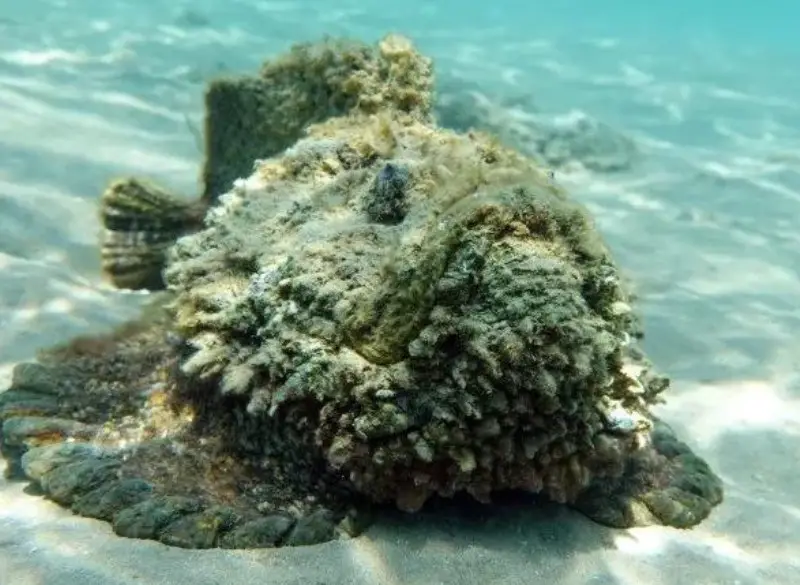
Few creatures in Hawaiian waters blend into the environment as well as scorpionfish and stonefish. They look like rocks or coral, resting motionless on reef floors or rocky areas. This incredible camouflage helps them ambush prey, but it also means swimmers sometimes step on them without realizing it.
Their dorsal spines contain venom. Stepping on one can cause severe pain, swelling, tissue damage, and potential complications if not treated quickly. Unlike sharp coral scrapes, these stings feel like intense burning or throbbing pain almost immediately.
These fish do not attack swimmers. People accidentally step on them or brush against them while snorkeling or tide pooling. Wearing protective reef shoes, watching where you step, and avoiding reef walking dramatically reduce risk.
Sea Urchins – Not Venomous But Still Painful and Dangerous
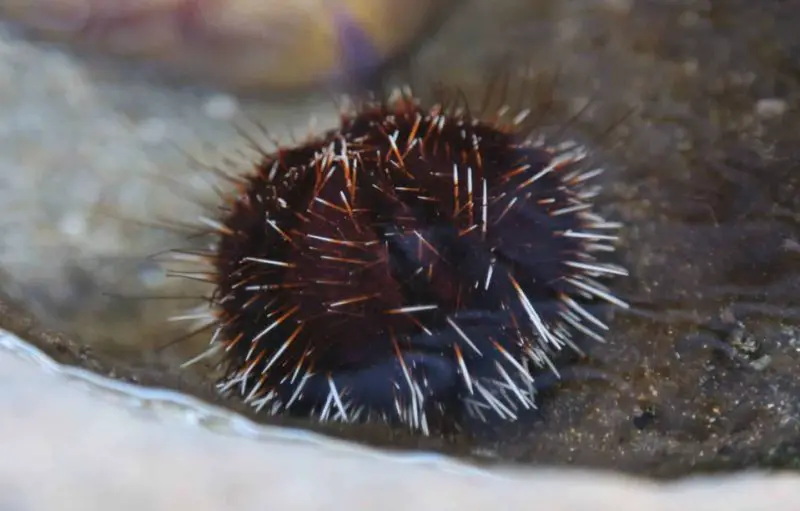
While not all sea urchins are venomous, some in Hawaii do possess venomous spines. Even non-venomous urchin injuries are extremely painful because spines break easily and lodge deep inside skin. They are especially common on rocky coastlines and shallow reef areas.
Most injuries happen when people stand on rocks barefoot or attempt to balance themselves while snorkeling. The pain can be sharp and lingering, sometimes leading to infection if spines are not treated properly.
The best prevention is simple. Avoid walking on reefs, wear reef-safe footwear in rocky areas, and keep hands off underwater structures. The ocean floor is not a place to rest your weight.
Blue-Ringed Octopus – Rare but Extremely Dangerous
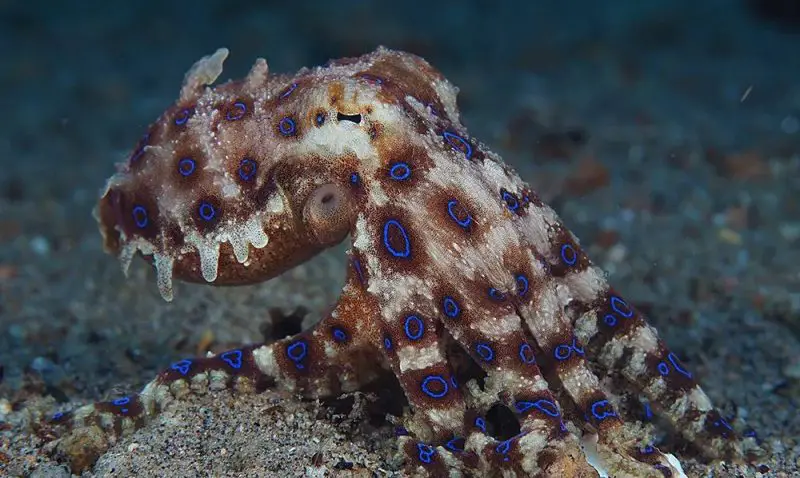
Encounters with blue-ringed octopus in Hawaii are extremely rare, but they have been occasionally reported. They are small, attractive octopuses with bright blue rings that appear when they feel threatened.
Their venom contains one of the most powerful natural toxins in the world. The sting may not hurt much at first, but symptoms can escalate quickly into paralysis and breathing problems. Immediate medical attention is critical in suspected encounters.
Again, these creatures do not attack swimmers. Problems only happen when people try to pick them up or disturb them. As always, the rule of Hawaii’s ocean is simple: look, admire, and never grab.
Moray Eels – Not Venomous but Still a Serious Bite Risk
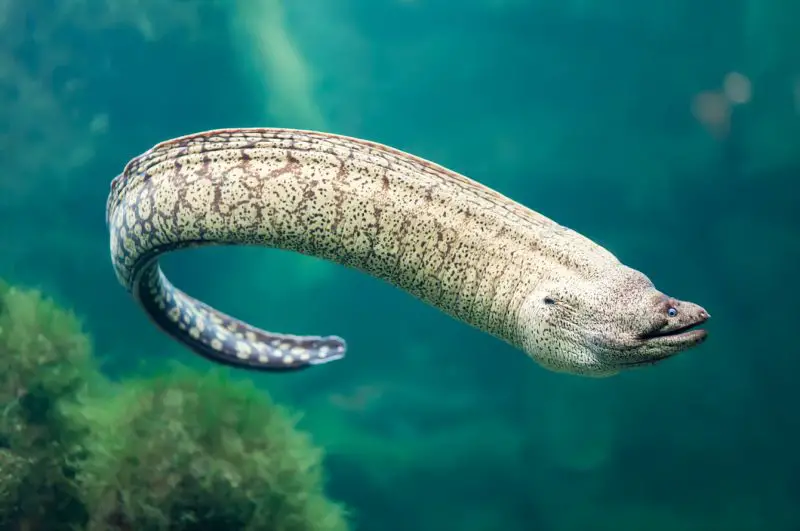
While not venomous like jellyfish or cone snails, moray eels deserve mention because many tourists misunderstand them. These long, snake-like reef predators live in rocks, cracks, and coral structures. They only bite when provoked or when someone sticks a hand into their hiding place.
Bites can be deep, painful, and prone to infection. Avoid reaching into dark holes while snorkeling or diving. Admire them from a distance. Moray eels are fascinating but deserve their space.
Where Encounters Most Often Happen
Venomous marine life encounters usually occur in a few common situations. Understanding these helps tourists stay safer.
The most frequent locations include:
-
shallow reef areas where people stand or walk
-
tide pools and rocky shorelines
-
popular snorkeling bays
-
beaches during jellyfish or Man O’ War influx periods
Most incidents share the same story. Someone touched a creature unknowingly, stepped somewhere they should not, or ignored posted warnings. Awareness makes all the difference.
Simple Safety Rules Tourists Should Always Remember
You do not need to fear the Hawaiian ocean. You only need to respect it. A few practical rules protect you, wildlife, and the experience.
1. Never touch or pick up unknown marine life
Many dangerous encounters start with curiosity. Marine animals are wild, not toys. Looking is magical. Touching is risky.
2. Avoid walking on coral or rocky reef bottoms
Wear appropriate footwear if necessary, and avoid placing weight where hidden creatures may rest.
3. Pay attention to posted warnings
Lifeguards know local conditions better than any tourist. When signs mention jellyfish or Man O’ War, believe them.
4. Keep hands out of cracks, rocks, and coral holes
Many creatures defend their homes only when disturbed. Respecting their space prevents bites and stings.
5. Supervise children in the water
Kids are curious and less cautious. A guided experience keeps them safe and confident.
When visitors follow these guidelines, most never experience a dangerous encounter.
What To Do If You Are Stung or Bitten
Marine injuries can be painful and frightening, especially on vacation. Staying calm and acting wisely makes recovery easier.
Move to shore. Do not panic in the water. Avoid rubbing the wound, as friction spreads venom in some cases. Seek lifeguard or medical assistance immediately. Hawaii beaches often have trained staff and supplies for common marine stings.
For jellyfish and Man O’ War stings, rinsing with seawater (not freshwater) and seeking professional treatment is usually recommended. For punctures or venomous injuries from fish or cone snails, urgent medical care is extremely important. Always treat ocean injuries seriously.
Why Hawaii Still Remains Very Safe
With all this talk about venomous marine life, it is important to remember a reassuring truth. Most visitors to Hawaii enjoy the water safely without incident. Millions swim happily every year. These creatures are part of Hawaii’s natural beauty, not constant threats. Respect and awareness turn risk into peaceful coexistence.
Nature asks only for mindfulness. Watching your steps, avoiding touching marine life, learning local conditions, and respecting warning signs make a massive difference. The ocean becomes a place of wonder, not fear.
FAQs About Venomous Marine Life in Hawaii
Are dangerous marine animals common in Hawaii?
Yes, they exist, but serious encounters are rare when people behave responsibly.
Are box jellyfish deadly?
They are painful and medically significant, but deaths are extremely rare with proper care.
Can I safely pick up shells in Hawaii?
Avoid handling cone-shaped shells that may still contain live cone snails. Caution is always safer.
Do stonefish attack people?
No. Most injuries happen when someone steps on them accidentally.
Are tourists commonly injured by marine life?
Injuries happen, but most vacations pass safely when swimmers follow simple safety rules.
Should children swim in Hawaii safely?
Absolutely, with supervision and awareness of warning signs and conditions.
Is Hawaii still safe for snorkeling and swimming?
Yes. Hawaii is one of the most incredible and safe places to explore the ocean with knowledge and respect.
Final Thoughts
Hawaii remains one of the most breathtaking destinations in the world, and its waters hold experiences people remember forever. Venomous marine life may surprise many tourists, but it does not need to frighten them. These animals are not villains. They are simply part of a rich, living ecosystem that existed long before visitors arrived.
With awareness, respect, and responsible behavior, most people enjoy every moment safely. The ocean rewards those who treat it gently. And when you understand what lives beneath the waves, you not only stay safer—you appreciate Hawaii’s marine world even more deeply.