
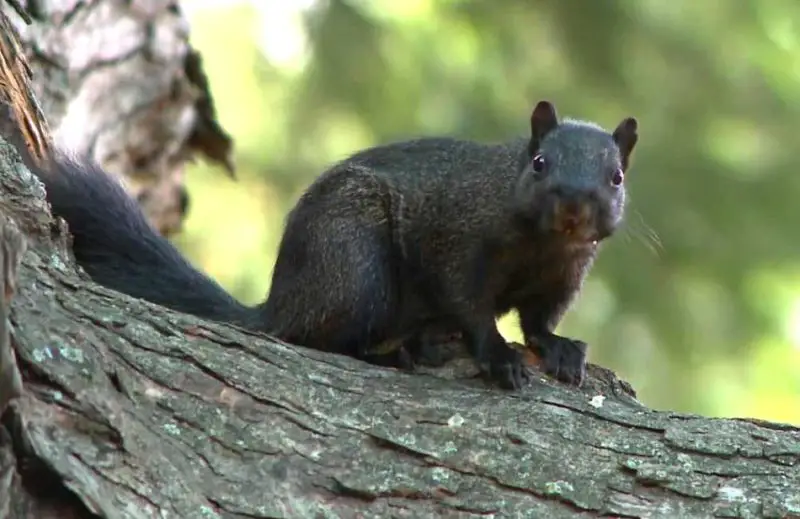
Black squirrels in Iowa parks surprise people the first time they see them. Most visitors expect the usual gray or fox squirrels racing across trees and lawns. Then suddenly, a sleek, dark, almost shadow-like squirrel appears. It moves with confidence, stands out in daylight, and looks different enough to make people stop and stare. Some believe it is rare. Others think it is a different species entirely. Many simply feel curious and amazed.
But behind that striking color lies a fascinating and little-known story. Black squirrels in Iowa are not random accidents. They have history, survival advantages, quiet mysteries, and an ability to fit perfectly into park life without most people ever realizing what truly makes them special.
This detailed guide explores the secret life of black squirrels in Iowa parks that almost nobody talks about. You will learn what they really are, why they are black, where they came from, how they survive so well, where to find them, why they attract so much attention, and what their presence reveals about nature, adaptation, and hidden wildlife stories quietly unfolding in everyday places.
Table of Contents
- 1 What Exactly Are Black Squirrels in Iowa?
- 2 Why Black Squirrels Exist: The Real Secret Behind Their Color
- 3 The Hidden History Behind Black Squirrels in the Midwest
- 4 Why Iowa Parks Are Perfect Homes for Black Squirrels
- 5 Where Iowa Residents Most Often See Black Squirrels
- 6 The Secret Confidence of Black Squirrels
- 7 Are Black Squirrels Rare in Iowa?
- 8 Why Black Squirrels Seem More Noticeable Than Other Squirrels
- 9 How Black Squirrels Survive Everyday Park Life
- 10 Do Black Squirrels Behave Differently Than Other Squirrels?
- 11 Why People Feel Emotionally Connected to Black Squirrels
- 12 The Hidden Night Life of Black Squirrels
- 13 Are Black Squirrels Aggressive or Dangerous?
- 14 Why Black Squirrels Remind People Nature Still Holds Secrets
- 15 Myths People Commonly Believe About Black Squirrels
- 16 Why Their Presence Means Iowa Parks Are Healthy
- 17 Why Black Squirrels Feel Like Iowa’s Quiet Little Secret
- 18 FAQs About Black Squirrels in Iowa Parks
- 19 Final Thoughts
What Exactly Are Black Squirrels in Iowa?
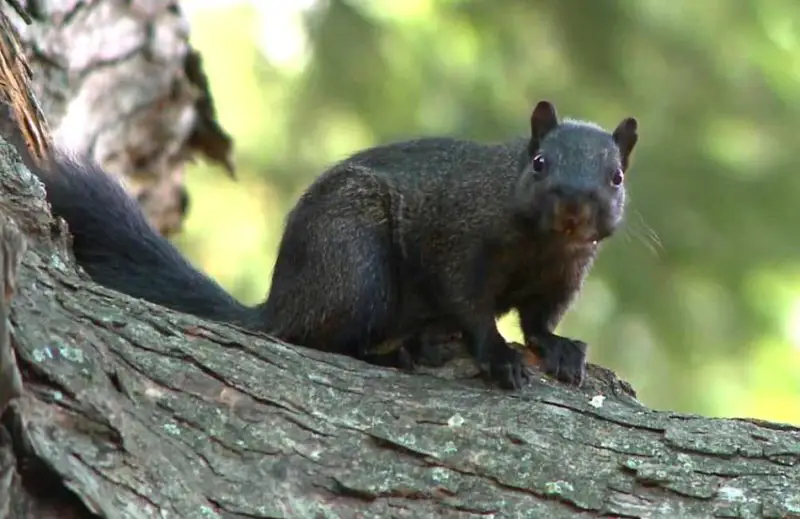
The biggest secret many people never knew: black squirrels are not a separate species. They are typically Eastern gray squirrels or fox squirrels with a special genetic coloration known as melanism.
Melanism increases dark pigment in fur, turning the squirrel’s coat deep black rather than gray or brown. The result is a stunning, almost velvet-looking squirrel that appears completely different from its lighter relatives.
They are still normal squirrels in behavior. They climb trees. They bury nuts. They chatter loudly. They race across branches. They live the same lifestyle. The color simply sets them apart visually — and sometimes helps them survive more effectively.
Why Black Squirrels Exist: The Real Secret Behind Their Color
Black squirrels are not just “cool-looking.” Their color often has a survival purpose. Melanism develops and persists in populations for reasons linked to environment, climate, history, and natural selection.
Some advantages include:
• Better warmth retention in colder climates
Darker fur absorbs more heat from sunlight, helping squirrels stay warmer in cool seasons.
• Improved camouflage in certain environments
In shaded forests, burned woodland areas, and darker treescapes, black fur blends surprisingly well.
• Genetic strength and diversity
Populations with melanistic squirrels often show healthy genetic variation.
Iowa’s parks, especially wooded and shaded areas, create environments where black squirrels can thrive comfortably. Their survival success helps explain why more people are quietly spotting them today.
The Hidden History Behind Black Squirrels in the Midwest
Many people assume black squirrels are new. They are not. Melanistic squirrels have existed in North America for hundreds of years. Early settlers and explorers recorded seeing them. Native American stories mention dark squirrels long before modern reports.
In some regions, early logging, forest fires, and dense woods helped black squirrels succeed more than lighter ones. Over time, populations shifted naturally. Some areas lost them. Others kept them. And in places like Iowa, they slowly remained or began appearing again, especially as parks and wooded lands expanded or stabilized.
Their presence today is a reminder that wildlife history is always deeper than it first appears.
Why Iowa Parks Are Perfect Homes for Black Squirrels
Iowa parks are ideal for black squirrels for several reasons:
• abundant trees for food and shelter
• balanced predator presence without extreme danger
• human protection from hunting
• consistent food sources
• safe nesting areas
• mild winters compared to far northern regions
Parks create safety, stability, and rich food supply. Black squirrels thrive in exactly those conditions. They build nests high in trees, use park landscapes as highways, raid acorns and seeds, and adapt perfectly to human presence without losing their independence.
Their comfort in parks allows them to live the “secret life” most visitors never notice happening quietly right above their heads.
Where Iowa Residents Most Often See Black Squirrels
Black squirrels do not stay hidden completely. People regularly spot them in:
• city parks
• suburban parks
• college campuses
• neighborhood green spaces
• wooded recreational trails
• picnic areas surrounded by trees
They often appear near people because they learn quickly that parks equal safety and plentiful food. They patrol pathways. They explore near benches. They dash across lawns with confidence. They know humans are not threats here.
These sightings create those magical moments when someone stops suddenly and whispers, “Wait… was that squirrel really black?”
The Secret Confidence of Black Squirrels
Black squirrels move differently than some other squirrels. They often appear bolder, calmer, and more willing to investigate their surroundings. That confidence develops because:
• they grow up around humans
• they rarely face direct harm in parks
• they learn people often drop food
• they feel secure in familiar territory
Over time, generations learn behavior patterns. Curiosity passes down. Comfort grows. Soon, black squirrels behave like park guardians, watching activity from trees, scanning lawns, and studying people with clear intelligence in their dark eyes.
They are not just surviving. They are confidently living.
Are Black Squirrels Rare in Iowa?
They are not extremely rare, but they are not as common as gray or fox squirrels either. Their numbers depend on genetics and regional populations. Some parks may have many black squirrels. Others may have none at all.
Their rarity is enough to make each sighting feel special. Their presence creates curiosity, excitement, and conversation. Seeing one often becomes a memorable moment, especially for kids, photographers, and wildlife enthusiasts.
They stand out in a crowd of lighter-colored squirrels — and that uniqueness is part of their quiet charm.
Why Black Squirrels Seem More Noticeable Than Other Squirrels
Black absorbs light. It does not reflect much. That gives black squirrels a dramatic silhouette effect. Their outline appears bold and clear against grass, trees, and sky. Even in shade, they look sharp and defined.
Their uniqueness makes brains notice instantly. Where gray squirrels blend in, black squirrels stand out like moving shadows — mysterious and beautiful at the same time.
That contrast alone explains why people remember seeing a black squirrel long after they leave the park.
How Black Squirrels Survive Everyday Park Life
Their survival strategy relies on:
• intelligence
• speed
• adaptability
• strong awareness
• excellent memory for food storage
They bury acorns and nuts, remember hiding spots, and return later. They leap confidently across branches. They understand park patterns, people movement, and seasonal changes.
They have lived alongside humans long enough to master the rhythm of park life.
Do Black Squirrels Behave Differently Than Other Squirrels?
In most ways, their behavior matches normal squirrel behavior. But observers often notice slight tendencies:
• black squirrels may appear more dominant in some mixed populations
• they sometimes take control of bird feeders
• they may guard territory more boldly
These differences may come from confidence, adaptation, and strong genes rather than color alone. Still, they add to the mysterious personality that black squirrels seem to naturally carry.
Why People Feel Emotionally Connected to Black Squirrels
Black squirrels feel special. They feel rare. They feel mysterious and unique. People love things that feel uncommon and meaningful. Over time, black squirrels have quietly earned symbolic emotional value in many communities.
To some people, they represent luck.
To others, they represent mystery.
To many, they simply bring joy.
Seeing one turns an ordinary walk into a memorable wildlife encounter.
The Hidden Night Life of Black Squirrels
Most people only see black squirrels during the day. But their life continues even when the park grows quiet. They:
• prepare nests
• store food
• defend territories
• remain alert to night predators
While they are not nocturnal, their survival instincts do not shut down after sunset. They live quietly and efficiently through every hour nature demands awareness.
Even after parks close, black squirrels remain part of the living heartbeat of Iowa’s green spaces.
Are Black Squirrels Aggressive or Dangerous?
No. They behave like any squirrel. They do not seek conflict with people. They avoid confrontation unless cornered. They prefer running, climbing, and escaping rather than fighting.
Respect wildlife and they respect your space. That simple balance keeps both humans and squirrels safe.
Why Black Squirrels Remind People Nature Still Holds Secrets
Parks feel familiar. People believe they know everything living there. Then a black squirrel appears and suddenly proves that nature still holds surprises. Hidden genetics, quiet adaptation, and wildlife resilience continue shaping life even in everyday city and town environments.
Black squirrels are living reminders that:
• nature is still evolving
• wildlife still adapts
• surprises still exist in familiar places
That realization makes them even more fascinating.
Myths People Commonly Believe About Black Squirrels
Myth: They are a different species
Truth: They are usually melanistic gray or fox squirrels
Myth: They are extremely rare everywhere
Truth: Rarity depends on region, genetics, and population history
Myth: Their color is caused by pollution or mutation accidents
Truth: It is a natural and documented genetic trait
Myth: They are aggressive
Truth: They behave normally like any squirrel
Clearing myths reveals the truth — they are natural, beautiful, and scientifically interesting animals deserving appreciation, not fear or misunderstanding.
Why Their Presence Means Iowa Parks Are Healthy
Wild squirrels thrive where food, trees, and ecosystems remain strong. Seeing black squirrels means park environments support life successfully. It suggests stability, natural diversity, and resilient wildlife populations.
Their existence is a quiet sign that Iowa parks still offer:
• sustainable habitats
• strong tree ecosystems
• safe wildlife zones
That is something worth celebrating.
Why Black Squirrels Feel Like Iowa’s Quiet Little Secret
They are not widely advertised like famous tourist wildlife. They do not draw giant crowds like national park animals. They live in everyday community spaces, known quietly by locals, surprising strangers, and silently becoming part of Iowa’s living identity without much fanfare.
Black squirrels in Iowa parks feel like hidden treasures — there for anyone observant enough to notice.
FAQs About Black Squirrels in Iowa Parks
Are black squirrels really common in Iowa?
They exist in several areas, especially near parks and wooded regions, though not everywhere.
Are they a separate species?
No. Most are melanistic Eastern gray squirrels or fox squirrels.
Why are they black?
A genetic trait called melanism increases dark pigment in their fur.
Are black squirrels dangerous?
No. They behave like normal squirrels and usually avoid people.
Where can I see them most often?
In parks, wooded neighborhoods, recreation areas, and tree-rich green spaces.
Are they becoming more common?
In some regions, yes, due to survival advantages and population genetics.
Do black squirrels benefit ecosystems?
Yes. They help spread seeds, maintain tree regeneration, and support park ecology.
Final Thoughts
The secret life of black squirrels in Iowa parks is not just about color. It is about survival, adaptation, genetics, beauty, mystery, and the incredible ability of wildlife to quietly coexist with human life in ordinary places.
They are living proof that nature still has stories to tell — even in parks people think they already fully understand.
When you walk through an Iowa park and see a black squirrel racing across grass, climbing a tree with confidence, or pausing proudly in sunlight, you are not just seeing an unusual animal. You are witnessing history, adaptation, and one of nature’s most fascinating quiet marvels living freely right in front of you.