
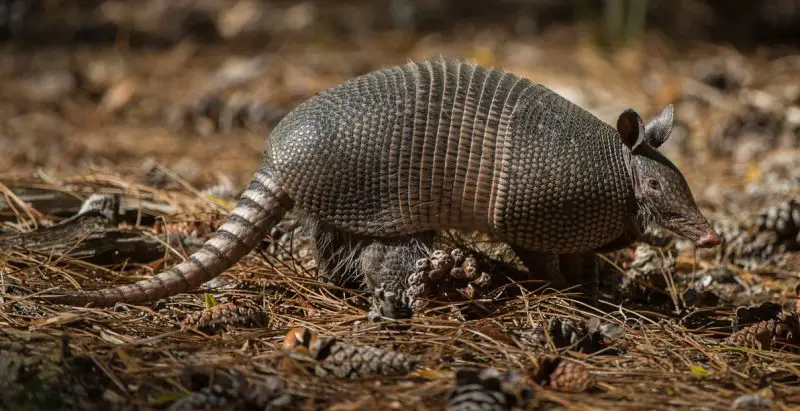
Across many neighborhoods in Louisiana, homeowners wake up to the same puzzling sight. Fresh holes scattered across lawns. Mulch beds overturned. Soil pushed aside near foundations, porches, and sheds. There is rarely noise, rarely movement, just evidence that something was there overnight.
In most cases, the culprit is an armadillo.
Armadillos have become increasingly common near Louisiana homes, yet their digging behavior is widely misunderstood. Many people assume they are randomly tearing up yards or actively trying to invade structures. In reality, their digging follows a quiet, biologically driven logic shaped by food, soil, climate, and survival needs.
This article explores the hidden reason armadillos keep digging near Louisiana homes. Not exaggerated danger. Not folklore. Just the real ecological and behavioral forces that pull these animals closer to human spaces than most residents realize.
Table of Contents
- 1 Armadillos Are Not Digging at Random
- 2 The Primary Hidden Reason: Food Concentration Near Homes
- 3 Why Louisiana Soil Makes Digging Easier Than Most States
- 4 Feeding Digs vs Burrow Digs: Knowing the Difference
- 5 Why Armadillos Prefer Digging Near Structures
- 6 How Nighttime Behavior Keeps Digging Unnoticed
- 7 The Role of Rain and Flooding in Increased Digging
- 8 Seasonal Patterns of Armadillo Digging in Louisiana
- 9 Why Some Homes Are Targeted Repeatedly
- 10 Are Armadillos Attracted to Foundations Themselves?
- 11 Structural Risks: When Digging Becomes a Problem
- 12 Armadillos Are Not Territorial Destroyers
- 13 Why Trapping Rarely Solves the Root Problem
- 14 How Lawn Care Practices Increase Digging
- 15 Practical Ways to Reduce Armadillo Digging Near Homes
- 16 Why Armadillos Are Expanding in Louisiana
- 17 Health Concerns and Misconceptions
- 18 Coexisting With Armadillos in Residential Areas
- 19 Why Digging Is a Sign of Adaptation, Not Aggression
- 20 FAQs About Armadillos Digging Near Louisiana Homes
- 20.1 Why do armadillos dig so many small holes?
- 20.2 Do armadillos dig under houses?
- 20.3 Are armadillos active all year in Louisiana?
- 20.4 Will armadillos damage my foundation?
- 20.5 Does fencing stop armadillos?
- 20.6 Are armadillos dangerous to pets?
- 20.7 Why do they dig more after rain?
- 20.8 Will removing grubs stop armadillos?
- 21 Final Thoughts
Armadillos Are Not Digging at Random
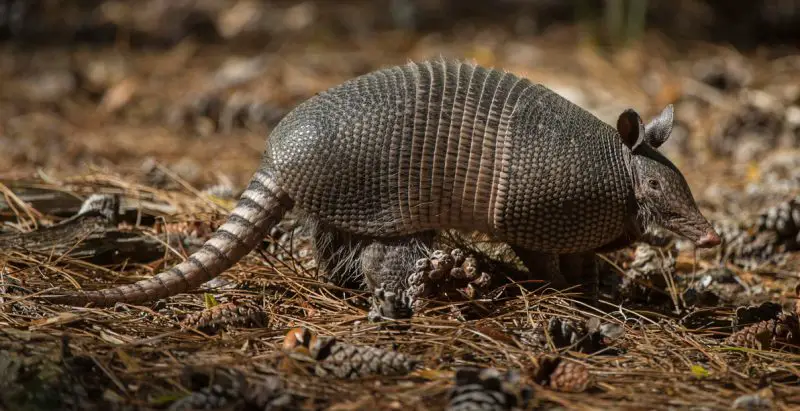
At first glance, armadillo holes appear scattered and chaotic. Small cone-shaped divots in lawns. Shallow trenches along garden edges. Deeper burrow entrances near solid structures.
But armadillos are not careless diggers.
Every hole serves a purpose. Some are feeding pits. Others are test digs. A few lead to permanent burrows. The pattern only looks random because humans are not seeing the underground story.
In Louisiana, where soil remains workable year-round and insect life is abundant, armadillos have little reason to travel far once they find a productive area.
The Primary Hidden Reason: Food Concentration Near Homes
The single biggest reason armadillos dig near homes is food density.
Lawns, gardens, and landscaped yards unintentionally create perfect feeding zones. Watered grass softens soil. Mulch traps moisture. Compost enriches insect populations. Outdoor lighting attracts bugs at night.
All of this leads to one thing. High concentrations of grubs, beetle larvae, ants, termites, earthworms, and other invertebrates.
Armadillos have an exceptional sense of smell. They can detect insects several inches below the surface. When a yard offers consistent food, armadillos return repeatedly, digging small holes to extract prey.
To the armadillo, a manicured lawn is not decoration. It is a buffet.
Why Louisiana Soil Makes Digging Easier Than Most States
Louisiana’s soil composition plays a major role in armadillo behavior.
Much of the state features loose, sandy, or loamy soils mixed with organic matter. Even clay-heavy areas soften quickly due to frequent rainfall and humidity. Unlike rocky or compacted soils in other regions, Louisiana ground yields easily to digging animals.
This allows armadillos to dig with less energy and less exposure. They can feed quickly and retreat before daylight.
Homes built on slightly raised pads, older foundations, or near drainage areas create even softer zones. These locations become repeated digging targets.
Feeding Digs vs Burrow Digs: Knowing the Difference
Not all armadillo holes mean the same thing.
Feeding holes are usually shallow. Three to five inches deep. Roughly cone-shaped. Scattered across open ground.
Burrow entrances are different. They are larger, oval-shaped openings often found near solid objects. Foundations, porches, sheds, tree roots, or concrete slabs provide structural support for tunnels.
When armadillos dig near homes, they are often combining both behaviors. Feeding in the open. Burrowing where protection is strongest.
Why Armadillos Prefer Digging Near Structures
It may seem counterintuitive, but homes provide safety benefits.
Foundations block wind. Slabs retain warmth. Raised structures reduce flooding risk. Burrows placed near buildings stay drier and more temperature-stable than those in open fields.
In Louisiana’s climate, this matters. Heavy rain can flood shallow burrows. Summer heat can overheat exposed ground. Structures offer microclimates armadillos can rely on.
They are not trying to enter homes. They are using them as environmental shields.
How Nighttime Behavior Keeps Digging Unnoticed
Armadillos are primarily nocturnal, especially near human activity.
They dig at night when temperatures drop and predators are less active. This timing allows them to work undisturbed, leaving evidence behind rather than being seen in action.
By morning, holes appear without explanation. This fuels the idea that armadillos are unpredictable or destructive by nature.
In reality, their schedule is simply aligned with survival.
The Role of Rain and Flooding in Increased Digging
After heavy rain, armadillo digging often increases.
Rain drives insects closer to the surface. Saturated soil becomes easier to excavate. Burrows may need repairs or relocation if flooded.
Louisiana’s frequent storms trigger these behaviors repeatedly throughout the year. Each rain event reshapes underground conditions, and armadillos respond immediately.
This is why digging often spikes after storms, even in areas that were previously quiet.
Seasonal Patterns of Armadillo Digging in Louisiana
Unlike colder states, Louisiana armadillos remain active nearly year-round.
Winter brings slightly reduced activity but does not stop digging entirely. Mild temperatures allow insects to remain active underground.
Spring increases food availability. Summer heat pushes armadillos closer to shaded, irrigated yards. Fall maintains steady feeding.
There is no true off-season. Digging near homes can occur any month.
Why Some Homes Are Targeted Repeatedly
If armadillos keep returning to the same yard, it is not coincidence.
Consistent moisture, soft soil, and reliable insect populations create a dependable food source. Once discovered, these yards become part of the armadillo’s nightly route.
Removing surface holes without changing conditions does not solve the issue. The underlying attraction remains.
From the armadillo’s perspective, returning is logical, not stubborn.
Are Armadillos Attracted to Foundations Themselves?
Foundations do not attract armadillos directly. What attracts them is what happens around foundations.
Water runoff collects. Soil stays moist. Insects gather. Vegetation grows thicker.
These zones create ideal feeding and burrowing conditions. Armadillos follow the resources, not the concrete.
Understanding this distinction is key to prevention.
Structural Risks: When Digging Becomes a Problem
Most armadillo digging is shallow and harmless. However, repeated burrowing near foundations can cause issues over time.
Soil displacement may undermine small structures. Walkways can settle unevenly. Porches may experience minor shifting in extreme cases.
These risks are situational, not guaranteed. But ignoring persistent burrowing near load-bearing areas is unwise.
Early intervention prevents long-term damage.
Armadillos Are Not Territorial Destroyers
A common misconception is that armadillos aggressively claim territory and destroy landscapes intentionally.
They do not defend yards. They do not mark boundaries. They do not return out of spite.
Their behavior is driven by opportunity and efficiency. When those disappear, so do the armadillos.
Why Trapping Rarely Solves the Root Problem
Removing one armadillo often leads to another taking its place.
If food and soil conditions remain unchanged, the habitat stays attractive. Armadillos traveling through the area will discover it eventually.
Long-term solutions focus on making yards less appealing, not eliminating individual animals.
How Lawn Care Practices Increase Digging
Certain common lawn habits unintentionally increase armadillo activity.
Overwatering softens soil and boosts insect populations. Thick mulch layers trap moisture. Leaving fallen leaves creates cover.
Even organic gardening practices can raise grub density.
These methods benefit plants but also attract insect-eating mammals.
Balance is key.
Practical Ways to Reduce Armadillo Digging Near Homes
Reducing armadillo digging starts below the surface.
Limiting insect populations helps. Adjust watering schedules. Remove excess mulch. Aerate compacted areas strategically.
Installing physical barriers around foundations discourages burrowing. Motion-activated lighting can disrupt nighttime routines.
None of these methods harm armadillos. They simply shift behavior elsewhere.
Why Armadillos Are Expanding in Louisiana
Armadillo populations have grown steadily across the Southeast.
Warmer winters, reduced predators, and expanding suburban landscapes support their spread. Louisiana provides ideal conditions for continued expansion.
As development increases, encounters near homes will likely continue.
Understanding behavior is more effective than reacting with frustration.
Health Concerns and Misconceptions
Armadillos are often associated with disease fears, particularly leprosy. While they can carry bacteria, transmission to humans is extremely rare and requires specific contact.
Digging alone poses no health risk.
Fear-based responses often exaggerate danger while missing the real issue, which is habitat overlap.
Coexisting With Armadillos in Residential Areas
Complete elimination is unrealistic. Coexistence through prevention works better.
When yards offer less food and shelter, armadillos move on quietly. There is no confrontation. No sudden disappearance. Just a gradual shift.
This approach aligns with both property protection and wildlife ethics.
Why Digging Is a Sign of Adaptation, Not Aggression
Armadillo digging near Louisiana homes reflects adaptation.
They are responding to altered landscapes with available resources. They are not failing to survive. They are succeeding.
Recognizing this changes how homeowners respond. From alarm to understanding. From reaction to strategy.
FAQs About Armadillos Digging Near Louisiana Homes
Why do armadillos dig so many small holes?
They are searching for insects underground. Each hole targets a scent source.
Do armadillos dig under houses?
They may burrow near foundations but rarely enter enclosed spaces.
Are armadillos active all year in Louisiana?
Yes. Mild winters allow continuous activity.
Will armadillos damage my foundation?
Repeated burrowing near structures can cause minor issues if ignored.
Does fencing stop armadillos?
Low fencing buried several inches deep can discourage entry.
Are armadillos dangerous to pets?
They are generally shy and avoid confrontation.
Why do they dig more after rain?
Rain increases insect activity and softens soil.
Will removing grubs stop armadillos?
Reducing food sources significantly lowers attraction.
Final Thoughts
The hidden reason armadillos keep digging near Louisiana homes is not aggression, curiosity, or invasion. It is opportunity.
Soft soil. Abundant insects. Stable shelter. Human landscapes provide all three in abundance.
Once homeowners understand what armadillos are responding to, the solution becomes clearer. Change the conditions, and the behavior changes too.
In Louisiana, armadillos are not temporary visitors. They are part of the modern landscape. Learning how and why they dig is the first step toward living alongside them with fewer surprises and far less frustration.