
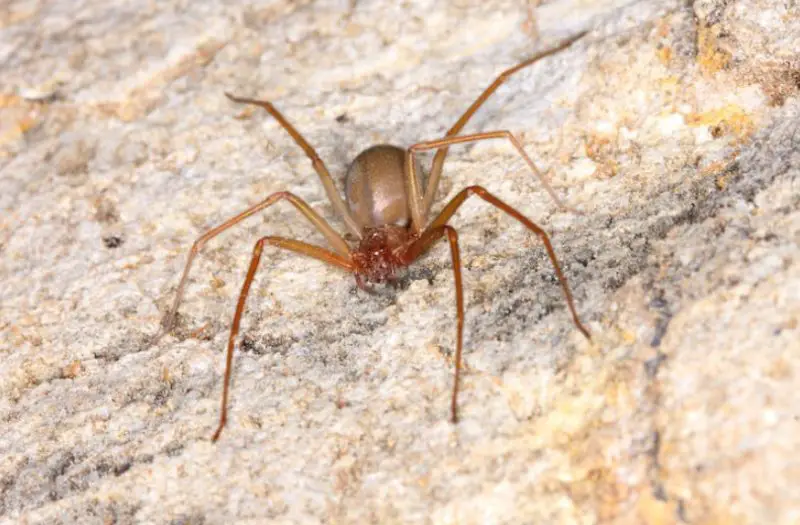
There are dangerous animals people expect to find outdoors. Snakes. Wasps. Maybe even scorpions in some regions. The brown recluse spider rarely makes that mental list for Kansas residents, even though it arguably deserves a place near the top. Many people in Kansas live close to this spider without knowing. They walk past it. Store boxes above it. Sleep in homes that accidentally shelter it. And yet, most do not think about it until someone is bitten.
The Kansas brown recluse is silent, secretive, and cautious. It hides more than it hunts in the open. It avoids confrontation. It does not crawl across floors looking for humans to attack. But it is also medically significant. Its venom has the potential to cause painful wounds, tissue damage, and serious health problems in unlucky cases. When ignored or misunderstood, this spider becomes a hidden household risk.
This detailed guide helps Kansas residents truly understand the brown recluse living among them. You will learn what it looks like, where it hides, how rare bites really are, why its venom is so concerning, how to recognize bite symptoms, what to do if bitten, how to reduce risk at home, and why awareness matters far more than blind fear.
Table of Contents
- 1 What Exactly Is the Kansas Brown Recluse Spider?
- 2 Do Brown Recluse Spiders Really Live in Kansas?
- 3 What Does a Brown Recluse Look Like in Kansas?
- 4 Where Do Brown Recluses Hide in Kansas Homes?
- 5 Why Do People Overlook Them in Kansas?
- 6 Are Kansas Brown Recluses Aggressive?
- 7 How Dangerous Is a Brown Recluse Bite?
- 8 Can Brown Recluse Bites Be Life-Threatening?
- 9 What Does a Brown Recluse Bite Look Like Over Time?
- 10 What To Do If You Suspect a Brown Recluse Bite
- 11 Where Do Most Encounters Happen in Kansas?
- 12 Do Brown Recluses Only Live in Dirty Houses?
- 13 Why Are Brown Recluses Important?
- 14 Common Myths About Kansas Brown Recluse Spiders
- 15 Why Fear Without Knowledge Is Dangerous
- 16 How To Reduce Brown Recluse Risk in Kansas Homes
- 17 Why Pets and Children Need Extra Protection
- 18 How Often Do Brown Recluse Bites Really Happen in Kansas?
- 19 The Reality Kansas Residents Should Accept
- 20 FAQs About the Kansas Brown Recluse Spider
- 21 Final Thoughts
What Exactly Is the Kansas Brown Recluse Spider?
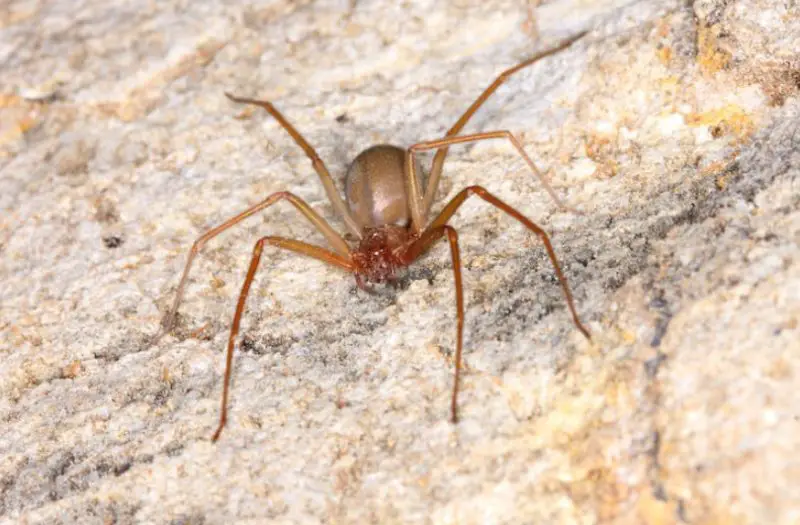
The brown recluse spider (Loxosceles reclusa) is one of the most well-known venomous spiders in the United States. Kansas sits right in its core natural range, meaning these spiders are not visitors. They are long-term residents. They evolved here. They thrive here. And they comfortably share the environment with Kansas families more than many people realize.
Brown recluses are known for being calm, quiet, and generally uninterested in confrontation. They live their lives in hidden places, feeding on insects and avoiding light. They do not build big decorative webs. Their webs are usually small, messy, and hidden in corners. They prefer privacy and darkness.
But the key detail is their venom. Unlike many spiders whose bites cause only mild irritation, brown recluse venom is necrotic, meaning it can damage skin and tissue in some cases. That is where its reputation comes from.
Do Brown Recluse Spiders Really Live in Kansas?
Yes. More than almost any other state, Kansas truly is brown recluse country. Many residents share homes, garages, sheds, barns, and workplaces with them without realizing. These spiders have successfully adapted to both natural and human-made environments.
They are most common in:
• central Kansas
• eastern Kansas
• southern Kansas
But they can appear anywhere across the state where suitable conditions exist.
Brown recluses live peacefully and undisturbed most of the time. That is why many Kansas families never realize a population exists around them unless they stumble upon one directly or experience a bite.
What Does a Brown Recluse Look Like in Kansas?
Misidentification happens constantly. Many harmless brown spiders get blamed as recluses. Knowing the right features matters.
A true Kansas brown recluse typically shows:
• light to medium brown body
• darker violin-shaped marking on the cephalothorax (body front)
• long, thin legs
• smooth appearance without heavy hair
• relatively small size compared to dramatic urban legends
One of the strongest identification signs is the eyes. Unlike many spiders with eight eyes, brown recluses have six eyes arranged in pairs. That is a physical trait many species do not share.
However, getting close enough to inspect eyes is rarely realistic or safe for average people. That is why behavior and location also matter when identifying them.
Where Do Brown Recluses Hide in Kansas Homes?
Their name is perfect. “Recluse” truly describes how they live. They choose quiet, untouched, shadowed locations where human activity is minimal. They love places where clutter, darkness, and stillness combine.
Common hiding spots include:
• garages
• basements
• attics
• storage rooms
• behind furniture
• inside shoes
• inside boxes
• rarely moved clothing
• sheds and barns
Outdoors, they may live in:
• wood piles
• rock piles
• abandoned structures
Many bites happen only because someone accidentally presses skin against a spider hiding where it felt trapped.
Why Do People Overlook Them in Kansas?
There are three main reasons.
They are quiet.
They are small.
They stay hidden.
Unlike buzzing yellow jackets or large aggressive insects, brown recluses do not announce themselves. They do not build giant visible webs. They do not swarm. They do not fly into faces at picnics. They simply live silently nearby.
That subtle existence makes them easy to forget — until a serious moment occurs.
Are Kansas Brown Recluses Aggressive?
No. This is one of the biggest misconceptions. Brown recluses are not hunters of people. They do not chase. They do not leap forward to attack. They only bite when:
• trapped against skin
• pressed inside clothing or bedding
• accidentally handled
• frightened without escape
If they see a safe retreat path, they take it. They truly want to avoid humans.
How Dangerous Is a Brown Recluse Bite?
A brown recluse bite in Kansas deserves respect. Not every bite causes severe tissue damage, but enough do that ignoring one is risky.
Some bites may cause only mild irritation. Others may lead to:
• burning pain
• swelling
• itching
• redness
• skin blistering
In more serious cases, venom can damage tissue, creating:
• open skin lesions
• slow-healing wounds
• necrotic areas
• deep ulcers requiring medical care
Pain may not always feel severe at first. Some bites become worse over time. That delay leads many people to ignore the bite initially, which sometimes makes outcomes worse.
Can Brown Recluse Bites Be Life-Threatening?
Severe complications are rare but possible. Individuals with weaker immune systems, children, elderly people, and those with certain medical conditions face higher risk of dangerous reactions.
Modern medical care significantly reduces deadly outcomes. The real concern is tissue destruction, infection risk, and long healing times if untreated.
Every suspicious bite deserves attention rather than casual dismissal.
What Does a Brown Recluse Bite Look Like Over Time?
Bites may progress. Early symptoms sometimes appear mild before worsening.
Typical bite development may show:
• mild discomfort or stinging initially
• redness and swelling
• blister formation
• darkening center area
• spreading pain
• tissue breakdown in severe cases
Not every bite follows this path. That unpredictability is part of what makes the spider medically concerning.
What To Do If You Suspect a Brown Recluse Bite
Act calmly and intelligently. Panic helps no one. But ignoring a bite helps even less.
Important steps include:
• gently washing the area
• applying a cool compress
• avoiding scratching
• keeping the injured area still
• seeking medical advice
Medical evaluation is strongly recommended if pain worsens, a blister develops, a dark center appears, or symptoms increase instead of fading.
Do not attempt dangerous “home remedies” or extreme cutting methods. Professional care is safest.
Where Do Most Encounters Happen in Kansas?
Real-world encounters commonly occur during everyday normal tasks, including:
• cleaning unused rooms
• opening stored boxes
• moving long-undisturbed items
• sorting basement or attic clutter
• putting on stored shoes
• reaching behind furniture
Outdoor encounters often happen in sheds, barns, or storage areas with little movement.
Do Brown Recluses Only Live in Dirty Houses?
No. This is a harmful myth. Even clean Kansas homes can have brown recluse populations. Clutter increases hiding spots, but cleanliness alone does not guarantee safety. What matters most is shelter, darkness, and stable hiding zones.
They prefer stillness. That stillness may exist in the cleanest homes in the state.
Why Are Brown Recluses Important?
It may feel strange to talk about “importance” when discussing a venomous spider. But brown recluses help control insect populations. They are natural predators of pests. In balanced ecosystems, every creature has a role. Even dangerous ones.
The goal is smart coexistence, not extermination through fear.
Common Myths About Kansas Brown Recluse Spiders
Myth: They attack people on purpose
Truth: They avoid humans whenever possible
Myth: Every bite melts skin instantly
Truth: Many bites are minor, though some become serious
Myth: Any brown spider is a recluse
Truth: Many harmless species look similar
Myth: They live only in abandoned buildings
Truth: They commonly live in occupied homes
Myth: Killing every spider prevents bites
Truth: Awareness, prevention, and smart habits matter more
Facts calm fear. Myths exaggerate risk.
Why Fear Without Knowledge Is Dangerous
Fear alone leads to reckless behavior. People panic. Smash blindly. Stick hands where they should not. Spread misinformation. Or ignore real danger because myths confused them previously.
Knowledge creates a balanced response. Respect replaces fear. Awareness replaces ignorance. Safety improves dramatically.
How To Reduce Brown Recluse Risk in Kansas Homes
You cannot erase every spider from Kansas. But you can reduce risk significantly with smart prevention habits. These numbered steps genuinely help:
-
Reduce clutter to remove hiding spots, especially in basements, garages, and attics.
-
Store clothing, bedding, and rarely used fabric in sealed containers or bags.
-
Shake out shoes, gloves, and clothing stored for long periods before wearing.
-
Seal cracks, gaps, and foundation openings where spiders can enter.
Vacuuming hidden corners and eliminating insects (their food source) also lowers population interest inside homes.
Why Pets and Children Need Extra Protection
Children may reach into curious hiding spots without thinking. Pets explore dark corners instinctively. Both are at risk of accidental bites simply because they do not understand danger.
Teaching children awareness and watching curious pets helps families avoid painful experiences.
How Often Do Brown Recluse Bites Really Happen in Kansas?
They happen, but nowhere near as constantly as internet horror stories claim. Many Kansas homes have brown recluses and never experience a single bite.
Most bites result from direct accidental contact, not casual presence. Respectful caution is smarter than constant terror.
The Reality Kansas Residents Should Accept
Kansas brown recluses are:
common in many regions
quiet and hidden
medically significant
often misunderstood
not aggressive
serious when bites occur
They live closer to residents than most people realize. But they are not unstoppable monsters. They are part of Kansas life, just like other wildlife with dangers and benefits. Awareness makes coexistence possible.
Living in Kansas means respecting nature, even the parts people cannot see easily. Knowledge helps families protect themselves calmly instead of living in constant fear.
FAQs About the Kansas Brown Recluse Spider
Are brown recluse spiders common in Kansas?
Yes. Kansas falls within their core natural range, and they are widely present.
Are they aggressive?
No. They are shy and defensive, biting mainly when trapped or pressed.
How dangerous is a bite?
It can range from mild irritation to serious tissue damage requiring medical care.
Where do they usually hide?
Dark, quiet, undisturbed locations like garages, basements, closets, and storage areas.
Do they live only in dirty places?
No. Clean homes can have them too, if hiding places exist.
Should I panic if I see one?
No. Remain calm, avoid contact, and take practical safety steps.
When should I seek medical care for a bite?
Any worsening symptoms, blistering, severe pain, spreading damage, or systemic symptoms deserve medical evaluation.
Final Thoughts
The Kansas brown recluse is one of the most overlooked but genuinely important venomous creatures in the state. It does not roar. It does not swarm loudly. It does not make its presence obvious. Instead, it survives quietly in shadows, often just a few feet from people who never realize it is there.
Respecting this spider means acknowledging its danger while recognizing its natural role. Smart habits, awareness, protective actions, and calm responses make life safer without unnecessary fear. Kansas residents who understand the brown recluse are those best equipped to avoid painful encounters and protect their families, pets, and homes from a venomous threat many people still underestimate.