

Black widow spiders are some of the most feared venomous spiders in North America. They are small, quiet, secretive, and usually out of sight. Yet when someone finally notices one, the shock is immediate. Shiny black body. Long thin legs. And the bright red hourglass mark that many people instantly recognize.
In Indiana, most residents do not think about black widows on a daily basis. They imagine these spiders living in deserts or far away southern states. The reality is different. Black widows do live in Indiana, though they stay hidden most of the time. They are not crawling across every yard or hanging in every basement, but they exist quietly in sheds, woodpiles, garages, crawl spaces, and outdoor structures where people rarely look closely.
Most Indiana black widow encounters are rare. Many residents never see one. But when they do, it matters. These spiders carry a medically significant venom capable of causing severe pain and dangerous symptoms if a bite is not treated properly. Understanding them is not about fear. It is about awareness. Knowledge helps you stay safer without panicking every time you see a spider.
This detailed guide explains everything Indiana residents need to know. What black widows are. Where they hide. How dangerous their bite truly is. What their venom does. Where people encounter them most. What to do if bitten. How to reduce the risk around your home. And why these spiders are part of Indiana’s natural environment, even if most people never realize it.
Table of Contents
- 1 What Exactly Is an Indiana Black Widow Spider?
- 2 Do Black Widows Really Live in Indiana?
- 3 What Do Indiana Black Widows Look Like?
- 4 Where Do Black Widows Hide in Indiana?
- 5 How Dangerous Is a Black Widow Bite in Indiana?
- 6 Do Indiana Black Widows Actually Bite Often?
- 7 Can Black Widow Bites Be Deadly?
- 8 What To Do If a Black Widow Bites You in Indiana
- 9 How Often Do Indiana Residents Encounter Black Widows?
- 10 Why Do People Rarely Notice Them?
- 11 Are Black Widows Aggressive in Indiana?
- 12 Where Are People Most Likely to Encounter Them?
- 13 When Are Black Widows Most Active?
- 14 Why Do Black Widows Exist?
- 15 Common Myths About Indiana Black Widows
- 16 Why Fear Alone Makes Things Worse
- 17 How To Prevent Black Widow Problems Around Your Home
- 18 Why Pets Need Protection Too
- 19 Understanding Calm Coexistence
- 20 The Reality Indiana Residents Should Accept
- 21 FAQs About Indiana Black Widow Spiders
- 22 Final Thoughts
What Exactly Is an Indiana Black Widow Spider?
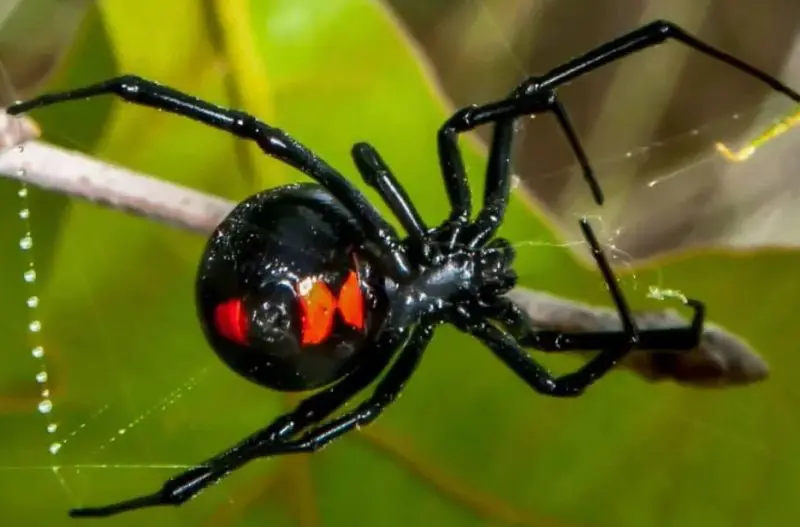
The black widow spider (Latrodectus species) is one of the most well-known venomous spiders in North America. Female black widows are the dangerous ones people recognize. They are glossy black with a bright red or orange hourglass marking under the abdomen. Males are much smaller, lighter colored, and rarely bite.
Black widows are not aggressive hunters toward humans. They use venom to subdue their prey, which usually includes:
• insects
• beetles
• roaches
• small arthropods
Their webs are messy and irregular, not the neat spiral webs many people imagine. They prefer dark, hidden locations where they can remain undisturbed. Their nature is shy, defensive, and cautious. They do not go looking for confrontation. Most bites happen only when a spider is accidentally touched, trapped, or feels cornered.
Do Black Widows Really Live in Indiana?
Yes. They are not the most common spider in the state, but they exist. Indiana falls within the natural range of certain black widow species, especially in warmer southern and central regions. Residents living near rural areas, farmland, wooded land, or older structures may have greater chances of encountering them.
They prefer:
• sheltered outdoor structures
• protected hiding places
• low-traffic environments
• stable temperatures
Black widows thrive quietly. Their survival depends on staying unnoticed, so many Indiana residents share their environment with them without ever realizing it.
What Do Indiana Black Widows Look Like?
Female black widows are distinctive when seen clearly. Key features include:
• shiny jet-black body
• rounded abdomen
• long slender black legs
• bright red hourglass marking on the underside
• sometimes additional red spots or markings
They are usually about 1 to 1.5 inches including leg span, with the body around half an inch long. Males are smaller, sometimes brownish, and are rarely mistaken for females.
Young black widows look different. Juveniles may have white or yellow markings before their signature red hourglass fully forms. That can cause confusion and misidentification.
Their web looks messy, thick, and tangled rather than decorative or delicate. If you see a sticky, irregular web in a hidden corner, especially near ground level, it may belong to a widow.
Where Do Black Widows Hide in Indiana?
Black widows prefer quiet, dark, hidden spaces where they will not be disturbed. Common locations include:
• garages
• barns
• sheds
• crawl spaces
• wood piles
• under outdoor furniture
• stone walls
• basement corners
• outdoor play structures not frequently used
They often stay low to the ground. They like tight corners, cracks, and sheltered ledges.
Many encounters happen when someone:
• reaches into storage boxes
• moves old firewood
• cleans a neglected shed
• lifts outdoor items that have been still for months
• works in dark garage corners
Most bites happen during accidental contact, not because a spider “attacks.”
How Dangerous Is a Black Widow Bite in Indiana?
A black widow bite is a medical situation that deserves serious attention. Their venom is neurotoxic, meaning it affects the nervous system. While fatal outcomes are extremely rare with modern medical care, the bite can still cause severe pain and frightening symptoms.
A bite may feel like:
• a sharp pin prick
• mild sting at first
• delayed severe pain developing later
Symptoms can include:
• intense localized pain
• muscle cramps
• abdominal pain
• back or chest pain
• sweating
• nausea
• headache
• increased heart rate
Pain can spread through the body and become extremely uncomfortable. Children, elderly individuals, and people with health issues face higher risk of complications. Dogs and cats can also suffer serious effects if bitten.
The good news is that modern medicine reduces danger significantly. With proper treatment, most people recover fully. But ignoring a bite is never a smart choice.
Do Indiana Black Widows Actually Bite Often?
No. Bites are rare compared to how often these spiders exist. Black widows prefer to hide and avoid confrontation. Most bites occur when:
• someone sticks a hand into a hidden space
• a spider is pressed against skin
• clothing or gloves stored in dark spaces are worn without checking
• a person grabs wood or debris containing a spider
• a spider becomes trapped against skin unknowingly
They do not chase. They do not jump onto people to attack. Their bite is defensive, not predatory.
Can Black Widow Bites Be Deadly?
Modern fatalities are extremely uncommon. With urgent medical treatment, survival likelihood is extremely high. Historically, serious outcomes mostly affected:
• small children
• elderly people
• individuals with compromised health
Fast medical care makes the difference. The real danger today is severe pain and potential complications, not guaranteed death. But treating every bite seriously remains essential.
What To Do If a Black Widow Bites You in Indiana
Remain calm and act quickly. Panic increases heart rate and spreads venom faster. Proper care matters.
Do this immediately:
• move away from the spider to avoid another bite
• wash the bite area gently with soap and water
• apply a cold pack to reduce pain and swelling
• keep the bitten area still
• seek medical treatment as soon as possible
Call emergency medical providers or go to an emergency department, especially if symptoms develop rapidly. Children, elderly individuals, and medically vulnerable people should always receive prompt care.
Do not:
• try to suck venom
• cut the bite area
• apply tight tourniquets
• ignore escalating symptoms
Professional medical treatment is the safest path.
How Often Do Indiana Residents Encounter Black Widows?
Encounters happen more than many people expect, but far less than rumors suggest. Many residents never see one in their lifetime. People who work with outdoor structures, old buildings, farms, firewood, or storage areas see them more often.
Most encounters end without bites. People often spot the spider, get startled, and step back safely. The spider stays still or retreats. That is the usual outcome.
Why Do People Rarely Notice Them?
Black widows survive by staying out of sight. They do not wander around visibly like house spiders. They choose hidden, stable habitats, often untouched for long periods. Their dark color blends into shadows. Their stillness helps them remain unnoticed.
Add the fact that most people do not check dark corners, and it becomes clear why widows stay hidden for so long. They are there, but unseen.
Are Black Widows Aggressive in Indiana?
No. This is one of the biggest myths. Black widows are defensive. Their instinct is to stay hidden, remain still, or withdraw. They rely on venom for hunting prey, not for attacking humans. Humans are far too large to be prey.
Aggression myths come from fear rather than reality.
Where Are People Most Likely to Encounter Them?
Common real-world locations include:
• firewood stacks stored near houses
• dark corners of old garages
• farm buildings
• cluttered sheds
• underneath outdoor equipment
• behind unused items left outdoors
Many Indiana cases involve someone cleaning after long periods of neglect or reaching where they cannot see.
When Are Black Widows Most Active?
Black widows prefer warmer seasons. They are more active during late spring, summer, and early fall. Many spend winter in protected spaces, surviving cold environments if sheltered well enough. Nighttime is their preferred time to move, hunt, or tend to webs.
Why Do Black Widows Exist?
They are part of nature’s pest control system. Black widows reduce populations of:
• insects
• agricultural pests
• other small arthropods
They help maintain ecological balance. Removing them entirely would allow certain pests to increase. Every predator in nature plays a role, even dangerous ones.
Common Myths About Indiana Black Widows
Myth: They are everywhere
Truth: They are present but not widespread in every corner of the state
Myth: They attack people
Truth: They defend themselves only when threatened or touched
Myth: Every bite is deadly
Truth: Painful and serious, but treatable with modern care
Myth: Small black spiders are always black widows
Truth: Many harmless spiders look dark but are completely different
Myth: Only deserts have black widows
Truth: They live in multiple states, including Indiana
Understanding truth replaces fear with smart caution.
Why Fear Alone Makes Things Worse
Fear causes panic. Panic leads to risky actions like:
• smashing spiders with bare hands
• reaching into webs
• moving blindly without checking
• trying to handle them out of curiosity
Calm awareness protects far better. Respect for wildlife creates safer interactions.
How To Prevent Black Widow Problems Around Your Home
You can reduce risk significantly by changing a few habits. These numbered steps truly help Indiana households:
-
Keep sheds, garages, and storage areas organized instead of cluttered
-
Wear gloves when handling firewood or outdoor debris
-
Shake out stored clothing, boots, or gloves before wearing
-
Seal cracks and gaps around foundations and doors
Simple awareness and cleanliness go a long way.
Why Pets Need Protection Too
Dogs and cats exploring dark corners or sniffing hidden spaces may be bitten. Pets do not understand risk. A sudden bite can cause pain, sickness, or distress. If you suspect your pet has been bitten, veterinary care is important.
Understanding Calm Coexistence
Black widows do not require panic removal missions. They do not need mass extermination efforts across Indiana. Awareness allows coexistence. Most of the time, they remain hidden and undisturbed. If one is found in a risky location, relocating or safely removing it is reasonable. But destroying every spider seen is unnecessary and environmentally harmful.
Respect nature. Protect family. Stay informed. That balance works.
The Reality Indiana Residents Should Accept
Indiana black widows are:
present but not everywhere
quiet
highly venomous but rarely deadly
shy and defensive
masters of hiding
part of the natural ecosystem
They are not nightly invaders stalking people. They are hidden predators living quietly in forgotten spaces. People who understand them can live safely without fear controlling their thoughts every time they step into a garage or shed.
Knowledge brings confidence. Awareness prevents accidents. Respect protects both people and nature.
FAQs About Indiana Black Widow Spiders
Are black widows common in Indiana?
They exist, especially in southern and central areas, but are not extremely widespread.
Do they bite often?
Bites are rare and usually happen only through accidental contact.
How dangerous is the bite?
Very painful and medically serious, but modern treatment prevents most life-threatening outcomes.
Where are they usually found?
Garages, sheds, woodpiles, barns, crawl spaces, and dark corners.
Do they attack humans?
No. They are defensive and prefer hiding.
Can children or elderly people be more at risk?
Yes. They may experience more severe reactions and should always receive fast medical care.
Should I kill one if I see it?
Many people choose removal only if it is in a risky location. Leaving them alone is often fine in undisturbed places.
Final Thoughts
Indiana black widows are a hidden part of the state’s wildlife world. Most people never see them, yet they live quietly among wood piles, sheds, barns, and forgotten corners. They carry powerful venom and deserve respect, but they are not aggressive monsters stalking people. They want to stay hidden and left alone.
By learning what they look like, understanding where they hide, knowing what to do if bitten, and practicing smart caution, Indiana residents can stay safe while still appreciating the natural environment they live in. Awareness makes life safer. Respect keeps encounters peaceful. And knowledge turns fear into confident understanding of one of Indiana’s most misunderstood spiders.