

Silverfish are rarely seen in large numbers at once inside New York apartments. Instead, they appear quietly. One in the bathroom late at night. Another along a baseboard weeks later. Sometimes they vanish for months, only to reappear without warning.
What confuses most residents is persistence.
Silverfish survive inside New York apartments far longer than seems possible. They remain active through winter. They endure sealed buildings, limited food, and fluctuating temperatures. Even in newer apartments, they manage to persist for months, sometimes years.
This survival is not accidental. It is the result of specialized biology, urban infrastructure, and micro-environments created by apartment living. Silverfish are not invaders that need ideal conditions. They are specialists at surviving in imperfect ones.
Understanding how silverfish manage this long-term survival requires looking at their metabolism, behavior, food sources, and how New York apartments unintentionally support them.
Table of Contents
- 1 Silverfish Are Built for Scarcity
- 2 They Do Not Need Daily Food
- 3 Paper, Glue, and Dust Are Food
- 4 New Apartments Are Not Silverfish-Proof
- 5 Moisture Is the Key Resource
- 6 Steam Heating Creates Ideal Conditions
- 7 Wall Voids Act as Safe Zones
- 8 They Are Active When Humans Sleep
- 9 Silverfish Can Flatten Their Bodies
- 10 They Do Not Need Large Populations
- 11 Reproduction Is Slow and Strategic
- 12 Eggs Are Resistant to Environmental Stress
- 13 Winter Does Not Affect Indoor Silverfish
- 14 Why They Appear After Renovations
- 15 Why Cleaning Does Not Solve the Problem
- 16 Why Sprays Provide Only Temporary Relief
- 17 Apartment Density Helps Silverfish Spread
- 18 Why Bathrooms Are Common Sightings
- 19 Kitchens Provide Secondary Support
- 20 Why Closets and Book Shelves Are Targets
- 21 They Avoid Humans Instinctively
- 22 Why Silverfish Are Hard to Starve Out
- 23 New York Infrastructure Favors Persistence
- 24 When Silverfish Numbers Increase
- 25 Why Complete Elimination Is Rare
- 26 What Actually Reduces Survival
- 27 Why Silverfish Are Not a Sign of Poor Hygiene
- 28 When to Involve Building Management
- 29 FAQs About Silverfish in New York Apartments
- 30 Conclusion
Silverfish Are Built for Scarcity
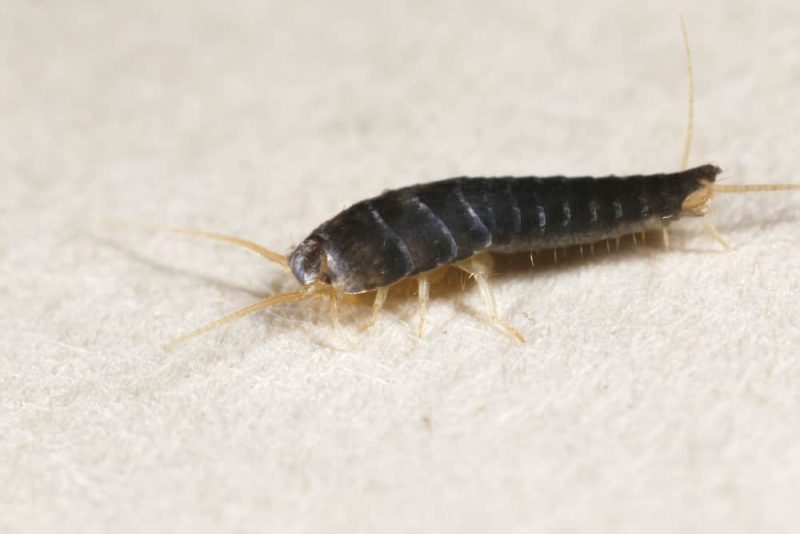
Silverfish are among the oldest insects still alive.
Their basic body plan has changed very little for hundreds of millions of years. That longevity exists for one reason: efficiency. Silverfish do not rely on abundance. They survive on scarcity.
Unlike many insects, silverfish have extremely low metabolic demands. They move slowly, feed irregularly, and can remain inactive for long periods without harm.
This allows them to survive where other insects cannot.
They Do Not Need Daily Food
One of the most misunderstood aspects of silverfish is how little they need to eat.
Silverfish can survive for weeks, and in some conditions months, without feeding. When food is available, they eat sparingly. When it is not, they conserve energy rather than searching aggressively.
In New York apartments, this matters because food sources are intermittent, not constant. Silverfish do not require open pantries or exposed crumbs.
They exploit trace materials humans overlook.
Paper, Glue, and Dust Are Food
Silverfish do not survive on typical “food” alone.
They feed on starches, cellulose, and proteins found in:
Book bindings
Wallpaper paste
Cardboard
Dust
Dead skin cells
Fabric sizing
Old receipts
Stored documents
New York apartments, especially older ones, contain these materials everywhere.
Even modern apartments contain adhesives, paper products, and dust layers sufficient to sustain silverfish.
New Apartments Are Not Silverfish-Proof
Many residents assume silverfish indicate old or poorly maintained buildings.
That assumption is incorrect.
New apartments often contain abundant construction materials silverfish can feed on. Drywall paper, adhesive residues, insulation dust, and packaging debris all provide nutrition.
During construction, silverfish may enter wall voids and remain unnoticed until residents move in.
Once inside, they do not need much to survive.
Moisture Is the Key Resource
Food is secondary. Moisture is primary.
Silverfish cannot survive long in dry environments, but they do not need standing water. They require humidity.
New York apartments provide moisture in many subtle ways:
Bathrooms
Kitchens
Steam heating
Radiator systems
Leaking pipes
Condensation
Laundry rooms
Basements
Even apartments that feel dry during the day often develop humidity at night.
Silverfish exploit these cycles.
Steam Heating Creates Ideal Conditions
Many New York buildings use steam heat.
Steam heating introduces moisture into walls and floors, even when radiators function normally. Temperature differences between apartments create condensation inside wall cavities.
These hidden humid zones are perfect silverfish habitat.
Residents may never see moisture, but silverfish feel it constantly.
Wall Voids Act as Safe Zones
Silverfish rarely live in open spaces.
They prefer wall voids, floor gaps, and hidden crevices where humidity remains stable and disturbance is minimal.
Once inside these spaces, they are protected from cleaning, pesticides, and temperature extremes.
They emerge only occasionally to forage.
This makes them appear sporadic even when populations are stable.
They Are Active When Humans Sleep
Silverfish are nocturnal.
They emerge late at night when lights are off, movement is minimal, and humidity peaks. Bathrooms and kitchens cool slightly overnight, increasing condensation.
This timing allows them to feed and retreat without detection.
By morning, they are gone.
Silverfish Can Flatten Their Bodies
Their body shape matters.
Silverfish are thin, flexible, and capable of compressing their bodies to fit into extremely narrow gaps. Cracks the width of a credit card are sufficient.
Baseboards, expansion gaps, and outlet boxes all provide access.
Once inside, they are difficult to exclude completely.
They Do Not Need Large Populations
A common misconception is that silverfish survive because there are many of them.
In reality, small populations are more successful.
A few individuals feeding slowly create less competition and draw less attention. This allows them to persist quietly.
Seeing one silverfish does not mean dozens are present, but it does mean conditions are sufficient for survival.
Reproduction Is Slow and Strategic
Silverfish reproduce slowly compared to many insects.
Females lay small numbers of eggs over long periods. Eggs are hidden deep in cracks where humidity is stable.
This slow reproduction reduces resource strain and allows populations to remain stable rather than explosive.
It also makes eradication difficult, because population growth is gradual and persistent.
Eggs Are Resistant to Environmental Stress
Silverfish eggs are resilient.
They tolerate fluctuations in temperature and humidity better than adults. Eggs can remain dormant until conditions improve.
In New York apartments, seasonal changes rarely disrupt wall-void environments enough to destroy eggs.
This ensures long-term persistence.
Winter Does Not Affect Indoor Silverfish
Cold weather does not eliminate silverfish indoors.
Buildings retain heat. Steam systems raise interior humidity. Wall cavities remain above freezing.
Silverfish remain active year-round, even when outdoor insects disappear.
This is why sightings continue through winter.
Why They Appear After Renovations
Renovations often trigger silverfish sightings.
Disturbing walls, floors, or plumbing disrupts hidden habitats. Silverfish are forced into open areas temporarily.
New materials may also introduce fresh food sources.
Residents often blame renovations for causing silverfish, but the insects were already present.
Why Cleaning Does Not Solve the Problem
Regular cleaning removes visible food but not hidden resources.
Silverfish feed on materials embedded in walls, floors, and storage spaces. Vacuuming and wiping surfaces rarely affect these sources.
Cleaning is beneficial, but it does not eliminate survival conditions.
Why Sprays Provide Only Temporary Relief
Insect sprays kill exposed silverfish but do not reach wall voids.
Surviving individuals retreat deeper into hiding. Eggs remain untouched.
Within weeks, sightings resume.
This creates the illusion of resistance when the issue is actually access.
Apartment Density Helps Silverfish Spread
In apartment buildings, units share walls, floors, and ceilings.
Silverfish move between units through plumbing chases, electrical conduits, and expansion gaps.
Even if one apartment is treated, adjacent units may still harbor populations.
This interconnected environment favors long-term survival.
Why Bathrooms Are Common Sightings
Bathrooms provide moisture, warmth, and darkness.
Drains, vanity cabinets, and tile gaps create perfect micro-habitats.
Silverfish may not live in the bathroom full-time but use it as a foraging zone.
Late-night bathroom sightings are common.
Kitchens Provide Secondary Support
Kitchens offer intermittent food and moisture.
Dishwashers, sinks, and cabinets create humid pockets. Cardboard packaging and pantry materials provide nutrition.
Silverfish use kitchens opportunistically rather than permanently.
Why Closets and Book Shelves Are Targets
Closets contain fabric, cardboard, and undisturbed space.
Bookshelves provide paper, glue, and dust accumulation.
Silverfish often feed here quietly, leaving minimal damage until populations persist for long periods.
They Avoid Humans Instinctively
Silverfish are extremely light-sensitive.
Sudden movement or light triggers immediate retreat. This makes them difficult to observe and reinforces the idea that they “disappear.”
They are not gone. They are hiding efficiently.
Why Silverfish Are Hard to Starve Out
Starving silverfish is nearly impossible.
Their diet is too broad, their metabolism too slow, and their hiding places too secure.
Even removing obvious food sources rarely affects survival timelines.
New York Infrastructure Favors Persistence
New York buildings contain:
Old plumbing
Layered renovations
Shared utilities
Dense materials
Limited airflow
These factors create stable micro-climates that silverfish exploit.
The problem is structural, not behavioral.
When Silverfish Numbers Increase
Populations increase when moisture rises.
Leaks, humidity changes, or heating issues can trigger visible activity. Fixing moisture problems often reduces sightings dramatically.
Moisture control matters more than extermination.
Why Complete Elimination Is Rare
Silverfish elimination requires addressing moisture, access, and hidden food sources simultaneously.
In apartment buildings, this coordination is difficult.
As a result, management rather than elimination is the realistic goal.
What Actually Reduces Survival
Effective reduction focuses on:
Dehumidification
Fixing leaks
Sealing gaps
Reducing clutter
Targeted dust treatments in wall voids
These steps disrupt survival conditions rather than killing individuals.
Why Silverfish Are Not a Sign of Poor Hygiene
Silverfish survive in clean homes.
They are responding to humidity and materials, not dirt.
This distinction reduces stigma and improves problem-solving.
When to Involve Building Management
Persistent sightings often indicate building-wide conditions.
Management can address plumbing, ventilation, and shared spaces that individual residents cannot.
This approach is more effective than repeated unit-level treatments.
FAQs About Silverfish in New York Apartments
How long can silverfish survive indoors?
They can survive for months, and sometimes years, under stable conditions.
Do silverfish mean my apartment is dirty?
No. Clean apartments still provide moisture and materials they need.
Why do I only see them occasionally?
They remain hidden most of the time and emerge briefly to feed.
Can cold weather kill them?
Not indoors. Heated buildings protect them year-round.
Are new buildings immune?
No. New materials and construction gaps support silverfish.
Do sprays work?
Only temporarily. They do not reach hidden habitats.
Can one apartment fix the problem alone?
Rarely, because silverfish move between units.
Are silverfish dangerous?
They do not bite or transmit disease, but they can damage paper materials.
Conclusion
Silverfish survive for months inside New York apartments because they are perfectly adapted to urban living.
They require little food, tolerate scarcity, hide efficiently, and exploit moisture that buildings naturally create. Wall voids, steam heat, shared infrastructure, and construction materials give them everything they need.
Their survival is not a sign of neglect or infestation failure. It is a reflection of biology meeting architecture.
Once that is understood, silverfish stop feeling mysterious and start making sense as one of the most resilient indoor insects in the modern city.