
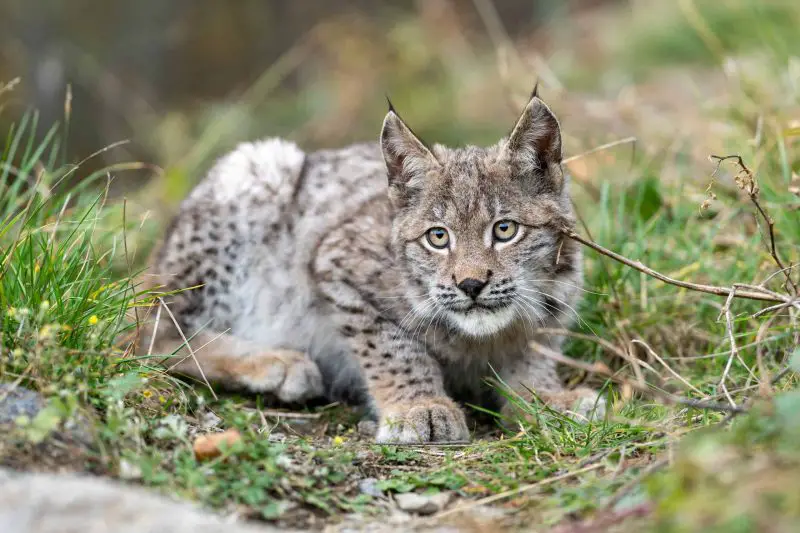
Spotting a bobcat in West Virginia is uncommon because they naturally avoid attention. Many residents never see one directly, yet these wild cats quietly inhabit forests, river valleys, farmland edges, and increasingly even suburban fringes. As development spreads into wildlife habitats, encounters between bobcats and domestic animals naturally raise questions.
One of the most persistent questions involves hybridization. People occasionally wonder whether bobcats ever mate with domestic cats, especially when unusually large or wild-looking cats appear near homes. Stories circulate online suggesting hybrid offspring exist, sometimes portrayed as aggressive or mysterious animals.
The reality is more complex. While both bobcats and domestic cats belong to the broader feline family, biological, behavioral, ecological, and genetic barriers make natural hybridization extremely unlikely. Understanding these factors helps separate myth from science while providing a clearer picture of wildlife coexistence in West Virginia.
Table of Contents
- 1 Bobcats Across West Virginia Landscapes
- 2 Domestic Cats Sharing the Same Environment
- 3 Biological Compatibility: A Genetic Perspective
- 4 Size Differences Create Physical Barriers
- 5 Behavioral Barriers to Hybridization
- 6 Breeding Season Timing Differences
- 7 Habitat Preferences Limit Interaction
- 8 Predation Dynamics Between Species
- 9 Reports of “Hybrid Cats” Explained
- 10 Scientific Research Findings
- 11 Ecological Roles of Bobcats
- 12 Encounters With Pets
- 13 Urban Adaptation Without Hybridization
- 14 Seasonal Behavior Patterns
- 15 Food Sources Near Human Areas
- 16 Wildlife Management Perspectives
- 17 Public Perception Versus Scientific Evidence
- 18 Conservation Importance
- 19 How Hybridization Could Hypothetically Occur
- 20 Identifying True Hybrids
- 21 Ongoing Research Needs
- 22 FAQs About Bobcats Breeding With Domestic Cats in West Virginia
- 22.1 Can bobcats and domestic cats breed naturally?
- 22.2 Are bobcat–domestic cat hybrids common?
- 22.3 Do bobcats pose a danger to domestic cats?
- 22.4 Why do some domestic cats look like bobcats?
- 22.5 Do bobcats live near neighborhoods in West Virginia?
- 22.6 Should pet owners worry about hybridization?
- 22.7 How can true hybrids be confirmed?
- 22.8 Are bobcats protected wildlife in West Virginia?
- 23 Final Thoughts
Bobcats Across West Virginia Landscapes
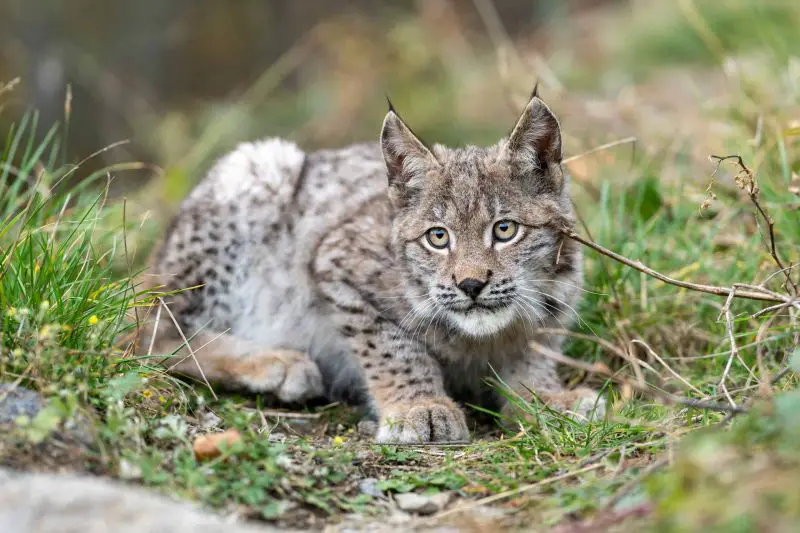
Bobcats are native to West Virginia and remain widely distributed throughout the state. They inhabit a broad range of environments shaped by Appalachian geography, including forested mountains, rocky slopes, wetlands, river valleys, and brushy farmland edges. These habitats provide the cover, prey availability, and seclusion bobcats need to thrive. Their adaptability allows them to persist even as landscapes change due to development, forestry, and agriculture.
Although traditionally associated with remote wilderness, bobcats are increasingly observed near suburban areas. Habitat fragmentation, prey availability, and their natural behavioral flexibility enable them to use mixed environments effectively. Even so, they generally avoid direct human contact, relying on wooded corridors, undeveloped parcels, and natural cover to move through populated regions.
Their daily activity patterns further reduce encounters. Bobcats are primarily nocturnal or crepuscular, meaning they hunt most actively at dawn, dusk, and during the night. This schedule helps minimize conflict with people while supporting efficient hunting.
Domestic Cats Sharing the Same Environment
Domestic cats, particularly outdoor pets and feral populations, often inhabit many of the same environments as bobcats. Rural properties, suburban neighborhoods, barns, wooded edges, and farmland frequently support both species simultaneously. This overlap sometimes leads to curiosity about whether the two interact more closely than expected.
Feral cat colonies commonly form where food sources exist, such as livestock areas, unsecured garbage, abandoned buildings, or intentional feeding sites. These cats may roam considerable distances, increasing the possibility of encounters with wildlife.
However, shared territory does not necessarily result in interaction. Behavioral avoidance, differences in habitat use, and distinct ecological roles typically maintain separation between bobcats and domestic cats.
Biological Compatibility: A Genetic Perspective
From a biological standpoint, bobcats belong to the genus Lynx, while domestic cats belong to the genus Felis. Although both are members of the broader feline family, their evolutionary divergence occurred millions of years ago. This long genetic separation creates significant reproductive barriers.
Unlike wolves and domestic dogs, which share relatively recent ancestry and can hybridize more readily, bobcats and domestic cats are not naturally compatible breeding partners. Successful hybridization would require overcoming considerable genetic and physiological differences.
Documented cases of natural crossbreeding remain extremely rare and often disputed among wildlife researchers. Most evidence suggests such events are unlikely under natural conditions.
Size Differences Create Physical Barriers
Physical size differences between bobcats and domestic cats are substantial. Adult bobcats are typically larger, more muscular, and built for hunting wild prey. Their longer legs, stronger jaws, and heavier bodies reflect adaptations for a predatory lifestyle.
These anatomical differences create mechanical challenges for successful mating. Size disparity alone significantly reduces the likelihood of viable reproduction even if individuals encounter one another.
Behavioral dominance patterns also play a role. Bobcats often perceive smaller animals, including domestic cats, as potential prey rather than potential mates.
Behavioral Barriers to Hybridization
Bobcats are solitary, territorial animals. Adults maintain defined home ranges marked by scent, scratches, and vocal signals. Encounters with unfamiliar cats often involve caution, avoidance, or defensive aggression rather than social interaction.
Domestic cats show more variable social behavior. Some live independently while others form colonies, but their communication cues and courtship signals differ from those of bobcats.
Successful mating requires compatible behavioral signals and timing. These differences greatly reduce the likelihood of crossbreeding.
Breeding Season Timing Differences
Bobcats have a distinct breeding season, typically occurring in late winter to early spring. This timing ensures kittens are born when prey becomes more abundant, increasing survival chances.
Domestic cats, especially in temperate climates like West Virginia, can breed multiple times throughout the year depending on environmental conditions and individual cycles.
This mismatch in reproductive timing reduces opportunities for synchronized mating even when both species occupy nearby areas.
Habitat Preferences Limit Interaction
Bobcats generally prefer environments with dense vegetation, natural prey populations, and limited human disturbance. Even when living near suburban areas, they typically use wooded corridors, brushy fields, or undeveloped land for movement and hunting.
Domestic cats tend to remain closer to human structures where food availability is more predictable. Barns, residential neighborhoods, and feeding stations often anchor their home ranges.
This spatial separation reduces the prolonged interaction necessary for breeding behavior.
Predation Dynamics Between Species
Bobcats are opportunistic carnivores that hunt a wide range of prey, including rodents, rabbits, birds, reptiles, and occasionally domestic cats, particularly feral individuals. This predator-prey relationship strongly discourages hybridization.
From a bobcat’s perspective, a small domestic cat is more likely to be seen as prey than as a potential mate. This dynamic significantly limits opportunities for crossbreeding.
Reports of “Hybrid Cats” Explained
Occasional sightings of unusually large or wild-looking cats sometimes lead to speculation about hybrids. In most cases, simpler explanations apply. Large feral domestic cats, specific breeds with wild appearances, or brief sightings of actual bobcats frequently cause confusion.
Natural variation in coat color, size, and behavior among domestic cats also contributes to misidentification. Genetic testing rarely confirms true bobcat-domestic cat hybrids.
Scientific Research Findings
Wildlife genetic studies consistently find little evidence of domestic cat DNA in wild bobcat populations. Most observed variation reflects environmental adaptation rather than crossbreeding.
These findings support the conclusion that hybridization between bobcats and domestic cats remains extremely rare.
Ecological Roles of Bobcats
Bobcats serve as important mid-sized predators in West Virginia ecosystems. They help regulate populations of rodents, rabbits, birds, and other small animals, contributing to balanced ecological systems across forests, farmland, and transitional landscapes.
Because hybridization appears minimal, their ecological role remains stable.
Encounters With Pets
Although hybridization is unlikely, encounters between bobcats and domestic pets sometimes occur. Small pets, especially outdoor cats, may be vulnerable to predatory encounters, particularly at night.
Keeping pets indoors, supervising outdoor activity, and securing food sources significantly reduce risk.
Urban Adaptation Without Hybridization
Increasing sightings near suburban areas sometimes fuel hybrid rumors. These sightings usually reflect habitat changes, prey availability, and bobcats’ natural adaptability rather than genetic mixing.
Many wildlife species adjust to human landscapes without hybridizing.
Seasonal Behavior Patterns
Bobcat visibility often increases during breeding season and kitten-rearing periods. Increased movement may bring them closer to residential areas, leading to more sightings.
These seasonal patterns represent natural biological cycles rather than signs of hybrid populations.
Food Sources Near Human Areas
Rodents attracted to human environments, unsecured garbage, and outdoor feeding stations may draw bobcats closer to homes. This proximity reflects opportunistic feeding behavior rather than domestication or hybridization.
Wildlife Management Perspectives
Wildlife agencies monitor bobcat populations through surveys, camera traps, and ongoing research. Current data generally show stable populations without evidence of widespread hybridization.
Management focuses on coexistence education, habitat conservation, and public awareness.
Public Perception Versus Scientific Evidence
Public perception often exaggerates hybridization risks due to anecdotal reports, social media discussions, and folklore. Scientific evidence consistently indicates such hybridization remains extremely unlikely.
Conservation Importance
Bobcats play important ecological roles in maintaining biodiversity and ecosystem balance. Protecting habitats benefits not only bobcats but many other wildlife species while reducing potential human-wildlife conflict.
How Hybridization Could Hypothetically Occur
Theoretically, hybridization would require prolonged close contact, compatible reproductive timing, behavioral acceptance, and physical compatibility. These conditions rarely align in natural settings.
Identifying True Hybrids
Definitive identification requires genetic testing. Visual observation alone cannot reliably determine hybrid status, so researchers rely on DNA analysis for accurate conclusions.
Ongoing Research Needs
Continued monitoring helps clarify long-term population dynamics. Advances in genetic technology allow more precise detection of rare hybridization events. Current evidence still indicates minimal domestic cat genetic influence in West Virginia bobcats.
FAQs About Bobcats Breeding With Domestic Cats in West Virginia
Can bobcats and domestic cats breed naturally?
It is theoretically possible because both are felines, but natural breeding is extremely unlikely due to genetic, behavioral, and physical differences.
Are bobcat–domestic cat hybrids common?
No. Confirmed cases are very rare, and many suspected hybrids turn out to be either pure bobcats or domestic cats.
Do bobcats pose a danger to domestic cats?
Sometimes. Outdoor cats, especially smaller or feral ones, may be vulnerable to predation, particularly at night.
Why do some domestic cats look like bobcats?
Large feral cats, certain breeds, and natural coat variations can resemble bobcats, leading to mistaken assumptions about hybrids.
Do bobcats live near neighborhoods in West Virginia?
Yes. They sometimes use wooded corridors, farmland edges, and suburban green spaces but generally avoid direct human contact.
Should pet owners worry about hybridization?
Hybridization is very unlikely. The main concern is preventing predatory encounters by keeping pets indoors or supervised.
How can true hybrids be confirmed?
Only genetic testing can reliably determine whether an animal has mixed ancestry.
Are bobcats protected wildlife in West Virginia?
Yes. They are native predators that play important ecological roles, so conservation and responsible coexistence are encouraged.
Final Thoughts
Bobcats in West Virginia rarely, if ever, breed with domestic cats in natural conditions. Genetic distance, behavioral differences, habitat separation, and predator-prey dynamics all act as strong barriers.
Most unusual sightings reflect natural wildlife variation rather than hybridization. Understanding these realities helps reduce unnecessary fear while promoting informed coexistence with native predators.
Protecting pets responsibly, maintaining awareness, and supporting habitat conservation remain the most effective ways to live safely alongside West Virginia’s wildlife.