
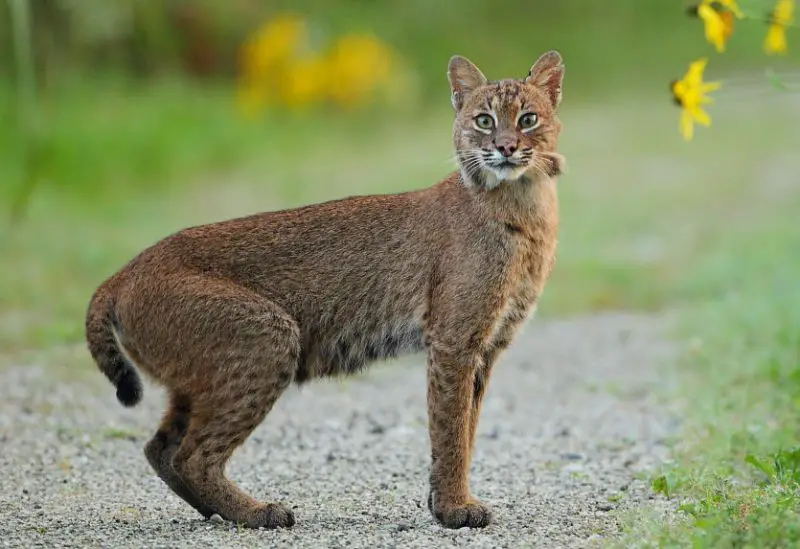
Across Kansas, wildlife encounters are becoming more common as rural land, suburbs, and natural habitats increasingly overlap. One animal that sparks curiosity — and sometimes concern — is the bobcat. These medium-sized wild felines roam prairies, wooded river corridors, agricultural edges, and even the outskirts of towns. When sightings happen near neighborhoods, a familiar question often follows: Can bobcats breed with domestic cats?
The idea sounds dramatic. Some people report seeing unusually large cats and wonder if hybrids exist. Others worry about outdoor pets interacting with wildlife. Social media posts sometimes amplify the question, blurring the line between fact and folklore.
The scientific answer is clear but nuanced. While bobcats and domestic cats belong to the broader feline family, successful breeding between them in the wild is extremely unlikely. Understanding why requires exploring genetics, behavior, habitat use, and ecological realities specific to Kansas.
This detailed guide explains the science behind the question, addresses myths, and helps homeowners understand how to safely coexist with bobcats without unnecessary fear.
Table of Contents
- 1 Bobcats in Kansas Today
- 2 Biological Differences Between Bobcats and Domestic Cats
- 3 Why Hybridization Is Highly Unlikely
- 4 Why People Sometimes Think Hybrids Exist
- 5 Actual Interactions Between Bobcats and Domestic Cats
- 6 Bobcat Behavior Around Human Areas
- 7 Seasonal Behavior Patterns
- 8 Ecological Role of Bobcats in Kansas
- 9 Safety Considerations for Homeowners
- 10 Are Bobcats Dangerous to Humans?
- 11 The Psychology Behind Hybrid Myths
- 12 Wildlife Adaptation in Modern Kansas
- 13 Conservation Perspectives
- 14 FAQs About Bobcats and Domestic Cats in Kansas
- 14.1 Can bobcats breed with domestic cats?
- 14.2 Have hybrids ever been confirmed?
- 14.3 Are bobcats attracted to domestic cats?
- 14.4 Should I worry about my outdoor cat?
- 14.5 Are bobcats aggressive toward humans?
- 14.6 How can I deter bobcats?
- 14.7 Do bobcats live in cities?
- 14.8 Are bobcats protected wildlife?
- 15 Final Thoughts
Bobcats in Kansas Today
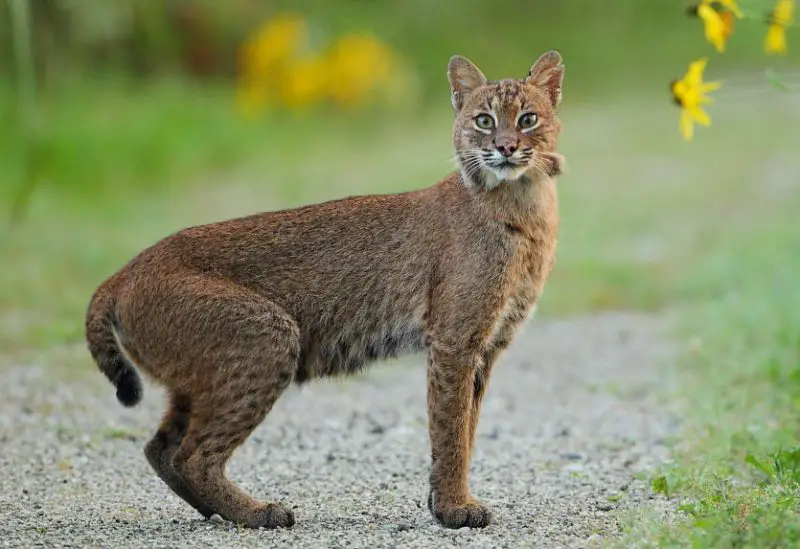
Bobcats are long-established native predators in Kansas, and their presence across the state reflects their impressive adaptability. These wild felines inhabit a wide range of environments, from tallgrass prairie and agricultural landscapes to wooded riparian corridors and even suburban edges. Their ability to adjust to changing land use has allowed them to remain a stable part of Kansas wildlife despite ongoing human development.
Unlike larger predators such as mountain lions, bobcats are medium-sized and highly elusive. Adults typically weigh between 15 and 35 pounds, though food availability, habitat quality, and genetics can influence individual size. Their spotted coats provide excellent camouflage, while their short “bobbed” tails and tufted ears give them a distinctive appearance once observers learn to recognize them.
Kansas wildlife surveys consistently indicate stable or slowly increasing bobcat populations in many regions. Conservation policies, habitat diversity, and abundant prey species contribute to their persistence. Most bobcats remain secretive and avoid direct human contact. Sightings usually occur at dawn, dusk, or nighttime when these cats are most active and human activity is lower.
Biological Differences Between Bobcats and Domestic Cats
Although bobcats and domestic cats belong to the same broader feline family, they are distinct species with significant evolutionary differences. Bobcats, scientifically known as Lynx rufus, evolved in North America as wild predators adapted to varied climates, terrain, and prey types. Domestic cats (Felis catus), by contrast, descended from African wildcats thousands of years ago through a long process of domestication alongside humans.
These separate evolutionary histories resulted in differences in genetics, reproductive biology, and behavior. Their chromosome structures are not identical, and their breeding cycles, communication signals, and social structures differ substantially. These biological differences act as natural barriers to successful interbreeding.
Even when two animals appear similar physically, genetic compatibility is not guaranteed. Many closely related species cannot produce viable offspring, and bobcats and domestic cats fall into that category under normal natural conditions.
Why Hybridization Is Highly Unlikely
Several overlapping factors make successful breeding between bobcats and domestic cats extremely unlikely in Kansas.
Genetic Incompatibility
Millions of years of separate evolution have created genetic differences that generally prevent viable offspring. While theoretical compatibility might exist at a superficial level, successful natural hybridization has not been reliably documented in North America.
Genetic barriers are often invisible but powerful. They prevent many interspecies breeding attempts from producing viable young.
Behavioral Differences
Bobcats are solitary, territorial predators. Their mating rituals, scent marking, vocalizations, and seasonal breeding behaviors differ significantly from those of domestic cats. Domestic cats, particularly pets, may lack the instinctive signals that wild bobcats recognize.
These mismatched behaviors reduce the likelihood of mating attempts.
Size and Physical Differences
Bobcats are typically larger, more muscular, and physically adapted for hunting wild prey. Domestic cats vary widely in size but are usually smaller. These physical differences further complicate potential breeding interactions.
Habitat Separation
Bobcats generally avoid human-dominated environments during daylight hours, while domestic cats remain closely tied to homes and urban areas. Limited habitat overlap reduces opportunities for sustained interaction necessary for breeding.
Taken together, these biological and ecological factors create strong natural barriers.
Why People Sometimes Think Hybrids Exist
Despite scientific evidence, reports of possible bobcat-domestic cat hybrids continue to circulate. Several common explanations account for this perception.
Misidentification
Certain domestic breeds, especially large long-haired cats or feral cats with muscular builds, can resemble small bobcats at a glance. Features such as tufted ears, spotted coats, or short tails can appear similar without indicating hybrid ancestry.
Brief sightings in low light conditions increase the likelihood of misidentification.
Juvenile Bobcats
Young bobcats sometimes wander into suburban areas while dispersing from their birthplace. Their smaller size can make them appear similar to large domestic cats, especially from a distance.
Natural Coat Variation
Domestic cats exhibit enormous variation in coat patterns, colors, and body shapes. Spotted tabbies, polydactyl cats, or cats with ear tufts may look unusually “wild” even without any bobcat ancestry.
Internet Amplification
Social media posts featuring unusual cats often spread quickly. Dramatic interpretations gain attention even without scientific verification. Repetition reinforces belief.
Human perception tends to favor compelling narratives over nuanced biological explanations.
Actual Interactions Between Bobcats and Domestic Cats
Although breeding is unlikely, interactions between bobcats and domestic cats can occur, particularly in rural or semi-rural Kansas areas.
In most cases, bobcats view small pets primarily as potential prey rather than mating partners. Hunting instincts drive these interactions, especially during periods of food scarcity or when young bobcats are learning to hunt.
Outdoor cats are most vulnerable at night when bobcats are actively hunting. Keeping pets indoors during evening and nighttime hours greatly reduces risk.
Bobcats generally avoid confrontation unless they feel threatened, cornered, or responsible for protecting young.
Understanding the predatory nature of these interactions helps owners take appropriate precautions.
Bobcat Behavior Around Human Areas
Bobcats have adapted remarkably well to landscapes influenced by agriculture and suburban development. They often travel along brushy fence lines, creek corridors, wooded patches, and field edges. These areas provide cover while supporting prey populations such as rabbits, rodents, and birds.
Urban expansion sometimes creates new hunting opportunities rather than eliminating habitat. Suburban green spaces, drainage systems, and conservation areas function as wildlife corridors.
Despite occasional sightings, bobcats remain extremely stealthy. Many individuals live near human communities without ever being seen. Their survival strategy relies on camouflage, quiet movement, and avoiding direct interaction.
Seasonal Behavior Patterns
Bobcat behavior varies seasonally in ways that influence visibility but not hybridization likelihood.
Late winter marks breeding season, leading to increased movement as individuals search for mates. Spring brings kitten rearing, making females cautious yet sometimes more visible while hunting for food.
Summer focuses on feeding growing young, often keeping adults within established territories. Fall sees juvenile dispersal as young bobcats establish new home ranges, occasionally leading to suburban sightings.
These seasonal shifts explain fluctuations in sightings rather than changes in breeding compatibility.
Ecological Role of Bobcats in Kansas
Bobcats play a crucial ecological role as mid-level predators. They help regulate populations of rodents, rabbits, and other small mammals. By controlling prey numbers, they indirectly influence vegetation health and agricultural pest management.
Predators contribute to ecosystem balance by shaping prey behavior as well as numbers. The presence of bobcats can reduce overgrazing pressure and support biodiversity stability.
Healthy predator populations often benefit agricultural systems by limiting pest species naturally.
Safety Considerations for Homeowners
Although bobcats rarely threaten humans, sensible precautions help reduce conflicts.
Keeping small pets indoors at night significantly lowers predation risk. Removing food attractants such as unsecured garbage or outdoor pet food discourages wildlife visits.
Maintaining clear visibility around homes by trimming dense vegetation reduces hiding opportunities. Motion lighting can deter nocturnal wildlife activity.
Educating children about observing wildlife from a distance promotes safe coexistence.
These measures protect both pets and wildlife.
Are Bobcats Dangerous to Humans?
Bobcat attacks on humans are extremely rare. These animals prefer avoidance over confrontation. Most encounters involve brief glimpses as the animal retreats into cover.
Exceptions may occur if an animal is diseased, injured, or severely food stressed, but such cases are uncommon. Respectful distance and calm behavior minimize risk.
Understanding their natural shyness helps reduce unnecessary fear.
The Psychology Behind Hybrid Myths
Human curiosity about wildlife often produces speculation. Unusual sightings capture attention, and dramatic interpretations spread easily. Fear amplifies perception, while repeated storytelling can transform uncertain observations into accepted local lore.
Scientific explanations sometimes lack the emotional impact of dramatic stories, making myths persistent even when evidence contradicts them.
Education helps balance curiosity with accurate understanding.
Wildlife Adaptation in Modern Kansas
Kansas landscapes are constantly evolving. Agriculture, suburban development, conservation lands, and native prairie ecosystems coexist in a shifting mosaic. Adaptable species like bobcats thrive in edge habitats where different land uses intersect.
Their ability to use fragmented landscapes explains increased sightings without indicating increased danger or hybridization.
Wildlife and humans now share space more closely than in the past. Awareness and adaptation benefit both.
Conservation Perspectives
Bobcats represent a conservation success story in many parts of North America. Responsible wildlife management, regulated hunting practices, and habitat conservation have allowed populations to remain stable.
Public education plays an important role in maintaining coexistence. Understanding predator behavior reduces fear and supports balanced conservation policies.
When people recognize bobcats as valuable ecosystem components rather than threats, coexistence becomes easier.
FAQs About Bobcats and Domestic Cats in Kansas
Can bobcats breed with domestic cats?
Scientifically, it is extremely unlikely. Genetic differences prevent successful reproduction in natural conditions.
Have hybrids ever been confirmed?
No widely accepted scientific confirmation exists.
Are bobcats attracted to domestic cats?
More often as potential prey than mates.
Should I worry about my outdoor cat?
Outdoor cats face greater risk from predators including bobcats.
Are bobcats aggressive toward humans?
Rarely. They typically avoid people.
How can I deter bobcats?
Remove attractants, supervise pets, and maintain yard visibility.
Do bobcats live in cities?
Occasionally on urban edges where habitat allows.
Are bobcats protected wildlife?
Regulations vary; local wildlife agencies provide guidance.
Final Thoughts
The idea of bobcats breeding with domestic cats in Kansas captures public imagination, but scientific evidence strongly suggests it rarely — if ever — happens. Genetic incompatibility, behavioral differences, habitat separation, and natural instincts all limit the possibility.
Bobcats remain important native predators contributing to ecological balance. Their increasing visibility reflects habitat overlap and adaptation rather than hybridization.
Understanding their biology helps replace speculation with knowledge. With simple precautions, people and wildlife can share Kansas landscapes safely.
Coexistence, informed by science rather than myth, benefits both.