
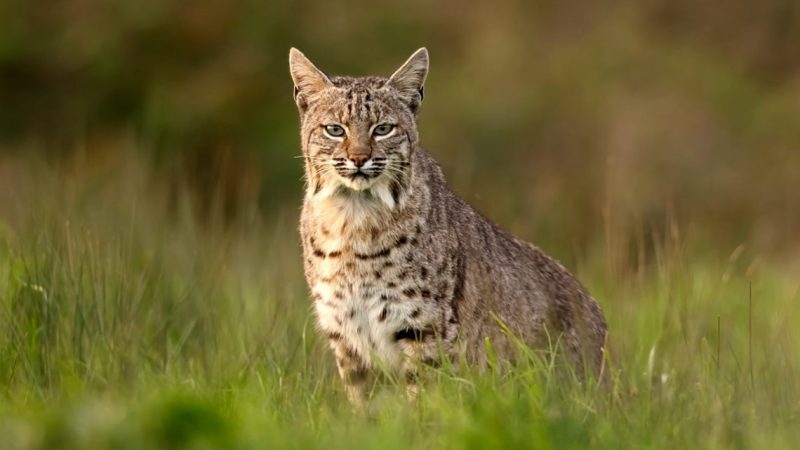
Bobcats have quietly reestablished themselves across many parts of Iowa over the past few decades. Their return has sparked curiosity among residents, especially those who live near forests, farmland edges, or river corridors where wildlife activity is more noticeable. One question comes up repeatedly. Can bobcats mate with domestic cats, or are stories about hybrids simply myths?
Understanding the answer requires looking at biology, behavior, habitat overlap, and ecology. While encounters between wild and domestic cats can happen, successful breeding involves far more than proximity. Science offers a clear picture once these factors are examined carefully.
This article explores the reality behind bobcats in Iowa, how domestic cats behave outdoors, whether hybridization is biologically possible, and what risks or misconceptions homeowners should understand.
Table of Contents
- 1 Bobcats in Iowa Today
- 2 Understanding Domestic Cat Behavior Outdoors
- 3 Genetic Compatibility Between Bobcats and Domestic Cats
- 4 Behavioral Barriers to Hybridization
- 5 Differences in Breeding Cycles
- 6 Habitat Separation in Iowa
- 7 Public Perception Versus Scientific Evidence
- 8 Real Risks to Domestic Cats
- 9 Ecological Role of Bobcats in Iowa
- 10 How Bobcats Avoid Humans
- 11 Responsible Pet Ownership in Bobcat Territory
- 12 Why Hybrid Stories Persist
- 13 Wildlife Management Perspective in Iowa
- 14 Human Development and Wildlife Interaction
- 15 Future Outlook for Bobcats in Iowa
- 16 FAQs About Bobcats in Iowa and Domestic Cat Interactions
- 16.1 Can bobcats and domestic cats actually breed?
- 16.2 Has a bobcat domestic cat hybrid ever been confirmed?
- 16.3 Are domestic cats in danger from bobcats?
- 16.4 Why do people think hybrids exist?
- 16.5 Do bobcats come into towns in Iowa?
- 16.6 What should I do if I see a bobcat?
- 16.7 Are bobcats aggressive toward humans?
- 16.8 How can I protect outdoor pets?
- 16.9 Do bobcats help the ecosystem?
- 16.10 Will bobcat populations continue growing in Iowa?
- 17 Final Thoughts
Bobcats in Iowa Today
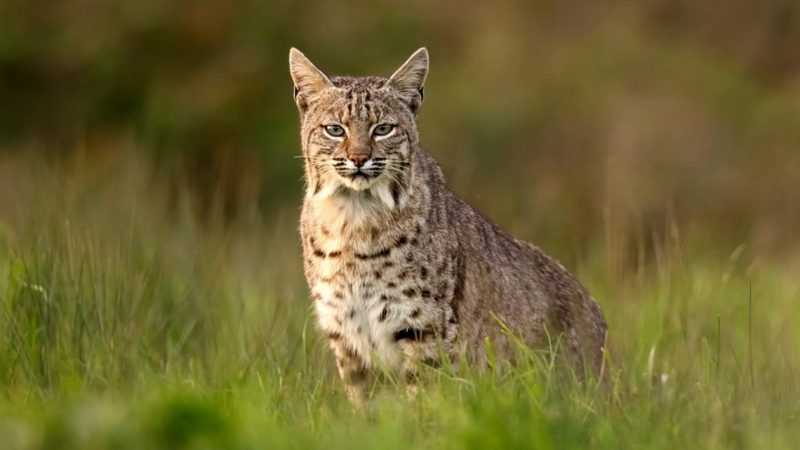
Bobcat populations in Iowa experienced a significant decline during the late nineteenth and early twentieth centuries. Habitat conversion for agriculture, deforestation, and hunting pressure reduced their numbers dramatically. As farming expanded and natural cover disappeared, suitable habitat became fragmented, limiting their ability to maintain stable populations. For many years, sightings were uncommon, and some residents assumed bobcats had largely disappeared from the state.
Over recent decades, however, conservation awareness, improved wildlife management, and gradual forest regrowth have supported a steady recovery. River corridors, restored woodlands, brushy agricultural edges, and protected natural areas now provide enough habitat for bobcats to reestablish themselves. Today they are considered established residents across much of Iowa, particularly in southern counties, eastern forested regions, and areas surrounding major waterways. Their comeback reflects both ecological resilience and changing land-use patterns that allow wildlife to coexist alongside agriculture.
Bobcats favor habitats that combine concealment with reliable prey access. Wooded river valleys, prairie transition zones, wetland edges, brush-filled hillsides, and lightly developed rural landscapes offer ideal conditions. Even heavily farmed regions can support them when patches of natural vegetation remain. Their flexible hunting behavior allows them to exploit rabbits, rodents, birds, and other small animals common in agricultural environments, helping them persist in landscapes shaped by human activity.
Despite their increasing numbers, bobcats remain elusive predators. They are primarily crepuscular and nocturnal, meaning they are most active around dawn, dusk, and nighttime hours. Many residents unknowingly live near them for years without direct sightings. Evidence of their presence often comes from trail camera photos, tracks in snow or mud, or brief roadside glimpses rather than sustained observation. This secretive nature reduces conflict while fostering curiosity about their behavior.
Occasionally, their quiet presence sparks questions about interactions with domestic animals. Reports of missing pets or unusual wildlife sightings sometimes lead to speculation about possible encounters between bobcats and domestic cats. While such encounters can occur in shared habitats, they rarely involve social interaction, and understanding the ecological context helps clarify realistic expectations.
Understanding Domestic Cat Behavior Outdoors
Domestic cats display a wide range of outdoor behaviors depending on upbringing, environment, and human influence. Some remain strictly indoors, relying entirely on human-provided food and shelter. Others roam freely outdoors, particularly in rural or suburban areas, while some gradually become semi-feral. These outdoor cats often hunt rodents, birds, reptiles, and insects, placing them within ecological niches similar to those used by native predators like bobcats.
However, domestic cats differ fundamentally from wild felines in survival strategy. Many rely on predictable feeding schedules and safe shelter near homes, reducing the need for cautious territorial behavior. Their awareness of larger predators may also be limited compared with wildcats that evolved under constant environmental pressure. These differences shape how domestic cats respond when sharing landscapes with native wildlife.
Social tolerance represents another distinction. Domestic cats can sometimes tolerate proximity to other cats, especially in managed colonies or urban environments. Bobcats, by contrast, are solitary animals that maintain territories primarily for hunting efficiency and breeding access. Territorial instincts often discourage close contact with unfamiliar animals, including domestic cats, reducing opportunities for sustained interaction.
Activity patterns also differ. Domestic cats frequently adjust their schedules around human routines, feeding times, or household activity. Bobcats follow natural prey cycles, often hunting during low-light periods. Even when both species occupy nearby areas, these differing rhythms reduce direct encounters.
Habitat overlap alone does not imply potential mating behavior. More often, it simply reflects both species exploiting similar prey resources or landscape features independently. Understanding these behavioral differences helps clarify why coexistence does not necessarily lead to hybridization.
Genetic Compatibility Between Bobcats and Domestic Cats
From a biological perspective, bobcats and domestic cats belong to different evolutionary lineages within the feline family. Bobcats are classified as Lynx rufus, while domestic cats fall under Felis catus. This distinction reflects millions of years of evolutionary divergence, resulting in substantial genetic differences that act as natural reproductive barriers.
Hybridization in mammals typically occurs between closely related species within the same genus. Lions and tigers, for example, both belong to the genus Panthera, which allows rare hybrid offspring under controlled conditions. Bobcats and domestic cats do not share such close genetic proximity. Their evolutionary separation significantly reduces the likelihood of viable interbreeding.
Because of this genetic distance, several important factors come into play. Viable offspring would be extremely unlikely even if mating attempts occurred. Successful reproduction has not been scientifically verified through genetic analysis. Stable hybrid populations have never been documented in the wild. These conclusions come from wildlife genetics research and ongoing monitoring across North America.
Occasional anecdotal reports of hybrids surface periodically, often based on unusual coat patterns, body size variation, or brief wildlife sightings. However, genetic testing usually identifies these animals as either domestic cats with distinctive markings or normal bobcats observed under unusual conditions. Misidentification remains the most common explanation.
Genetic incompatibility therefore represents one of the strongest barriers to interbreeding. Even when habitats overlap and behavioral encounters occur, biological separation maintains species boundaries effectively.
Behavioral Barriers to Hybridization
Behavioral differences provide another significant obstacle. Bobcats are strongly territorial and solitary, relying on scent marking, vocalizations, and seasonal courtship signals to identify appropriate mates. These communication methods evolved specifically for interactions within their own species. Domestic cats may not recognize or respond appropriately to these signals.
Bobcats also tend to interpret smaller animals as potential prey rather than social partners. Size differences reinforce this dynamic. Adult bobcats typically outweigh domestic cats and possess stronger musculature, sharper hunting instincts, and more cautious behavioral patterns. These traits favor predator-prey interactions rather than mating opportunities.
Domestic cats, meanwhile, often exhibit more variable social behavior shaped by human domestication. Some may display curiosity toward unfamiliar animals, while others avoid them entirely. This unpredictability contrasts with the consistent territorial responses of wild bobcats.
Even in overlapping habitats, these behavioral differences discourage prolonged interaction. Avoidance, defensive posturing, or predatory instincts usually dominate encounters. Consequently, behavior alone substantially limits hybridization likelihood, independent of genetic factors.
Differences in Breeding Cycles
Reproductive timing adds another natural barrier. Bobcats breed seasonally, typically in late winter. This timing ensures kittens are born during spring, when prey populations increase and environmental conditions favor survival. Seasonal breeding aligns closely with ecological cycles.
Domestic cats differ significantly. They can enter estrus multiple times throughout the year, particularly when food availability and shelter remain stable. Indoor or well-fed outdoor cats may show reproductive cycles unrelated to seasonal prey dynamics.
This mismatch creates several challenges. Fertility periods rarely align precisely between species. Courtship signals may occur when the other species is not reproductively receptive. Even when individuals encounter each other, reproductive timing may not support successful mating.
Seasonal ecology therefore reinforces reproductive separation. The synchronization required for hybridization rarely occurs naturally.
Habitat Separation in Iowa
Habitat preferences further reduce interaction potential. Bobcats generally select environments that provide concealment, hunting opportunities, and minimal human disturbance. Wooded corridors, brushy hillsides, prairie transition zones, wetland edges, and remote farmland margins offer ideal conditions.
Domestic cats typically remain closer to human structures where food, shelter, and warmth are readily available. Barns, residential neighborhoods, suburban yards, and farm buildings provide predictable resources that reduce the need for extensive roaming. Even feral cats often cluster near human-associated environments.
Overlap can occur at rural edges, particularly where farmland meets forest or wetland habitat. However, sustained interaction sufficient for mating remains uncommon. Habitat separation naturally maintains species distinction while allowing both animals to coexist in broader landscapes.
Public Perception Versus Scientific Evidence
Stories about wild domestic cat hybrids circulate widely, fueled by curiosity, folklore, and occasional unusual sightings. Larger-than-average feral cats, distinctive coat patterns, or fleeting wildlife encounters sometimes spark speculation about hybrid ancestry.
Scientific research consistently finds no confirmed bobcat domestic cat hybrids in Iowa or elsewhere. Wildlife genetics studies rely on DNA testing, which provides definitive identification. Most suspected hybrids ultimately prove to be either domestic cats or bobcats exhibiting natural variation.
Several factors contribute to persistent myths. Brief sightings can distort perception of size or markings. Lighting conditions may exaggerate features. Natural variation within domestic cats can mimic wild traits. Human fascination with hybrid animals also encourages speculation.
Education helps replace anecdote with evidence. Accurate information supports realistic understanding of wildlife biology and reduces unnecessary concern.
Real Risks to Domestic Cats
While hybridization remains unlikely, predation represents a more realistic issue. Bobcats are opportunistic predators capable of hunting small mammals, including domestic cats, particularly in rural or wooded environments. This behavior reflects natural feeding ecology rather than aggression.
Risk varies with habitat, prey availability, and seasonal conditions. During winter scarcity, breeding season demands, habitat disturbance, or drought, predators may expand hunting ranges. Domestic cats roaming unsupervised in such areas face increased vulnerability.
Keeping cats indoors significantly reduces risk. Supervised outdoor time, secure enclosures, and avoidance of nighttime roaming further enhance safety. Responsible pet ownership addresses practical concerns more effectively than focusing on hybridization fears.
Ecological Role of Bobcats in Iowa
Bobcats serve an important ecological function as mid-sized predators. They help regulate populations of rabbits, rodents, ground-nesting birds, and other small mammals. This predatory role contributes to balanced ecosystems and biodiversity maintenance.
Their presence can benefit agricultural landscapes by controlling rodent populations that damage crops. Healthy predator populations often indicate functioning ecosystems with stable prey dynamics.
Understanding this ecological role encourages balanced coexistence rather than unnecessary fear. Bobcats contribute positively to environmental health across Iowa.
How Bobcats Avoid Humans
Bobcats naturally avoid human interaction. Camouflage, stealth movement, and nocturnal habits help them remain undetected. Most encounters occur accidentally, often when humans enter natural habitats unexpectedly.
Simple measures help maintain separation. Securing garbage, avoiding outdoor pet food, reducing rodent attractants, and preserving natural habitat buffers discourage wildlife from approaching residential areas.
Wildlife generally prefers avoidance over confrontation. Awareness supports coexistence effectively.
Responsible Pet Ownership in Bobcat Territory
Practical steps reduce potential conflict significantly. Keeping cats indoors offers the greatest protection. Supervising outdoor time during low-light hours, using enclosed outdoor spaces, and avoiding food attractants all reduce risk.
Maintaining clean yards, securing waste, and controlling rodents also discourage predator interest. These measures protect pets while respecting native wildlife.
Responsible ownership promotes safe coexistence.
Why Hybrid Stories Persist
Hybrid myths persist largely because they capture imagination. Humans are naturally intrigued by the idea of wild and domestic boundaries blurring. Media amplification, folklore, and social storytelling reinforce these narratives.
Scientific evidence, however, consistently shows hybridization between bobcats and domestic cats to be extremely unlikely. Accurate information helps reduce unnecessary fear and supports informed wildlife awareness.
Wildlife Management Perspective in Iowa
Wildlife agencies prioritize habitat conservation, population monitoring, and conflict reduction. Hybridization concerns rarely influence management policy because confirmed cases remain absent.
Monitoring methods include camera trap surveys, genetic sampling, public sighting reports, and habitat assessments. Science guides policy decisions, ensuring balanced approaches that support ecosystems while addressing public concerns.
Human Development and Wildlife Interaction
Expanding suburbs, agricultural change, and recreational development increase occasional wildlife encounters. River systems, wooded corridors, and transitional landscapes create shared spaces where bobcats and domestic animals may cross paths.
However, increased sightings do not necessarily indicate population growth or hybridization risk. Visibility often reflects landscape changes, improved monitoring technology, or increased public awareness.
Understanding this distinction prevents unnecessary alarm.
Future Outlook for Bobcats in Iowa
Bobcats are expected to remain a stable component of Iowa ecosystems. Their adaptability allows survival despite agricultural landscapes, urban expansion, climate variability, and shifting prey availability.
Hybridization with domestic cats is expected to remain extremely unlikely due to strong genetic, behavioral, ecological, and seasonal barriers. Continued research and monitoring will refine understanding of population trends and habitat dynamics.
Science provides reassurance as well as insight.
FAQs About Bobcats in Iowa and Domestic Cat Interactions
Can bobcats and domestic cats actually breed?
Scientific evidence suggests this is extremely unlikely. Genetic, behavioral, and ecological barriers prevent successful hybridization.
Has a bobcat domestic cat hybrid ever been confirmed?
No verified cases exist. Most suspected hybrids turn out to be misidentified domestic cats or bobcats.
Are domestic cats in danger from bobcats?
Predation risk exists, especially in rural areas. Keeping cats indoors greatly reduces risk.
Why do people think hybrids exist?
Unusual sightings, coat patterns, and folklore often lead to speculation without scientific confirmation.
Do bobcats come into towns in Iowa?
They sometimes pass through suburban edges, but they generally avoid sustained human contact.
What should I do if I see a bobcat?
Remain calm, give it space, and avoid approaching. Most bobcats retreat quickly.
Are bobcats aggressive toward humans?
Attacks are extremely rare. Bobcats typically avoid people.
How can I protect outdoor pets?
Supervise them outdoors, avoid nighttime roaming, and remove attractants like food or garbage.
Do bobcats help the ecosystem?
Yes. They control rodent and rabbit populations, supporting ecological balance.
Will bobcat populations continue growing in Iowa?
Populations appear stable in many regions. Ongoing monitoring helps track future trends.
Final Thoughts
Bobcats are now a natural part of Iowa’s wildlife landscape, quietly occupying forests, farmland edges, and river corridors. Although biological compatibility might seem possible at first glance, strong genetic, behavioral, and ecological barriers make mating with domestic cats extremely unlikely.
For most residents, the practical focus should remain on responsible pet care rather than fears of hybridization. Understanding how bobcats behave encourages safe coexistence while supporting healthy ecosystems.