
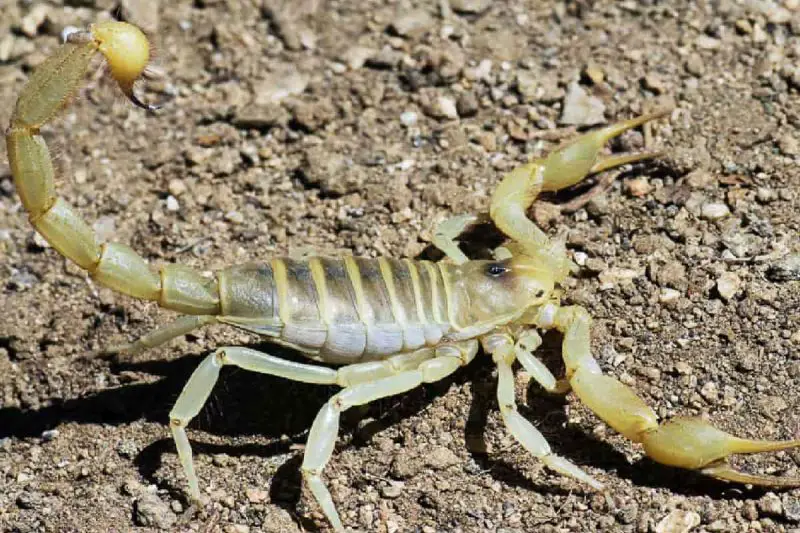
Nevada is famous for scorching deserts, wide-open landscapes, rocky mountains, and a surprising amount of hidden wildlife that many residents never truly notice until a close encounter happens. Among the creatures that quietly share this environment with people, few spark as much fear, fascination, and curiosity as the desert hairy scorpion.
At first glance, most people expect scorpions to be small, quick, and easily overlooked. But the desert hairy scorpion does not fit that stereotype at all. It is bigger than most people expect, stronger than many realize, and absolutely capable of delivering a painful sting that deserves serious respect.
Many Nevada residents see them for the first time near a porch, along a wall, in rocky areas, or crawling across desert ground at night. The sight alone is unforgettable. Thick body. Large pincers. Long, intimidating tail armed with a stinger. And surprisingly confident movement, as if it fully understands that desert life belongs to it as much as it belongs to anyone else.
This detailed guide explains everything Nevada residents should know about the desert hairy scorpion. What it is. Where it lives. Why it grows so large. How dangerous it truly is. What happens if it stings. How to reduce encounters around homes. And how to coexist safely with one of the desert’s boldest predators.
Table of Contents
- 1 What Exactly Is the Desert Hairy Scorpion?
- 2 Where Do Desert Hairy Scorpions Live in Nevada?
- 3 Why Desert Hairy Scorpions Grow So Large
- 4 What Do Desert Hairy Scorpions Eat?
- 5 Are Desert Hairy Scorpions Really Dangerous?
- 6 How Painful Is the Sting?
- 7 Can a Desert Hairy Scorpion Kill a Person?
- 8 Nevada Residents Most Often Get Stung When”¦
- 9 How To Tell the Desert Hairy Scorpion Apart From Others
- 10 Do Desert Hairy Scorpions Invade Nevada Homes?
- 11 Are Pets Safe Around Them?
- 12 Where Nevada Residents Most Often See Them
- 13 When Desert Hairy Scorpions Are Most Active
- 14 Why They Deserve Respect, Not Panic
- 15 How To Reduce Scorpion Encounters Around Nevada Homes
- 16 What To Do If You See One
- 17 Why Nevada Residents Often Feel Shocked When They See One
- 18 Common Myths Nevada Residents Should Ignore
- 19 The Role Desert Hairy Scorpions Play in Nevada Ecosystems
- 20 The Reality Nevada Residents Should Accept
- 21 FAQs About Desert Hairy Scorpions in Nevada
- 22 Final Thoughts
What Exactly Is the Desert Hairy Scorpion?
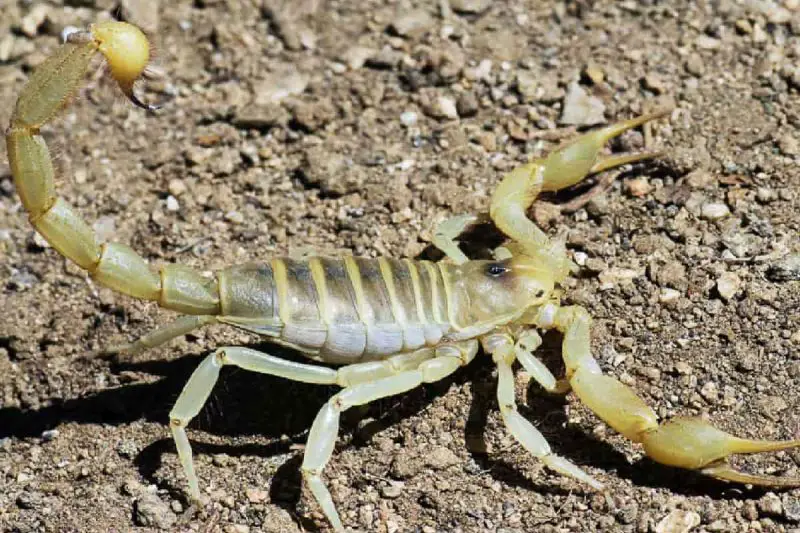
The desert hairy scorpion, scientifically known as Hadrurus arizonensis, is the largest scorpion species in North America. That alone makes it stand out from the rest. While many scorpions stay small, this one proudly grows big, built like a tank and fully designed for desert survival.
Adults commonly reach 4 to 6 inches in length. Some grow even larger. Their bodies are thick, muscular, and intimidating. Their pincers are strong and powerful. Their tails are long, segmented, and end with a serious stinger capable of injecting venom.
They get their name from the noticeable sensory hairs covering their body. These hairs help them detect vibrations, changes in air movement, approaching prey, or nearby threats. In the desert, survival often depends on perception, and this scorpion is incredibly aware of its environment.
Color typically ranges from pale yellow to tan, often with darker backs. This coloration blends extremely well with Nevada desert soil, making them hard to see until they are already extremely close — which is part of why encounters surprise people so easily.
Where Do Desert Hairy Scorpions Live in Nevada?
Nevada is practically perfect habitat for them. Dry climate. Rocky terrain. Loose sandy soil. Abundant cracks, burrows, and hiding spots. Sparse vegetation mixed with rugged desert structures. Everything aligns beautifully for scorpion life.
They are commonly found in:
• deserts and rocky plains
• dry washes
• canyon areas
• desert neighborhoods
• yards near open land
• under rocks and debris
• along walls and foundations
• near outbuildings and sheds
They prefer hiding during the day to escape extreme heat. They spend daytime in burrows, under rocks, or inside cracks. At night, when temperatures drop and moisture rises slightly, they come out to hunt, explore, and patrol their territory.
Anyone walking at night in desert environments — especially with sandals or no shoes — risks surprising one. That is rarely a pleasant introduction.
Why Desert Hairy Scorpions Grow So Large
People often ask why this particular scorpion is so big compared to others in Nevada. The answer comes down to evolution, survival capability, and food availability.
A large body provides:
• better strength
• stronger pincers for overpowering prey
• greater venom capacity
• improved moisture storage
• better heat tolerance
• protection against predators
In the desert, size truly delivers an advantage. Their bodies are adapted to hold water more efficiently. Their exoskeleton helps lock in moisture. Their bulk makes them incredibly durable. Among desert creatures, toughness means survival — and this scorpion stands at the top of that rule.
What Do Desert Hairy Scorpions Eat?
They are skilled nighttime predators. Their sensory hairs pick up vibrations and movement, allowing them to locate prey even in darkness. They commonly hunt:
• insects
• crickets
• beetles
• spiders
• smaller scorpions
• sometimes small lizards
Instead of relying only on venom, desert hairy scorpions frequently use their powerful pincers to crush and overpower prey. Their venom assists in immobilizing prey when needed, but their physical strength alone is often enough.
They play a real role in controlling insect populations in Nevada deserts and neighborhoods. That makes them ecologically important even if they feel frightening.
Are Desert Hairy Scorpions Really Dangerous?
Yes and no — and understanding this balance matters.
They are absolutely dangerous if disrespected. Their sting is painful. Their venom is medically significant. Their size allows them to defend themselves brutally if threatened. But for most healthy adults, their sting is rarely life-threatening.
Still, danger is not only about death risk. It is also about:
• pain
• swelling
• possible allergic reaction
• potential systemic reaction
• infection risk
• complications for certain individuals
So yes, the desert hairy scorpion is genuinely dangerous enough that every Nevada resident should treat it seriously. It is not something to pick up. Not something to play with. Not something to step on with bare feet. Respect is essential.
How Painful Is the Sting?
People who have experienced it often describe the sting as:
• burning
• electric shock-like
• sharp stabbing pain
• throbbing
• lingering soreness
Pain can radiate beyond the sting site. Swelling frequently occurs. Redness, warmth, and itching may follow. For some, the pain subsides within hours. For others, soreness lingers for days.
Children, elderly individuals, and people with underlying health conditions may experience more severe effects. Anyone allergic to venom or stings faces higher danger. Pets also face serious risk and may react strongly.
Can a Desert Hairy Scorpion Kill a Person?
Fatalities are extremely rare, especially with modern medical care. However, “rare” does not mean “impossible.” Severe reactions can happen. Allergic shock, breathing difficulty, or intense systemic responses require medical attention.
The risk becomes much higher for:
• babies
• young children
• elderly individuals
• individuals with known allergies
• people with compromised immune systems
• people stung multiple times
Treat the sting seriously. Never assume it is harmless.
Nevada Residents Most Often Get Stung When”¦
Most stings occur because of unexpected contact, not deliberate attacks. Common situations include:
• walking barefoot outside at night
• reaching under rocks or objects without checking
• stepping into shoes left outdoors
• accidentally sitting or leaning on one
• handling them out of curiosity
• accidentally trapping them in bedding or clothing
Scorpions do not chase humans. They defend when threatened, trapped, stepped on, or pressed against the skin. Avoiding careless contact dramatically reduces sting risk.
How To Tell the Desert Hairy Scorpion Apart From Others
Nevada hosts multiple scorpion species, but this one stands out. Key identifying traits include:
• very large size
• yellow-tan body
• thick, strong build
• distinct hairy texture
• darker top compared to legs
• muscular pincers
They do not blend in as easily as small species once spotted. That size alone makes them unforgettable.
Do Desert Hairy Scorpions Invade Nevada Homes?
They can. Although they prefer the outdoors, they occasionally wander indoors searching for cooler temperatures, moisture, or insects. Entry often happens through:
• foundation gaps
• door cracks
• garage spaces
• poorly sealed windows
• under door frames
Homeowners sometimes encounter them in bathrooms, kitchens, garages, or basements — usually at night. Finding one indoors can be a shock few people forget.
Are Pets Safe Around Them?
Dogs and cats absolutely can be stung. Curious animals often sniff, paw, or attempt to play with them. The result is instant regret and sometimes veterinary emergencies.
Pets may experience:
• severe pain
• swelling
• panic reactions
• difficulty walking
• possible breathing issues
Veterinary care may be necessary if symptoms look severe. Treat scorpions as a very real threat to family pets.
Where Nevada Residents Most Often See Them
Encounters commonly happen:
• around desert neighborhoods
• along walls
• near landscaping rocks
• in desert hiking areas
• near garages
• along fences
• in RV areas
• in rural desert yards
They stay loyal to shelter and movement routes. Learning their patterns helps avoid surprise encounters.
When Desert Hairy Scorpions Are Most Active
They are nocturnal. Night belongs to them. They hide by day and emerge after dark. Summer heat increases movement. Warm evenings often bring the highest visibility.
Using UV blacklights at night reveals them instantly. Their bodies glow neon green under UV light, which is how many Nevada residents check yards before evening outdoor activities.
Why They Deserve Respect, Not Panic
Fear makes people behave recklessly. Panic leads to sudden movements, stepping mistakes, or attempts to crush scorpions bare-handed. None of those reactions help.
Desert hairy scorpions:
• are natural predators
• help control insects
• are part of Nevada’s ecosystem
• do not actively hunt humans
• defend when threatened
Respect creates safety. Recklessness creates injury. Balance matters.
How To Reduce Scorpion Encounters Around Nevada Homes
Total elimination is impossible in desert environments, but you can reduce risk dramatically. Here are practical numbered steps that truly help:
-
Seal cracks, gaps, and foundation openings around your home.
-
Keep yards free of unnecessary woodpiles, debris, and rock stacks where they hide.
-
Use weather stripping and door sweeps to block entry points.
-
Shake out shoes, clothing, and bedding if stored near floors or outdoors.
-
Use outdoor lighting carefully. Lights attract insects, which attract scorpions.
Regular awareness reduces surprises.
What To Do If You See One
Avoid touching it. Do not try to crush it barefoot or with your hand. Keep distance. If it is inside your home, carefully trap it using a container and call pest control if needed. Outdoors, simply walking away is usually the smartest plan.
Scorpions do not want to fight. They simply want to survive. Giving space prevents problems.
Why Nevada Residents Often Feel Shocked When They See One
Three things cause immediate surprise:
• Its size — much bigger than expected
• Its confidence — it does not panic easily
• Its reputation — scorpions always sound scary
The desert hairy scorpion looks like something straight out of a wildlife documentary. Seeing one in a backyard or driveway creates a surreal moment. But shock does not need to become fear if residents understand reality.
Common Myths Nevada Residents Should Ignore
Myth: They aggressively hunt humans.
Truth: They defend themselves only when threatened.
Myth: All scorpion stings are deadly.
Truth: Painful and serious, but rarely fatal with care.
Myth: Killing every scorpion is necessary.
Truth: Smart prevention and awareness matter more.
Knowledge replaces panic with understanding.
The Role Desert Hairy Scorpions Play in Nevada Ecosystems
They control pest populations. They help regulate insect communities. They participate naturally in food webs. Removing them completely would disrupt desert balance.
Nature designs desert animals with purpose. This scorpion is one of the desert’s most effective predators for a reason.
The Reality Nevada Residents Should Accept
Desert hairy scorpions live here. They are not temporary. They are not rare surprises. They are part of Nevada’s identity, built uniquely for harsh lands and rugged climates.
They are bigger than expected.
They are more powerful than most imagine.
They are dangerous enough to demand respect.
But they are also predictable, avoidable, and manageable with awareness. Nevada residents can live safely alongside them with the right understanding, cautious habits, and realistic expectations.
FAQs About Desert Hairy Scorpions in Nevada
Are desert hairy scorpions common in Nevada?
Yes, they are widespread in desert regions and residential desert communities.
How big do they get?
They commonly reach 4 to 6 inches, making them the largest scorpion in North America.
Are they deadly?
Rarely fatal, but stings are painful and potentially dangerous, especially for children, elderly individuals, or allergic people.
Do they come into houses?
Sometimes, especially through gaps and poorly sealed entry points.
Are pets at risk?
Yes. Dogs and cats can be stung and may need veterinary care.
Do they attack people?
No. They sting only when threatened or trapped.
Can you control them around homes?
Yes. Sealing entry points, reducing hiding spaces, and maintaining yards help significantly.
Final Thoughts
The desert hairy scorpion in Nevada is one of those creatures that makes desert life feel raw, real, and thrilling. It is not tiny. It is not shy. It is not harmless. It is a bold predator built to survive in one of the toughest landscapes in North America.
Nevada residents do not need fear to stay safe. Awareness works better. Respect works better. Calm caution works best of all. Learn where they live. Watch your step at night. Protect pets and children. Seal homes carefully. Treat encounters seriously but not hysterically.
With the right knowledge, the desert hairy scorpion becomes less of a terrifying monster and more of a powerful reminder that the Nevada desert is alive, wild, and home to some of the toughest creatures on Earth — creatures that deserve respect, understanding, and safe distance.