
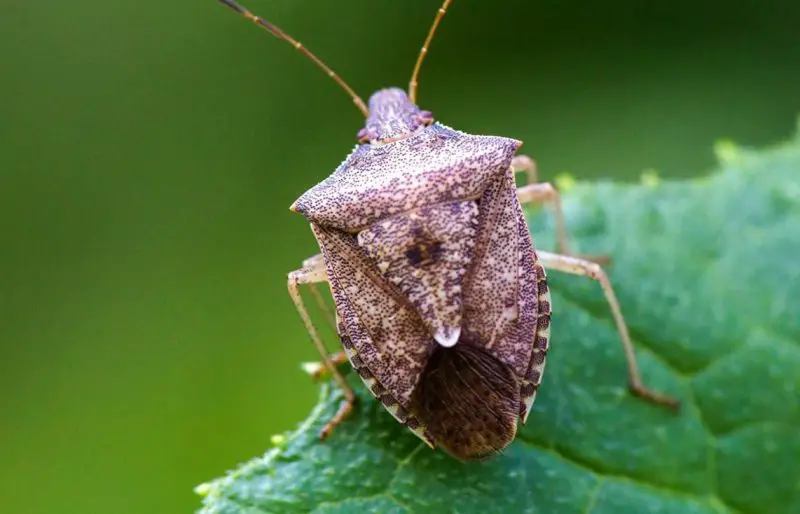
Minnesota homes often feel sealed and secure against the changing seasons, yet each year, as temperatures begin to drop, something small and persistent finds its way inside. Stink bugs appear on walls, windows, and ceilings, moving slowly as if they have always been there. Their sudden presence can feel like an invasion, especially when they show up in clusters. What most Minnesota residents don’t realize is that these swarms are not random at all, but part of a highly coordinated seasonal survival strategy.
During late summer and early fall, stink bugs begin a transition that is driven by environmental signals rather than chance. Changes in temperature, daylight, and humidity trigger a biological response that pushes them to seek shelter. In natural environments, this would mean hiding under bark or within leaf litter. In Minnesota, however, homes provide a far more stable and insulated alternative.
What makes this behavior so noticeable is how synchronized it is. Large numbers of stink bugs respond to the same cues at the same time, leading to the sudden appearance of swarms. Once you understand what drives this movement, their presence becomes less mysterious and far more predictable.
Table of Contents
- 1 Stink Bug Swarms Are a Response to Seasonal Change
- 2 Why Certain Homes Attract More Stink Bugs
- 3 They Are Not Trying to Live in Your Home
- 4 Why They Suddenly Appear Indoors
- 5 The Science Behind Their Odor
- 6 Why Minnesota Sees Noticeable Swarms
- 7 They Are More Annoying Than Harmful
- 8 Preventing Stink Bug Entry
- 9 Managing Stink Bugs Indoors
- 10 FAQs About Stink Bug Swarms in Minnesota
- 11 Final Thoughts
Stink Bug Swarms Are a Response to Seasonal Change
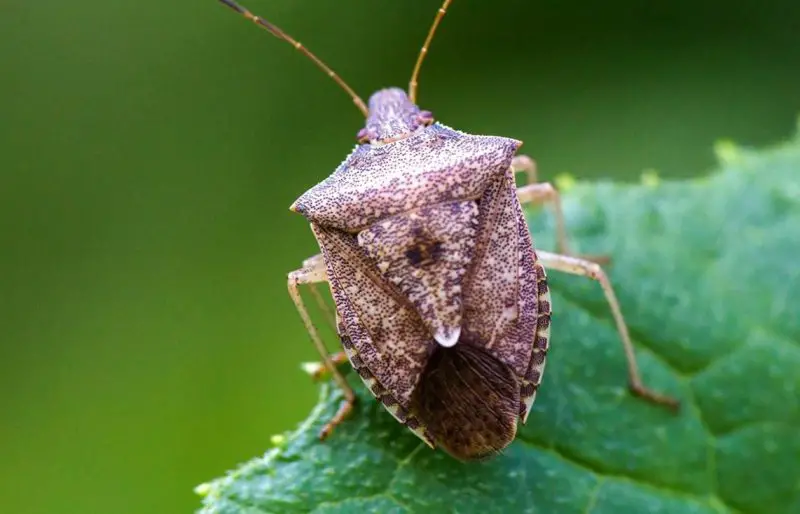
Stink bugs in Minnesota are closely tied to the rhythm of the seasons. As summer transitions into fall, they enter a phase focused entirely on survival. Their goal is not to reproduce or feed aggressively, but to find a place where they can endure the coming cold. This process is known as overwintering preparation.
During this phase, stink bugs become highly active in searching for shelter. They are drawn to structures that retain heat and offer protection from the elements. Homes, with their insulation and consistent temperature, provide ideal conditions. This is why they begin to gather on exterior walls before eventually finding ways inside.
The timing of this movement often coincides with warm, sunny days in early fall. These conditions encourage activity, making swarms more visible. What seems like a sudden invasion is actually the result of a predictable biological response shared by thousands of insects.
Why Certain Homes Attract More Stink Bugs
Not every home in Minnesota experiences stink bug swarms in the same way. Some properties seem to attract large numbers, while others see very few. This difference is often related to location, structure, and exposure to sunlight.
South- and west-facing walls tend to receive more sunlight, creating warmer surfaces that stink bugs find appealing. These areas can act as gathering points, where insects cluster before searching for entry points. Homes near wooded areas, farmland, or gardens may also see higher activity due to the availability of food during earlier life stages.
Structural details play an equally important role. Small gaps around windows, doors, vents, and siding provide entry points that are often invisible to homeowners. Even well-maintained houses can have tiny openings that allow stink bugs to slip inside. Once they find a way in, they can remain hidden for long periods.
They Are Not Trying to Live in Your Home
One of the biggest misconceptions about stink bugs is that they are trying to infest homes in the same way as other pests. In reality, they are not seeking to live, feed, or reproduce indoors. Their goal is simply to find a safe place to remain dormant during winter.
Once inside, stink bugs enter a state of reduced activity known as diapause. During this period, their metabolism slows, and they conserve energy. They may remain hidden in walls, attics, or other secluded spaces for months. Their presence is largely passive rather than destructive.
This distinction is important because it changes how their behavior is interpreted. They are not actively invading living spaces but responding to environmental pressure. Understanding this helps reduce the sense of urgency and frustration that often accompanies their appearance.
Why They Suddenly Appear Indoors
Many Minnesota residents notice stink bugs appearing indoors even after they have sealed visible entry points. This often leads to the assumption that new bugs are entering continuously. In reality, many of these insects entered earlier and remained hidden until conditions changed.
When indoor temperatures rise, particularly during sunny winter days, stink bugs may become active again. They move toward light sources, which often means windows and walls. This creates the impression of a new wave of insects, even though they have been present all along.
This delayed emergence is one of the reasons stink bug activity feels unpredictable. Their movement is tied to temperature changes rather than external entry. Once you understand this pattern, their behavior becomes much easier to anticipate.
The Science Behind Their Odor
Stink bugs are known for the odor they release when disturbed, a trait that gives them their name. This odor comes from specialized glands that produce defensive chemicals. The scent is designed to deter predators, signaling that the insect is not a desirable target.
For humans, this odor can be unpleasant and persistent. It is often described as musty or slightly sweet, depending on individual perception. The chemicals can linger on surfaces, making it important to handle stink bugs carefully.
Interestingly, these chemicals also play a role in communication. Stink bugs can release signals that attract others to the same location. This may contribute to the clustering behavior seen on homes, where groups form in specific areas rather than spreading evenly.
Why Minnesota Sees Noticeable Swarms
Minnesota’s climate plays a significant role in the visibility of stink bug swarms. The transition from warm to cold temperatures can happen relatively quickly, prompting a strong and synchronized response. This leads to large numbers of insects seeking shelter at the same time.
Agricultural landscapes also contribute to population levels. Stink bugs feed on crops during the growing season, allowing their numbers to increase. As fall approaches, these populations shift toward overwintering sites, often in residential areas.
Urban and suburban environments amplify this effect by providing abundant shelter options. Homes, buildings, and other structures create concentrated spaces where stink bugs can gather. This combination of factors makes swarms more noticeable than in regions with different conditions.
They Are More Annoying Than Harmful
Despite their overwhelming presence, stink bugs are generally harmless to humans and pets. They do not bite, sting, or transmit diseases. Their impact is primarily related to nuisance and discomfort rather than health risks.
Their presence can still be frustrating, especially when they appear in large numbers. The odor they produce and their tendency to gather in visible areas can make them difficult to ignore. However, they do not cause structural damage or reproduce indoors.
Understanding this helps shift the focus from fear to management. While their presence may be inconvenient, it does not pose a significant threat. This perspective makes it easier to deal with them calmly and effectively.
Preventing Stink Bug Entry
Preventing stink bugs from entering a home begins with identifying and sealing potential entry points. Cracks, gaps, and openings around windows, doors, and vents are common access points. Addressing these areas can significantly reduce the number of insects that make it inside.
Timing is important as well. Taking preventive measures before the peak swarming period increases effectiveness. Once stink bugs have entered, sealing entry points will not remove those already inside. Early action is key.
Regular maintenance plays a crucial role in long-term prevention. Checking for new gaps and addressing wear over time helps maintain a barrier. Consistency in these efforts reduces recurring issues year after year.
Managing Stink Bugs Indoors
When stink bugs do appear indoors, careful removal is the best approach. Vacuuming is often recommended, as it avoids triggering their odor. Collected insects can then be disposed of without spreading scent.
Avoid crushing stink bugs, as this releases their defensive chemicals. Gentle handling minimizes odor and prevents additional attraction. This approach helps maintain indoor comfort.
Managing indoor populations is often about patience as much as action. Over time, activity decreases as temperatures stabilize. Understanding this natural decline helps reduce frustration during peak periods.
FAQs About Stink Bug Swarms in Minnesota
Why do stink bugs gather on my house?
They are attracted to warm surfaces and seek shelter for winter. Sunlit walls provide heat, making them ideal gathering spots. This behavior is seasonal. It is not random.
Do stink bugs reproduce inside homes?
No, they do not reproduce indoors. They remain dormant during winter. Their presence is temporary. They leave when conditions improve.
Why do they smell when disturbed?
The odor is a defensive chemical. It deters predators and can signal other stink bugs. This reaction is triggered by disturbance. Avoid crushing them to reduce smell.
Are stink bugs dangerous?
Stink bugs are not dangerous. They do not bite or sting. Their impact is mainly nuisance-related. They are harmless in terms of health.
Why do they appear in winter?
They become active during warm indoor conditions. This often happens on sunny days. They are not entering at that time. They were already inside.
How do they get inside?
They enter through small gaps and openings. Cracks, vents, and window frames are common entry points. Even tiny spaces are enough. Sealing these helps prevent entry.
Can I eliminate them completely?
Complete elimination is difficult. However, reducing entry points can lower their presence. Consistent maintenance helps. Awareness of timing is important.
What should I do if I find them inside?
Remove them carefully using a vacuum or gentle methods. Avoid crushing them. Dispose of them promptly. Regular removal keeps numbers manageable.
Final Thoughts
Stink bug swarms in Minnesota are not random invasions but predictable responses to seasonal change. Their behavior is shaped by the need to survive winter, leading them to seek shelter in the most effective places available. Homes, with their warmth and protection, become part of this natural strategy.
For residents, understanding this behavior changes how it is perceived. Instead of viewing stink bugs as aggressive intruders, it becomes clear that they are simply responding to environmental cues. This perspective allows for more effective and less stressful management.
While their presence can be frustrating, it is also a reminder of how closely human environments are connected to natural systems. Even small insects respond to the same seasonal rhythms that shape the broader landscape. Recognizing this connection turns a nuisance into something more understandable and manageable.