
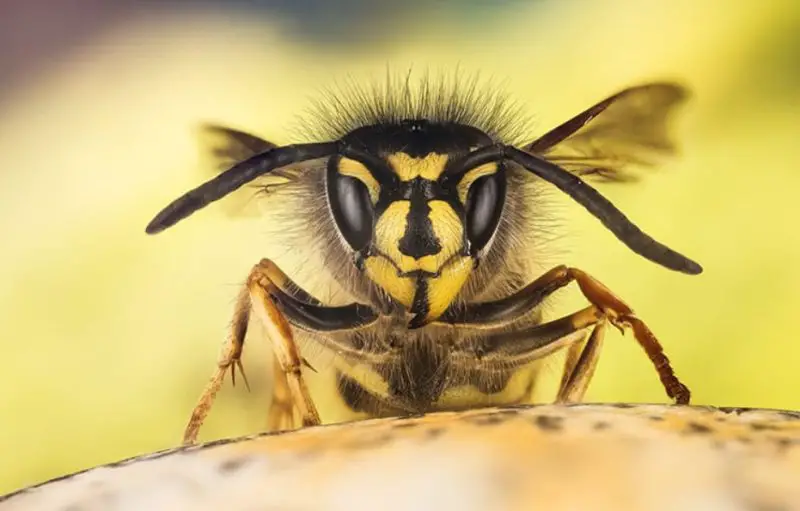
Yellowjackets are one of the most misunderstood and feared insects across Missouri, often associated with sudden pain and aggressive swarming behavior. Many residents only think about them after a sting happens, usually during yard work, outdoor meals, or late summer gatherings. The experience can feel random and intense, leaving people wondering why it happened and how to avoid it next time. What most people don’t realize is that yellowjacket stings are rarely unpredictable, they follow clear patterns tied to season, environment, and behavior.
In Missouri, yellowjackets become especially noticeable as summer progresses into late August and early fall. Their populations grow rapidly, and their behavior shifts in ways that bring them into closer contact with humans. This is the time when outdoor spaces feel most active, and unfortunately, when stings are most likely to occur. The overlap between human activity and yellowjacket behavior creates a situation that feels like conflict but is actually driven by survival.
Understanding yellowjackets requires looking beyond the sting itself. These insects are part of a complex ecological system, responding to environmental cues and colony needs. Once you begin to see how their behavior works, the pattern behind their stings becomes much clearer.
Table of Contents
- 1 Yellowjackets Are Not Bees
- 2 Why Stings Often Feel Sudden
- 3 The Science Behind the Sting
- 4 Why Late Summer in Missouri Is Peak Season
- 5 Hidden Nests Are the Real Risk
- 6 Why Yellowjackets Seem So Aggressive
- 7 What Happens After a Sting
- 8 Preventing Stings Around Your Home
- 9 FAQs About Yellowjacket Stings in Missouri
- 9.1 Why do yellowjackets sting multiple times?
- 9.2 Are yellowjacket stings dangerous?
- 9.3 How can I find a yellowjacket nest?
- 9.4 What should I do if I get stung?
- 9.5 Why are yellowjackets worse in late summer?
- 9.6 Do yellowjackets die after stinging?
- 9.7 Can yellowjackets recognize people?
- 9.8 Should I remove a nest myself?
- 10 Final Thoughts
Yellowjackets Are Not Bees
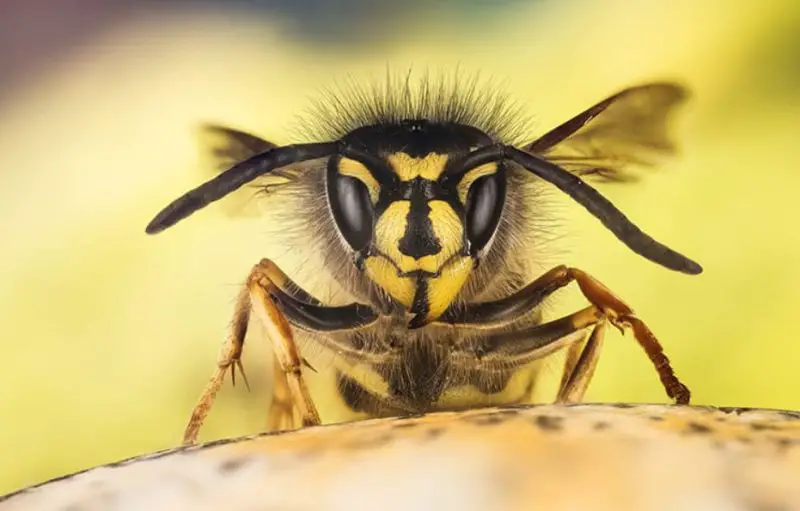
Many Missouri residents assume yellowjackets are simply a more aggressive version of bees, but this misunderstanding hides important differences. Yellowjackets belong to the wasp family, and their behavior reflects a very different survival strategy. Unlike bees, which can sting only once, yellowjackets are capable of stinging repeatedly, making their defense far more persistent. This single trait is often what makes encounters feel more intense and overwhelming.
Their physical structure also contributes to how they behave around homes. With narrow bodies and smooth surfaces, yellowjackets can move quickly and slip into small openings with ease. This allows them to build nests in hidden locations such as underground cavities, inside walls, or beneath outdoor structures. In many Missouri yards, these nests remain unnoticed until an accidental disturbance brings sudden attention to them.
Earlier in the season, yellowjackets play a surprisingly helpful role in the environment. They hunt other insects, reducing populations that might otherwise damage plants or become pests. This activity goes largely unnoticed because it does not directly affect people. As the season shifts, however, their behavior changes, and their presence becomes much more visible.
Why Stings Often Feel Sudden
A yellowjacket sting rarely happens without a cause, even though it often feels unexpected. Most encounters begin when a nest is disturbed, sometimes by something as simple as walking across the lawn or mowing grass. In Missouri, ground nests are especially common, making these accidental encounters more likely. Because the nest entrance may be small and hidden, there is often no warning before the reaction begins.
Once a disturbance is detected, the response is immediate and coordinated. Yellowjackets emerge quickly and focus on the source of movement or vibration. Within seconds, what seemed like a quiet area becomes active and defensive. This rapid shift is what creates the sense that the attack came out of nowhere.
Food is another major factor that leads to sudden encounters. As yellowjackets search for sugary sources later in the season, they are drawn toward human activity. Outdoor meals, drinks, and even small food scraps can attract them. When both humans and yellowjackets reach for the same space, tension can escalate quickly.
The Science Behind the Sting
The sting of a yellowjacket is not just a simple puncture but part of a chemical defense system. When the stinger enters the skin, venom is released, triggering pain almost instantly. This reaction is designed to deter threats and protect the colony from further disturbance. The sharp sensation is followed by swelling and redness as the body responds.
At the same time, chemical signals are released into the air. These signals alert other yellowjackets nearby, prompting them to join the response. This is why one sting can quickly turn into multiple stings in a matter of seconds. The reaction is not chaotic but highly organized.
The body’s response to the venom varies from person to person. For some, the effects remain mild and localized, while others may experience stronger reactions. Understanding this process helps explain why the experience can feel both intense and sudden.
Why Late Summer in Missouri Is Peak Season
Yellowjacket activity in Missouri follows a predictable seasonal pattern that reaches its peak in late summer. During spring, colonies are small and focused on growth, with workers feeding developing larvae. At this stage, their behavior is less noticeable because their activity is centered on hunting other insects.
As the colony grows, its needs begin to shift. By late summer, the number of individuals increases dramatically, and their diet changes. Instead of focusing on protein, they begin seeking sugar to fuel their activity. This shift brings them into closer contact with human environments.
At the same time, their behavior becomes more assertive. With fewer larvae to care for, workers spend more time searching for food sources. This combination of increased population and changing behavior explains why encounters become more frequent. What feels like a sudden increase is actually part of their natural life cycle.
Hidden Nests Are the Real Risk
One of the most challenging aspects of dealing with yellowjackets is how difficult their nests are to detect. In Missouri, many nests are built underground, with only a small entrance visible at the surface. This makes them easy to overlook, even in areas that are regularly used. A yard may appear completely normal while hosting a large colony just beneath the soil.
When a nest is disturbed, the response is immediate and intense. Yellowjackets emerge rapidly, focusing their defense on the perceived threat. Because the nest was not visible beforehand, the encounter feels sudden and unavoidable. This lack of warning is what makes these situations particularly stressful.
Nests can also exist in structures such as walls, attics, or sheds. These locations provide shelter and stability, allowing colonies to grow without interruption. In these cases, repeated encounters may occur as yellowjackets move in and out of the same space.
Why Yellowjackets Seem So Aggressive
The aggressive reputation of yellowjackets comes from how quickly they respond to perceived threats. Their behavior is driven by the need to protect the colony, which is their primary priority. Any movement, vibration, or disturbance near the nest can trigger a defensive reaction. This response is immediate and often involves multiple individuals.
Their ability to sting more than once intensifies this perception. Unlike bees, they can continue defending their nest without limitation. This makes encounters feel prolonged and more severe. The experience is not just a single event but a series of reactions.
They are also highly sensitive to sudden movement. Actions such as swatting or running can escalate the situation rather than resolve it. Understanding this helps explain why calm, controlled behavior is often more effective in avoiding further stings.
What Happens After a Sting
After a yellowjacket sting, the first sensation is usually sharp pain followed by localized swelling. The area may become red and sensitive, with discomfort lasting for several hours. These reactions are part of the body’s natural response to the venom. In most cases, they gradually decrease over time.
Itching may develop as the initial pain fades, sometimes lasting for a few days. Proper care, such as cleaning the area and applying a cold compress, can help reduce irritation. Avoiding excessive scratching is important to prevent further discomfort. Most stings heal without complications.
However, it is important to remain aware of more serious reactions. Symptoms such as difficulty breathing or widespread swelling require immediate medical attention. While these cases are less common, they highlight the importance of recognizing when a situation is more severe.
Preventing Stings Around Your Home
Preventing yellowjacket stings begins with understanding where they are likely to be found. Observing areas of repeated insect activity can help identify potential nest locations before they become a problem. Small signs, such as insects entering and exiting the same spot, often indicate a hidden nest.
Managing attractants is another key step. Keeping food covered, sealing trash containers, and cleaning up spills reduces the likelihood of drawing yellowjackets into human spaces. These small changes can significantly lower the chance of encounters.
When working outdoors, especially in areas where nests may exist, moving carefully can prevent triggering a defensive response. Avoiding sudden disturbances and staying aware of surroundings helps reduce risk. If a nest is discovered, professional removal is often the safest solution.
FAQs About Yellowjacket Stings in Missouri
Why do yellowjackets sting multiple times?
Yellowjackets can sting multiple times because their stingers are not barbed. This allows them to defend their nest repeatedly. Each sting also releases pheromones that attract others. This can quickly escalate an encounter.
Are yellowjacket stings dangerous?
Most stings cause temporary pain and swelling. However, allergic reactions can be severe and require medical attention. Multiple stings can also increase risk. Awareness is important.
How can I find a yellowjacket nest?
Look for consistent insect activity in a specific area. Yellowjackets often fly in and out of the same spot. Ground nests may have small openings. Observing patterns can help locate them.
What should I do if I get stung?
Move away from the area immediately. Clean the sting site and apply a cold compress. Monitor for any severe symptoms. Seek medical help if needed.
Why are yellowjackets worse in late summer?
Colonies reach peak size and shift their diet toward sugary foods. This increases contact with humans. Their behavior may also become more defensive. These factors lead to more stings.
Do yellowjackets die after stinging?
No, they do not die after stinging. They can sting multiple times. This ability makes them effective defenders. It also increases the intensity of encounters.
Can yellowjackets recognize people?
They do not recognize individuals in the same way as some animals. However, they respond to repeated disturbances. Their behavior is based on instinct. Patterns may appear like recognition.
Should I remove a nest myself?
It is safer to have nests removed by professionals. Disturbing a nest can trigger aggressive behavior. Without proper equipment, the risk is high. Professional removal is recommended.
Final Thoughts
Yellowjackets in Missouri are not random threats but highly organized insects responding to their environment. Their stings, while painful, are part of a defense system designed to protect their colony. Understanding this behavior helps explain why encounters happen and how they can be avoided.
By recognizing the role of seasonality, hidden nests, and food attraction, residents can reduce the likelihood of stings. Small changes in awareness and routine can make outdoor spaces safer and more comfortable.
Ultimately, yellowjackets are part of Missouri’s ecosystems, contributing to pest control and environmental balance. While their presence can be challenging, it is also a reminder of the complex interactions shaping the natural world just outside your door.