
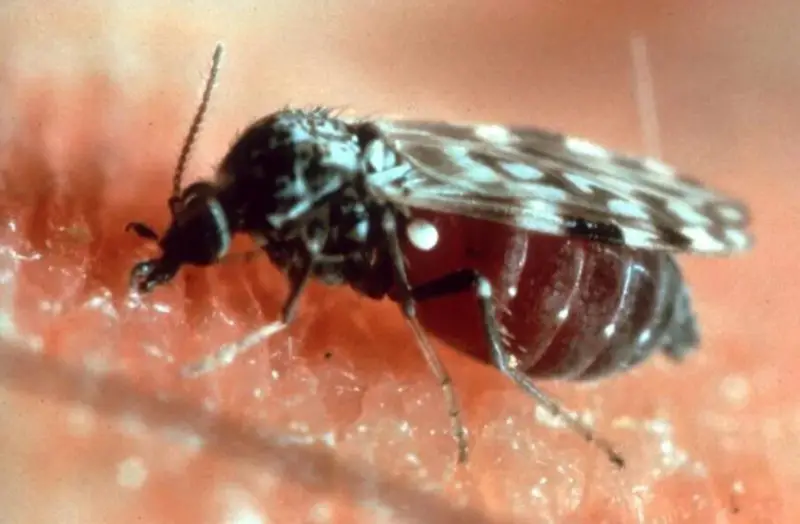
No-See-Um bites shape a large part of outdoor life in Georgia, yet most residents never fully understand what is happening when the itching begins. These tiny insects are almost invisible, and their presence is often only recognized after irritation appears on the skin. Even then, the connection between the environment, the timing, and the bite itself is rarely clear. What feels like a sudden outbreak of discomfort is usually the result of conditions that have been quietly building for hours.
Warm evenings, high humidity, and still air create the perfect setting for no-see-ums to become active. These insects thrive in environments that many Georgia residents enjoy, especially near water, shaded yards, and dense vegetation. Their size allows them to remain unnoticed while their behavior follows a precise pattern shaped by temperature, moisture, and human activity.
Understanding no-see-um bites requires looking beyond the surface irritation. Their behavior, feeding process, and environmental preferences all connect in ways that explain why bites occur, why they feel so intense, and why they seem impossible to avoid at certain times.
Table of Contents
- 1 Where No-See-Ums Thrive in Georgia Landscapes
- 2 Why You Don’t Notice the Bite Immediately
- 3 The Feeding Process That Causes Intense Itching
- 4 Why Bites Appear in Clusters
- 5 The Times of Day When Bites Are Most Likely
- 6 Why Certain People Seem to Get More Bites
- 7 How Weather Conditions Influence Activity
- 8 Why No-See-Ums Are Hard to Avoid
- 9 The Connection Between Water and Population Growth
- 10 Why Bites Feel Worse Than They Look
- 11 Common Misconceptions About No-See-Um Bites
- 12 How the Body Reacts Over Time
- 13 Preventive Habits That Make a Real Difference
- 14 Why Evening Outdoor Activities Increase Exposure
- 15 FAQs About No-See-Um Bites in Georgia
- 15.1 What are no-see-ums?
- 15.2 Why are their bites so itchy?
- 15.3 When are no-see-ums most active?
- 15.4 Where are they commonly found?
- 15.5 Why do bites appear later?
- 15.6 Can no-see-ums bite through clothing?
- 15.7 How long do the bites last?
- 15.8 Do they only live near the coast?
- 15.9 Why do bites appear in groups?
- 15.10 How can bites be prevented?
- 16 Final Thoughts
Where No-See-Ums Thrive in Georgia Landscapes
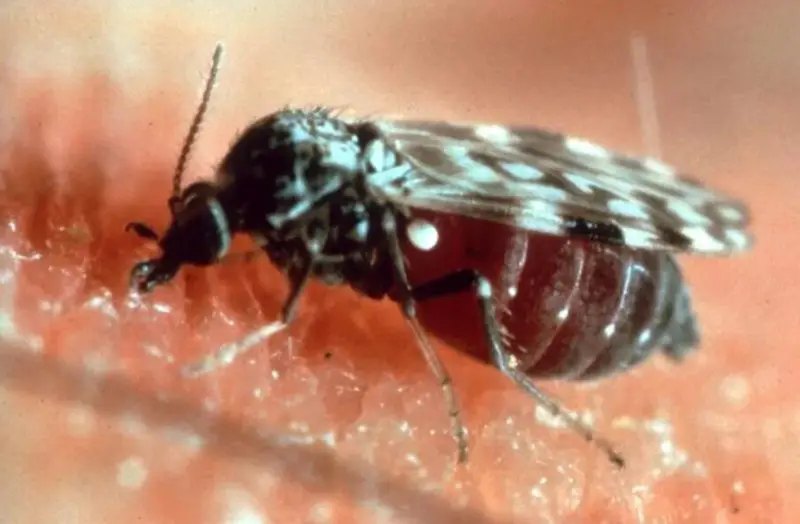
No-see-ums are closely tied to moisture. In Georgia, this means coastal marshes, wetlands, ponds, and shaded low areas become ideal breeding grounds. These environments provide the damp conditions required for their larvae to develop.
Backyards can also support populations without obvious signs. Small areas of damp soil, overwatered lawns, and shaded corners where moisture lingers create suitable habitats. Unlike larger insects that require visible water sources, no-see-ums can develop in less noticeable conditions.
Vegetation plays an important role as well. Dense grass, shrubs, and tree cover offer protection from sunlight and wind. These areas allow no-see-ums to rest during the day and emerge when conditions become favorable.
Why You Don’t Notice the Bite Immediately
No-see-um bites often go unnoticed at the moment they happen. Their size allows them to land and feed without creating a strong initial sensation. This delay contributes to confusion about when and where exposure occurred.
The irritation develops as the body reacts to the insect’s saliva. This reaction takes time, which is why itching may begin long after leaving the area where contact happened. The delay makes it difficult to connect the bite to a specific location or activity.
This pattern leads many people to believe bites are happening indoors or in unexpected places. In reality, the exposure usually occurred earlier, during outdoor activity when conditions supported insect behavior.
The Feeding Process That Causes Intense Itching
No-see-ums feed by piercing the skin and drawing blood. During this process, they release saliva that prevents clotting and allows continuous feeding. The body reacts to this substance, leading to inflammation and irritation.
The itching associated with these bites can feel more intense than expected given the insect’s size. This is due to the immune response rather than the physical damage caused by the bite itself.
Scratching increases irritation and can prolong the healing process. The discomfort is not caused by ongoing activity from the insect but by the body’s reaction to the initial contact.
Why Bites Appear in Clusters
No-see-um bites often appear in groups rather than isolated spots. This pattern reflects how these insects behave when they encounter a suitable host. Once one lands and begins feeding, others may follow, drawn by similar cues.
Clothing and exposure also influence clustering. Areas where skin is uncovered or where fabric fits tightly can become common sites for multiple bites. These locations provide easier access and consistent contact.
This clustering effect can make bites seem more severe. The concentration of irritation in one area intensifies the overall experience.
The Times of Day When Bites Are Most Likely
No-see-ums are most active during dawn and dusk. These periods provide the combination of light, temperature, and humidity that supports their movement and feeding behavior.
During midday, heat and sunlight reduce activity. No-see-ums tend to remain in shaded areas, avoiding conditions that can cause dehydration. As evening approaches, they become more active, increasing the likelihood of encounters.
This timing aligns with common outdoor routines. Activities such as relaxing in the yard or spending time near water often occur during these peak periods, increasing exposure.
Why Certain People Seem to Get More Bites
Differences in how people experience no-see-um bites often lead to the belief that some individuals are targeted more than others. In reality, several factors influence this perception.
Body heat, carbon dioxide output, and scent all play a role in attracting insects. Movement and clothing choices can also make a person more noticeable. These factors combine to create varying levels of exposure.
The body’s reaction also differs between individuals. Some people develop stronger itching and more visible marks, making it seem like they were bitten more frequently.
How Weather Conditions Influence Activity
Weather patterns have a direct impact on no-see-um behavior. Warm temperatures increase activity, while high humidity supports survival. These conditions are common in Georgia, especially during late spring and summer.
Wind plays a significant role as well. Even light air movement can disrupt flight, reducing activity levels. This is why calm evenings often bring more noticeable encounters.
Rainfall contributes by maintaining moisture in the environment. After rain, conditions become more favorable for both development and activity, leading to increased presence.
Why No-See-Ums Are Hard to Avoid
Avoiding no-see-ums can be challenging because of their size and behavior. They can pass through small gaps in clothing and screens, making physical barriers less effective than expected.
Their ability to remain unnoticed adds to the difficulty. By the time bites are detected, the insects are no longer present. This makes prevention feel uncertain.
Environmental conditions also limit control. In areas with consistent moisture and vegetation, no-see-ums can persist despite efforts to reduce their presence.
The Connection Between Water and Population Growth
Water is essential for the life cycle of no-see-ums. Eggs are laid in moist environments, where larvae develop before emerging as adults. This connection explains why areas near water experience higher activity.
Even small amounts of moisture can support development. Unlike larger insects, no-see-ums do not require standing water that is easily visible. Damp soil and organic material are often enough.
Managing moisture in residential areas can influence population levels. Reducing excess water and improving drainage limits breeding opportunities.
Why Bites Feel Worse Than They Look
The discomfort caused by no-see-um bites often feels disproportionate to their appearance. Small red marks can produce intense itching that lasts for several days.
This difference is due to the body’s immune response. The reaction to the insect’s saliva creates inflammation that extends beyond the visible area.
The psychological effect also plays a role. The persistence of itching draws attention, making the experience feel more severe than the physical signs suggest.
Common Misconceptions About No-See-Um Bites
Several misconceptions contribute to confusion about these bites. A common belief is that they only occur near coastal areas. While coastal regions do support large populations, inland environments can also provide suitable conditions.
Another misunderstanding is that bites happen randomly. In reality, they follow predictable patterns based on time, weather, and location.
There is also a tendency to underestimate their impact. Because they are small, people expect minor irritation, but the body’s reaction can be more significant.
How the Body Reacts Over Time
The progression of a no-see-um bite follows a general pattern. Initial redness appears, followed by increasing itching as the immune response develops. This stage can last for several days.
Over time, the irritation gradually decreases. Healing depends on how the skin is managed during this period. Avoiding further irritation supports faster recovery.
In some cases, marks may remain visible for a longer period. This does not indicate ongoing activity but reflects the body’s response to the initial bite.
Preventive Habits That Make a Real Difference
Reducing exposure to no-see-ums involves both environmental awareness and personal habits. Wearing protective clothing during peak activity times can limit contact.
Choosing locations with airflow helps, as moving air disrupts insect movement. Avoiding areas with dense vegetation and moisture during high activity periods reduces risk.
Maintaining yards by managing moisture and trimming vegetation creates less favorable conditions. These combined efforts support long term reduction in encounters.
Why Evening Outdoor Activities Increase Exposure
Evening conditions in Georgia often align with peak no-see-um activity. Cooler temperatures, rising humidity, and reduced sunlight create an environment where these insects become more active.
This timing overlaps with common outdoor routines. Sitting outside, gardening, or spending time near water during these hours increases the likelihood of bites.
Adjusting timing or location can reduce exposure. Awareness of these patterns allows for more comfortable outdoor experiences.
FAQs About No-See-Um Bites in Georgia
What are no-see-ums?
No-see-ums are tiny biting insects that are difficult to see with the naked eye. They are known for causing itchy bites.
Why are their bites so itchy?
The itching comes from the body’s reaction to the insect’s saliva, which triggers inflammation.
When are no-see-ums most active?
They are most active during dawn and dusk, especially in warm and humid conditions.
Where are they commonly found?
They are often found near water, damp soil, and areas with dense vegetation.
Why do bites appear later?
The reaction develops over time, so itching may begin hours after the bite occurs.
Can no-see-ums bite through clothing?
They can pass through thin or loose fabrics, making some clothing less effective as protection.
How long do the bites last?
Itching can last for several days, depending on the individual’s reaction.
Do they only live near the coast?
No, they can also be found inland wherever suitable conditions exist.
Why do bites appear in groups?
Multiple insects may feed in the same area, leading to clustered bites.
How can bites be prevented?
Reducing exposure during peak times, wearing protective clothing, and managing the environment are effective strategies.
Final Thoughts
No-see-um bites are a common but often misunderstood part of outdoor life in Georgia. Their presence is shaped by environmental conditions, seasonal patterns, and human activity. What feels like a sudden and unpredictable problem is actually the result of consistent and recognizable factors.
Understanding these patterns allows for better preparation and reduced discomfort. Small changes in behavior and awareness can make a significant difference in how often bites occur and how severe they feel.
Looking beyond the irritation reveals a clearer picture of how these insects fit into the broader environment. With that perspective, outdoor spaces become easier to navigate, even during times when no-see-ums are most active.