
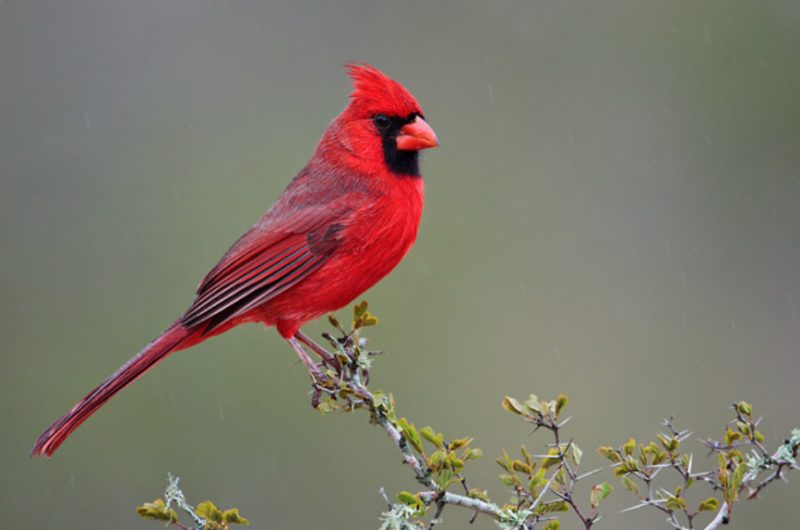
Northern cardinals are one of the most recognizable birds in Pennsylvania. Their vivid red plumage cuts through winter landscapes, and their clear, whistling songs echo across neighborhoods throughout the year. For many residents, they are symbols of beauty and calm, appearing like gentle accents in the background of daily life.
But what most Pennsylvania residents don’t realize is that cardinals are not just decorative visitors passing through their yards. Their presence is structured, intentional, and often deeply tied to specific locations. When a cardinal appears near your home, it is usually part of a pattern that has been forming over time.
Once you begin to notice how cardinals move, feed, and interact with their surroundings, your perspective shifts. What once felt like a simple sighting becomes something more layered. These birds are not случай visitors. They are consistent participants in the same environment you live in.
Table of Contents
- 1 Why Cardinals Thrive Across Pennsylvania Landscapes
- 2 The Hidden Territorial System Around Your Yard
- 3 Why You Often See Them in Pairs
- 4 The Meaning Behind Their Songs
- 5 Feeding Patterns You Rarely Notice
- 6 Why Cardinals Stay Even in Harsh Winters
- 7 The Illusion of Random Appearances
- 8 Nesting Behavior Hidden in Plain Sight
- 9 The Role of Cardinals in Local Ecosystems
- 10 Why Their Behavior Feels Personal
- 11 Seasonal Shifts That Change What You See
- 12 Why You May Suddenly Notice More Cardinals
- 13 Living Alongside Cardinals Without Realizing It
- 14 FAQs About Cardinals Around Homes in Pennsylvania
- 14.1 Are cardinals common in Pennsylvania?
- 14.2 Do cardinals stay in the same area?
- 14.3 Why do cardinals sing so often?
- 14.4 What do cardinals eat in residential areas?
- 14.5 Do cardinals migrate?
- 14.6 Why do I see cardinals in pairs?
- 14.7 Where do cardinals build nests?
- 14.8 Are cardinals aggressive?
- 14.9 When are cardinals most active?
- 14.10 Can cardinals recognize their environment?
- 15 Final Thoughts
Why Cardinals Thrive Across Pennsylvania Landscapes
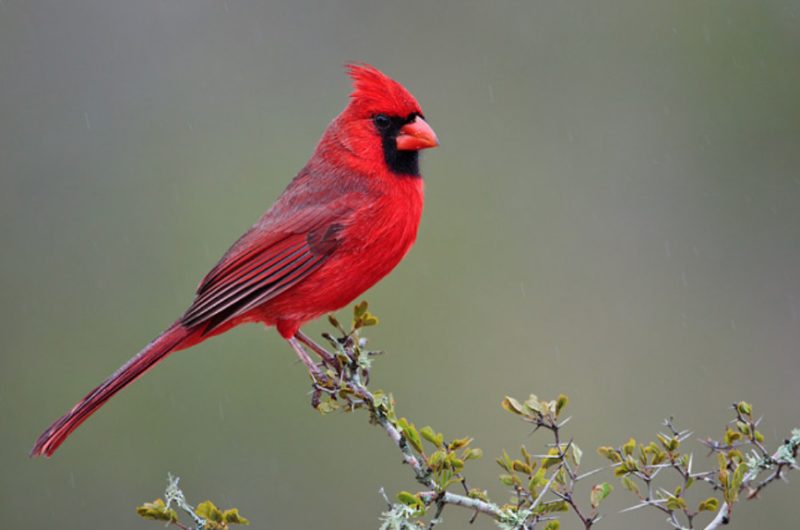
Pennsylvania provides an ideal environment for cardinals to flourish. The state’s mix of deciduous forests, suburban developments, farmland, and edge habitats creates a continuous network of suitable living spaces. Cardinals prefer areas with dense shrubs and low tree cover, which are abundant across the region.
Unlike many migratory birds, cardinals are year-round residents. This means they do not disappear with the seasons. Instead, they adapt their behavior to changing conditions, maintaining territories that remain active even during harsh winters.
Suburban neighborhoods are especially attractive. Yards with bushes, hedges, and feeders provide both shelter and reliable food sources. These conditions allow cardinals to establish long-term territories that often include multiple properties.
The Hidden Territorial System Around Your Yard
Cardinals are strongly territorial birds. A pair will claim a specific area and defend it against others, especially during breeding season. This territory is not limited to a single yard but often spans several connected spaces.
Your property may be part of this territory without you realizing it. The same pair of cardinals may visit your yard regularly, even if you do not see them every day. They move through their territory in a pattern, checking feeding spots and maintaining awareness of their surroundings.
This is why cardinal sightings can feel both consistent and unpredictable. They are present, but they are not confined to one location. Their movements follow a route that extends beyond your immediate view.
Why You Often See Them in Pairs
One of the most distinctive features of cardinals is their tendency to appear in pairs. This behavior reflects their strong pair bonding, which can last for multiple breeding seasons or even longer.
The male, with his bright red coloration, is often more visible, while the female’s softer tones provide camouflage. Together, they coordinate feeding, territory defense, and nesting activities.
Seeing a single cardinal is common, but it is often only part of the picture. The second bird is usually nearby, moving quietly through cover or watching from a concealed perch.
The Meaning Behind Their Songs
Cardinal songs are more than just pleasant background noise. They are a key part of communication, used to establish territory, attract mates, and maintain contact between paired birds.
In Pennsylvania, cardinals are known for singing throughout the year, including winter. This is unusual compared to many other species, which reduce vocal activity during colder months.
Each song carries purpose. A repeated pattern may signal ownership of an area, while softer calls can help partners stay connected. Once you begin to listen closely, the soundscape of your yard becomes more structured.
Feeding Patterns You Rarely Notice
Cardinals are ground feeders by nature, but they also use elevated feeders and perches. They prefer seeds, especially sunflower seeds, but their diet includes fruits and insects as well.
Their feeding behavior is cautious. They often approach food sources slowly, pausing to scan for threats before moving in. This careful pattern can make their presence feel intermittent.
They also follow routines. Cardinals tend to visit feeding areas at similar times each day, especially in the early morning and late afternoon. These patterns are subtle but consistent.
Why Cardinals Stay Even in Harsh Winters
Unlike migratory species, cardinals remain in Pennsylvania throughout the winter. Their ability to adapt to cold conditions is one of the reasons they are so commonly seen against snowy backgrounds.
They rely on dense vegetation for shelter, using shrubs and evergreen trees to protect themselves from wind and cold. Food availability becomes more critical during this time, making feeders especially important.
Winter often makes cardinals more visible. With fewer leaves on trees, their movements are easier to spot, and their bright coloration stands out more clearly.
The Illusion of Random Appearances
Many people assume that cardinals appear randomly. One day they are present, the next day they are gone. This creates the impression that their visits are random and unpredictable.
In reality, their movements are structured. They are following established routes within their territory, visiting multiple feeding and resting spots in a sequence that repeats over time.
The apparent randomness comes from limited observation. You are only seeing a small portion of a much larger pattern that extends beyond your yard.
Nesting Behavior Hidden in Plain Sight
Cardinal nests are often surprisingly close to human activity. They are built in dense shrubs, low trees, or thick vegetation, usually at a height that provides both cover and accessibility.
The nests are well concealed, making them difficult to spot even when they are nearby. This allows cardinals to raise their young in areas that might seem too exposed at first glance.
During nesting season, activity increases. You may notice more frequent visits, repeated flights to the same area, or changes in vocal behavior as the birds protect their nest.
The Role of Cardinals in Local Ecosystems
Cardinals play an important role in Pennsylvania’s ecosystems. They help disperse seeds through their feeding habits and contribute to insect control during warmer months.
Their presence also influences other species. As territorial birds, they interact with competitors and respond to potential threats, creating a dynamic environment that shapes local wildlife behavior.
This ecological role is often overlooked because their impact is subtle. Yet it is an essential part of the balance within their habitat.
Why Their Behavior Feels Personal
Many people feel a personal connection to cardinals. Their consistent presence, distinctive calls, and tendency to remain in one area create a sense of familiarity.
This familiarity can feel almost intentional, as if the birds are choosing to stay near your home. In a way, they are. Your yard is part of their territory, and their repeated visits reflect that connection.
This perception is not just emotional. It is rooted in the reality of their behavior and their relationship with the environment.
Seasonal Shifts That Change What You See
Cardinal behavior changes with the seasons. In spring, activity increases as breeding begins. Males sing more frequently, and pairs become more visible as they establish and defend territory.
Summer brings a focus on raising young. Activity may become more concentrated around nesting areas, making sightings less widespread but more frequent in specific spots.
In fall and winter, behavior stabilizes. Feeding becomes the primary focus, and movements may become more predictable as birds rely on consistent food sources.
Why You May Suddenly Notice More Cardinals
There are times when cardinal activity seems to increase suddenly. This can happen when food becomes more available, when young birds leave the nest, or when seasonal changes alter movement patterns.
A new feeder, changes in landscaping, or shifts in nearby habitat can all influence how often cardinals appear in your yard.
These changes do not mean the birds were absent before. They simply reflect a shift in how their existing patterns intersect with your space.
Living Alongside Cardinals Without Realizing It
For many Pennsylvania residents, cardinals are part of the background. They are seen occasionally, heard frequently, and rarely considered in detail.
But once you begin to observe them more closely, it becomes clear that they are deeply integrated into the environment around your home. Their routines, territories, and interactions form a consistent presence that often goes unnoticed.
This awareness does not require effort. It only requires attention to patterns that were always there.
FAQs About Cardinals Around Homes in Pennsylvania
Are cardinals common in Pennsylvania?
Yes, cardinals are widespread across Pennsylvania and can be found in both rural and suburban areas year-round.
Do cardinals stay in the same area?
Cardinals maintain territories and often remain in the same general area for extended periods.
Why do cardinals sing so often?
Their songs are used for communication, including territory defense and maintaining contact with mates.
What do cardinals eat in residential areas?
They primarily eat seeds, fruits, and insects, with sunflower seeds being a favorite at feeders.
Do cardinals migrate?
No, cardinals are non-migratory and stay in Pennsylvania throughout the year.
Why do I see cardinals in pairs?
They form strong pair bonds, which is why they are often seen together.
Where do cardinals build nests?
They build nests in dense shrubs, low trees, or thick vegetation that provides cover.
Are cardinals aggressive?
They can be territorial, especially during breeding season, but they are not a threat to humans.
When are cardinals most active?
They are most active during early morning and late afternoon hours.
Can cardinals recognize their environment?
Yes, they have strong spatial awareness and remember feeding locations and territory boundaries.
Final Thoughts
Cardinals in Pennsylvania are far more than occasional flashes of red in your yard. They are structured, consistent, and deeply connected to the spaces they inhabit. Their behavior reflects patterns that extend beyond what is immediately visible.
What feels like random presence is actually part of a larger system of movement, communication, and survival. Once you begin to see this system, the everyday experience of watching cardinals becomes something richer.
You are not just observing a bird. You are witnessing a small, ongoing story unfolding quietly around your home every day.