
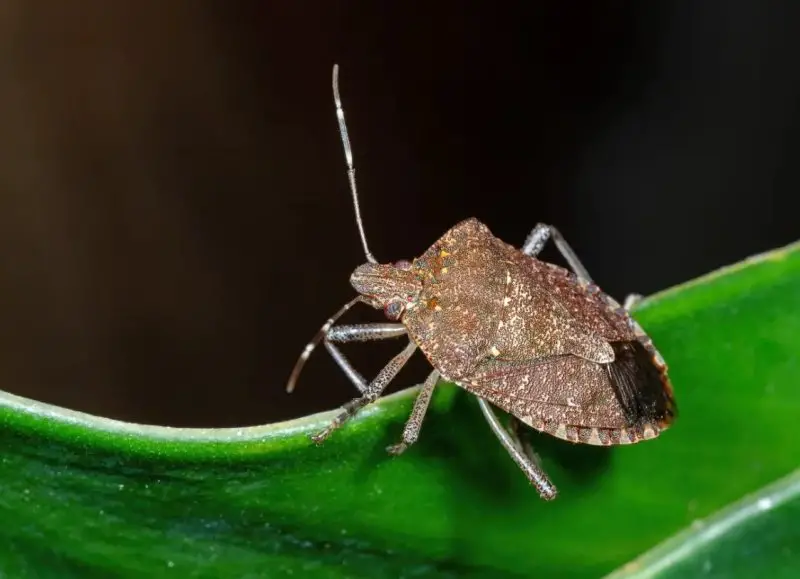
In Iowa, stink bugs tend to move from unnoticed to unavoidable almost overnight. One day, everything feels normal. The next, they are gathering along windows, clinging to siding, and appearing inside homes in numbers that feel unsettling. Many residents assume these swarms are sudden invasions with no clear cause. In reality, stink bug activity follows a highly structured seasonal pattern shaped by temperature, light, and survival behavior.
What most Iowa residents do not realize is that stink bug swarms are not about attack or aggression. They are about timing. These insects are responding to environmental signals that tell them when to seek shelter, when to move, and where to settle. Homes simply become part of that equation because they offer warmth, protection, and stability.
Understanding stink bug swarms means looking beyond the moment they appear. It means recognizing the patterns that lead up to those appearances. Once those patterns are clear, the experience becomes far less mysterious and much more predictable.
Table of Contents
- 1 Why Stink Bugs Are So Common in Iowa
- 2 What Actually Triggers a Stink Bug Swarm
- 3 Why They Gather on Homes Instead of Staying Outdoors
- 4 The Slow Process of Entering Your Home
- 5 Why Stink Bugs Appear Inside During Winter
- 6 Why They Release That Distinct Odor
- 7 The Seasonal Cycle Most Residents Overlook
- 8 Why Some Homes Have More Stink Bugs Than Others
- 9 Why Stink Bugs Seem to Appear All at Once
- 10 What To Do When You Find Them Indoors
- 11 Preventing Future Stink Bug Swarms
- 12 The Ecological Role of Stink Bugs in Iowa
- 13 FAQs About Stink Bug Swarms in Iowa
- 13.1 Why do stink bugs gather on houses in the fall?
- 13.2 Do stink bugs reproduce inside homes?
- 13.3 Why do they smell when crushed?
- 13.4 Are stink bugs harmful to humans?
- 13.5 How do they get inside?
- 13.6 Why do they appear during winter?
- 13.7 Can stink bugs damage homes?
- 13.8 What is the best way to remove them?
- 14 Final Thoughts
Why Stink Bugs Are So Common in Iowa
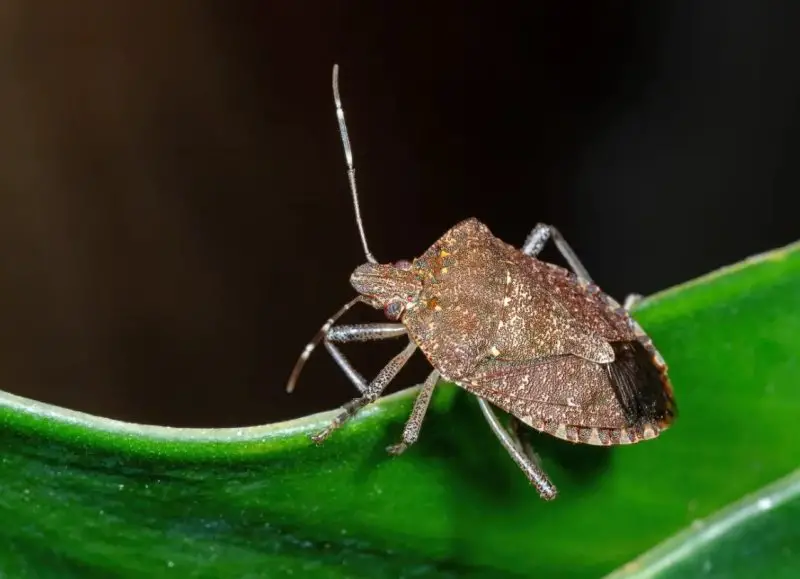
Iowa’s agricultural landscape plays a major role in supporting stink bug populations. Large areas of crops such as soybeans and corn provide both food and habitat. These environments allow stink bugs to feed, reproduce, and expand their numbers throughout the growing season.
As crops mature, stink bugs take advantage of the abundance of plant material. They feed on developing seeds and fruits, building up energy reserves that will later support their survival through colder months. This connection to agriculture means that rural and suburban areas alike can experience high levels of activity.
Climate also contributes. Iowa’s warm summers create ideal conditions for growth and reproduction, while cooler autumn temperatures trigger behavioral changes. These seasonal shifts are key to understanding why stink bugs suddenly become more visible.
Human environments add another layer. Buildings, landscaping, and outdoor structures create additional surfaces and shelter opportunities. As a result, stink bugs are not limited to fields. They transition into residential areas as part of their natural cycle.
What Actually Triggers a Stink Bug Swarm
Stink bug swarms are not chaotic gatherings. They are the result of environmental cues that signal a need for movement and shelter. The most important trigger is temperature.
As autumn approaches and temperatures begin to drop, stink bugs enter a phase known as diapause preparation. This is a state of dormancy that allows them to survive winter conditions. To prepare, they must find protected locations where they can remain inactive until spring.
Sunlight is another factor. Stink bugs are attracted to warm, sunlit surfaces, particularly on the exterior of buildings. South- and west-facing walls often receive the most sunlight, making them prime gathering spots.
Chemical signals also play a role. Stink bugs release pheromones that attract others to suitable locations. This is why small numbers can quickly grow into large clusters. Once a few individuals settle, others follow.
These combined triggers create the impression of a sudden swarm, but in reality, it is a coordinated response to environmental change.
Why They Gather on Homes Instead of Staying Outdoors
Many Iowa residents wonder why stink bugs leave natural environments and gather on homes. The answer lies in the advantages that buildings provide.
Homes offer stable temperatures compared to outdoor conditions. As nights become colder, the warmth retained by walls and roofs becomes increasingly attractive. This warmth helps stink bugs conserve energy as they prepare for dormancy.
Structures also provide physical protection. Cracks, gaps, and hidden spaces offer shelter from wind, rain, and predators. These locations mimic natural overwintering sites such as tree bark or rock crevices.
Light and color influence behavior as well. Lighter-colored surfaces can reflect sunlight, creating warm zones that draw stink bugs in. Windows and siding become focal points for activity.
In essence, homes replicate the conditions stink bugs seek in nature, but often in a more concentrated and accessible form.
The Slow Process of Entering Your Home
The movement of stink bugs into homes is not immediate. It is a gradual process that unfolds over days or even weeks. This slow progression is often overlooked because the final result appears sudden.
At first, stink bugs gather on exterior surfaces. They explore walls, windows, and rooflines, searching for entry points. These entry points can be extremely small, including gaps around windows, doors, vents, and siding.
Once inside, they move into hidden spaces such as attics, wall voids, and crawl areas. These locations provide the darkness and stability needed for dormancy. During this phase, they remain largely inactive and out of sight.
The reason they seem to appear suddenly indoors is that they occasionally emerge from these hidden spaces, especially when indoor temperatures rise. This creates the impression of a new invasion, even though they have been present all along.
Why Stink Bugs Appear Inside During Winter
It can be confusing to see stink bugs indoors during the middle of winter, especially when outdoor activity has ceased. This phenomenon is tied to temperature fluctuations within the home.
Heating systems create warm conditions that can disrupt the dormancy of stink bugs. When temperatures rise, they may become active and move toward light sources, such as windows.
This movement is not a sign of reproduction or increased activity outside. It is simply a response to internal conditions. The bugs are attempting to find their way back to suitable resting environments.
Because they are already inside, these appearances can continue throughout the winter. Each sighting may feel like a new problem, but it is part of the same group that entered earlier in the season.
Why They Release That Distinct Odor
The name “stink bug” comes from their ability to release a strong odor when disturbed. This odor is a defensive mechanism designed to deter predators.
The scent is produced by glands located in the thorax. When the bug feels threatened or is crushed, it releases a chemical mixture that has a sharp, unpleasant smell. This discourages animals from attacking or consuming them.
For humans, the odor can be noticeable but is generally not harmful. However, it can linger on surfaces and fabrics, which is why handling stink bugs carefully is recommended.
Understanding this behavior helps explain why certain actions, such as crushing them, can make the situation more unpleasant.
The Seasonal Cycle Most Residents Overlook
Stink bug activity in Iowa follows a clear annual cycle, though it often goes unnoticed until the swarming phase.
Spring marks the emergence of stink bugs from dormancy. They leave their overwintering sites and begin feeding and reproducing. During this time, they are less visible in large numbers.
Summer supports population growth. Abundant food sources allow stink bugs to develop and multiply. Activity remains spread out across fields and vegetation.
Autumn is the transition period. As temperatures drop, stink bugs begin seeking shelter. This is when swarms become most noticeable, especially around homes.
Winter is a period of inactivity. Stink bugs remain hidden, emerging only occasionally due to indoor conditions. This cycle repeats each year, creating predictable patterns of appearance.
Why Some Homes Have More Stink Bugs Than Others
Not all homes experience stink bug swarms to the same degree. Several factors influence how attractive a structure is to these insects.
Location is one of the most important. Homes near agricultural fields, wooded areas, or open landscapes tend to have higher exposure. These environments support larger populations.
Building design also matters. Structures with more gaps, older materials, or less effective sealing provide easier access. Even small openings can allow entry.
Sun exposure plays a role as well. Homes with large sunlit surfaces, particularly on certain sides, are more likely to attract stink bugs during the swarming phase.
Surrounding vegetation can influence activity. Trees, shrubs, and gardens create transitional zones that connect natural habitats with residential spaces.
These factors combine to create noticeable differences between properties, even within the same neighborhood.
Why Stink Bugs Seem to Appear All at Once
The sudden appearance of stink bugs indoors is one of the most frustrating aspects of their behavior. This perception is largely due to timing and visibility.
Because stink bugs enter homes gradually and remain hidden, their presence builds quietly. When conditions change, such as increased indoor warmth, they become more active and visible at the same time.
This synchronized movement creates the impression of a sudden influx. In reality, it is the result of accumulated presence combined with a shared response to environmental triggers.
Recognizing this pattern helps explain why their appearance can feel abrupt even though the process has been ongoing.
What To Do When You Find Them Indoors
Managing stink bugs indoors requires a calm and practical approach. Because they do not reproduce inside homes, the goal is removal rather than elimination of a breeding population.
Physical removal is the most effective method. Using a vacuum or gently capturing the bugs allows them to be removed without releasing odor. Disposal should be done carefully to avoid crushing them.
Sealing entry points is an important step in prevention. Identifying and closing gaps reduces the likelihood of future entry.
Avoiding actions that trigger odor release helps maintain a more comfortable environment. Handling them with minimal disturbance is key.
Consistency is important. Addressing the issue gradually over time leads to better results than reacting only when large numbers appear.
Preventing Future Stink Bug Swarms
Prevention focuses on reducing the factors that attract and allow stink bugs to enter homes. Sealing cracks, repairing screens, and maintaining structural integrity are essential steps.
Managing outdoor lighting can also help. Lights attract insects, which in turn attract stink bugs. Reducing unnecessary lighting near entry points can lower activity.
Landscaping adjustments may make a difference. Keeping vegetation trimmed and maintaining distance between plants and structures reduces access points.
Seasonal awareness is critical. Taking preventive measures before autumn increases effectiveness, as it limits entry during the most active period.
These steps create a layered approach that reduces both attraction and access.
The Ecological Role of Stink Bugs in Iowa
Despite their reputation, stink bugs are part of Iowa’s ecological system. They interact with plants, predators, and other insects in ways that contribute to overall balance.
Some species feed on pests, helping control populations that might otherwise damage crops. Others play roles in nutrient cycling through their feeding behavior.
They also serve as food for certain predators, linking them to broader food webs. While their impact on agriculture can be negative, their presence reflects the complexity of the ecosystem.
Understanding this role provides a more balanced perspective on their place in the environment.
FAQs About Stink Bug Swarms in Iowa
Why do stink bugs gather on houses in the fall?
They are seeking warm, protected places to survive the winter, and homes provide ideal conditions.
Do stink bugs reproduce inside homes?
No, they do not reproduce indoors. They enter homes to overwinter, not to breed.
Why do they smell when crushed?
They release a defensive chemical to deter predators, which produces the characteristic odor.
Are stink bugs harmful to humans?
They are not harmful to people but can be a nuisance due to their presence and odor.
How do they get inside?
They enter through small gaps around windows, doors, vents, and other openings.
Why do they appear during winter?
Indoor warmth can cause them to become active and move toward light sources.
Can stink bugs damage homes?
They do not damage structures but can stain surfaces and create unpleasant odors.
What is the best way to remove them?
Gentle removal or vacuuming is effective, as it avoids triggering odor release.
Final Thoughts
Stink bug swarms in Iowa are not mysterious invasions but predictable responses to seasonal change. These insects follow a structured cycle that leads them from fields to homes as temperatures drop.
By understanding the patterns behind their behavior, residents can reduce both the impact and the frustration of dealing with them. Awareness turns a sudden problem into a manageable one.
Stink bugs may never be welcome guests, but they are part of a larger system that reflects the connection between natural and human environments. Recognizing that connection makes their presence easier to understand, even if it remains inconvenient.