
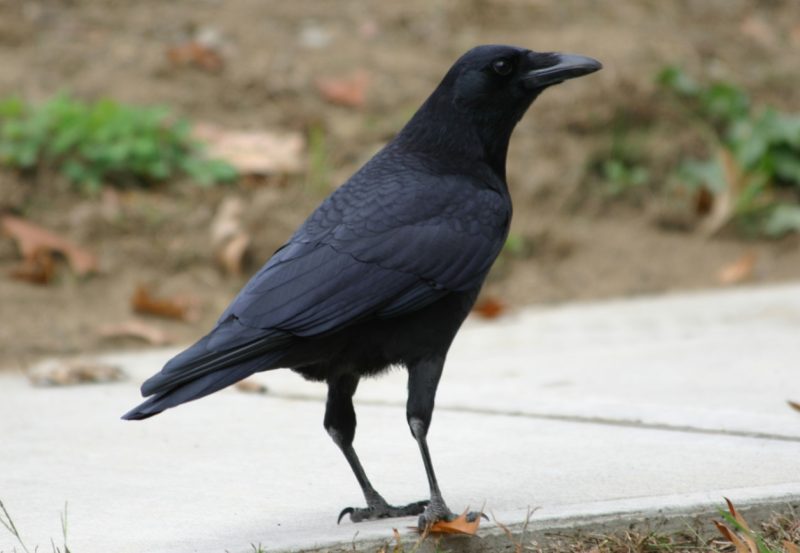
Crows are among the most familiar yet misunderstood birds in Michigan, appearing in backyards, fields, and neighborhoods with a presence that feels both ordinary and mysterious. Many residents notice them as dark silhouettes perched on fences or hear their distinctive calls echoing across quiet mornings. Yet what most people do not realize is that these birds are not simply passing through or behaving without purpose. Their actions are structured, their movements are intentional, and their presence reflects a deep connection to the environment around them.
In Michigan, crows are highly adaptable and intelligent birds that have learned to navigate both natural landscapes and human spaces with remarkable efficiency. They observe, remember, and respond to patterns in ways that often go unnoticed. What might seem like casual activity—walking across a lawn, gathering in groups, or calling loudly from a tree—is actually part of a complex system of communication and survival.
Once you begin to understand how crows operate, their behavior becomes easier to interpret. Their visits to your yard are not accidental. They are part of a broader routine shaped by food availability, seasonal changes, and social structure. And that routine unfolds every day, often right in plain sight.
Table of Contents
- 1 Why Crows Are So Common in Michigan Neighborhoods
- 2 The Daily Routine Most People Never Notice
- 3 Why Crows Gather in Large Numbers
- 4 The Intelligence Behind Crow Behavior
- 5 How Crows Use Your Yard as a Resource
- 6 Why Crows Sometimes Seem Noisy or Aggressive
- 7 Seasonal Changes in Crow Behavior Across Michigan
- 8 Why Crows Remember and Return to Specific Locations
- 9 The Subtle Signs Crows Are Nesting Nearby
- 10 Common Misunderstandings About Crows in Residential Areas
- 11 The Ecological Role of Crows in Michigan
- 12 FAQs About Crows in Michigan Yards
- 12.1 Why do crows visit my yard regularly?
- 12.2 Are crows beneficial to have around?
- 12.3 Do crows stay in Michigan all year?
- 12.4 Why are crows so loud?
- 12.5 Can crows recognize people?
- 12.6 Why do crows gather in large groups?
- 12.7 Do crows damage property?
- 12.8 How can I reduce crow activity in my yard?
- 13 Final Thoughts
Why Crows Are So Common in Michigan Neighborhoods
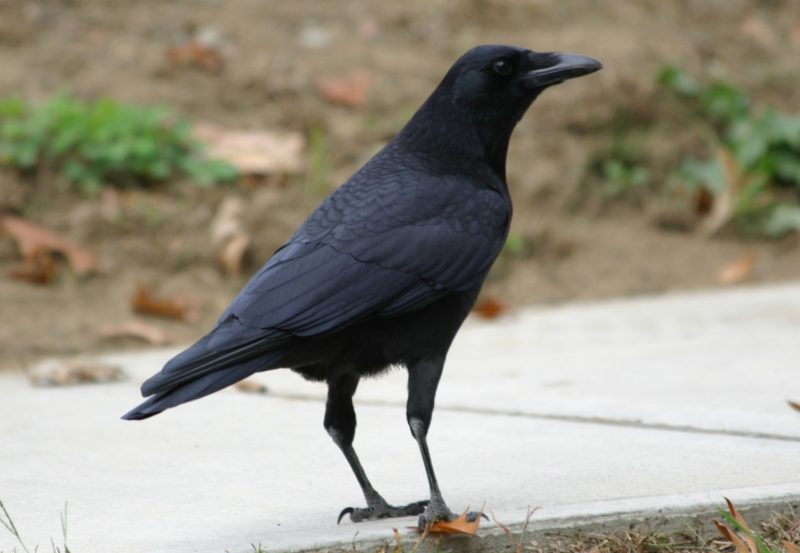
Michigan offers an ideal combination of habitats that support crow populations throughout the year. From rural farmland to suburban neighborhoods, these birds find everything they need to survive and thrive.
One of the key factors is food availability. Crows are omnivorous and highly opportunistic. They eat insects, seeds, fruits, small animals, and even human food waste. This flexibility allows them to take advantage of a wide range of environments. In residential areas, lawns, gardens, and trash bins all become potential feeding grounds.
Another important factor is habitat diversity. Michigan’s mix of forests, open fields, and urban spaces provides crows with nesting sites, roosting areas, and foraging zones within close proximity. This variety allows them to move easily between different resources without traveling long distances.
Climate also plays a role. While some crows migrate short distances, many remain in Michigan year-round. Their ability to adapt to colder temperatures, combined with reliable food sources, allows them to maintain a consistent presence even during winter.
The Daily Routine Most People Never Notice
To many observers, crows appear to move unpredictably, flying from place to place and calling loudly without clear purpose. In reality, their daily routine is highly structured and follows consistent patterns.
Early morning is a key period. Crows leave communal roosting sites and begin foraging. This is when they are most active and vocal, communicating with one another as they spread out across the landscape.
Midday often brings a shift. Activity becomes more focused and less vocal. Crows may spend time resting, preening, or continuing to forage in quieter ways. This period can make them seem less visible, even though they remain nearby.
Late afternoon and evening mark another important phase. Crows begin to regroup, often gathering in larger numbers before returning to their roosts. These gatherings can be striking, with multiple birds calling and moving together in coordinated ways.
This routine repeats daily, creating a rhythm that becomes recognizable once you know what to look for.
Why Crows Gather in Large Numbers
One of the most noticeable aspects of crow behavior in Michigan is their tendency to gather in groups, sometimes forming large flocks that seem to appear suddenly.
These gatherings serve multiple purposes. Safety is one of the most important. By grouping together, crows reduce the risk of predation. More eyes mean better detection of potential threats.
Information sharing is another key factor. Crows communicate about food sources, allowing individuals to benefit from the discoveries of others. This collective knowledge increases efficiency and survival.
Seasonal changes influence group size. During colder months, flocks tend to grow larger as crows come together to share resources and conserve energy. In warmer seasons, they may spread out more as breeding pairs establish territories.
These gatherings are not chaotic. They are organized and purposeful, reflecting the social nature of these birds.
The Intelligence Behind Crow Behavior
Crows are widely recognized for their intelligence, but the extent of their cognitive abilities is often underestimated. In Michigan, their behavior reveals a level of problem-solving and awareness that sets them apart from many other birds.
They are capable of using tools, recognizing patterns, and remembering specific locations. This allows them to return to reliable food sources and avoid areas where they have encountered danger.
Crows also recognize individual human faces. If a person has previously disturbed or threatened them, they may respond differently during future encounters. This memory can persist over long periods.
Their communication is equally sophisticated. Different calls convey different meanings, from warnings to coordination signals. Observing these interactions reveals a system of communication that goes far beyond simple noise.
How Crows Use Your Yard as a Resource
For crows, a Michigan yard is more than just a place to visit. It is a resource zone that provides food, water, and shelter.
Lawns are particularly important. Crows often walk across grass, searching for insects, worms, and other small prey. This behavior may appear casual, but it is a deliberate foraging strategy.
Trees and structures provide perching points. From these vantage points, crows can observe their surroundings and detect both opportunities and threats.
Water sources also attract crows. Birdbaths, puddles, and even small containers can serve as drinking and bathing sites. Maintaining access to water increases the likelihood of regular visits.
Human activity plays a role as well. Trash, compost, and outdoor food can become feeding opportunities. Crows quickly learn to associate certain locations with reliable resources.
Why Crows Sometimes Seem Noisy or Aggressive
Crow vocalizations are one of their most distinctive traits, and their loud calls can sometimes be perceived as aggressive or disruptive.
In reality, these calls serve specific functions. They may signal the presence of food, warn of predators, or coordinate movement within a group. What sounds like noise is actually structured communication.
During breeding season, crows can become more protective of their nests. This may lead to increased vocalization or defensive behavior if they perceive a threat nearby. These actions are temporary and tied to specific conditions.
Understanding the purpose behind these behaviors helps reframe them. Instead of seeing them as disruptive, it becomes clear that they are part of a communication system that operates continuously.
Seasonal Changes in Crow Behavior Across Michigan
Crow behavior in Michigan shifts throughout the year, reflecting changes in weather, food availability, and breeding cycles.
Spring marks the beginning of nesting season. Pairs establish territories, build nests, and raise young. Activity becomes more focused, and interactions are often centered around specific areas.
Summer continues this pattern, with parents caring for fledglings. Young crows begin to explore their environment, learning essential survival skills.
Autumn brings a transition. Crows become more social, forming larger groups and expanding their foraging areas. This is a time of preparation for colder months.
Winter highlights their adaptability. Large communal roosts form, sometimes containing hundreds or even thousands of birds. These gatherings help conserve energy and provide protection.
These seasonal shifts create a dynamic pattern that reflects changing priorities throughout the year.
Why Crows Remember and Return to Specific Locations
One of the most fascinating aspects of crow behavior is their ability to remember and revisit specific locations. This is particularly noticeable in residential areas where they appear repeatedly.
Crows use memory to track food sources, safe resting areas, and potential threats. Once they identify a reliable location, they incorporate it into their routine.
This memory is not short-term. Crows can remember locations for extended periods, returning even after significant time has passed. This ability contributes to their success in adapting to human environments.
It also explains why certain yards attract consistent crow activity. Once a yard is recognized as a valuable resource, it becomes part of their daily or seasonal patterns.
The Subtle Signs Crows Are Nesting Nearby
Many Michigan residents are unaware that crows are nesting close to their homes. Their nests are often high in trees and well concealed.
One sign is repeated movement. If crows frequently travel to the same tree or area, especially carrying materials or food, a nest may be present.
Increased vocal activity can also indicate nesting. Calls may become more frequent and more focused around a specific location.
Protective behavior is another clue. Crows may become more alert or vocal when people or animals approach the nesting area. This response is part of their effort to protect their young.
Recognizing these signs reveals a layer of activity that often goes unnoticed.
Common Misunderstandings About Crows in Residential Areas
Crows are often misunderstood, leading to misconceptions about their behavior and impact.
One common belief is that they are destructive. While they may occasionally disturb gardens or trash, their overall impact is balanced by their role in controlling insect populations and cleaning up organic waste.
Another misconception is that they are unpredictable. In reality, their behavior follows clear patterns tied to environmental conditions and social structure.
Some people also assume that crows are solitary. In fact, they are highly social and rely on group dynamics for survival.
Understanding these points helps create a more accurate picture of their presence in residential areas.
The Ecological Role of Crows in Michigan
Crows play an important role in Michigan’s ecosystems. As omnivores, they contribute to multiple aspects of ecological balance.
They help control insect populations by feeding on various pests. This can benefit both natural environments and agricultural areas.
They also act as scavengers, consuming carrion and organic waste. This helps reduce the spread of disease and supports nutrient cycling.
Their interactions with other species further connect them to the broader ecosystem. They are both predators and prey, linking different levels of the food web.
These roles highlight their importance beyond their visibility in yards and neighborhoods.
FAQs About Crows in Michigan Yards
Why do crows visit my yard regularly?
Crows return to locations that provide reliable food, water, and safe perching areas. Once identified, these locations become part of their routine.
Are crows beneficial to have around?
Yes, they help control insects and clean up organic waste, contributing to ecological balance.
Do crows stay in Michigan all year?
Many crows remain year-round, though some may move short distances depending on conditions.
Why are crows so loud?
Their calls are part of communication, used for coordination, warnings, and social interaction.
Can crows recognize people?
Yes, they can remember individual human faces and respond based on past experiences.
Why do crows gather in large groups?
Group behavior provides safety, improves communication, and increases foraging efficiency.
Do crows damage property?
They may occasionally disturb trash or gardens, but significant damage is uncommon.
How can I reduce crow activity in my yard?
Limiting food sources and securing trash can reduce their presence if needed.
Final Thoughts
Crows are a constant yet often overlooked part of life in Michigan. Their presence in yards and neighborhoods reflects a complex system of behavior shaped by intelligence, adaptability, and social structure.
What may seem like simple activity is actually part of a larger pattern that unfolds daily and seasonally. By paying closer attention, residents can gain a deeper understanding of how these birds interact with their environment.
Crows are not just background figures in the landscape. They are active participants in the ecosystems that surround Michigan homes. Recognizing their patterns and purpose transforms familiar encounters into something far more meaningful.