
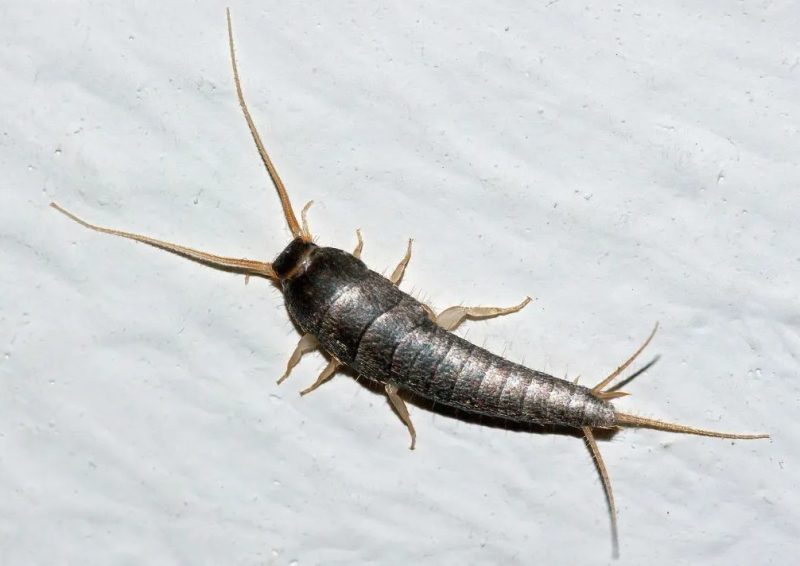
Many Connecticut homeowners eventually notice small, silvery insects darting across the bathroom floor late at night. These insects move quickly, disappear into tiny cracks, and often leave residents wondering where they came from. The creature responsible for these sightings is usually the silverfish, one of the oldest insect species still living today.
Silverfish are common in homes across the northeastern United States, and bathrooms provide some of their favorite hiding places. Their presence often raises concerns about cleanliness or potential infestations. However, the truth about these insects is more complex than many residents realize. Silverfish are not attracted to dirt in the way people often assume. Instead, they are drawn to moisture, warmth, and specific food sources that bathrooms frequently provide.
Understanding how silverfish live, why they appear in bathrooms, and what attracts them into Connecticut homes can help homeowners manage the problem more effectively. These insects are fascinating from a biological perspective, and learning about their behavior often reveals that their presence is less mysterious than it first seems.
Table of Contents
- 1 What Silverfish Actually Are
- 2 Why Bathrooms Attract Silverfish
- 3 The Role of Moisture in Silverfish Survival
- 4 What Silverfish Eat in Bathrooms
- 5 Why Silverfish Appear Mostly at Night
- 6 Why Silverfish Move So Quickly
- 7 How Silverfish Enter Connecticut Homes
- 8 Signs of a Silverfish Problem
- 9 Why Silverfish Are So Difficult to Eliminate
- 10 Preventing Silverfish in Bathrooms
- 11 The Ecological Role of Silverfish
- 12 FAQs About Bathroom Silverfish in Connecticut
- 13 Final Thoughts
What Silverfish Actually Are
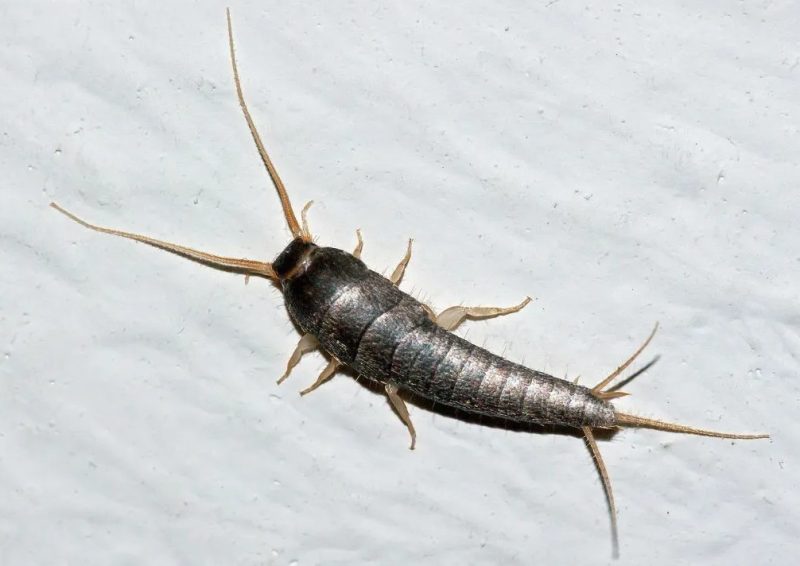
Silverfish are small wingless insects belonging to the order Zygentoma. Their name comes from their metallic silver coloration and the fish-like movement they display when running across surfaces.
Adult silverfish typically measure between half an inch and three-quarters of an inch long. Their bodies are flattened and covered with tiny reflective scales that give them a shimmering appearance. At the rear of their bodies, three long tail-like appendages extend outward, making them easy to identify.
One remarkable fact about silverfish is how ancient they are. Fossil evidence suggests their ancestors existed more than 300 million years ago, long before dinosaurs appeared on Earth. This ancient lineage explains why their body structure differs significantly from many modern insects.
Unlike most insects, silverfish do not undergo a complete metamorphosis. Instead of passing through larval and pupal stages, they gradually grow larger through a process of molting.
Even as adults, silverfish continue to molt periodically throughout their lives, which can span several years under favorable conditions.
Why Bathrooms Attract Silverfish
Bathrooms create an environment that closely matches the conditions silverfish prefer.
These insects thrive in locations where humidity remains high. Moisture allows them to avoid dehydration and provides an environment where their food sources remain accessible.
In Connecticut homes, bathrooms often contain several factors that make them ideal habitats.
Warm temperatures from showers and baths raise humidity levels inside enclosed spaces. Small crevices behind baseboards, under cabinets, and around plumbing fixtures provide safe hiding places during the day.
Silverfish prefer to remain hidden in dark locations and become active primarily at night. This behavior explains why homeowners usually encounter them only when entering the bathroom late in the evening or early morning.
The insects quickly retreat into cracks when lights turn on, which can make them seem elusive and difficult to track.
The Role of Moisture in Silverfish Survival
Moisture is one of the most important factors influencing silverfish activity.
Unlike many insects that can tolerate dry conditions, silverfish require relatively humid environments to survive comfortably. Their bodies lose moisture easily, which means dry air can quickly become harmful to them.
Bathrooms often remain one of the most humid rooms in the house, especially when ventilation is limited.
Steam from showers and sinks increases humidity levels throughout the space. If the bathroom lacks proper airflow or an exhaust fan, the moisture may linger for extended periods.
These conditions create an environment where silverfish can thrive.
Even small amounts of condensation around pipes, tiles, or flooring can provide enough humidity for them to survive.
What Silverfish Eat in Bathrooms
Another reason silverfish are drawn to bathrooms is the availability of food.
Although many people assume these insects eat dirt or waste, their diet is actually quite specific.
Silverfish primarily consume materials that contain starch, carbohydrates, and certain types of proteins.
In bathrooms, several unexpected food sources may attract them.
Common items include paper products such as toilet paper, tissues, and cardboard packaging. Adhesives used in book bindings, wallpaper, and labels can also serve as food.
Silverfish may even feed on microscopic mold or fungi that develop in damp areas.
Soap residues, toothpaste splashes, and hair products can contain ingredients that provide nutrients as well.
Because these materials are common in bathrooms, silverfish often find a steady food supply without needing to travel far.
Why Silverfish Appear Mostly at Night
Silverfish are nocturnal insects, meaning they are most active during nighttime hours.
This behavior provides several advantages for their survival.
Darkness protects them from predators and reduces the chance of being noticed by humans. It also allows them to move freely between hiding places and food sources.
During the day, silverfish remain hidden in cracks and crevices where they are protected from light and disturbance.
At night, they emerge to forage for food.
This pattern explains why homeowners frequently encounter silverfish when entering the bathroom late at night.
The sudden appearance of a fast-moving insect can be surprising, but it is simply the result of the insect following its natural activity cycle.
Why Silverfish Move So Quickly
Silverfish are known for their rapid, darting movements.
Their bodies are designed for speed and flexibility, allowing them to slip into narrow spaces almost instantly.
The fish-like motion that gives them their name comes from the way their bodies undulate as they move.
This movement pattern helps them navigate across smooth surfaces like tiles or countertops.
Speed also serves as a defense mechanism.
When exposed to light or sudden movement, silverfish react quickly by retreating into nearby cracks.
Because of this behavior, homeowners often struggle to capture or eliminate them after spotting one.
How Silverfish Enter Connecticut Homes
Silverfish often enter homes through small openings around doors, windows, and foundation cracks.
Once inside, they search for environments that match their survival needs.
Bathrooms, basements, and kitchens frequently provide the humidity and food sources they require.
In some cases, silverfish may already be present inside homes when residents move in.
Eggs or young insects can hide in cardboard boxes, stored books, or building materials.
Once conditions become favorable, the insects begin reproducing and gradually spread through the house.
Because they reproduce slowly compared to many pests, infestations often develop gradually over time.
Signs of a Silverfish Problem
Although silverfish themselves may be difficult to spot regularly, they often leave subtle signs behind.
One common sign is small irregular holes in paper products.
Silverfish feeding on paper, cardboard, or fabrics may leave thin, scraped areas where they have consumed surface layers.
Another indicator is yellowish stains or tiny black droppings near feeding areas.
Molted skins may also appear in hidden corners or along baseboards.
Because silverfish shed their outer layers as they grow, these translucent skins sometimes accumulate in areas where the insects spend time hiding.
These clues often help homeowners determine whether silverfish are present even if the insects are rarely seen.
Why Silverfish Are So Difficult to Eliminate
Silverfish can be challenging to remove completely because of their secretive behavior.
They prefer narrow cracks and dark crevices that are difficult to access.
Even thorough cleaning may not reach the hidden spaces where they hide during the day.
Their slow metabolism also allows them to survive long periods without food.
In some cases, silverfish can live for weeks or even months with minimal resources.
This resilience means that eliminating food sources alone may not immediately remove them.
Reducing humidity and sealing entry points are often necessary steps in controlling their populations.
Preventing Silverfish in Bathrooms
Preventing silverfish often begins with managing moisture levels.
Installing or using bathroom exhaust fans can significantly reduce humidity after showers.
Opening windows when weather permits can also improve airflow and lower moisture levels.
Repairing leaks around pipes, faucets, or fixtures prevents water from accumulating in hidden areas.
Keeping bathrooms clean and reducing clutter helps remove potential food sources.
Storing paper products in sealed containers may also discourage feeding.
Sealing cracks around baseboards, tiles, and plumbing openings can limit the insects’ hiding places.
These combined steps often reduce the likelihood of silverfish establishing large populations.
The Ecological Role of Silverfish
Although silverfish can be unwelcome indoors, they serve useful roles in natural ecosystems.
In outdoor environments, they help break down organic materials such as decaying leaves and plant debris.
This decomposition process contributes to nutrient recycling in soil.
Silverfish also serve as food for various predators, including spiders and other insects.
Their presence in nature reflects their role as part of the larger ecological web.
Indoors, however, their feeding habits sometimes conflict with human environments, especially when they damage paper materials or stored items.
FAQs About Bathroom Silverfish in Connecticut
Are silverfish dangerous to humans?
Silverfish do not bite humans and are not known to transmit diseases. They are primarily considered nuisance pests rather than dangerous insects.
Why do silverfish appear suddenly?
They often remain hidden for long periods. Changes in humidity or temperature may cause them to become more active, making them easier to notice.
Do silverfish indicate a dirty home?
Not necessarily. They are attracted mainly to moisture and food sources like paper or adhesives, which can exist in even very clean homes.
How long do silverfish live?
Under favorable conditions, silverfish can live several years, which is unusually long for small insects.
Can silverfish spread throughout the house?
Yes. If conditions remain favorable, they may move into other humid areas such as basements, kitchens, or laundry rooms.
Final Thoughts
Silverfish are among the most ancient and adaptable insects found inside homes. Their appearance in Connecticut bathrooms often surprises homeowners, especially when the insects seem to emerge suddenly from hidden cracks late at night.
Despite their unsettling appearance, silverfish are not harmful to humans. Their presence is usually linked to environmental conditions such as humidity, warmth, and accessible food sources rather than poor hygiene.
By understanding what attracts silverfish and how they survive indoors, homeowners can take practical steps to reduce their numbers. Managing moisture, sealing entry points, and removing potential food sources often make bathrooms far less appealing to these insects.
While spotting a silverfish may be startling at first, learning about their biology reveals that they are simply ancient survivors taking advantage of the comfortable environments modern homes sometimes provide.