
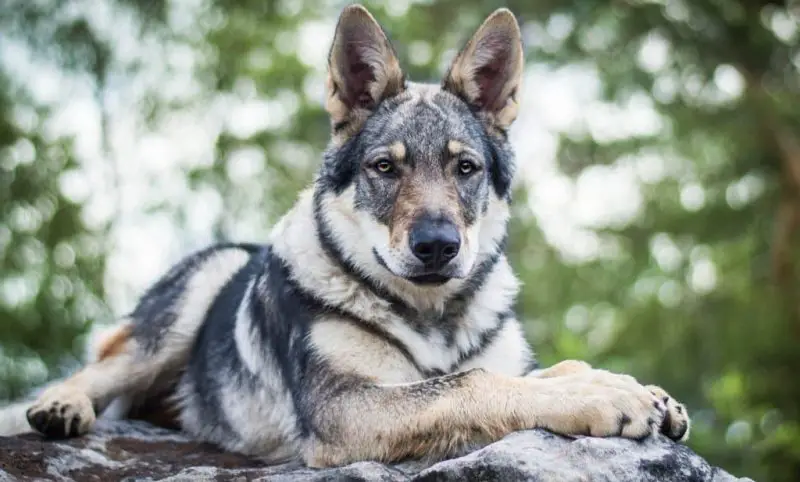
In Michigan, wolves inspire both fascination and fear. They represent wilderness, recovery, and controversy all at once. As gray wolf populations stabilized in parts of the state, especially in the Upper Peninsula, sightings became more common. With visibility came questions, and one question returns again and again.
Are wolves in Michigan mating with domestic dogs?
The idea feels believable to many people. Wolves look like large dogs. Dogs sometimes roam in rural areas. Stories circulate online about strange-looking animals that seem to blur the line between wild and domestic. But what feels possible is not always what actually happens in nature.
To answer this question honestly, it is necessary to look at genetics, behavior, ecology, and what decades of research in Michigan and the broader Great Lakes region actually show.
Table of Contents
- 1 Wolves Are Native to Michigan’s Upper Peninsula
- 2 Domestic Dogs Share Ancestry With Wolves
- 3 Yes, Wolves and Dogs Can Interbreed
- 4 Natural Hybridization Is Extremely Rare in Michigan
- 5 Behavior Is the Primary Barrier
- 6 Wolves Are Highly Territorial
- 7 Wolves Prefer Wolves
- 8 Michigan Wolves Are Not Mate-Limited
- 9 When Wolf–Dog Hybrids Are Most Likely
- 10 Wolfdogs Do Not Form Stable Wild Populations
- 11 Why Michigan Residents Think Hybridization Is Common
- 12 Appearance Is Not Reliable Evidence
- 13 Trail Cameras Add Confusion
- 14 What Genetic Studies Show
- 15 What Michigan Wildlife Agencies Say
- 16 Why the Myth Persists
- 17 The Difference Between Wolfdogs and Coywolves
- 18 Pet Safety in Wolf Country
- 19 Human Behavior Influences Conflict
- 20 Why Understanding This Matters
- 21 Wolves Remain Wolves in Michigan
- 22 FAQs About Wolves and Domestic Dogs in Michigan
- 22.1 Can wolves in Michigan mate with domestic dogs
- 22.2 Are wolf–dog hybrids common in Michigan
- 22.3 Have wolfdogs been confirmed in the wild in Michigan
- 22.4 Why don’t wolves and dogs mate more often
- 22.5 Where do wolves live in Michigan
- 22.6 Are wolves aggressive toward domestic dogs
- 22.7 Can appearance alone identify a hybrid
- 22.8 Do trail camera photos reliably show hybrids
- 22.9 Are coywolves found in Michigan
- 22.10 What do Michigan wildlife agencies say
- 23 Final Thoughts
Wolves Are Native to Michigan’s Upper Peninsula
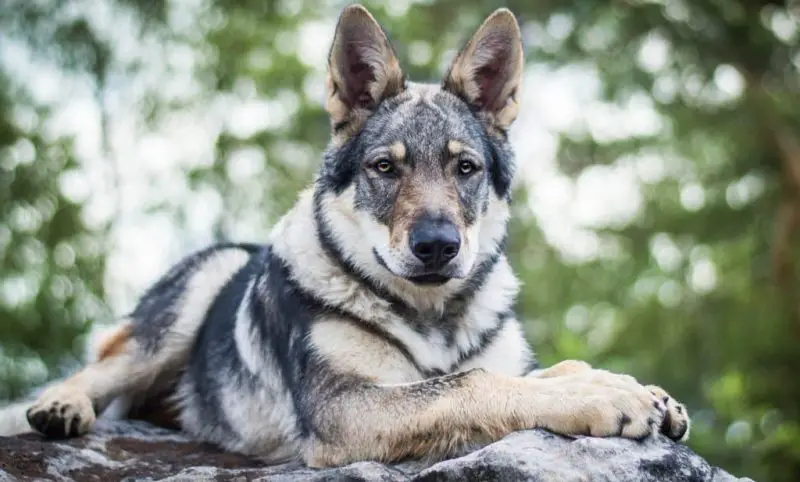
Gray wolves (Canis lupus) are native to Michigan. After being largely eliminated from the Lower Peninsula and severely reduced in the Upper Peninsula during the early 20th century, wolves began returning naturally from Wisconsin in the 1990s.
Today, Michigan’s wolf population is almost entirely confined to the Upper Peninsula. This region provides large tracts of forest, low human density, and abundant prey such as deer and moose.
Wolves remain absent from most of the Lower Peninsula, despite occasional reports. Verified populations do not exist there.
This geographic isolation matters when discussing hybridization.
Domestic dogs (Canis lupus familiaris) are descended from wolves. Genetically, they are extremely close. In fact, dogs are classified as a subspecies of gray wolf.
This closeness means that wolves and dogs are biologically capable of interbreeding. They have compatible chromosome numbers and reproductive systems.
This point is not disputed by science.
However, biological capability does not determine what happens naturally in the wild.
Yes, Wolves and Dogs Can Interbreed
Wolf–dog hybrids, sometimes called wolfdogs, do exist. Genetic testing has confirmed their existence in certain parts of the world.
But these cases are almost always tied to human involvement. Captive breeding. Intentional crossing. Or unusual situations where dogs are allowed to roam freely in wolf territory.
The critical question is not whether it is possible, but whether it happens naturally and frequently in Michigan.
Natural Hybridization Is Extremely Rare in Michigan
In Michigan, natural wolf–dog hybridization is considered rare.
Extensive genetic testing of wolves in the Upper Peninsula has been conducted by wildlife agencies and researchers. These tests consistently show that Michigan wolves are genetically distinct and overwhelmingly pure.
There is no evidence of widespread or ongoing hybridization with domestic dogs in the wild.
Behavior Is the Primary Barrier
The biggest obstacle to wolf–dog mating is not genetics. It is behavior.
Wolves are highly social animals with complex pack structures. They rely on coordinated hunting, territory defense, and strict social hierarchies.
Dogs do not share these social rules.
Courtship behaviors differ. Communication signals differ. Timing differs. Wolves breed once per year, typically in late winter. Dogs can breed multiple times per year and do not synchronize naturally with wolf breeding cycles.
Even when wolves and dogs occupy the same landscape, mating behavior rarely aligns.
Wolves Are Highly Territorial
Wolves defend territories aggressively.
In Michigan’s Upper Peninsula, wolf packs maintain large territories and actively exclude other canids, including dogs. Free-roaming dogs that enter wolf territory are more likely to be chased, injured, or killed than accepted.
This territorial aggression drastically reduces prolonged contact, which is required for mating.
Wolves do not tolerate intruders.
Wolves Prefer Wolves
Wolves form strong pair bonds.
They mate with other wolves because it maximizes survival and reproductive success. Wolf offspring are adapted to pack life, cooperative hunting, and territorial defense.
Hybrid offspring may lack the behavioral traits necessary to survive within a wolf pack.
Natural selection discourages hybridization when suitable wolf mates are available.
Michigan Wolves Are Not Mate-Limited
Hybridization often occurs when animals cannot find mates of their own species.
This is not the case in Michigan. Wolf populations in the Upper Peninsula are stable and connected to populations in Wisconsin and Ontario.
Mate availability is not a limiting factor.
Without pressure, there is no evolutionary reason to seek dogs as mates.
When Wolf–Dog Hybrids Are Most Likely
Documented hybridization events usually involve unusual conditions.
These include areas where wolves are isolated, where dogs roam unsupervised near wolf habitat, or where human intervention occurs.
In Michigan, most suspected hybrid cases investigated by wildlife agencies have been resolved as either pure wolves, pure dogs, or misidentified animals.
Wolfdogs Do Not Form Stable Wild Populations
Even when wolf–dog hybrids are born, they do not form stable populations in the wild.
Hybrids often struggle with social integration. They may not be accepted by wolf packs. They may lack effective hunting behavior or appropriate fear of humans.
As a result, they rarely survive long enough to reproduce consistently.
This prevents hybrid populations from expanding.
Why Michigan Residents Think Hybridization Is Common
Perception plays a major role.
Michigan’s forests are vast. Sightings are often brief. Lighting is poor. Distance distorts size.
A large dog in the woods can look wolf-like. A wolf with unusual coloring can look dog-like. Winter coats make wolves appear bulkier.
Expectation fills in the gaps.
Appearance Is Not Reliable Evidence
Wolves vary widely in appearance.
Some are gray. Others are black. Some are lean. Others are massive. Coat thickness changes seasonally.
Many dog breeds resemble wolves closely. Huskies, malamutes, shepherd mixes, and wolf-lookalike breeds are often mistaken for wild wolves.
Visual identification alone cannot confirm hybrid status.
Trail Cameras Add Confusion
Trail cameras often exaggerate size and proportions.
Wide-angle lenses stretch bodies. Night images exaggerate eyes and legs. Lack of scale makes animals appear larger or stranger than they are.
Images without context invite speculation.
What Genetic Studies Show
Genetic studies in the Great Lakes region consistently show that Michigan wolves retain strong genetic integrity.
Occasional traces of dog ancestry have been detected in some wolf populations elsewhere, but these are rare and typically associated with historic events rather than ongoing hybridization.
Michigan’s wolves remain overwhelmingly wolf.
What Michigan Wildlife Agencies Say
Michigan wildlife officials are clear.
Wolf–dog hybridization is biologically possible but not a significant concern in the state. There is no evidence of widespread hybridization affecting wolf populations.
Management decisions are based on solid genetic data, not anecdotal reports.
Why the Myth Persists
Hybrid stories are compelling.
They suggest danger, mystery, and blurred boundaries. They spread easily online. Corrections are less exciting than rumors.
In a state where wolves already generate strong opinions, hybrid myths gain traction quickly.
The Difference Between Wolfdogs and Coywolves
Confusion often extends beyond wolves and dogs.
Coywolves are eastern canids with coyote and wolf ancestry, primarily found in the Northeast. Michigan does not have coywolf populations.
Mixing these terms adds to misunderstanding.
Pet Safety in Wolf Country
While wolves do not mate with dogs, they may attack dogs under certain conditions.
Dogs that roam freely in wolf habitat can be viewed as intruders or competitors. Keeping dogs supervised and leashed in wolf territory reduces risk.
This is a safety issue, not a hybridization issue.
Human Behavior Influences Conflict
Feeding wildlife, allowing dogs to roam, and encroaching into habitat increase conflict.
Responsible behavior reduces risk far more effectively than worrying about hybrids.
Why Understanding This Matters
Belief in hybridization can influence policy, fear, and tolerance.
It can lead to unnecessary hostility toward wolves or dogs. It distracts from real conservation challenges such as habitat protection and coexistence.
Accurate understanding supports balanced decision-making.
Wolves Remain Wolves in Michigan
Michigan’s wolves are not becoming something else.
They are not blending into domestic populations. They are not losing their identity.
They remain wild animals shaped by natural selection, pack structure, and ecological roles.
FAQs About Wolves and Domestic Dogs in Michigan
Can wolves in Michigan mate with domestic dogs
Yes, it is biologically possible, but natural hybridization is rare in Michigan.
Are wolf–dog hybrids common in Michigan
No. Genetic studies show Michigan’s wolves remain overwhelmingly pure, with no evidence of widespread hybridization.
Have wolfdogs been confirmed in the wild in Michigan
Confirmed cases are extremely rare and usually involve unusual circumstances or human involvement.
Why don’t wolves and dogs mate more often
Behavioral differences, territorial aggression, and mismatched breeding cycles prevent regular mating.
Where do wolves live in Michigan
Wolves are found almost exclusively in the Upper Peninsula, where habitat and prey are suitable.
Are wolves aggressive toward domestic dogs
Wolves may view free-roaming dogs as intruders or competitors and can attack them, especially near pack territories.
Can appearance alone identify a hybrid
No. Wolves and dogs vary widely in appearance, and visual identification cannot confirm hybrid status.
Do trail camera photos reliably show hybrids
No. Camera angles, lighting, and lack of scale often distort appearance and cause misidentification.
Are coywolves found in Michigan
No. Coywolves occur mainly in the northeastern United States, not in Michigan.
What do Michigan wildlife agencies say
They state that while wolf–dog hybridization is possible, it is rare and not a management concern.
Final Thoughts
Wolves in Michigan can interbreed with domestic dogs in theory, but natural hybridization is rare and not shaping the population.
Behavior, territoriality, and mate availability prevent it. Genetic studies confirm it. Wildlife agencies monitor it closely.
What people see in Michigan’s forests are wolves, dogs, or misidentified animals, not a growing population of hybrids.
Understanding this replaces speculation with clarity, and clarity is essential for living alongside wolves in Michigan.