
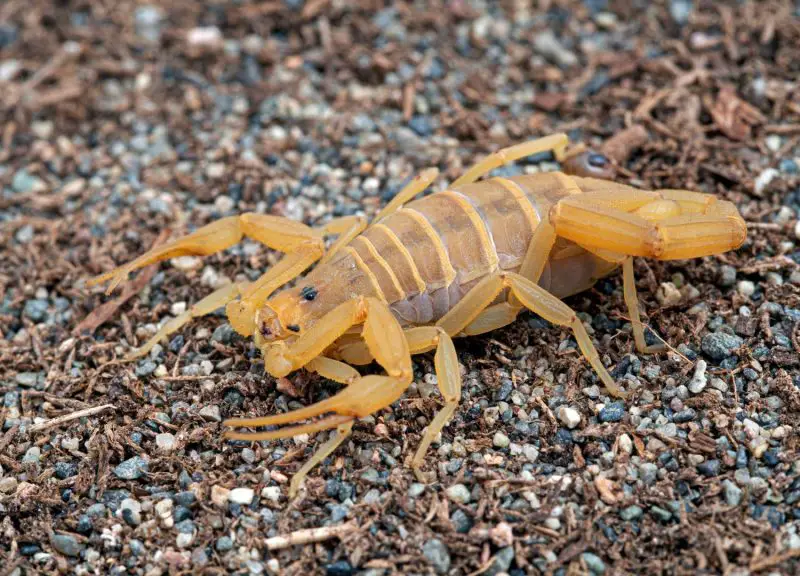
For people living in Arizona, fear of wildlife usually comes with sound or size. Rattlesnakes rattle. Coyotes howl. Spiders spin webs in plain sight. Bark scorpions are different. They do not announce themselves. They hide. They climb. And they sting when people least expect it.
Ask longtime Arizona residents what unsettles them most at home, and bark scorpions come up again and again. Not because they are large or aggressive, but because they appear silently in bedrooms, bathrooms, shoes, beds, and cribs. Their sting is intensely painful, especially for children, and the unpredictability of encounters fuels lasting anxiety.
Bark scorpions are not new to Arizona. Yet even after decades of coexistence, they continue to terrify residents. Understanding why requires looking beyond fear and into behavior, biology, housing design, and the psychology of unexpected danger.
Table of Contents
- 1 The Bark Scorpion Is Unique Among U.S. Scorpions
- 2 Why Bark Scorpions Are So Hard to Avoid
- 3 Why They Enter Homes in the First Place
- 4 The Pain of a Bark Scorpion Sting
- 5 Why Parents Are Especially Afraid
- 6 Why Bark Scorpions Love Arizona Neighborhoods
- 7 Why New Residents Are Often the Most Afraid
- 8 Why UV Light Changed Everything
- 9 The Psychological Impact of Uncertainty
- 10 Why Nighttime Makes Everything Worse
- 11 Why Scorpion Control Is So Difficult
- 12 Why Bark Scorpions Are Not “Aggressive” but Still Dangerous
- 13 The Role of Arizona’s Climate
- 14 Bark Scorpions Versus Other Arizona Wildlife
- 15 The Medical Reality Behind the Fear
- 16 How Residents Adapt Over Time
- 17 Why Stories Spread Faster Than Facts
- 18 The Economic Side of Scorpion Fear
- 19 Why Bark Scorpions Are Here to Stay
- 20 The Difference Between Fear and Respect
- 21 Why Children Remember Stings for Years
- 22 Why Arizona’s Reputation Amplifies Anxiety
- 23 When Fear Is Rational
- 24 What Actually Reduces Risk
- 25 Why Complete Peace of Mind Is Rare
- 26 Acceptance Without Panic
- 27 Why Bark Scorpions Still Terrify Residents
- 28 FAQs About Bark Scorpions in Arizona
- 28.1 Why are bark scorpions so common in Arizona
- 28.2 Why do bark scorpions enter homes
- 28.3 How dangerous is a bark scorpion sting
- 28.4 Why are bark scorpion stings worse for children
- 28.5 Can bark scorpions climb walls and ceilings
- 28.6 Why do bark scorpions glow under UV light
- 28.7 When are bark scorpions most active
- 28.8 What should I do if I get stung
- 28.9 Can pest control eliminate bark scorpions completely
- 28.10 How can homeowners reduce bark scorpion encounters
- 29 Final Thoughts
The Bark Scorpion Is Unique Among U.S. Scorpions
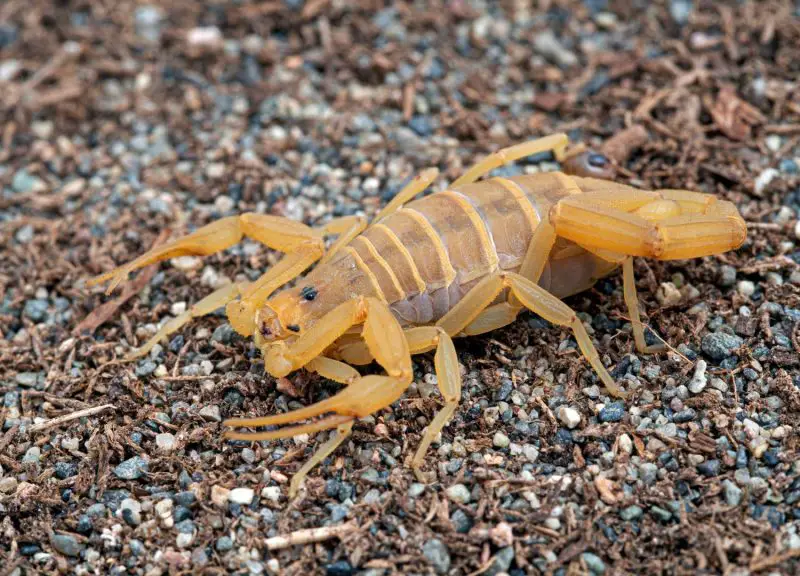
Arizona is home to several scorpion species, but only one inspires widespread fear.
The bark scorpion is the most venomous scorpion in North America. While its sting is rarely fatal, it can cause severe pain, muscle spasms, numbness, difficulty breathing, and neurological symptoms.
Unlike desert scorpions that stay outdoors, bark scorpions actively enter homes. They climb walls, squeeze through tiny gaps, and hide in places people assume are safe.
That combination sets them apart.
Why Bark Scorpions Are So Hard to Avoid
Bark scorpions are expert climbers.
Most scorpions cannot scale smooth vertical surfaces. Bark scorpions can. They use microscopic hairs and claws to grip stucco, brick, wood, and even painted walls.
In Arizona, where stucco construction is common, this ability gives them access to roofs, eaves, attics, vents, and interior spaces.
Once inside, they flatten their bodies and hide in cracks, closets, baseboards, furniture, and laundry piles.
They are not invading. They are exploiting structure.
Why They Enter Homes in the First Place
Bark scorpions do not seek humans. They seek shelter, moisture, and prey.
Arizona’s extreme heat drives scorpions toward cooler, shaded environments. Homes provide stable temperatures, humidity from plumbing, and abundant insects.
Bathrooms, kitchens, and laundry rooms are common entry points. Nighttime activity increases encounters, especially when people are asleep and unaware.
The scorpion is not aggressive. The sting is defensive, triggered by pressure or contact.
The Pain of a Bark Scorpion Sting
The bark scorpion sting is described by victims as electric, burning, and radiating.
Pain may spread along the limb. Tingling and numbness can occur. Muscle twitching, jerking, and restlessness are common, particularly in children.
In severe cases, victims experience drooling, vomiting, difficulty swallowing, and trouble breathing.
For adults, symptoms are usually intense but temporary. For children, the reaction can be frightening and medically urgent.
This unpredictability is a major source of fear.
Why Parents Are Especially Afraid
Children are smaller. Their nervous systems respond more dramatically. A sting that causes manageable pain in an adult can overwhelm a child.
Arizona hospitals treat thousands of scorpion stings each year. Pediatric cases are taken seriously, often involving observation, pain control, and sometimes antivenom.
Parents fear what they cannot control. A scorpion in a crib, shoe, or toy box represents a violation of safety at the most basic level.
That fear lingers.
Why Bark Scorpions Love Arizona Neighborhoods
Modern neighborhoods create ideal conditions.
Rock landscaping provides hiding spaces. Block walls offer shelter. Irrigation attracts insects. Palm trees and dense shrubs create shade and prey habitat.
Scorpions move easily from yards to walls to roofs to interiors.
Ironically, well-kept neighborhoods often support higher scorpion populations than open desert.
The problem is not wilderness. It is overlap.
Why New Residents Are Often the Most Afraid
Arizona transplants often encounter bark scorpions for the first time after moving in.
They may wake up to one on the wall. Find one in the bathtub. Get stung putting on shoes.
The lack of familiarity intensifies fear. Locals may know to shake shoes or check beds. New residents learn the hard way.
Stories spread quickly. Fear compounds.
Why UV Light Changed Everything
Bark scorpions glow bright blue-green under ultraviolet light.
This discovery transformed how people perceive them. Nighttime searches with UV flashlights reveal scorpions on walls, fences, and ceilings that were invisible moments before.
For some residents, UV lights bring peace of mind. For others, they confirm their worst fears.
Seeing dozens of glowing scorpions in a yard or neighborhood is unforgettable.
The Psychological Impact of Uncertainty
Bark scorpions cause fear because they remove predictability.
You cannot hear them. You cannot always see them. You cannot rely on location or time of day.
They appear where people feel safest. Beds. Bathrooms. Children’s rooms.
This unpredictability creates hypervigilance. Residents shake clothes, inspect sheets, avoid walking barefoot, and check ceilings before sleeping.
Fear becomes routine.
Why Nighttime Makes Everything Worse
Bark scorpions are nocturnal.
They hunt at night, when people sleep. Encounters often happen in the dark, when stepping out of bed or reaching for a light switch.
Pain wakes people suddenly. Confusion follows. Identifying the cause takes time.
Nighttime stings are especially traumatic because they disrupt sleep and create lasting anxiety around bedtime.
Why Scorpion Control Is So Difficult
Complete eradication is nearly impossible.
Scorpions hide in walls, attics, and neighboring properties. Killing visible individuals does not address the source.
They are resilient. They survive harsh conditions. They reproduce steadily.
Professional pest control focuses on reducing prey insects, sealing entry points, and managing habitat. Results vary.
This lack of certainty fuels fear.
Why Bark Scorpions Are Not “Aggressive” but Still Dangerous
Bark scorpions do not chase people.
They sting when trapped against skin, stepped on, or grabbed accidentally. Most stings occur when people put on shoes, reach into dark spaces, or roll over in bed.
The danger lies in accidental contact, not attack.
But knowing this does not eliminate fear when the sting happens without warning.
The Role of Arizona’s Climate
Arizona’s climate plays a major role.
Hot summers drive scorpions indoors. Mild winters allow year-round activity. Drought pushes prey insects toward irrigated homes.
Seasonal patterns affect encounters, but scorpions never fully disappear.
Residents live with constant potential.
Bark Scorpions Versus Other Arizona Wildlife
Snakes and spiders inspire caution, but bark scorpions inspire dread.
Snakes stay outdoors. Spiders are usually stationary. Scorpions climb into beds.
The intimacy of the encounter matters.
Fear is not about danger alone. It is about proximity.
The Medical Reality Behind the Fear
Most bark scorpion stings are not life-threatening.
Fatalities are extremely rare. Antivenom is available. Emergency response is effective.
Yet fear persists because pain is real, symptoms are dramatic, and children are vulnerable.
Statistics do not erase lived experience.
How Residents Adapt Over Time
Longtime residents develop habits.
They seal doors. Use door sweeps. Reduce insect populations. Shake shoes. Avoid clutter. Check beds.
Adaptation reduces risk, but never eliminates it.
The fear becomes managed, not gone.
Why Stories Spread Faster Than Facts
Scorpion stories travel fast.
A sting at a school. A scorpion in a baby’s crib. A cluster in an apartment complex.
These stories shape perception more than statistics. Fear spreads socially.
In Arizona, nearly everyone knows someone who has been stung.
The Economic Side of Scorpion Fear
Fear drives spending.
Home sealing. Pest control contracts. UV flashlights. Specialized bedding. Preventive construction measures.
Entire industries exist around managing scorpion anxiety.
Fear has a market.
Why Bark Scorpions Are Here to Stay
Bark scorpions are native.
They are adapted to Arizona’s environment and human development. Removing them entirely is unrealistic.
Coexistence is the only option.
That reality forces residents to balance fear with acceptance.
The Difference Between Fear and Respect
Fear paralyzes. Respect informs.
Residents who understand bark scorpion behavior make better decisions. They reduce risk without constant panic.
Education transforms fear into preparedness.
Why Children Remember Stings for Years
Children remember pain vividly.
A sudden sting at night, muscle spasms, emergency visits. These experiences imprint deeply.
Parents carry that fear forward, reinforcing vigilance.
Generational fear persists.
Why Arizona’s Reputation Amplifies Anxiety
Arizona is known nationally for scorpions.
Newcomers arrive already anxious. Media reinforces the image.
Reputation becomes reality.
When Fear Is Rational
Fear of bark scorpions is not irrational.
The pain is real. The intrusion is personal. The unpredictability is stressful.
Acknowledging that validates experience without exaggeration.
What Actually Reduces Risk
Reducing insects reduces scorpions. Sealing homes limits entry. Habitat management matters.
No single solution works alone.
Consistency helps.
Why Complete Peace of Mind Is Rare
Even well-protected homes see occasional scorpions.
That uncertainty keeps fear alive.
Absolute safety is unrealistic.
Acceptance Without Panic
Acceptance does not mean ignoring risk.
It means living normally with informed precautions.
Arizona residents learn this balance over time.
Why Bark Scorpions Still Terrify Residents
They terrify because they invade safe spaces. Because they sting painfully. Because they appear without warning. Because they affect children more severely.
They are small, silent, and persistent.
Fear survives because experience reinforces it.
FAQs About Bark Scorpions in Arizona
Why are bark scorpions so common in Arizona
Arizona’s climate, landscaping, and home construction provide ideal shelter, moisture, and prey for bark scorpions, allowing them to thrive near people.
Why do bark scorpions enter homes
They seek cooler temperatures, moisture, and insects. Homes offer all three, especially bathrooms, kitchens, and laundry areas.
How dangerous is a bark scorpion sting
Most stings are not life-threatening, but they are extremely painful and can cause severe symptoms, especially in children.
Why are bark scorpion stings worse for children
Children are smaller and more sensitive to venom, which can cause stronger neurological reactions and require medical observation.
Can bark scorpions climb walls and ceilings
Yes. Bark scorpions can climb stucco, brick, wood, and many indoor surfaces, allowing them to reach ceilings and upper rooms.
Why do bark scorpions glow under UV light
Their exoskeleton fluoresces under ultraviolet light, making them appear bright blue-green and easier to spot at night.
When are bark scorpions most active
They are nocturnal and most active at night, especially during hot summer months and warm evenings.
What should I do if I get stung
Wash the area, apply cold compresses, manage pain, and seek medical care if symptoms are severe or if a child is stung.
Can pest control eliminate bark scorpions completely
No. Pest control can reduce numbers and risk, but complete eradication is unrealistic due to their resilience and hiding ability.
How can homeowners reduce bark scorpion encounters
Seal entry points, reduce insect prey, remove clutter, manage landscaping, and shake shoes and bedding regularly.
Final Thoughts
Arizona’s bark scorpions continue to terrify residents not because people are irrational, but because the threat is intimate and unpredictable.
These scorpions exploit human structures, thrive in the climate, and deliver painful stings when least expected. Their presence challenges the idea of home as a sanctuary.
Understanding them does not eliminate fear. But it transforms it.
In Arizona, learning to live with bark scorpions is not about courage. It is about awareness, preparation, and respect for a small creature with an outsized impact.