
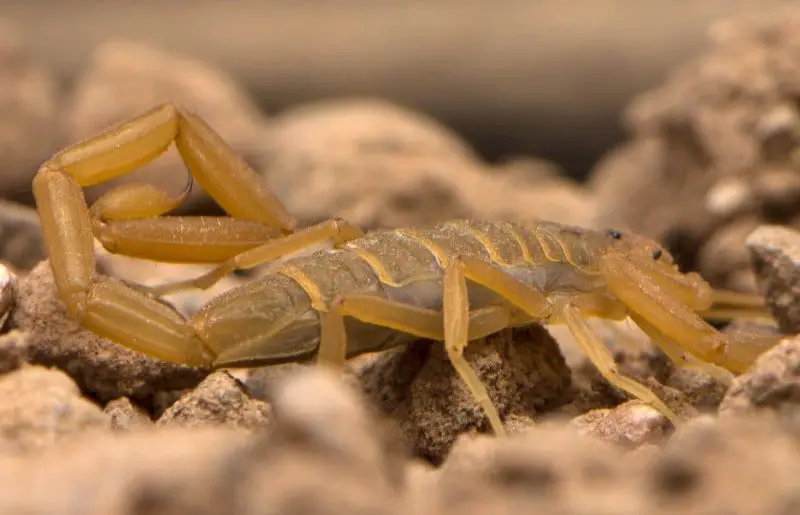
Fear of bark scorpions in California did not appear suddenly. It developed over decades of encounters, stories, and genuine medical concerns. Although severe incidents remain uncommon, the reputation of these scorpions has persisted across generations.
Older residents often recall times when pest control awareness was lower and scorpion encounters felt more frequent. Stories passed through families, neighborhoods, and local media shaped public perception long before online information became widely available.
Even today, a single unexpected encounter inside a home can reinforce that deep cultural memory. Fear often reflects experience, not exaggeration.
Table of Contents
- 1 What California Bark Scorpions Actually Are
- 2 Why Their Sting Commands Respect
- 3 Why California Provides Suitable Habitat
- 4 Night Activity Increases Surprise Encounters
- 5 Common Locations Around Homes
- 6 Why Encounters Sometimes Seem Sudden
- 7 Seasonal Patterns Across California
- 8 Psychological Factors Behind Fear
- 9 Media Influence and Public Awareness
- 10 Ecological Importance Often Overlooked
- 11 Differences Between Bark Scorpions and Other Species
- 12 Urban Expansion Increases Overlap
- 13 Practical Prevention Measures
- 14 What To Do After a Sting
- 15 Misconceptions About Aggression
- 16 Children and Pets Considerations
- 17 Scientific Monitoring and Research
- 18 Climate Trends and Future Outlook
- 19 Balancing Fear With Understanding
- 20 FAQs About California Bark Scorpions
- 20.1 Are bark scorpions in California dangerous to humans?
- 20.2 Where are bark scorpions most commonly found in California?
- 20.3 Do bark scorpions frequently enter homes?
- 20.4 Are bark scorpions aggressive toward people?
- 20.5 What attracts bark scorpions to residential areas?
- 20.6 When are bark scorpions most active?
- 20.7 How can homeowners reduce scorpion encounters safely?
- 20.8 What should you do if you are stung?
- 21 Final Thoughts
What California Bark Scorpions Actually Are
Species Overview
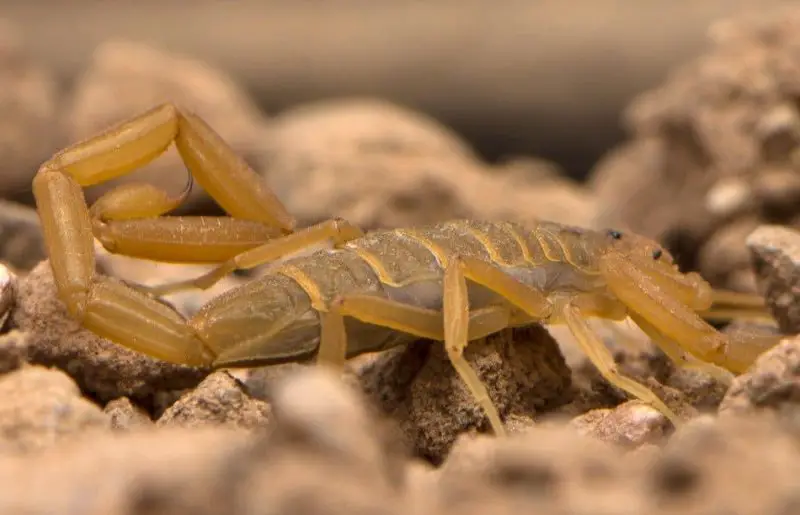
California is home to several native scorpion species, but bark scorpions tend to attract the most attention because of their climbing ability and closer association with human structures. Many belong to the genus Centruroides, although other bark-adapted scorpions occur in the state’s drier regions. These species are specially adapted to environments where vertical surfaces, tree bark, rocks, and human construction features provide shelter.
Compared with large desert burrowing scorpions, bark scorpions are generally more slender and agile. Their lighter build allows them to move easily along walls, fences, tree trunks, and building exteriors. This climbing ability is one reason they are encountered more frequently around homes than heavier soil-dwelling species.
Rather than digging permanent burrows, bark scorpions prefer existing crevices. They hide under loose bark, inside rock cracks, beneath outdoor furniture, or within small structural gaps. These habits naturally bring them into closer proximity with human environments, especially in suburban areas bordering natural habitats.
Distinctive Physical Traits
Bark scorpions usually display light tan, straw, or amber coloration. This natural camouflage helps them blend into wood surfaces, stucco walls, dry grasses, and rocky landscapes common throughout much of California. Their coloration is not just aesthetic. It improves survival by reducing visibility to predators and prey alike.
They typically have narrow pincers and a relatively slim tail compared with bulkier desert species. This body design enhances maneuverability in tight spaces such as wall crevices, roofing materials, stacked firewood, and irrigation equipment. Their legs are also adapted for climbing rather than digging.
Another notable trait is their flattened body shape. This allows them to slip through surprisingly small openings around door frames, window seals, attic vents, and garage gaps. Many indoor encounters result not from large structural failures but from tiny openings that go unnoticed during routine home maintenance.
Why Their Sting Commands Respect
Venom Characteristics
The venom of bark scorpions primarily affects the nervous system. It interferes with nerve signaling, producing immediate sharp pain, tingling sensations, localized numbness, and sometimes muscle twitching. Most reactions remain limited to the sting site, but individual sensitivity varies.
Healthy adults typically recover quickly without lasting complications. However, children, elderly individuals, or people with heightened sensitivity may experience stronger symptoms. These differences explain why public concern persists even though severe medical outcomes remain uncommon.
The venom evolved mainly for subduing insect prey and deterring predators, not for attacking large mammals. Humans are stung almost exclusively in defensive situations, usually when a scorpion is accidentally pressed against skin.
Pain Perception and Public Memory
Pain from a bark scorpion sting is often described as sudden, intense, and memorable. Even when symptoms fade quickly, the experience tends to leave a strong psychological impression. This contributes significantly to their enduring reputation.
People naturally share stories about painful experiences. Those stories travel faster than neutral or uneventful encounters. Over time, this creates a cultural memory that magnifies perceived danger even when statistical risk remains relatively low.
In many communities, fear is shaped less by frequency of stings and more by the vividness of shared experiences. Education about realistic risk helps balance that perception.
Why California Provides Suitable Habitat
Climate Compatibility
Much of California offers environmental conditions favorable to bark scorpions. Warm temperatures, relatively low humidity in some regions, and mild winters reduce seasonal mortality. These conditions allow stable populations to persist year round in certain areas.
California’s diverse microclimates also play an important role. Coastal fog zones, inland valleys, foothills, and desert margins each provide slightly different combinations of temperature, moisture, and shelter. Bark scorpions can adapt to several of these environments.
Because extreme cold is rare in many regions, scorpions do not face the same seasonal die-offs common in colder states. This stability contributes to consistent population presence.
Abundant Shelter Opportunities
Modern residential development unintentionally creates ideal scorpion habitat. Landscaping rocks, decorative wood features, irrigation systems, stored materials, and foundation crevices mimic natural hiding places such as bark fissures and rock cracks.
Garages, sheds, outdoor furniture, fencing, and stacked firewood offer shade, protection, and access to insect prey. Even carefully maintained homes can provide microhabitats that scorpions find suitable.
Rather than eliminating habitat, human construction often expands it. This overlap explains why encounters occur even in well-developed neighborhoods.
Night Activity Increases Surprise Encounters
Bark scorpions are primarily nocturnal hunters. Cooler nighttime temperatures allow them to conserve moisture and energy while actively searching for prey. Insects such as crickets, beetles, and cockroaches also become more active at night, providing abundant food.
Because human activity usually decreases after dark, encounters tend to be unexpected. Stepping barefoot onto patios, reaching into storage areas, or entering dim garages can lead to sudden contact.
These surprise encounters intensify emotional reactions. People rarely see scorpions during daylight hours, so nighttime sightings feel more dramatic even when they are part of normal ecological behavior.
Unexpectedness often contributes more to fear than actual risk level.
Common Locations Around Homes
Exterior Zones
Outdoor areas that attract insects frequently attract scorpions as well. Common hotspots include woodpiles, rock landscaping, mulch beds, outdoor lighting zones, fence bases, and stored building materials. These environments provide shelter and consistent prey availability.
Artificial lighting deserves special attention. Lights draw insects, and insects attract scorpions. Reducing unnecessary nighttime lighting can indirectly reduce scorpion activity near structures.
Regular yard maintenance helps limit hiding places while still supporting beneficial wildlife diversity.
Indoor Entry Points
Indoor sightings typically originate from small structural openings. Common entry routes include gaps beneath doors, window frame cracks, roofline separations, vent openings, and utility pipe penetrations.
Once indoors, scorpions seek quiet dark spaces such as closets, shoes, towels, boxes, or storage corners. They rarely wander aimlessly. Instead, they look for shelter similar to their outdoor hiding spots.
Sealing entry points and maintaining screens significantly reduce indoor encounters.
Why Encounters Sometimes Seem Sudden
Scorpion population increases usually occur gradually, but human awareness often spikes quickly. Several subtle factors can combine:
Seasonal insect increases
Weather fluctuations
Landscape changes
Nearby construction disturbance
Irrigation adjustments
When these influences align, sightings may appear to surge suddenly. In reality, scorpions were likely present already but became more visible due to environmental changes.
Understanding this helps reduce alarm and supports proactive prevention rather than reactive fear.
Seasonal Patterns Across California
Spring Emergence
As temperatures rise, scorpions become more active after cooler months. Increased insect populations encourage feeding activity, which often leads to the first noticeable encounters of the year.
Summer Peak Activity
Hot conditions drive scorpions toward shaded, cooler environments. This sometimes brings them closer to buildings, patios, and landscaped areas where moisture and shelter exist.
Outdoor recreation also increases during summer, raising the likelihood of human encounters.
Autumn Movement
Cooling temperatures may trigger dispersal as scorpions search for stable overwintering sites. Temporary movement into residential zones can occur during this period.
Winter Activity
In many California regions, winter activity declines but rarely stops entirely. Mild climates allow occasional movement year round.
Seasonal awareness helps residents anticipate periods of increased visibility.
Psychological Factors Behind Fear
Visual Appearance
Scorpions have a distinctive silhouette with a curved tail and pincers. This shape naturally attracts attention and may trigger instinctive caution. Evolutionary psychology suggests humans evolved heightened awareness toward potentially venomous creatures.
Unfamiliar appearance increases perceived threat even when actual risk is low.
Loss of Control
Discovering a scorpion indoors can create a feeling that personal space is compromised. This perceived loss of control often intensifies emotional reactions.
Even harmless arthropods can provoke strong responses when encountered unexpectedly inside homes.
Understanding behavior and prevention strategies helps restore confidence.
Media Influence and Public Awareness
Modern media spreads wildlife stories rapidly. Dramatic headlines, viral photos, and social media discussions increase awareness but can sometimes amplify fear disproportionately.
While awareness promotes safety education, balanced reporting helps maintain realistic perspective. Scientific information provides context that reduces unnecessary alarm.
Public understanding benefits from accurate, evidence-based information.
Ecological Importance Often Overlooked
Natural Pest Control
Scorpions are effective insect predators. They consume cockroaches, crickets, termites, beetles, spiders, and other arthropods. This predatory role helps regulate pest populations naturally.
In some environments, their presence indirectly benefits landscaping, agriculture, and home sanitation by reducing insect numbers.
Role in Food Webs
Scorpions also serve as prey for birds, reptiles, mammals, and other arthropods. They contribute to biodiversity and ecosystem stability.
Their ecological role highlights the importance of coexistence rather than eradication.
Differences Between Bark Scorpions and Other Species
California hosts several scorpion species with varying behaviors. Burrowing species typically remain underground and are less likely to enter homes.
Bark scorpions differ in climbing ability, habitat preference, and sometimes venom potency. Understanding these differences helps contextualize risk and avoid overgeneralization.
Not all scorpion encounters involve the same species or hazard level.
Urban Expansion Increases Overlap
As residential development expands into natural landscapes, wildlife encounters naturally increase. Factors include altered wildlife corridors, increased shelter structures, artificial lighting, and water availability from irrigation systems.
Scorpions are not necessarily moving toward people. Human development often extends into existing habitats.
Recognizing this shared landscape helps shift perception from invasion to coexistence.
Practical Prevention Measures
Structural Maintenance
Sealing foundation cracks, installing weather stripping, maintaining window screens, and inspecting vents are among the most effective preventive steps.
Small maintenance efforts significantly reduce indoor entry risk.
Landscape Management
Keeping firewood away from structures, reducing clutter, and limiting dense vegetation immediately adjacent to foundations help minimize hiding places.
Balanced landscaping can still support biodiversity while reducing scorpion habitat near homes.
Indoor Awareness
Simple habits such as shaking out shoes, checking towels left outdoors, and using caution when moving stored items prevent most accidental stings.
Consistency matters more than drastic measures.
What To Do After a Sting
Remain calm and clean the sting area gently. Applying a cold compress helps reduce discomfort. Most symptoms remain localized.
Medical evaluation is recommended if unusual reactions occur, especially for children, elderly individuals, or people with sensitivities.
Knowledge of proper response reduces anxiety significantly.
Misconceptions About Aggression
Bark scorpions do not actively seek human contact. Most stings occur when they are accidentally pressed against skin.
Defensive reactions explain the majority of incidents. Maintaining respectful distance prevents problems.
Education helps replace fear with informed caution.
Children and Pets Considerations
Families often worry about vulnerable household members. Practical precautions include wearing footwear outdoors, supervising pets, maintaining tidy play areas, and avoiding handling unfamiliar arthropods.
Preparedness allows safe outdoor enjoyment without unnecessary restriction.
Scientific Monitoring and Research
Researchers continue studying scorpion ecology, venom properties, and habitat adaptation. Monitoring population trends helps guide public health recommendations and conservation efforts.
Scientific understanding evolves continually, improving risk assessment.
Climate Trends and Future Outlook
Climate variability may gradually influence scorpion distribution. Warmer winters and changing precipitation patterns affect insect prey and habitat suitability.
Long term monitoring helps anticipate future trends. Prepared communities adapt effectively through awareness and preventive practices.
Balancing Fear With Understanding
Fear of bark scorpions has understandable roots. Painful stings, unfamiliar appearance, and cultural memory all contribute.
However, informed awareness transforms fear into manageable caution. Understanding their behavior, habitat preferences, and ecological role supports coexistence while maintaining safety.
Knowledge replaces anxiety with confidence.
FAQs About California Bark Scorpions
Are bark scorpions in California dangerous to humans?
Most stings cause temporary pain, tingling, or numbness. Serious complications are uncommon for healthy adults. Extra caution is advised for children, older adults, and those sensitive to venom.
Where are bark scorpions most commonly found in California?
They are often seen in warm dry regions, foothills, desert edges, and suburban areas near natural habitat. Around homes they favor woodpiles, landscaping rocks, cracks, garages, and shaded outdoor areas.
Do bark scorpions frequently enter homes?
Indoor sightings usually happen through small gaps around doors, windows, vents, or foundations. Proper sealing and regular maintenance greatly reduce the chance of entry.
Are bark scorpions aggressive toward people?
They are defensive rather than aggressive. Most stings occur when someone accidentally steps on one or disturbs its hiding place. They generally prefer escape.
What attracts bark scorpions to residential areas?
They follow insect prey. Outdoor lighting, moisture sources, landscaping clutter, and sheltered hiding places can indirectly attract them by supporting insect populations.
When are bark scorpions most active?
They are primarily nocturnal. Activity usually increases after sunset when temperatures cool and insect prey becomes active. Many encounters occur at night.
How can homeowners reduce scorpion encounters safely?
Seal cracks, remove clutter near foundations, store firewood away from structures, manage lighting, and maintain tidy landscaping. Preventive steps are very effective.
What should you do if you are stung?
Clean the sting area, apply a cold compress, and monitor symptoms. Seek medical care if unusual reactions occur or if vulnerable individuals are affected.
Final Thoughts
California bark scorpions continue to command attention because they combine real biological traits with strong cultural perception. Their sting deserves respect, yet their ecological role and generally defensive nature often receive less recognition.
With knowledge, prevention, and balanced perspective, residents can coexist safely with these fascinating desert adapted arthropods while maintaining confidence in their home environments.