
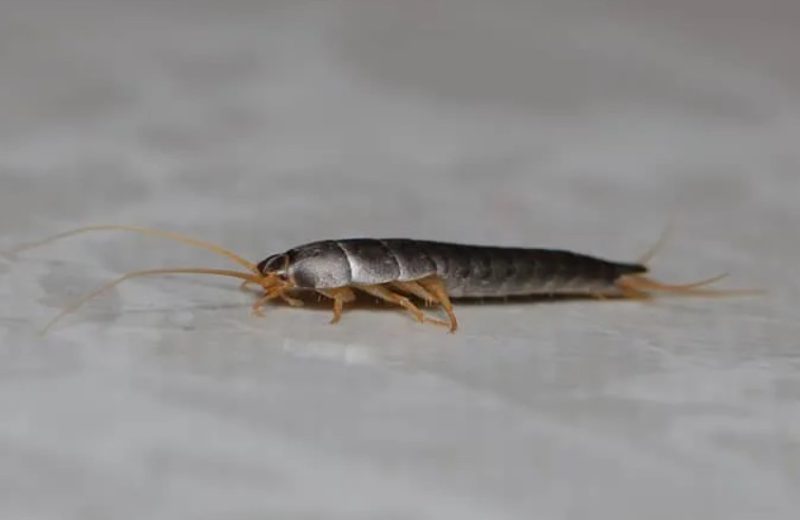
Silverfish are among the most unsettling household insects people encounter in Florida bathrooms. They move quickly, appear unexpectedly, and often seem to show up overnight. Although harmless, their presence can trigger concern because they usually signal environmental conditions that favor moisture-loving insects. Florida’s warm climate, humidity levels, and modern housing features create ideal environments for silverfish to thrive indoors, especially in bathrooms.
Understanding why these insects suddenly appear helps homeowners respond calmly and effectively. Their presence rarely indicates poor hygiene. Instead, it usually reflects natural ecological factors interacting with indoor conditions. When those factors align, silverfish populations become noticeable quickly.
This detailed guide explores what silverfish are, why Florida bathrooms attract them, how environmental conditions influence their appearance, and practical ways to manage them responsibly.
Table of Contents
- 1 What Silverfish Actually Are
- 2 Why Florida Bathrooms Provide Ideal Habitat
- 3 Common Bathroom Conditions That Attract Silverfish
- 4 Plumbing Infrastructure and Silverfish Activity
- 5 Structural Factors in Florida Homes
- 6 Seasonal Influences in Florida
- 7 Lighting and Behavior Patterns
- 8 Differences Between Silverfish and Similar Insects
- 9 Are Silverfish Dangerous
- 10 Psychological Impact of Sudden Appearance
- 11 Ecological Role of Silverfish
- 12 Why Silverfish Sometimes Appear in Clusters
- 13 Ventilation Issues in Bathrooms
- 14 Cleaning Habits and Their Influence
- 15 Natural Predators Indoors
- 16 Humidity Control Strategies
- 17 Entry Points From Outdoors
- 18 Storage Habits That Encourage Silverfish
- 19 Mold and Mildew Associations
- 20 Long Term Prevention Approaches
- 21 When Professional Help Might Be Needed
- 22 Balancing Concern With Understanding
- 23 FAQs About Silverfish in Florida Bathrooms
- 24 Final Thoughts
What Silverfish Actually Are
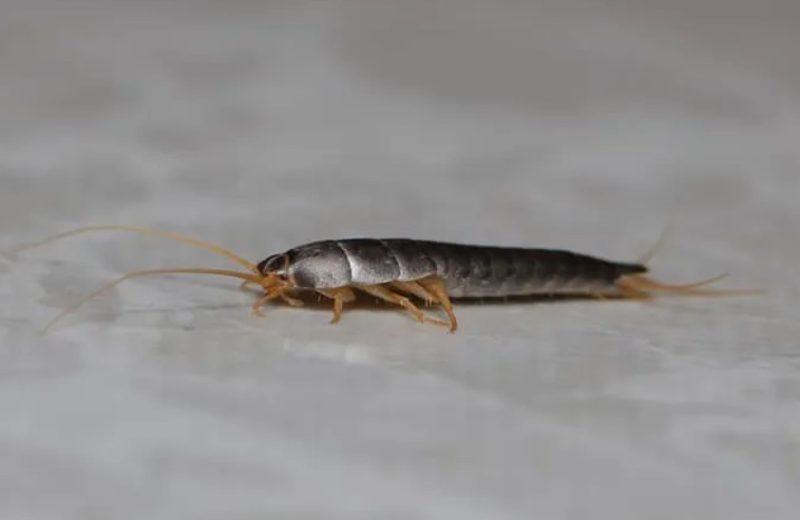
Silverfish are small wingless insects belonging to the order Zygentoma. Their bodies are flattened, tapered, and covered with silvery scales that reflect light. They move with a distinctive wriggling motion that resembles fish swimming, which explains their common name.
These insects prefer dark, humid environments where they can avoid predators and maintain necessary moisture levels. Bathrooms, laundry rooms, basements, and kitchens often provide ideal habitats. Florida homes frequently offer stable warmth and humidity year-round, making indoor environments particularly attractive.
Silverfish are primarily nocturnal. Most sightings occur late at night or early morning when lights are turned on suddenly. This behavior contributes to the impression that they appear unexpectedly.
Why Florida Bathrooms Provide Ideal Habitat
Persistent Humidity
Florida’s climate plays a major role in silverfish activity. High humidity levels remain common throughout much of the year. Bathrooms intensify this moisture through showers, baths, sinks, and plumbing condensation.
Moisture slows dehydration in silverfish, allowing them to survive and reproduce effectively. Even small amounts of trapped humidity behind tiles, under cabinets, or inside walls can support populations.
When humidity increases slightly, insects that were previously hidden may become more active and visible.
Warm Indoor Temperatures
Silverfish thrive in warm environments. Florida homes often maintain temperatures between 70°F and 85°F, which fall within their preferred range.
Unlike colder regions where winter slows insect reproduction, Florida’s mild climate allows continuous breeding cycles. Bathrooms remain warm due to hot water use and enclosed spaces.
This stability explains why silverfish may appear suddenly without seasonal warning.
Common Bathroom Conditions That Attract Silverfish
Moisture Accumulation
Bathrooms naturally accumulate moisture from daily activities. Steam condenses on walls, mirrors, ceilings, and plumbing surfaces. If ventilation is limited, moisture persists longer.
Silverfish require humidity levels above roughly 50 percent to survive comfortably. Many Florida bathrooms exceed this threshold regularly.
Persistent dampness supports egg development and increases insect survival rates.
Hidden Organic Food Sources
Silverfish feed primarily on carbohydrates and proteins found in everyday household materials. Bathrooms often contain surprising food sources such as:
Soap residue
Hair and skin cells
Toothpaste splashes
Paper products
Fabric fibers
Mold or mildew growth
These materials accumulate gradually and may not be visible during routine cleaning.
Their availability supports ongoing insect populations.
Plumbing Infrastructure and Silverfish Activity
Pipe Condensation
Water pipes frequently produce condensation, especially when cold water flows through warm air environments. This moisture collects inside cabinets, behind walls, or beneath sinks.
Silverfish use these hidden damp areas as shelter. Because they avoid light, homeowners may not notice them until populations grow.
Addressing condensation often reduces long-term activity.
Drain and Sewer Connections
Although silverfish do not breed directly in drains like drain flies, plumbing systems provide access routes. Small gaps around pipes allow insects to enter bathrooms from wall voids or crawl spaces.
Florida’s humid crawl spaces and slab foundations sometimes support insect populations that migrate indoors.
Sealing entry points helps reduce indoor movement.
Structural Factors in Florida Homes
Modern Building Materials
Certain construction materials provide attractive habitats:
Drywall backing paper
Cardboard storage boxes
Wood trim
Insulation materials
Wallpaper adhesives
These materials contain starches or cellulose that silverfish consume.
Bathrooms often include multiple such materials in compact spaces.
Aging Sealants and Caulking
Older homes may have cracked caulking around tubs, sinks, or tile joints. These openings trap moisture and create hiding spaces.
As sealants degrade, microhabitats form where insects can shelter safely.
Routine maintenance reduces these favorable conditions.
Seasonal Influences in Florida
Rainy Season Effects
Florida’s rainy season increases outdoor humidity dramatically. Indoor humidity often rises simultaneously despite air conditioning.
Silverfish populations may expand quietly during these periods. When environmental conditions shift slightly, increased activity becomes visible.
This timing can make appearances seem sudden.
Storm and Weather Events
Heavy storms, flooding, or prolonged rain sometimes drive insects indoors seeking stable conditions.
Bathrooms, being moist and protected, often become initial refuge areas.
Weather patterns frequently influence insect visibility more than population size alone.
Lighting and Behavior Patterns
Silverfish avoid bright light and prefer dark spaces. Bathrooms usually remain dark for extended periods, especially overnight.
When lights turn on suddenly, insects scatter quickly. This behavior gives the impression of sudden infestation even when insects have been present for some time.
Understanding their nocturnal habits reduces unnecessary concern.
Differences Between Silverfish and Similar Insects
Homeowners sometimes confuse silverfish with other insects. Distinguishing features help clarify identification.
Silverfish have elongated bodies, three tail-like appendages, and a metallic sheen. Firebrats, close relatives, prefer warmer areas such as attics or near heaters. Drain flies appear fuzzy and winged, while cockroach nymphs are broader and darker.
Correct identification helps guide appropriate management strategies.
Are Silverfish Dangerous
Silverfish rarely pose direct health risks. They do not bite, sting, or transmit disease under normal residential conditions.
Their primary impact involves nuisance and potential minor property damage. They may chew paper products, fabrics, or adhesives over time.
Understanding their limited threat level often reduces anxiety.
Psychological Impact of Sudden Appearance
Unexpected insect sightings can create strong emotional reactions. Bathrooms represent personal comfort spaces, so intrusion may feel unsettling.
Sudden visibility often reflects normal ecological patterns rather than serious infestation.
Education helps transform fear into manageable awareness.
Ecological Role of Silverfish
Silverfish play natural roles outdoors by recycling organic matter. They help break down dead plant material, fungi, and debris.
Indoors, this ecological function continues on a smaller scale. Although inconvenient, their presence reflects natural biological processes rather than contamination.
Balanced understanding supports calm responses.
Why Silverfish Sometimes Appear in Clusters
Silverfish often gather where conditions are ideal. Multiple sightings in one location usually indicate:
Higher humidity pockets
Food availability
Hidden shelter
Minimal disturbance
Removing one or more factors typically disperses the group naturally.
Cluster sightings do not always mean population explosions.
Ventilation Issues in Bathrooms
Limited Air Circulation
Bathrooms without effective exhaust fans retain moisture longer. Steam accumulates on surfaces and inside wall cavities.
Improving ventilation lowers humidity levels significantly.
Reduced humidity discourages insect survival.
Exhaust Fan Maintenance
Dust accumulation or mechanical wear reduces fan efficiency over time. Even functioning fans may not remove moisture effectively if blocked.
Routine cleaning improves performance.
Good airflow remains essential for prevention.
Cleaning Habits and Their Influence
Surface cleanliness does not always correlate with silverfish presence. Hidden areas often matter more than visible surfaces.
However, certain habits help reduce favorable conditions:
Promptly drying wet surfaces
Removing clutter under sinks
Avoiding paper storage in bathrooms
Cleaning behind fixtures periodically
These measures reduce food and shelter availability.
Consistency matters more than intensity.
Natural Predators Indoors
Spiders, centipedes, and certain beetles sometimes prey on silverfish. While many people prefer not to see these predators, their presence reflects natural ecological balance.
Completely eliminating one insect species may encourage another.
Balanced indoor ecosystems often stabilize naturally.
Humidity Control Strategies
Reducing humidity remains the most effective long-term management approach.
Using exhaust fans consistently after showers helps. Dehumidifiers can assist in persistently damp areas. Air conditioning also lowers humidity levels when functioning properly.
Simple changes often produce noticeable improvements.
Entry Points From Outdoors
Silverfish can enter through:
Door gaps
Window frames
Foundation cracks
Utility penetrations
Roofline openings
Florida’s climate allows year-round outdoor insect activity, increasing migration opportunities.
Sealing entry points reduces indoor sightings.
Storage Habits That Encourage Silverfish
Bathrooms sometimes serve as storage spaces for paper goods, linens, and cardboard boxes. These materials attract silverfish due to starch and cellulose content.
Switching to sealed plastic containers reduces accessibility.
Storage adjustments often yield quick results.
Mold and Mildew Associations
Silverfish occasionally feed on microscopic mold growth. Bathrooms prone to mildew may therefore attract them indirectly.
Improving ventilation and moisture control addresses both issues simultaneously.
Environmental management proves more effective than insecticide use alone.
Long Term Prevention Approaches
Sustainable management combines several strategies:
Moisture reduction
Routine inspection
Structural maintenance
Responsible storage
Ventilation improvements
Gradual adjustments typically produce lasting benefits.
Quick fixes rarely solve underlying causes.
When Professional Help Might Be Needed
Persistent large populations sometimes indicate hidden moisture problems such as leaks, insulation issues, or structural gaps.
Professional inspection can identify underlying causes.
Addressing root conditions usually resolves insect concerns.
Balancing Concern With Understanding
Silverfish appearances in Florida bathrooms reflect natural interactions between climate, housing design, and insect biology. Their sudden visibility rarely signals danger or poor sanitation.
Awareness, moisture management, and routine maintenance usually keep populations minimal without drastic measures.
Understanding these insects transforms unexpected encounters into manageable household ecology rather than alarming infestation.
FAQs About Silverfish in Florida Bathrooms
Why do silverfish appear mostly in bathrooms?
Bathrooms provide humidity, warmth, and hidden organic material. These conditions help silverfish survive, hide, and reproduce more easily than in drier rooms.
Are silverfish dangerous to people or pets?
No. They do not bite, sting, or spread disease. Their main impact is nuisance and occasional minor damage to paper, fabrics, or stored items.
Do silverfish mean my home is dirty?
Not necessarily. Even clean bathrooms can have hidden moisture, condensation, or organic residue inside walls or pipes that attracts them.
Why do they seem to appear suddenly?
Silverfish are nocturnal and hide in cracks during the day. Changes in humidity, temperature, or disturbance can suddenly make them more visible.
How can I prevent silverfish in Florida bathrooms?
Improve ventilation, reduce humidity, seal gaps around pipes, store paper products securely, and keep bathroom surfaces dry after use.
Should I use chemicals to remove them?
Moisture control and cleaning usually work better long term. Chemicals may reduce numbers temporarily but rarely solve underlying causes.
Final Thoughts
Silverfish appearing in Florida bathrooms may seem sudden, but their presence usually develops gradually as environmental conditions shift. Warm temperatures, persistent humidity, hidden organic material, and structural features combine to create suitable habitats. Rather than signaling poor cleanliness, these insects often indicate natural moisture patterns common in Florida homes.
By improving ventilation, reducing excess humidity, sealing entry points, and maintaining consistent cleaning habits, homeowners can greatly reduce sightings. Education plays an essential role. When people understand insect behavior and environmental influences, anxiety decreases and practical solutions become clearer.
Ultimately, silverfish are part of the broader ecological landscape. With thoughtful management and awareness, coexistence becomes straightforward, safe, and far less stressful.