
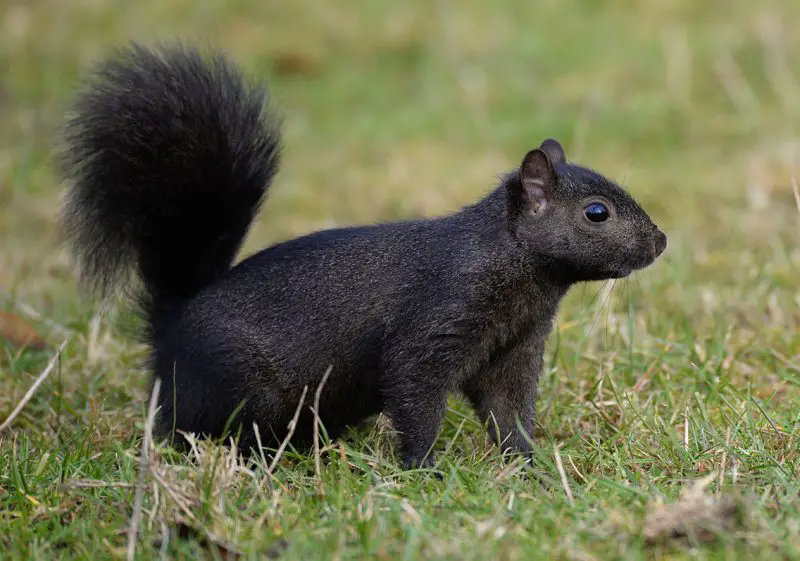
Squirrels are one of the most familiar wildlife sights across Vermont. They dart across forest floors, leap between maple branches, and scurry along backyard fences. Most people expect to see gray or reddish squirrels, so spotting one that appears completely black can feel surprising. The reaction is often immediate curiosity. Did it change color? Is it a different species? Or is something unusual happening in the environment?
Black squirrels are not a new phenomenon in Vermont, yet their sudden visibility often creates that impression. Seasonal behavior, genetics, habitat shifts, and human development all influence how frequently people notice them. What looks like a sudden transformation is usually a combination of biology and perception rather than an overnight change.
Understanding why some Vermont squirrels appear fully black helps remove mystery and replaces it with fascinating ecological insight. These animals are a normal part of regional wildlife, shaped by evolution, climate adaptation, and environmental opportunity rather than anything unnatural.
Table of Contents
- 1 What Species of Squirrels Live in Vermont
- 2 Why Some Squirrels Appear Completely Black
- 3 Climate Influence on Black Squirrel Populations
- 4 Habitat and Urbanization Effects
- 5 Are Black Squirrels a Different Species
- 6 Diet and Behavior of Black Squirrels
- 7 Why Sightings Sometimes Increase Suddenly
- 8 Ecological Role of Squirrels in Vermont
- 9 Common Myths About Black Squirrels
- 10 Conservation and Wildlife Management Perspective
- 11 Living Alongside Squirrels in Vermont
- 12 FAQs About Black Squirrels in Vermont
- 13 Final Thoughts
What Species of Squirrels Live in Vermont
Eastern Gray Squirrel Dominance
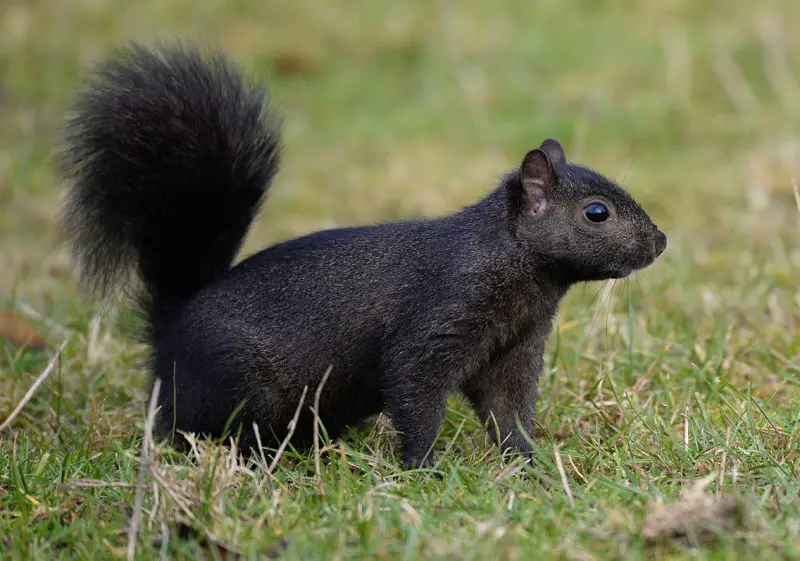
The eastern gray squirrel is the most common tree squirrel species throughout Vermont. Despite the name, their coloration varies widely. Typical individuals display gray fur with white undersides, but genetic variation allows for several color forms, including black.
These squirrels thrive in hardwood forests, suburban neighborhoods, parks, and agricultural edges. Vermont’s mixed forest landscape provides ideal habitat, with abundant acorns, beechnuts, maple seeds, and sheltering tree cavities.
Because gray squirrels are so widespread, most black squirrels observed in Vermont are actually melanistic eastern gray squirrels rather than a separate species.
American Red Squirrels
Red squirrels also inhabit Vermont, especially in coniferous forests. They are smaller, more territorial, and usually reddish-brown rather than gray or black. Although they occasionally show darker coats, completely black individuals are rare among this species.
Their behavior differs noticeably. Red squirrels tend to be vocal, defensive, and strongly tied to evergreen habitats. That behavioral contrast helps distinguish them from gray squirrels, even when color variation causes confusion.
Flying Squirrels in the Region
Both northern and southern flying squirrels exist in Vermont. These nocturnal animals rarely appear in daylight, so their coloration is less familiar to most residents.
They generally display soft gray or brown fur rather than black coloration. Sightings of black squirrels almost never involve flying squirrel species.
Why Some Squirrels Appear Completely Black
The Role of Melanism
The primary explanation for black squirrels is melanism, a genetic trait that increases dark pigment production. Melanin determines fur coloration in many animals, including squirrels, birds, and mammals worldwide.
In melanistic squirrels, elevated melanin levels produce deep brown or fully black coats. This trait occurs naturally through genetic variation rather than environmental contamination or disease.
Melanism does not harm the animal. In some environments, it may even provide advantages.
Genetic Inheritance Patterns
Melanism often behaves as a dominant or semi-dominant genetic trait. When black squirrels breed with gray individuals, offspring may inherit the darker coloration.
Over time, localized populations can show higher frequencies of black individuals if environmental conditions favor them. Vermont’s landscape provides several factors that may support this trend.
Genetics, not sudden color change, explains why black squirrels appear in particular neighborhoods or forest patches.
Misconception About Seasonal Color Change
Some people assume gray squirrels turn black seasonally. That is not accurate. While squirrels may appear darker in winter coats due to thicker fur and lighting conditions, true black coloration is genetic rather than seasonal.
Lighting, wet fur, or distance sometimes exaggerate darkness, but a melanistic squirrel remains black year-round.
Climate Influence on Black Squirrel Populations
Cold Climate Advantages
Dark fur absorbs heat more efficiently than lighter fur. In colder climates like Vermont, this can provide a thermoregulation advantage during winter months.
Black squirrels may warm slightly faster in sunlight, conserving energy during cold mornings. That advantage can improve survival in harsh winters, especially when food resources are limited.
While the advantage is modest, over generations it can influence population distribution.
Snow Cover and Visibility Factors
Contrary to expectation, black squirrels do not necessarily face higher predation risk in snowy environments. Much winter activity occurs under forest canopy where snow contrast is less dramatic.
Urban environments also reduce predator pressure. Black squirrels frequently thrive in towns where raptors and mammalian predators are less common.
Environmental context shapes whether darker coloration is beneficial.
Historical Spread Patterns
Black squirrels are more common in northern regions of North America compared with southern areas. Vermont fits within that northern distribution trend.
Climate alone does not explain their presence, but it contributes alongside habitat availability and genetic inheritance.
Habitat and Urbanization Effects
Forest Edge Expansion
Human development has created more forest edges, parks, and suburban green spaces. These environments often support high squirrel densities.
Where squirrels concentrate, genetic traits like melanism become more noticeable simply because more individuals are present.
Increased sightings do not necessarily indicate population change. Visibility plays a major role.
Urban Heat Island Influence
Cities and towns tend to retain heat compared with rural landscapes. Dark fur may provide subtle advantages in these environments, particularly during colder months.
Some studies suggest black squirrels occur more frequently in urban areas than rural forests, possibly due to combined climate and predator factors.
Urban adaptation continues to shape wildlife distribution patterns.
Reduced Predator Pressure
Predators such as hawks, owls, foxes, and coyotes influence squirrel survival. In suburban settings where predator numbers may be lower, unusual color morphs face fewer risks.
This allows melanistic squirrels to persist and reproduce more easily.
Predator ecology interacts with genetics to shape local populations.
Are Black Squirrels a Different Species
Same Species, Different Color Morph
Black squirrels are not a separate species. They are typically eastern gray squirrels with melanistic coloration.
Biologically, they share the same behavior, diet, habitat preferences, and reproductive patterns as gray squirrels.
Color alone does not define species classification.
Comparison With True Species Differences
True species differences involve anatomy, genetics, reproductive isolation, and ecological niche. Black squirrels differ only in pigment production.
This distinction matters for wildlife management, conservation, and public understanding.
They are a variation, not a new animal.
Diet and Behavior of Black Squirrels
Typical Squirrel Diet
Black squirrels eat the same foods as gray squirrels:
Acorns and nuts
Seeds and fruits
Tree buds and bark
Fungi and occasional insects
Their diet reflects seasonal availability rather than coloration.
Food habits remain unchanged regardless of fur color.
Seasonal Food Storage
Squirrels cache food for winter survival. Black individuals display identical caching behavior.
They rely on spatial memory to recover stored food, contributing to forest regeneration through forgotten seeds.
This ecological role benefits Vermont forests.
Activity Patterns
Black squirrels remain diurnal, active primarily during daylight hours. Seasonal activity peaks occur in autumn when food storage intensifies.
Winter activity depends on weather conditions but rarely stops entirely.
Behavioral consistency reinforces that coloration does not alter lifestyle.
Why Sightings Sometimes Increase Suddenly
Population Cycles
Squirrel populations fluctuate with food availability. Years with abundant acorns or beechnuts often produce population booms.
More squirrels naturally increase the chance of seeing rare color variations.
This cycle repeats periodically.
Seasonal Visibility Changes
Autumn foliage loss improves visibility. Winter snow highlights movement against darker backgrounds.
People spend more time outdoors during certain seasons, increasing observation likelihood.
Visibility shifts can mimic population changes.
Human Attention and Social Media
Once a black squirrel becomes locally notable, community awareness rises. People begin noticing what previously went overlooked.
Photos shared online amplify perception of sudden appearance.
Awareness shapes observation.
Ecological Role of Squirrels in Vermont
Seed Dispersal and Forest Regeneration
Squirrels play crucial roles in spreading tree seeds. Forgotten caches germinate into new trees, supporting forest health.
This function applies equally to gray and black squirrels.
Their ecological contribution extends beyond simple wildlife presence.
Prey Species Importance
Squirrels serve as prey for numerous predators including hawks, owls, foxes, bobcats, and coyotes.
Balanced predator-prey relationships maintain ecosystem stability.
Color variation does not significantly alter that role.
Indicator of Habitat Health
Healthy squirrel populations often indicate adequate forest cover, food availability, and ecological balance.
Observing black squirrels reflects biodiversity rather than environmental disruption.
Common Myths About Black Squirrels
Myth: Pollution Causes Black Fur
There is no evidence linking environmental pollution to melanistic squirrel coloration. The trait is genetic, not chemical.
Misunderstanding often arises from coincidence rather than science.
Myth: Black Squirrels Are Aggressive
Behavioral temperament does not correlate with color. Individual personality, territory, and seasonal factors influence aggression.
Black squirrels behave like any other squirrel.
Myth: They Recently Appeared
Historical records show black squirrels present in North America for centuries.
Modern visibility reflects awareness more than emergence.
Conservation and Wildlife Management Perspective
No Special Conservation Status
Melanistic squirrels generally require no special management. They integrate fully within existing squirrel populations.
Wildlife agencies monitor overall population health rather than color variation.
Balanced ecosystems naturally support diversity.
Importance of Habitat Preservation
Maintaining forest connectivity benefits all squirrel color forms. Habitat fragmentation, not coloration, poses greater ecological challenges.
Conservation focuses on habitat rather than appearance.
Public Education Value
Understanding genetic diversity promotes appreciation for wildlife complexity.
Black squirrels provide an accessible example of natural variation.
Living Alongside Squirrels in Vermont
Minimizing Human-Wildlife Conflict
Avoid leaving food scraps accessible. Secure bird feeders when necessary. Maintain natural landscaping practices.
These steps reduce unwanted encounters.
Appreciating Natural Diversity
Observing black squirrels offers opportunities to learn about genetics, adaptation, and ecosystem dynamics.
Wildlife observation enriches outdoor experiences.
Encouraging Responsible Observation
Photography and observation should remain non-intrusive. Feeding wildlife can disrupt natural behavior.
Respectful distance benefits both animals and people.
FAQs About Black Squirrels in Vermont
Are black squirrels rare in Vermont?
They are less common than gray squirrels but not rare. Local populations vary depending on genetics, habitat, and environmental conditions.
Do black squirrels live longer than gray squirrels?
There is no consistent evidence that color alone affects lifespan. Survival depends more on habitat, predators, and food availability.
Can gray squirrels produce black offspring?
Yes. If melanistic genes are present, gray parents may produce black offspring through normal genetic inheritance.
Are black squirrels more common in cities?
Some research suggests higher urban frequencies, possibly due to reduced predators and microclimate advantages.
Should I report a black squirrel sighting?
Generally no formal reporting is required unless part of a specific wildlife study.
Final Thoughts
Black squirrels in Vermont are not mysterious newcomers or environmental anomalies. They are a natural genetic variation within the eastern gray squirrel population, shaped by inheritance, climate adaptation, and habitat dynamics. Their sudden visibility often reflects seasonal patterns, increased observation, or subtle environmental shifts rather than abrupt biological change.
Understanding why these squirrels appear helps replace surprise with appreciation. They represent biodiversity in action, illustrating how wildlife adapts to changing landscapes while maintaining ecological balance. Vermont’s forests, towns, and rural edges continue to support both gray and black squirrels as integral parts of the region’s natural heritage.