
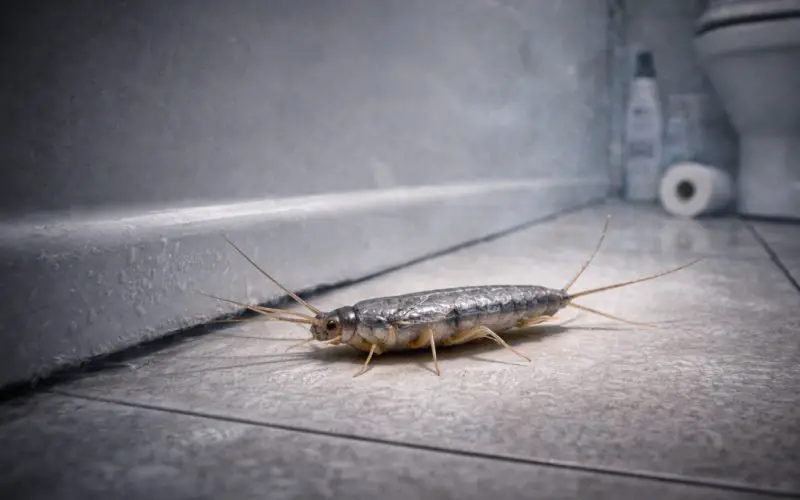
Bathrooms in many Arkansas homes often feel clean, dry, and well maintained. Yet homeowners sometimes flip on the light and notice something small, silvery, and fast darting along the floor or disappearing behind a baseboard. The reaction is usually surprise followed by concern. Why here, and why now?
Silverfish rarely appear without reason. Their presence almost always reflects subtle environmental conditions rather than hygiene problems. Bathrooms naturally create those conditions through humidity, warmth, and hidden organic material. Even spotless homes can unintentionally support these insects.
Understanding why silverfish appear in Arkansas bathrooms requires looking beyond what is visible. Climate, plumbing, ventilation, building design, and everyday habits all shape indoor micro-environments. Once those factors become clear, silverfish stop seeming mysterious and start making biological sense.
Table of Contents
- 1 What Silverfish Actually Are
- 2 Why Arkansas Bathrooms Attract Silverfish
- 3 Why Silverfish Appear Suddenly
- 4 Hidden Moisture Sources in Bathrooms
- 5 Structural Factors That Encourage Silverfish
- 6 Seasonal Patterns in Arkansas
- 7 Are Silverfish Dangerous?
- 8 Why Chemical Sprays Often Fail
- 9 Effective Ways to Reduce Silverfish Activity
- 10 When Silverfish Indicate Larger Issues
- 11 Psychological Impact of Bathroom Insects
- 12 Arkansas Lifestyle Factors That Influence Silverfish
- 13 Long-Term Prevention Strategies
- 14 Coexisting Realistically With Indoor Wildlife
- 15 FAQs About Silverfish in Arkansas Bathrooms
- 15.1 Why do silverfish prefer bathrooms?
- 15.2 Do silverfish damage towels or clothing?
- 15.3 Are silverfish a health risk?
- 15.4 Why do they appear mostly at night?
- 15.5 Will cleaning alone remove them?
- 15.6 Do new homes get silverfish?
- 15.7 Should insecticides be used?
- 15.8 When should I call a professional?
- 16 Final Thoughts
What Silverfish Actually Are
Ancient Moisture-Loving Insects
Silverfish belong to the insect order Zygentoma, one of the oldest surviving insect groups on Earth. Fossil evidence suggests their ancestors existed more than 400 million years ago, long before dinosaurs. Their basic body structure has changed very little over that immense time span, which is a testament to how well their survival strategy works.
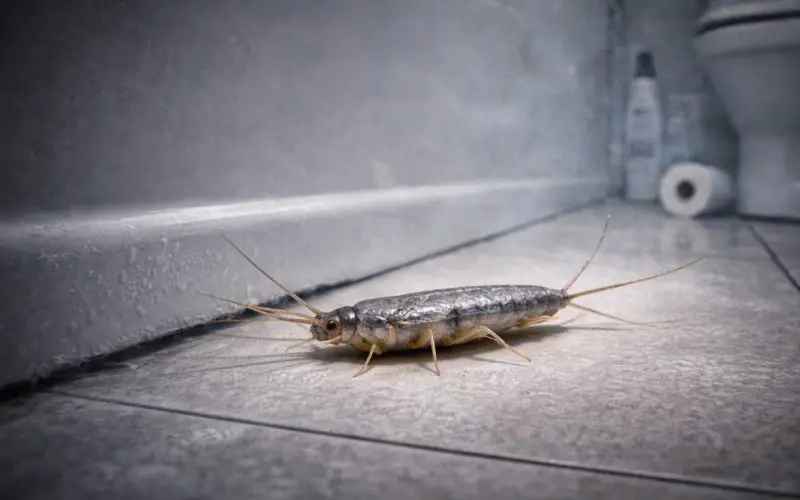
Their bodies are flat, elongated, and tapered toward the rear, covered with tiny reflective scales that give a metallic silver sheen. Movement is quick and fluid, often described as fish-like, which explains the common name. When disturbed, they dart rapidly toward cracks or dark corners, making them easy to overlook unless conditions push them into open view.
Unlike ants, termites, or cockroaches, silverfish do not form organized colonies. They live independently or in loose groupings where environmental conditions are favorable. Typical hiding places include wall voids, cabinet interiors, baseboard gaps, crawl spaces, and bathroom fixtures where moisture remains consistent.
Bathrooms naturally replicate the kind of sheltered, humid microhabitats silverfish evolved to exploit. Darkness, warmth, stable humidity, and abundant hiding spots combine to create an environment where these insects can persist unnoticed for long periods.
What Silverfish Eat
Silverfish primarily feed on carbohydrates, especially starches and cellulose. Many homeowners assume they only target paper products, but their diet is broader than most people realize. Bathrooms quietly supply multiple food sources even when the space appears spotless.
Soap residue contains fatty acids and organic compounds that support microbial growth, which silverfish can consume. Paper products such as toilet tissue packaging, cardboard storage boxes, and paper labels provide cellulose. Cotton fibers from towels, clothing, or bath mats supply additional nutrients.
Hair, skin flakes, and dust also contribute to their diet. Dust often contains microscopic organic particles, textile fibers, and skin cells. Wallpaper paste, caulking adhesives, and certain cosmetic residues can also serve as food sources.
Because silverfish require very little nourishment, even tiny amounts of these materials can sustain them. This explains why immaculate bathrooms may still host silverfish despite regular cleaning.
Why Arkansas Bathrooms Attract Silverfish
Humid Regional Climate
Arkansas has a humid subtropical climate, with long warm seasons and relatively high atmospheric moisture. Outdoor humidity easily migrates indoors through normal air exchange, small structural gaps, and ventilation systems. Even well-sealed homes experience gradual moisture infiltration.
Bathrooms naturally generate additional humidity through showers, baths, and sink use. Steam lingers on surfaces, seeps into cabinets, and accumulates in wall cavities where airflow remains limited. When outdoor humidity combines with indoor moisture production, evaporation slows significantly.
Silverfish thrive in humidity levels that humans may barely notice. Relative humidity above roughly 50 percent can support survival, and bathrooms frequently exceed that threshold without obvious signs of dampness.
High humidity also persists in hidden areas such as under sinks, behind walls, and inside cabinetry long after visible surfaces appear dry. These concealed microclimates provide stable habitat conditions.
Warm Indoor Temperatures
Silverfish prefer moderate to warm temperatures, generally between 70°F and 85°F. Arkansas homes often maintain these temperatures year-round thanks to heating and air conditioning. Stable indoor climate removes seasonal extremes that might otherwise suppress insect activity.
Consistent warmth accelerates metabolism, feeding, and reproduction. When combined with steady humidity, it allows silverfish populations to persist continuously rather than appearing only during certain seasons.
This stable indoor climate explains why homeowners sometimes see silverfish even in winter months. The insects are responding to indoor conditions, not outdoor weather.
Why Silverfish Appear Suddenly
Nocturnal Behavior
Silverfish are strongly nocturnal. They avoid light and prefer minimal disturbance, which means most activity occurs late at night. During these hours they travel along baseboards, behind fixtures, inside wall voids, or beneath stored items where they remain hidden.
When a bathroom light suddenly turns on, their immediate reaction is rapid retreat. That quick darting movement often creates the impression they just arrived, even though they may have lived in the area for weeks or months.
This delayed visibility contributes heavily to the perception that silverfish appear “out of nowhere.”
Gradual Environmental Changes
Environmental shifts that encourage silverfish rarely happen overnight. Small increases in humidity, minor plumbing condensation, seasonal weather changes, or adjustments in ventilation habits accumulate gradually.
Examples include:
Slightly higher summer humidity
New air conditioning cycles producing condensation
Damp towels stored repeatedly
Reduced ventilation fan use
Minor plumbing leaks
Once conditions cross a certain threshold, silverfish activity increases noticeably. The timing feels sudden to homeowners, but biologically it reflects slow environmental change.
Hidden Moisture Sources in Bathrooms
Plumbing Condensation
Cold water pipes frequently accumulate condensation, especially during Arkansas’s humid summers. That moisture often remains hidden behind walls, beneath sinks, or inside cabinets where evaporation is limited.
Even tiny leaks or slow drips can maintain stable humidity without producing visible puddles. Silverfish are highly sensitive to these micro-moisture sources and often concentrate nearby.
This hidden condensation is one of the most common reasons silverfish persist in otherwise clean bathrooms.
Shower Steam and Ventilation
Daily shower use produces significant steam. Without adequate ventilation, moisture remains trapped in the room and gradually penetrates walls, cabinets, and flooring seams.
Exhaust fans sometimes run too briefly to remove humidity fully. Closed doors further restrict airflow, allowing moisture to linger longer than expected.
These conditions create stable microhabitats ideal for silverfish survival.
Fabrics and Absorbent Materials
Bath mats, towels, shower curtains, and stored linens absorb moisture easily. Even when they feel dry to the touch, they may retain enough humidity to support insects.
Bathroom closets and cabinets intensify this effect because airflow remains limited. Slightly damp fabrics create localized humidity pockets that silverfish readily detect.
Structural Factors That Encourage Silverfish
Limited Airflow
Bathrooms often have less consistent airflow than other rooms. Closed doors, small windows, and intermittent fan use slow evaporation significantly.
Moisture becomes trapped in:
Wall cavities
Cabinet interiors
Baseboard seams
Flooring transitions
Improving airflow often reduces silverfish activity faster than chemical treatments.
Entry Pathways
Silverfish typically enter bathrooms through structural gaps rather than open doorways. Common pathways include:
Pipe penetrations
Baseboard cracks
Wall voids
Floor seams
Cabinet joints
These routes allow movement between rooms while minimizing exposure to light. Bathrooms often become safe emergence zones.
Seasonal Patterns in Arkansas
Summer Activity Peaks
Hot, humid Arkansas summers accelerate silverfish reproduction. Increased moisture combined with warm temperatures creates ideal breeding conditions.
Higher activity levels naturally increase sightings, even if overall population size remains stable.
Winter Persistence
Indoor heating maintains comfortable temperatures throughout winter. Reduced ventilation during colder months may actually increase indoor humidity.
Silverfish populations therefore fluctuate but rarely disappear entirely.
Are Silverfish Dangerous?
Silverfish do not bite, sting, or transmit disease. Their impact is primarily cosmetic or material rather than medical.
Potential damage includes:
Paper deterioration
Fabric fiber weakening
Wallpaper adhesive degradation
Stored item damage
Damage usually develops slowly and often goes unnoticed initially. Their presence typically signals environmental moisture rather than sanitation issues.
Why Chemical Sprays Often Fail
Surface sprays target visible insects but rarely reach hidden habitats. Most silverfish remain inside walls, under fixtures, or within stored materials.
If humidity and food sources remain, populations often rebound. Environmental control generally proves more effective than repeated chemical applications.
Effective Ways to Reduce Silverfish Activity
Moisture Control
Reducing humidity is the most impactful step. Helpful measures include:
Running exhaust fans longer
Repairing leaks promptly
Improving ventilation
Using dehumidifiers if needed
Ensuring fabrics dry fully before storage
Moisture reduction directly limits survival conditions.
Storage Adjustments
Avoid storing paper goods in bathrooms. Replace cardboard containers with plastic bins. Keep cabinets organized to reduce dust buildup.
These changes reduce both food sources and hiding spots.
Regular Cleaning
Routine cleaning removes hair, lint, soap residue, and dust. While cleaning alone rarely eliminates silverfish, it helps prevent supportive conditions.
When Silverfish Indicate Larger Issues
Frequent sightings across multiple bathrooms may signal broader moisture problems such as:
Hidden plumbing leaks
Insulation condensation issues
HVAC moisture imbalance
Poor ventilation design
Structural humidity intrusion
Professional inspection may be warranted if problems persist.
Psychological Impact of Bathroom Insects
Bathrooms represent personal hygiene spaces, so insect sightings often feel intrusive even when harmless. Understanding their biological motivations reduces anxiety and promotes practical responses.
Knowledge transforms uncertainty into manageable action.
Arkansas Lifestyle Factors That Influence Silverfish
Frequent Water Use
Warm climates encourage frequent bathing and cooling routines, increasing indoor humidity. Combined with outdoor moisture, this supports silverfish survival.
Air Conditioning Effects
Air conditioning lowers temperature but can create condensation in ducts and walls. Poor HVAC maintenance may increase localized humidity pockets.
Proper system maintenance helps maintain balance.
Long-Term Prevention Strategies
Silverfish management works best as an ongoing process. Consistent ventilation, moisture monitoring, organized storage, and periodic cleaning usually keep populations minimal.
Environmental balance reduces reliance on chemical control.
Small habits create lasting results.
Coexisting Realistically With Indoor Wildlife
Not all indoor insects indicate poor housekeeping. Climate, building design, and environmental conditions all play roles.
Silverfish are common in humid regions like Arkansas. Awareness helps homeowners respond calmly rather than react with unnecessary alarm.
Healthy homes focus on balance, prevention, and informed management rather than total elimination.
FAQs About Silverfish in Arkansas Bathrooms
Why do silverfish prefer bathrooms?
Bathrooms provide humidity, warmth, darkness, and organic material, all of which support silverfish survival.
Do silverfish damage towels or clothing?
They may slowly damage natural fibers, especially items stored damp or unused for long periods.
Are silverfish a health risk?
No. They do not bite, sting, or transmit disease. Their impact is primarily cosmetic.
Why do they appear mostly at night?
Silverfish avoid light and become active when homes are quiet and dark.
Will cleaning alone remove them?
Cleaning helps, but moisture control and ventilation matter more for long-term prevention.
Do new homes get silverfish?
Yes. Tightly sealed construction can trap humidity, sometimes encouraging silverfish temporarily.
Should insecticides be used?
They may reduce sightings short term but rarely address underlying environmental causes.
When should I call a professional?
If sightings are frequent, spreading, or accompanied by signs of hidden moisture problems.
Final Thoughts
Silverfish appearing in Arkansas bathrooms rarely happen without reason. These insects respond to humidity, warmth, darkness, and hidden organic material that bathrooms naturally provide. Climate conditions in Arkansas make those factors especially common indoors.
The most effective approach focuses on environmental balance rather than elimination. Better ventilation, moisture control, thoughtful storage, and routine maintenance typically reduce silverfish activity significantly over time.
Once the environmental triggers become clear, silverfish lose their mystery. And when the mystery disappears, managing them becomes far simpler than most homeowners expect.