
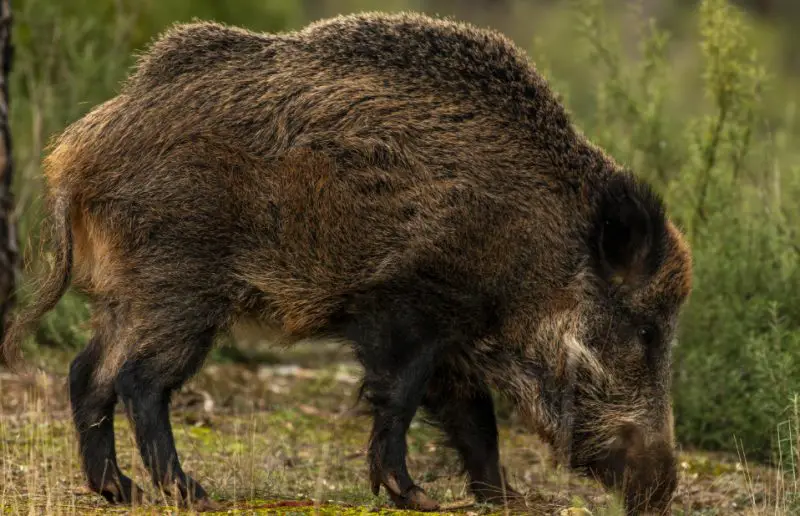
Feral pigs have become one of the most widespread and controversial wildlife species in Georgia. Found in forests, wetlands, farmland, suburban edges, and even near residential communities, these animals are highly adaptable and reproduce quickly. Their presence raises questions about identification, safety, agriculture, and environmental impact.
Many people assume all feral pigs are the same, but wildlife experts generally recognize several distinct types based on origin, genetics, appearance, and behavior. While most feral pigs technically belong to the species Sus scrofa, their physical traits and ecological roles can differ significantly depending on ancestry and habitat.
Understanding the four main types of feral pigs found in Georgia helps residents, landowners, hunters, and wildlife observers identify what they are seeing and respond appropriately. This guide explores each type in detail, explains identifying features, discusses ecological impacts, and provides practical tips for safe coexistence.
Table of Contents
- 1 Eurasian Wild Boar
- 2 Feral Domestic Pigs
- 3 Wild Boar–Domestic Pig Hybrids
- 4 Razorbacks (Southern Feral Hogs)
- 5 Environmental Impact of Feral Pigs in Georgia
- 6 Identifying Feral Pig Activity
- 7 Safety Tips Around Feral Pigs
- 8 Tips for Preventing Property Damage
- 9 FAQs About Feral Pigs in Georgia
- 10 Final Thoughts
Eurasian Wild Boar
Identification Features
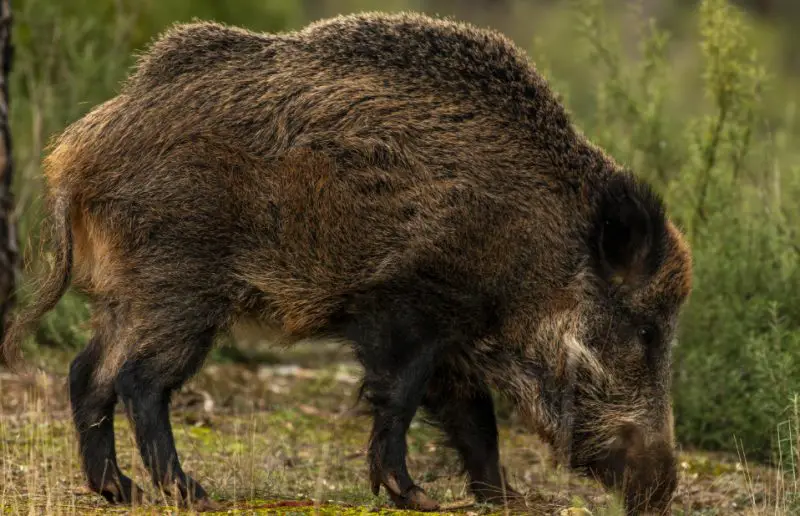
Eurasian wild boars are generally considered the closest form to true wild pigs among feral populations in Georgia. Historically introduced for hunting purposes, they retain many ancestral traits that distinguish them from escaped domestic pigs. Their bodies are typically leaner, more muscular, and better adapted for survival in natural habitats.
Their coats tend to be thick and coarse, often appearing dark brown, black, or grizzled gray. Seasonal shedding can slightly change coloration, especially in warmer months when fur becomes thinner. One of the most noticeable features is the elongated snout combined with pronounced tusks, particularly in mature males. These tusks grow continuously and serve both defensive and competitive functions.
Adult males often develop a shoulder shield — a dense layer of scar tissue and fat that protects them during fights with other boars. Piglets are especially distinctive, displaying light longitudinal stripes along their bodies. These stripes provide camouflage in forest undergrowth and gradually fade as the animals mature.
Compared with domestic pigs, Eurasian wild boars appear more athletic, with longer legs, narrower bodies, and heightened alertness.
Habitat in Georgia
Georgia’s varied landscape provides ideal habitat for wild boars. Pine forests, hardwood bottomlands, marsh edges, and river corridors offer both cover and diverse food sources. These animals strongly prefer areas with dense vegetation close to water, as water access supports both hydration and cooling during warm seasons.
Acorns, roots, bulbs, crops, insects, amphibians, and small animals form a varied omnivorous diet. Seasonal mast production, especially acorns, often influences population movements. During years of abundant nut production, boars may remain deeper in forests. In lean years, they often move toward agricultural lands.
Wetlands and forest edges provide optimal shelter, allowing them to remain concealed while foraging nearby.
Behavior Traits
Wild boars are generally cautious animals, particularly near human activity. They often shift toward nocturnal behavior in areas with frequent disturbance. In remote habitats, however, daytime activity remains common.
They typically travel in social groups known as sounders, usually composed of females and young. Mature males often live more solitary lives except during breeding periods.
While normally shy, wild boars can become defensive if cornered or protecting piglets. Most encounters involve animals retreating quickly once they detect humans. Their strong sense of smell and hearing usually alert them long before visual contact occurs.
Feral Domestic Pigs
Identification Features
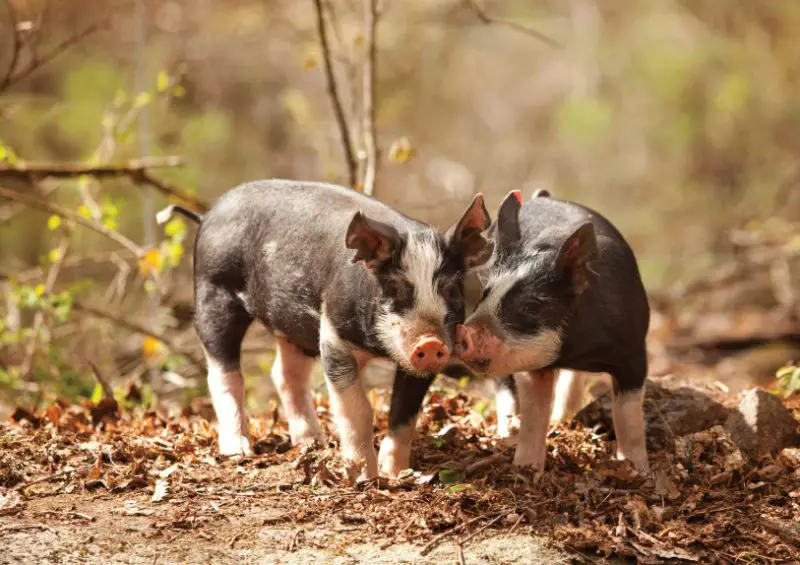
Feral domestic pigs originate from escaped farm animals or deliberate releases. Their appearance varies widely depending on breed ancestry and time spent in the wild. Some individuals still resemble farm pigs with lighter skin and sparse hair, while others gradually develop thicker coats and darker coloration after several generations.
Compared with Eurasian wild boars, these pigs often have shorter snouts, rounder faces, and bulkier bodies. Ear shape, tail curl, and coat pattern differ significantly between individuals. Colors range from pink or white to black, spotted, brown, or mixed patterns.
Because of this variability, identification rarely depends on a single trait. Observers typically assess body structure, coat type, and behavior together.
Over time, feral domestic pigs may develop more “wild-type” features as natural selection favors survival traits.
Habitat in Georgia
These pigs thrive in agricultural landscapes where food sources are abundant. Pastures, croplands, orchards, abandoned farmland, and suburban fringes provide excellent feeding opportunities.
They adapt quickly to human-altered environments, often exploiting garbage, livestock feed, ornamental plants, and crop residues. Irrigated fields and compost areas can become frequent feeding sites.
Water access remains important, so they commonly inhabit areas near streams, ponds, irrigation canals, or wetlands.
Behavior Traits
Initially, escaped domestic pigs may show reduced fear of humans compared with wild boars. However, this often changes quickly as they adapt to survival in the wild.
Their intelligence allows rapid learning about food availability, human routines, and environmental threats. This adaptability contributes significantly to their success.
They reproduce rapidly, often producing multiple litters per year under favorable conditions. This reproductive capacity drives rapid population growth and ecological impact.
Wild Boar–Domestic Pig Hybrids
Identification Features
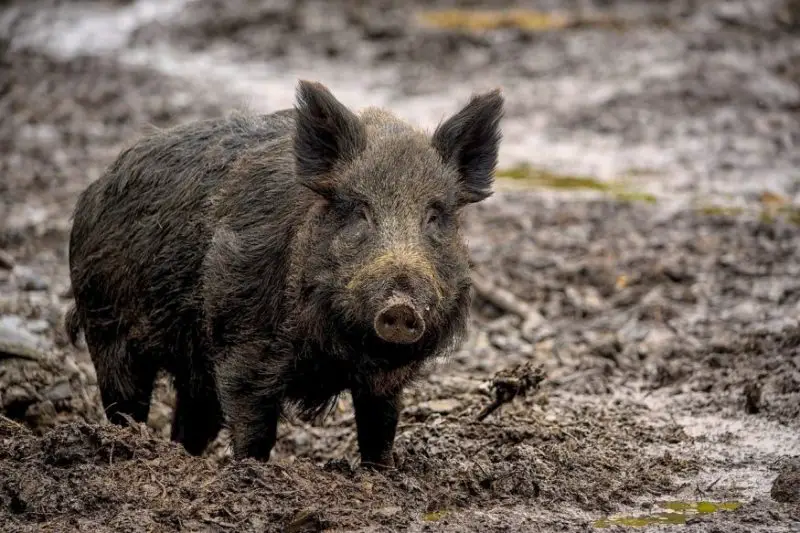
Hybrid feral pigs result from interbreeding between Eurasian wild boars and domestic pigs. These hybrids are now widely considered the dominant feral pig type across Georgia.
Their appearance can vary dramatically. Some individuals show thick fur and lean bodies similar to wild boars but with coloration inherited from domestic pigs. Others display mixed traits such as intermediate snout length, variable tusk size, and diverse coat patterns.
Hybrid vigor often produces larger body size, increased reproductive success, and enhanced adaptability. This makes hybrids particularly successful in both natural and human-modified landscapes.
Because of this variability, identification usually requires considering multiple physical traits rather than relying on a single characteristic.
Habitat in Georgia
Hybrids occupy an extremely broad range of environments. Forests, wetlands, agricultural fields, suburban greenbelts, and conservation areas all support hybrid populations.
Their ability to exploit both wild food sources and human-related resources enhances their ecological success. Seasonal food availability often influences movement patterns.
Wetlands and forest edges remain preferred shelter areas.
Behavior Traits
Hybrid pigs combine the intelligence of domestic pigs with the survival instincts of wild boars. This combination enhances adaptability and resilience.
They often display cautious but opportunistic behavior near humans. Nighttime foraging becomes common in developed areas.
Because hybrids often form large populations, their environmental impact can be significant, affecting agriculture, native vegetation, and soil stability.
Razorbacks (Southern Feral Hogs)
Identification Features
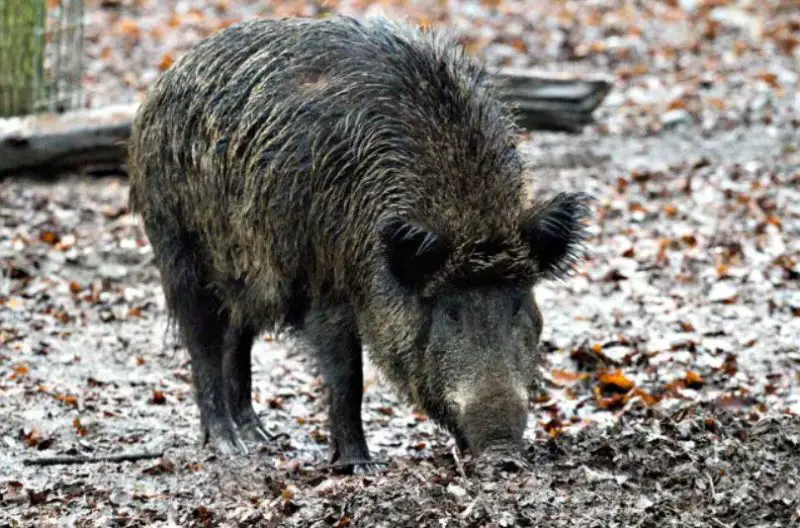
The term “razorback” is a regional nickname rather than a scientific classification. It typically describes lean, long-snouted feral hogs common throughout the southeastern United States, including Georgia.
Razorbacks often exhibit elongated bodies, coarse hair, narrow hips, and pronounced shoulder ridges. These traits reflect adaptation to wild environments where agility and endurance improve survival.
Coat coloration varies widely, including dark brown, black, reddish tones, or mottled combinations. Their overall appearance often suggests a strong wild lineage.
While sometimes confused with Eurasian wild boars, razorbacks may include hybrids or long-established feral populations adapted to southern habitats.
Habitat in Georgia
Razorbacks commonly inhabit swampy lowlands, coastal plains, pine forests, and dense brush areas. These habitats provide cover, water access, and diverse food sources.
They are capable of traveling long distances while foraging, particularly when seasonal food availability shifts. Agricultural edges, wetlands, and forest corridors often serve as travel routes.
Their adaptability allows them to persist across varied terrain.
Behavior Traits
Razorbacks are known for agility, speed, and strong survival instincts. They tend to be highly mobile and may be more difficult to manage than other feral pig types.
Despite their reputation, they generally avoid humans unless threatened. Defensive behavior typically occurs only when animals feel cornered or when young are present.
Their mobility and reproductive success contribute to ongoing population challenges across the Southeast.
Environmental Impact of Feral Pigs in Georgia
Feral pigs have become one of the most disruptive invasive wildlife species in Georgia. Their ecological impact extends beyond simple crop damage, affecting soil structure, plant communities, water quality, and broader wildlife ecosystems. Because these animals are highly adaptable omnivores with strong rooting instincts, their presence often produces cascading environmental effects.
Rooting behavior is perhaps the most visible impact. Pigs dig aggressively with their snouts in search of roots, insects, bulbs, and buried food sources. This process overturns soil layers, damages native vegetation, and accelerates erosion, especially in wetlands and forested slopes. Over time, repeated disturbance can reduce plant diversity and encourage invasive plant species to establish themselves.
Competition with native wildlife also occurs frequently. Feral pigs consume acorns, berries, roots, insects, amphibians, reptiles, bird eggs, and small mammals. This overlap with native species such as deer, turkey, and ground-nesting birds can disrupt food chains and breeding success. In some cases, pigs directly prey on eggs or young animals, further affecting wildlife populations.
Agricultural impacts remain particularly significant in Georgia. Crop destruction from rooting and trampling can reduce yields dramatically. Irrigation systems may be damaged, fences broken, and livestock feed consumed. Farmers often report recurring financial losses due to pig activity. These combined environmental and economic effects make feral pig management an ongoing challenge across the state.
Identifying Feral Pig Activity
Early identification of feral pig presence helps landowners minimize damage and respond quickly. Because pigs are often nocturnal and secretive, physical signs usually appear before the animals themselves are seen.
Rooted soil patches are among the most common indicators. These areas resemble freshly plowed ground, with overturned turf, exposed roots, and uneven soil. The disturbance may appear overnight, particularly near crop fields, lawns, or forest edges.
Tracks also provide useful clues. Feral pig tracks can resemble deer tracks but tend to appear rounder and broader. Dewclaws often leave marks in soft soil, especially when animals run or travel through mud.
Wallows — shallow muddy depressions near water sources — are another strong indicator. Pigs use wallows to cool off, remove parasites, and coat their skin with mud for protection. These areas often show repeated use.
Crop damage patterns can also signal pig activity. Flattened vegetation, partially eaten crops, and irregular rooting lines across fields are typical signs.
Trail cameras frequently provide confirmation. Motion-activated cameras help document timing, group size, and movement patterns, allowing more informed management decisions.
Early detection allows preventive measures before damage escalates.
Safety Tips Around Feral Pigs
Although feral pigs typically avoid humans, they can become defensive if cornered or protecting young. Practicing basic safety awareness helps reduce potential conflict.
Avoid Direct Approach
Maintaining distance is essential. Even pigs that appear calm may react quickly if they feel threatened. Sudden movements, loud noises, or attempts to approach for photographs can increase risk.
If you encounter pigs outdoors, remain calm, slowly back away, and avoid blocking their escape path.
Protect Pets and Livestock
Outdoor pets and small livestock may attract pig attention. Supervising animals in areas with known pig activity helps reduce encounters. Secure enclosures, especially overnight, provide additional protection.
Young animals are particularly vulnerable, so vigilance during breeding seasons is important.
Secure Food Sources
Garbage, pet food, livestock feed, compost, and crops can attract feral pigs. Keeping these resources secured reduces incentive for pigs to enter residential or agricultural areas.
Eliminating attractants often decreases repeated visits.
Report Sightings if Necessary
Local wildlife agencies sometimes track feral pig populations for management purposes. Reporting significant sightings or damage can support monitoring efforts.
This helps improve regional response strategies.
Use Caution at Dawn and Dusk
Feral pigs are frequently most active during early morning and evening hours. Outdoor activities near forests, wetlands, or agricultural edges during these times should include increased awareness.
Good visibility and situational awareness reduce unexpected encounters.
Tips for Preventing Property Damage
Preventive strategies can significantly reduce the likelihood of recurring feral pig problems. Combining multiple approaches typically yields the best results.
Reinforce Fencing
Heavy-duty fencing with reinforced lower sections can deter pigs from entering properties. Because pigs are strong diggers, fencing should extend slightly below ground level when possible.
Regular inspection helps maintain effectiveness.
Remove Attractants
Securing livestock feed, garbage containers, compost piles, and fallen crops reduces attraction. Even small food sources can encourage repeated pig visits.
Consistent removal discourages long-term habitation.
Manage Landscaping
Reducing dense vegetation, brush piles, and unmanaged ground cover near homes limits shelter opportunities. Clear visibility discourages wildlife presence.
Open landscapes also allow earlier detection.
Monitor Regularly
Trail cameras provide valuable insight into pig movement patterns. Monitoring helps detect early activity and evaluate effectiveness of prevention measures.
Consistent observation allows timely response.
Seek Professional Assistance
In areas with persistent pig activity, wildlife control professionals can provide tailored strategies. This may include exclusion methods, habitat modification, or population management approaches consistent with local regulations.
Professional guidance often improves long-term outcomes.
FAQs About Feral Pigs in Georgia
Are feral pigs native to Georgia?
No. Most descended from domestic pigs or introduced wild boars.
Which type is most common?
Hybrid feral pigs dominate many areas.
Are feral pigs dangerous?
They usually avoid humans but can defend themselves if threatened.
Do they spread disease?
Yes, some diseases can affect livestock and occasionally humans.
Why are populations increasing?
High reproductive rates and adaptable behavior.
Can they be controlled easily?
Management is challenging due to rapid reproduction.
Do they damage ecosystems?
Yes, rooting and feeding behavior impacts habitats.
Should sightings be reported?
Local wildlife agencies often encourage reporting.
Final Thoughts
Feral pigs in Georgia represent a complex wildlife management issue shaped by history, ecology, and human activity. The four commonly recognized types — Eurasian wild boars, feral domestic pigs, hybrids, and regional razorbacks — each reflect different origins but share remarkable adaptability.
Understanding identification features, behavior, and environmental impact helps residents respond calmly and responsibly. While feral pigs can cause agricultural and ecological challenges, informed awareness reduces unnecessary fear and improves coexistence strategies.
Education, responsible land management, and ongoing monitoring remain essential as Georgia continues balancing wildlife conservation with agricultural and community needs.