
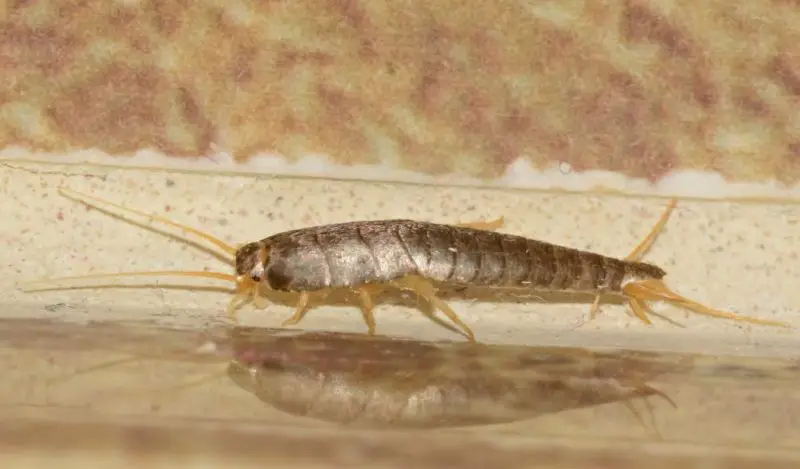
Silverfish sightings in bathrooms often feel sudden and unsettling. One day the space seems perfectly normal, and the next, small silvery insects dart across the floor when the lights turn on. Although they look unusual, silverfish are not dangerous. Their appearance usually reflects environmental conditions inside the home rather than cleanliness issues.
In Alabama, climate and housing factors make bathrooms particularly attractive to these insects. Warm temperatures, seasonal humidity, plumbing moisture, and hidden structural spaces all contribute to conditions silverfish prefer. Understanding why they show up helps reduce frustration and makes prevention easier.
This guide explains what silverfish are, why Alabama homes commonly experience them, how bathroom conditions attract them, and what practical steps reduce future activity.
Table of Contents
- 0.1 What Silverfish Are and Why They Live Indoors
- 0.2 Why Alabama Homes Frequently See Silverfish
- 0.3 The Role of Humidity in Silverfish Survival
- 0.4 Why Silverfish Appear Suddenly
- 0.5 Common Bathroom Food Sources
- 0.6 Structural Features That Encourage Silverfish
- 0.7 Plumbing Conditions That Attract Silverfish
- 0.8 Seasonal Behavior Patterns in Alabama
- 0.9 Are Silverfish Dangerous?
- 0.10 Signs of a Developing Silverfish Population
- 0.11 How Ventilation Reduces Silverfish Activity
- 0.12 Moisture Control Habits That Help
- 0.13 Natural Prevention Strategies
- 0.14 When Professional Help May Be Needed
- 0.15 Psychological Impact of Seeing Silverfish
- 0.16 Living Comfortably With Alabama’s Climate
- 1 FAQs About Silverfish in Alabama Bathrooms
- 1.1 Why do silverfish appear mostly in bathrooms?
- 1.2 Are silverfish a sign of poor cleanliness?
- 1.3 Do silverfish disappear on their own?
- 1.4 Can silverfish damage my home?
- 1.5 Is pesticide treatment necessary?
- 1.6 Do they spread disease?
- 1.7 Why do I see them mostly at night?
- 1.8 Should I worry about an infestation?
- 2 Final Thoughts
What Silverfish Are and Why They Live Indoors
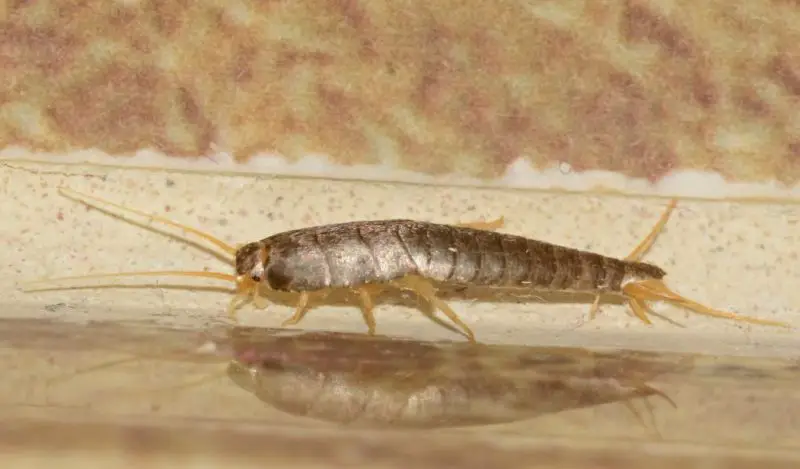
Silverfish are primitive wingless insects recognized by their silvery scales, elongated teardrop-shaped bodies, and quick fish-like movement. Fossil records show similar insects existed hundreds of millions of years ago, highlighting how adaptable they are to environmental change. That long evolutionary history helps explain why they transition easily from natural habitats into modern homes.
Unlike many indoor pests, silverfish do not need large or obvious food sources. Tiny organic particles such as skin flakes, starch residues, paper fibers, and soap buildup can sustain them. Bathrooms naturally provide both steady moisture and trace organic material, making them particularly suitable indoor environments where these insects can survive quietly for extended periods.
Silverfish are primarily nocturnal. They prefer darkness and spend most daylight hours hidden behind tiles, inside wall voids, under cabinets, or near plumbing lines. When lights suddenly switch on at night, they often dash for cover quickly, creating the impression they appeared suddenly. In reality, they usually existed there unnoticed long before the first sighting.
Why Alabama Homes Frequently See Silverfish
Alabama’s climate strongly shapes indoor insect patterns. Warm temperatures, frequent rainfall, and consistently high humidity create favorable conditions for moisture-dependent insects. Silverfish often find bathrooms in this climate especially suitable.
Summer humidity tends to linger for long periods, even inside air-conditioned homes. Bathrooms accumulate additional moisture from hot showers, limited ventilation, and enclosed layouts. These localized humidity pockets can support hidden insect populations even when the rest of the house feels dry.
Winter conditions may slightly reduce indoor humidity overall, but bathrooms remain exceptions due to daily water use. Seasonal storms, temperature swings, and condensation around plumbing further contribute to stable microenvironments. These patterns do not create silverfish directly but allow existing populations to thrive quietly.
The Role of Humidity in Silverfish Survival
Humidity is the most important factor affecting silverfish presence. These insects lose moisture easily through their bodies, so they stay close to environments where humidity remains stable. Bathrooms provide multiple sources of moisture that help maintain those conditions.
Steam from showers, condensation on mirrors and pipes, damp towels, bath mats, and even minor plumbing leaks create persistent humidity zones. Warm water pipes inside walls can also maintain subtle warmth and moisture that silverfish rely on for survival.
Even a small humidity difference compared with other rooms can attract silverfish. Once they establish a hidden refuge, they can survive with minimal food as long as moisture remains consistent. Lowering humidity often reduces activity more effectively than pesticides because it removes the fundamental requirement for their survival.
Why Silverfish Appear Suddenly
Many homeowners describe silverfish sightings as sudden, but increased visibility is usually the real explanation. Environmental changes often prompt these insects to leave hiding places, making them easier to notice.
Seasonal humidity shifts, plumbing leaks, cleaning disruptions, renovations, temperature fluctuations, or moving stored items can disturb their microhabitats. When these changes occur, silverfish may wander in search of moisture or food. That movement gives the impression of a new infestation even if they were present for months.
Because they hide so effectively, people rarely notice them until environmental conditions shift or nighttime lighting reveals their activity.
Common Bathroom Food Sources
Silverfish rarely feed on traditional food scraps. Instead, they consume materials rich in starches, sugars, and organic particles. Bathrooms unexpectedly provide several such resources.
Toilet paper, tissues, cotton towels, clothing fibers, soap residue, skin cells, wallpaper adhesives, and even microscopic mold can support their diet. Because they require very little nutrition, even invisible organic particles may sustain them.
Reducing accessible organic materials helps discourage long-term habitation, but moisture control remains more important overall. Food scarcity alone rarely eliminates silverfish if humidity remains favorable.
Structural Features That Encourage Silverfish
Building characteristics often influence insect activity. Homes in humid regions experience expansion and contraction from moisture and temperature fluctuations, which can create small cracks or gaps over time.
Tile grout cracks, baseboard gaps, wall voids near plumbing, flooring edges, and aging caulk around fixtures provide dark, protected spaces where humidity remains stable. These microhabitats are ideal hiding places for silverfish.
Routine sealing of structural gaps helps reduce hiding opportunities and limits movement between rooms. Maintenance also improves overall moisture control.
Plumbing Conditions That Attract Silverfish
Plumbing systems play a major role in bathroom insect activity. Even small leaks can create localized humidity zones that support silverfish survival. Condensation on cold pipes and poorly sealed pipe entry points also contribute to persistent moisture.
Rarely used drains sometimes hold standing water, encouraging humidity buildup. Silverfish can travel through tiny openings around plumbing and inside wall cavities, allowing them to remain hidden while accessing moisture sources.
Regular plumbing inspection helps prevent both insect attraction and structural moisture damage. Fixing leaks promptly often reduces activity more effectively than chemical pest treatments.
Seasonal Behavior Patterns in Alabama
Silverfish activity varies throughout the year. Summer humidity and warmth often support reproduction, making sightings more common. Fall temperature shifts can increase indoor condensation, encouraging movement toward humid interior spaces.
Winter heating may alter humidity patterns, but bathrooms generally remain comparatively damp. Spring rainfall and humidity increases can elevate indoor moisture levels, sometimes triggering additional sightings.
Fluctuations in sightings often reflect environmental conditions rather than sudden population growth.
Are Silverfish Dangerous?
Silverfish are generally harmless to people. They do not bite, sting, or transmit disease. Their primary impact is nuisance-related, along with occasional cosmetic damage to paper products, fabrics, or stored materials containing starches.
Persistent presence may indicate excess humidity that could eventually support mold growth or structural moisture issues if left unaddressed. Addressing environmental conditions is often more important than eliminating the insects themselves.
Signs of a Developing Silverfish Population
Occasional sightings are common in humid regions. However, repeated encounters may indicate stable populations.
Typical signs include frequent nighttime sightings, yellowish stains on paper materials, tiny silvery scales resembling dust, small irregular holes in fabrics, and activity concentrated near moisture sources. Monitoring humidity often provides early clues about conditions supporting insect activity.
How Ventilation Reduces Silverfish Activity
Improved ventilation significantly lowers humidity levels. Running exhaust fans during and after showers, opening windows when weather allows, using dehumidifiers, and ensuring airflow around cabinets all help reduce moisture buildup.
Consistent airflow discourages silverfish survival while improving indoor comfort. Bathrooms that remain dry rarely support persistent populations.
Moisture Control Habits That Help
Daily habits strongly influence bathroom humidity. Hanging towels fully to dry, wiping condensation from mirrors and tiles, keeping shower curtains open, avoiding persistently damp bath mats, and repairing leaks promptly all reduce stable moisture conditions.
Small routine adjustments often produce long-term benefits. Environmental control usually works better than chemical treatments.
Natural Prevention Strategies
Maintaining lower humidity, improving airflow, sealing cracks, reducing clutter, and storing paper products in sealed containers discourage long-term habitation.
Without moisture and hiding spaces, silverfish populations typically decline naturally. These approaches support sustainable home maintenance.
When Professional Help May Be Needed
Persistent activity despite moisture control may indicate hidden causes such as concealed plumbing leaks, structural moisture damage, wall void infestations, or foundation humidity issues.
Professional inspection can identify these conditions. Most situations resolve once underlying environmental factors are corrected.
Psychological Impact of Seeing Silverfish
Silverfish often trigger discomfort disproportionate to actual risk because of their sudden movement and unfamiliar appearance. Many people associate them with poor hygiene, even though cleanliness alone rarely determines their presence.
Understanding their harmless nature helps reduce anxiety and encourages practical prevention strategies.
Living Comfortably With Alabama’s Climate
Alabama’s climate naturally produces indoor moisture variations due to warmth, rainfall, and humidity. Accepting occasional minor insect activity while maintaining preventive habits helps keep situations manageable.
Proactive moisture control remains the most effective long-term strategy for reducing silverfish presence in bathrooms.
FAQs About Silverfish in Alabama Bathrooms
Why do silverfish appear mostly in bathrooms?
Bathrooms provide humidity, warmth, and organic material that support silverfish survival. These conditions rarely exist elsewhere in the home as consistently.
Are silverfish a sign of poor cleanliness?
Not necessarily. Moisture matters more than sanitation. Even clean bathrooms can attract silverfish if humidity remains high.
Do silverfish disappear on their own?
Sometimes activity decreases when humidity drops. However, consistent moisture usually allows populations to persist without intervention.
Can silverfish damage my home?
They may cause minor cosmetic damage to paper products or fabrics but rarely cause structural harm.
Is pesticide treatment necessary?
Often environmental control works better. Reducing humidity and sealing hiding spaces typically provides lasting results.
Do they spread disease?
Silverfish are not known to transmit diseases to humans.
Why do I see them mostly at night?
They are nocturnal insects that avoid light. Daytime sightings are uncommon unless populations grow larger.
Should I worry about an infestation?
Repeated sightings may indicate stable humidity conditions. Addressing moisture usually resolves the issue effectively.
Final Thoughts
Silverfish appearing in Alabama bathrooms rarely signal danger or poor hygiene. They usually reflect humidity, plumbing moisture, and hidden structural spaces that support their survival.
Understanding these environmental factors helps homeowners respond calmly and effectively. Reducing humidity, improving ventilation, maintaining plumbing, and sealing gaps typically prevent long-term problems.
With consistent moisture control and awareness of Alabama’s climate patterns, silverfish encounters can remain occasional and manageable rather than persistent concerns.