
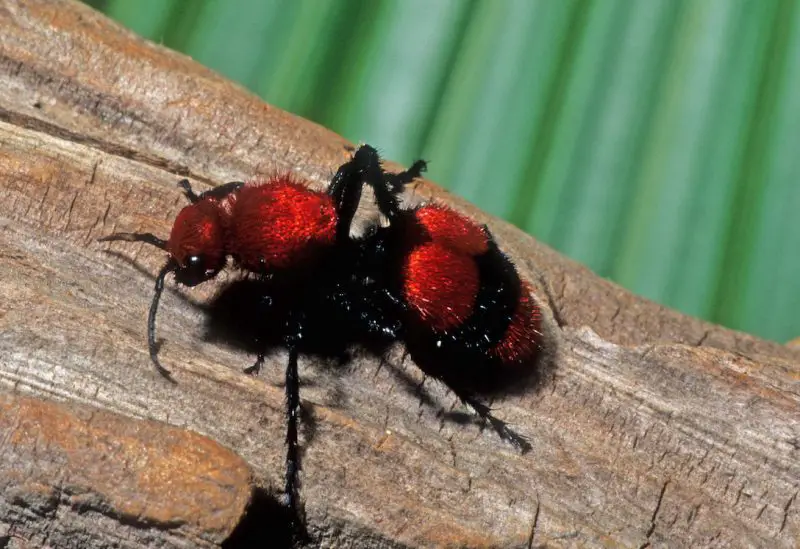
Velvet ants attract attention wherever they appear. Their bright colors, fuzzy bodies, and ant-like shape make them easy to notice, yet many people are surprised to learn they are actually a type of wasp. In Idaho, encounters remain relatively uncommon, but when they do happen, the sting often becomes memorable.
The intense pain associated with velvet ants has created a strong reputation. Some people even call them “cow killers,” a dramatic nickname that reflects the severity of the sting rather than any real danger to large animals. Understanding what these insects are, where they live in Idaho, and why their sting hurts so much can help reduce unnecessary fear while encouraging safe outdoor awareness.
Table of Contents
- 1 What Exactly Is a Velvet Ant
- 2 Velvet Ant Presence in Idaho
- 3 Why Their Sting Hurts So Much
- 4 Defensive Behavior Rather Than Aggression
- 5 Why People Suddenly Notice Them
- 6 Habitat Conditions That Support Velvet Ants
- 7 Ecological Role of Velvet Ants
- 8 Are Velvet Ant Stings Dangerous
- 9 Comparing Velvet Ant Stings With Other Insects
- 10 Common Misconceptions About Velvet Ants
- 11 Safety Tips for Avoiding Stings
- 12 What To Do If You Are Stung
- 13 Why Idaho Encounters Are Usually Limited
- 14 Outdoor Awareness Without Fear
- 15 Wildlife Education and Public Understanding
- 16 Long Term Coexistence in Idaho Landscapes
- 17 FAQs About Velvet Ant Stings in Idaho
- 18 Final Thoughts
What Exactly Is a Velvet Ant
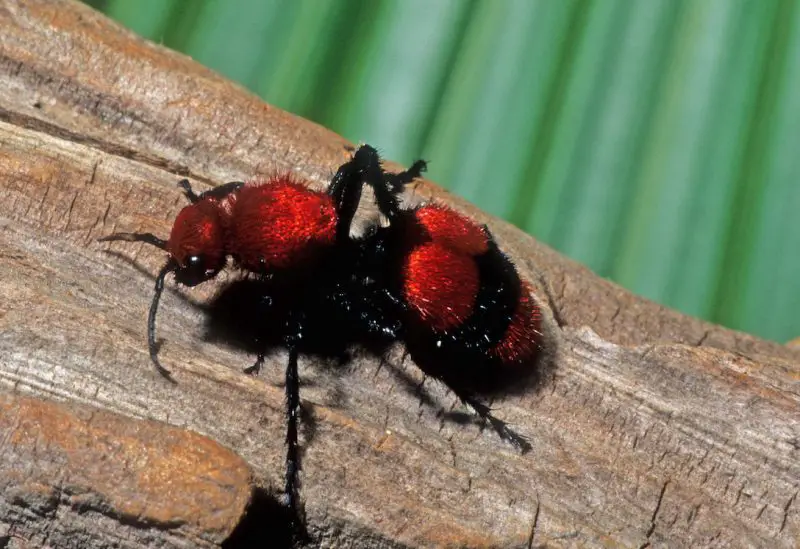
Velvet ants are actually wasps belonging to the family Mutillidae, even though their fuzzy bodies and ant-like shape often cause confusion. Females lack wings, which gives them the classic “ant” appearance, while males have wings and look more like typical wasps. Their dense, velvety hair creates their distinctive texture and contributes to their striking coloration. These bright colors serve a biological purpose rather than aesthetics.
Unlike social ants or many wasps, velvet ants live solitary lives. A female spends most of her time searching for the underground nests of bees or wasps. She lays her eggs inside these nests, where the larvae develop using available host resources. This parasitic life cycle allows velvet ants to survive without constructing their own nests or colonies.
Their vivid reds, oranges, blacks, and yellows act as warning coloration. Predators learn to associate these colors with a powerful defensive sting. Combined with a tough exoskeleton and chemical defenses, this warning system helps compensate for the female’s inability to fly.
Velvet Ant Presence in Idaho
Velvet ants are present in Idaho, though they are not widespread or considered household pests. They tend to occupy specific outdoor habitats where environmental conditions favor both their survival and the nesting insects they depend on. Idaho’s diverse terrain offers suitable pockets of habitat, particularly in drier southern and western regions.
Typical sighting locations include dry grasslands, sandy or loose soils, canyon edges, shrublands, agricultural margins, and open woodland clearings. These areas provide warmth, sunlight, and the ground-nesting insects essential for velvet ant reproduction. Such environments are common in semi-arid parts of the state.
Indoor encounters remain rare. Velvet ants generally stay outdoors, and sightings usually occur during hiking, gardening, ranching, or similar activities. Their presence often indicates a balanced natural ecosystem rather than a pest issue.
Why Their Sting Hurts So Much
Velvet ant stings are widely known for their intensity. One reason is the female’s relatively long, smooth stinger, which penetrates skin effectively when she feels threatened. The sting functions purely as defense rather than hunting or food capture.
Their venom contains compounds that strongly stimulate nerve endings, producing immediate sharp pain. The reaction serves as a deterrent to predators. When a velvet ant stings, it is typically a last resort after warning signals fail.
People often describe the sensation as burning, electric, or sharply piercing. Pain usually peaks quickly and gradually subsides. Although memorable, most stings do not cause lasting harm in healthy individuals.
Defensive Behavior Rather Than Aggression
Velvet ants are defensive insects, not aggressive ones. They do not pursue humans, and most stings happen accidentally when someone touches, steps on, or attempts to handle one. Because females cannot fly, the sting represents their primary protection against threats.
Their defense typically begins with visual warning coloration. Some species can produce faint squeaking sounds by rubbing body parts together, a behavior called stridulation. Only if contact continues do they deliver a sting.
Recognizing this defensive pattern helps reduce unnecessary fear. Simply leaving them alone almost always prevents incidents.
Why People Suddenly Notice Them
Many Idaho residents feel velvet ants appear suddenly. Seasonal warmth increases insect activity, especially during late spring and summer when outdoor recreation also rises. This overlap makes encounters more noticeable.
Landscaping, construction, gardening, or trail maintenance can temporarily disturb habitats, causing insects to move into visible areas. Even a single velvet ant may attract attention due to its unusual look and vivid coloration.
Sudden sightings rarely indicate population growth. Often they reflect seasonal movement or increased human outdoor activity rather than new infestations.
Habitat Conditions That Support Velvet Ants
Velvet ants prefer habitats that support ground-nesting bees and wasps. These host insects provide essential resources for velvet ant reproduction. Loose sandy soil, open sunny areas, dry grasslands, and minimal soil disturbance are especially favorable.
Idaho’s semi-arid climate and varied landscapes create suitable environments. Shrub-steppe regions, canyon systems, and agricultural edges often support both host insects and velvet ants.
While habitat diversity allows occasional sightings, large concentrations near homes remain uncommon. Most populations stay within natural outdoor areas.
Ecological Role of Velvet Ants
Despite their intimidating sting, velvet ants contribute to ecosystem balance. By parasitizing certain ground-nesting insects, they help regulate insect population dynamics and prevent any single species from dominating.
Adult velvet ants also visit flowers for nectar. Although not major pollinators, they participate in pollination networks and contribute modestly to plant reproduction. Their presence often signals healthy insect diversity.
Understanding this ecological role helps place encounters in context. They are part of Idaho’s natural biodiversity rather than harmful pests.
Are Velvet Ant Stings Dangerous
For most individuals, velvet ant stings cause intense but temporary discomfort. Common symptoms include sharp pain, localized swelling, redness, and mild irritation that usually fades within hours or a day.
Allergic reactions remain possible, as with any insect sting. People with known venom allergies should exercise caution outdoors. Symptoms such as difficulty breathing, widespread swelling, dizziness, or prolonged severe pain warrant medical attention.
Most stings resolve without complications. The primary impact is pain rather than lasting health risk.
Comparing Velvet Ant Stings With Other Insects
Many people compare velvet ant stings with those of wasps, hornets, or fire ants. Entomologists often rank them high on pain scales due to immediate intensity. However, encounters typically involve only one insect rather than multiple stings.
Social wasps defend colonies and may sting repeatedly, while velvet ants live alone and sting only when necessary. Avoiding handling virtually eliminates risk.
Their sting remains defensive rather than aggressive. Respectful distance usually prevents incidents entirely.
Common Misconceptions About Velvet Ants
The nickname “cow killer” often leads to exaggerated fears. There is no scientific evidence that velvet ants harm livestock or large animals significantly. The name simply reflects perceived sting intensity.
Another misconception involves household infestation. Velvet ants rarely enter homes and do not establish colonies indoors. They are primarily outdoor insects.
Some assume they attack humans. In reality, stings occur only when the insect is threatened. Education helps correct these misunderstandings.
Safety Tips for Avoiding Stings
Simple precautions greatly reduce sting risk. Wearing closed footwear in grassy or sandy areas prevents accidental contact. Gloves help when gardening or moving outdoor materials.
Avoid handling unfamiliar insects. Encourage children to observe wildlife without touching. Checking outdoor seating or equipment before use can also prevent accidental encounters.
Awareness, not fear, remains the most effective preventive approach.
What To Do If You Are Stung
If stung, remain calm. Clean the area gently with soap and water to reduce irritation. Applying a cold compress helps minimize swelling and discomfort.
Over-the-counter pain relief may ease symptoms. Avoid scratching the area to prevent irritation or infection. Monitor for allergic reactions, especially if you have prior insect sting sensitivity.
Most stings resolve naturally without medical intervention.
Why Idaho Encounters Are Usually Limited
Idaho’s cooler winters and varied elevations limit velvet ant abundance compared with warmer southern regions. Populations tend to remain localized rather than widespread.
Environmental diversity means some residents may never encounter them, while others occasionally do during outdoor activities. Climate boundaries shape their distribution.
Ongoing ecological monitoring continues tracking insect populations as environmental conditions change.
Outdoor Awareness Without Fear
Unfamiliar insects often trigger anxiety, especially when associated with painful stings. Understanding their behavior helps transform fear into informed awareness.
Most wildlife prefers avoidance rather than confrontation. Velvet ants follow this pattern. Observing them from a safe distance allows appreciation without risk.
Awareness encourages coexistence while maintaining personal safety.
Wildlife Education and Public Understanding
Public education helps reduce unnecessary concern. Learning about insect biology, ecological roles, and realistic risk levels promotes balanced perspectives.
Community outreach programs, nature education initiatives, and accessible scientific information help residents recognize species accurately. Knowledge benefits both safety and conservation.
Accurate understanding fosters coexistence rather than alarm.
Long Term Coexistence in Idaho Landscapes
Idaho’s diverse environments support a wide range of wildlife, including insects that occasionally surprise residents. Understanding how these species fit into ecosystems helps communities adapt comfortably.
Maintaining natural habitats, minimizing unnecessary pesticide use, and practicing basic outdoor awareness support ecological balance. Coexistence does not require eliminating wildlife.
It simply requires understanding.
FAQs About Velvet Ant Stings in Idaho
Are velvet ants common in Idaho
They are present but not widespread. Sightings usually occur in dry open habitats rather than residential areas.
Why does the sting hurt so much
Their venom strongly stimulates pain receptors and the stinger penetrates effectively. The sting functions purely as defense.
Are they dangerous to humans
Most stings cause temporary pain and swelling only. Serious reactions are rare and usually related to allergies.
Do velvet ants attack people
No. They sting only when handled, stepped on, or threatened.
Can they infest homes
They rarely enter homes and do not form colonies. Indoor infestations are extremely uncommon.
How can I avoid being stung
Wear closed shoes outdoors, avoid touching unfamiliar insects, and use gloves when gardening.
What should I do after a sting
Clean the area, apply a cold compress, and monitor for allergic reactions. Seek medical help if severe symptoms occur.
Do they benefit the ecosystem
Yes. They help regulate insect populations and occasionally contribute to pollination.
Final Thoughts
Velvet ant stings in Idaho are memorable mainly because of the intense but short-lived pain. These insects are solitary, defensive wasps that rarely interact with people unless accidentally disturbed.
Understanding their biology, habitat, and behavior helps place encounters in perspective. Most residents will rarely see one, and simple awareness usually prevents stings. Knowledge allows coexistence without unnecessary fear while respecting Idaho’s diverse natural ecosystems.