
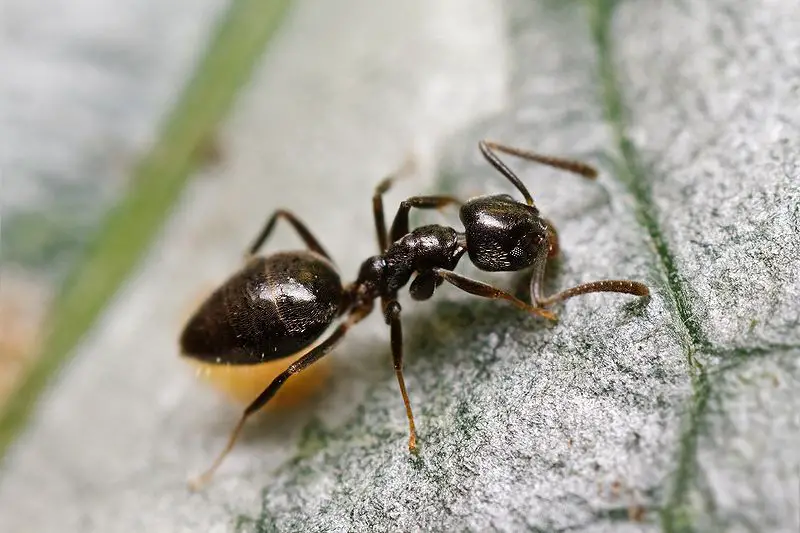
Bathrooms are meant to feel clean and controlled, so spotting a trail of tiny ants near the sink, shower, or baseboards can be frustrating. Many Colorado homeowners notice these insects suddenly appearing in bathrooms, often without warning. In most cases, the culprit is the odorous house ant (Tapinoma sessile), one of the most widespread indoor ant species across the United States.
These ants rarely signal poor cleanliness. Instead, they respond to environmental cues like moisture, temperature changes, structural gaps, and seasonal weather shifts. Colorado’s climate, with its dry air, cold winters, warm summers, and sudden temperature swings, creates conditions that can drive ants indoors, especially into moisture-rich spaces like bathrooms.
Understanding why odorous house ants show up, what attracts them, and how to prevent recurring activity helps homeowners manage the issue calmly and effectively. While they can be persistent, they are generally harmless and manageable with consistent environmental adjustments.
Table of Contents
- 1 What Are Odorous House Ants?
- 2 Why Bathrooms Attract Them
- 3 Colorado Climate and Indoor Ant Activity
- 4 Seasonal Patterns of Appearance
- 5 How Colonies Establish Indoors
- 6 Moisture Sources That Encourage Ant Activity
- 7 Structural Entry Points
- 8 Food Sources in Bathrooms
- 9 How Fast Colonies Grow
- 10 Are Odorous House Ants Dangerous?
- 11 Identifying an Odorous House Ant Infestation
- 12 How Ventilation Reduces Ant Activity
- 13 Fixing Plumbing Issues
- 14 Cleaning Practices That Help
- 15 Natural Prevention Strategies
- 16 Chemical Control Considerations
- 17 When Professional Help May Be Necessary
- 18 Psychological Impact of Indoor Ant Activity
- 19 Long-Term Prevention in Colorado Homes
- 20 FAQs About Odorous House Ants in Colorado Bathrooms
- 20.1 Why do they appear suddenly?
- 20.2 Are they common in Colorado?
- 20.3 Do they indicate poor hygiene?
- 20.4 Can they damage homes?
- 20.5 Will they go away on their own?
- 20.6 Should pesticides be used immediately?
- 20.7 Do they spread quickly?
- 20.8 Are they harmful to pets?
- 20.9 Can Colorado winters eliminate them?
- 20.10 When should professionals be contacted?
- 21 Final Thoughts
What Are Odorous House Ants?
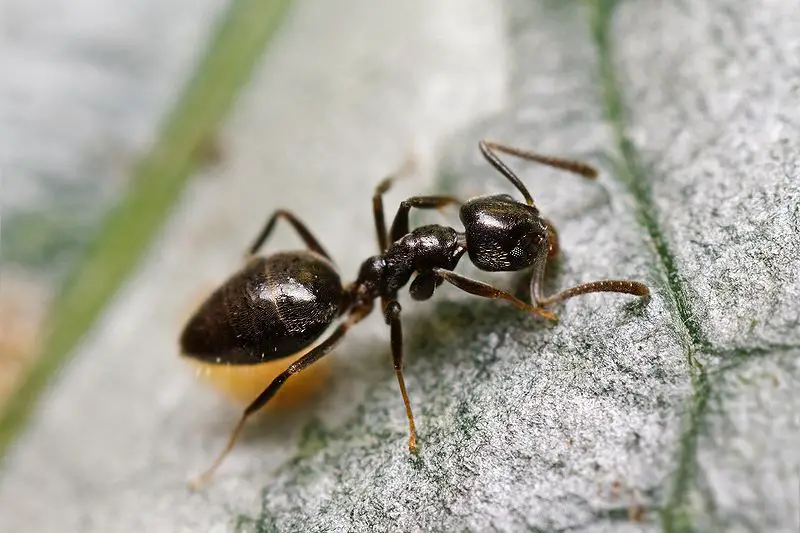
Odorous house ants are one of the most common indoor ant species across much of the United States, including Colorado. These small ants are usually dark brown to black and are best known for the unusual smell they release when crushed. Many people describe the scent as similar to rotten coconut, sour chemicals, or a slightly musty odor. This distinctive smell is often the easiest way for homeowners to identify them compared with other household ants.
Worker ants are typically about one-eighth of an inch long, with smooth bodies and subtle segmentation. They move quickly, often forming organized trails along walls, baseboards, plumbing lines, or countertops. Colonies can grow quite large, sometimes containing thousands of individuals. Unlike some ant species, odorous house ants frequently have multiple queens within a single colony. This allows colonies to expand rapidly and establish satellite nests in multiple locations.
These ants adapt easily to both outdoor and indoor environments. Outdoors, they nest beneath rocks, mulch, logs, or soil where moisture remains stable. Indoors, they prefer sheltered spaces such as wall voids, insulation layers, plumbing gaps, and areas with consistent humidity. Their flexibility explains why they appear suddenly in homes, especially in moisture-prone areas like bathrooms.
Why Bathrooms Attract Them
Bathrooms offer several essential resources simultaneously. Moisture availability, relatively stable humidity, warmth from plumbing, and limited disturbance make these spaces particularly attractive to ants searching for hydration.
Even in Colorado’s typically dry climate, bathrooms often maintain localized humidity. Steam from showers, condensation around sinks, and damp textiles create microenvironments that differ significantly from the rest of the home. For ants seeking water, this localized humidity can be more attractive than outdoor conditions.
Bathrooms also provide concealed travel routes. Baseboards, pipes, cabinetry gaps, and tile edges allow ants to move discreetly while foraging. These protected pathways reduce exposure to light, airflow, and predators.
While small food sources may exist, moisture is usually the primary attractant.
Colorado Climate and Indoor Ant Activity
Colorado’s climate strongly influences indoor ant behavior. The state is known for relatively dry air, sharp temperature swings, and seasonal variability. These environmental conditions encourage ants to seek indoor moisture sources.
Cold winters drive insects toward heated indoor environments where temperatures remain stable. Summer heat can have a similar effect when outdoor dryness becomes extreme. In both cases, bathrooms provide a reliable hydration source.
Spring and fall transitions often trigger increased indoor activity. Ants respond quickly to environmental changes, so sudden appearances frequently coincide with shifting temperatures or humidity levels.
Understanding climate influence helps homeowners anticipate recurring patterns rather than viewing each appearance as unexpected.
Seasonal Patterns of Appearance
Seasonal cycles shape ant behavior throughout Colorado. Spring often marks the beginning of noticeable indoor activity as melting snow increases soil moisture and warmer temperatures stimulate colony expansion.
During summer, prolonged dry spells push ants indoors searching for water. Bathrooms become especially attractive when outdoor moisture is scarce.
Fall cooling encourages ants to seek sheltered overwintering sites. Heated homes offer stable conditions, making bathrooms potential refuges.
Winter sightings may still occur if colonies establish indoors near plumbing warmth. Recognizing these seasonal patterns helps guide preventive efforts.
How Colonies Establish Indoors
Odorous house ants frequently form satellite nests indoors while maintaining larger primary colonies outdoors. These satellite nests provide convenient access to water sources without requiring full colony relocation.
Common nesting sites include wall cavities, insulation, beneath flooring, behind tiles, or near plumbing penetrations. These locations offer warmth, humidity, and protection from disturbance.
Because colonies often contain multiple queens, removing one nest may not eliminate the entire population. This decentralized colony structure contributes to persistence and makes complete elimination more challenging without environmental adjustments.
Understanding colony dynamics helps explain why ants may reappear after initial control attempts.
Moisture Sources That Encourage Ant Activity
Bathrooms naturally generate moisture through daily activities. Hot showers produce steam that condenses on mirrors, tiles, and plumbing surfaces. Wet towels and bath mats retain moisture long after use.
Hidden plumbing leaks beneath sinks or inside walls can maintain consistent dampness without obvious signs. Condensation on cold pipes creates additional humidity pockets.
Even small moisture differences compared with other rooms can attract ants seeking hydration. Maintaining consistent dryness significantly reduces nesting appeal.
Moisture management often provides the most effective prevention.
Structural Entry Points
Ants require only very small openings to enter homes. Cracks in foundations, gaps around plumbing, window frames, baseboards, and ventilation openings all provide potential access.
Colorado’s freeze-thaw cycles can create new structural gaps over time as building materials expand and contract. These seasonal changes sometimes explain sudden increases in indoor insect activity.
Sealing entry points helps reduce access. Regular inspection of exterior walls, plumbing penetrations, and window frames supports long-term prevention.
Proactive maintenance minimizes future infestations.
Food Sources in Bathrooms
Although water remains the primary attractant, bathrooms can provide minor food sources sufficient for ant survival. Soap residues, toothpaste sugars, shed skin cells, hair, and paper products containing starch all contribute.
These sources are typically small but adequate for sustaining worker ants. Large food spills are not necessary for colony survival when moisture is abundant.
Maintaining cleanliness helps reduce available resources, though moisture control remains more influential.
Balanced sanitation practices support overall prevention.
How Fast Colonies Grow
Odorous house ants reproduce efficiently. Multiple queens enable rapid population expansion, and satellite nesting allows colonies to spread without relocating entirely.
Warm indoor temperatures accelerate development cycles, allowing faster growth compared with outdoor colonies.
Disturbing nests without addressing environmental factors may temporarily increase visible activity as colonies fragment and relocate.
Integrated management combining moisture control, sanitation, and exclusion typically yields better results.
Understanding growth dynamics helps set realistic expectations.
Are Odorous House Ants Dangerous?
These ants present minimal health risk. They rarely bite, do not sting, and generally avoid direct human interaction.
Their primary impact is nuisance-related. Foraging ants may contaminate surfaces, and persistent infestations can cause frustration or sanitation concerns.
Addressing environmental conditions usually resolves issues without aggressive chemical treatments.
Overall risk remains low compared with many other household pests.
Identifying an Odorous House Ant Infestation
Certain signs suggest an established infestation. Visible trails near sinks, tubs, or plumbing lines often indicate active foraging.
Clusters of ants around moisture sources, recurring sightings despite cleaning, and the characteristic odor when ants are crushed all support identification.
Monitoring activity patterns helps determine severity. Early detection makes prevention easier and reduces long-term persistence.
Awareness improves management outcomes.
How Ventilation Reduces Ant Activity
Ventilation plays a crucial role in moisture control. Running exhaust fans during and after showers helps remove steam before condensation forms.
Opening windows when weather permits increases airflow. Dehumidifiers can assist during prolonged humid conditions or in poorly ventilated bathrooms.
Dry air discourages nesting and reduces foraging activity. Improved ventilation also enhances overall indoor comfort.
Consistent airflow remains a simple yet effective preventive measure.
Fixing Plumbing Issues
Even small leaks can sustain ant activity indefinitely. Regular inspection beneath sinks, around toilets, and near tubs helps identify hidden moisture sources.
Prompt repairs prevent ongoing dampness and reduce habitat suitability. Routine plumbing maintenance supports long-term control.
Consistency in addressing moisture issues significantly reduces recurrence risk.
Proactive care remains essential.
Cleaning Practices That Help
Routine cleaning removes organic residues that may support ant survival. Drying surfaces after use, keeping bath mats clean, avoiding clutter near plumbing, and removing soap buildup all contribute.
Cleanliness alone rarely eliminates ants if moisture persists. However, combined with ventilation and structural sealing, sanitation enhances prevention.
Balanced cleaning habits support effective management.
Consistency yields results.
Natural Prevention Strategies
Non-chemical approaches often provide lasting control. Maintaining dry bathroom conditions, sealing cracks, improving airflow, reducing clutter, and monitoring plumbing regularly align with ant biology.
These strategies reduce reliance on pesticides and support sustainable pest management.
Environmental adjustments typically offer the most reliable long-term solution.
Preventive habits minimize recurrence.
Chemical Control Considerations
Chemical treatments may provide temporary relief but often fail to address underlying environmental factors. Improper use can fragment colonies, increasing visible activity.
Integrated pest management approaches combining sanitation, exclusion, and moisture control usually produce better outcomes.
Professional guidance helps ensure safe and effective treatment when necessary.
Balanced strategies prevent repeated infestations.
When Professional Help May Be Necessary
Persistent infestations despite environmental adjustments may indicate hidden nests, structural gaps, or plumbing problems not easily visible.
Pest professionals can locate colonies and recommend targeted treatment. Plumbers may identify concealed leaks contributing to moisture.
Collaborative approaches often resolve difficult cases efficiently.
Professional evaluation reduces prolonged frustration.
Psychological Impact of Indoor Ant Activity
Sudden ant appearances often cause disproportionate concern. Homeowners may worry about cleanliness or structural damage even when moisture is the primary cause.
Understanding environmental factors reduces anxiety and promotes practical solutions.
Knowledge helps shift focus from worry to effective action.
Calm responses improve long-term management.
Long-Term Prevention in Colorado Homes
Consistency remains key to preventing recurring ant activity. Regular ventilation, plumbing maintenance, structural sealing, and humidity monitoring all contribute to lasting control.
Colorado’s climate naturally encourages occasional indoor insect movement, but preventive care minimizes impact.
Balanced expectations reduce frustration while supporting comfortable living conditions.
Ongoing awareness keeps homes resilient against seasonal pest pressures.
FAQs About Odorous House Ants in Colorado Bathrooms
Why do they appear suddenly?
Environmental changes such as moisture or temperature shifts increase activity and visibility.
Are they common in Colorado?
Yes. Odorous house ants are among the most widespread indoor ants in the region.
Do they indicate poor hygiene?
Not necessarily. Moisture attracts them more than food residue.
Can they damage homes?
They do not cause structural damage but may contaminate surfaces.
Will they go away on their own?
Reducing moisture often leads to gradual decline.
Should pesticides be used immediately?
Environmental control usually works better long term.
Do they spread quickly?
Colonies expand rapidly due to multiple queens.
Are they harmful to pets?
Generally no, though pets may react to large numbers.
Can Colorado winters eliminate them?
Indoor colonies often survive winter conditions.
When should professionals be contacted?
If infestations persist despite moisture control and sealing efforts.
Final Thoughts
Odorous house ants appearing in Colorado bathrooms usually reflect environmental conditions rather than serious pest problems. Moisture, seasonal climate shifts, plumbing factors, and structural entry points all contribute to their sudden visibility.
Understanding these influences helps homeowners respond effectively without unnecessary stress. Improving ventilation, maintaining dry conditions, sealing gaps, and monitoring plumbing typically resolve most situations.
With consistent preventive care, bathroom ant activity can remain minimal. Awareness, maintenance, and realistic expectations support comfortable coexistence with Colorado’s dynamic indoor environment.