
Florida residents are used to insects. Warm temperatures, coastal wetlands, and year-round plant growth create environments where mosquitoes, ants, flies, and countless other small creatures thrive. For most people living in the state, insect bites are simply part of outdoor life.
Yet one particular type of bite often causes confusion.
People may spend time working in the yard, walking through grass, or exploring wooded areas, only to notice intense itching hours later. Small red welts appear around ankles, waistlines, or behind the knees. The irritation can last for days and sometimes seems worse than mosquito bites.
The cause is often chiggers.
What most Florida residents don’t realize about chigger bites is that the insects responsible are rarely seen, and the itching people feel does not come from the bite itself but from the body’s reaction to the feeding process.
Understanding how chiggers live and why their bites itch so intensely helps explain why these tiny arachnids remain one of the most misunderstood outdoor pests across Florida.
Table of Contents
- 1 The Tiny Creature Behind Chigger Bites
- 2 Why Florida’s Climate Supports Chiggers
- 3 Where Chiggers Live in Florida Landscapes
- 4 How Chiggers Actually Feed
- 5 Why Chigger Bites Itch So Intensely
- 6 Why Bites Often Appear in Certain Places
- 7 Why People Rarely Notice Chiggers
- 8 The Chigger Life Cycle
- 9 Wildlife and Chigger Populations
- 10 Why Some People React More Strongly
- 11 Natural Predators of Chiggers
- 12 Why Chigger Activity Peaks in Warm Months
- 13 FAQs About Chigger Bites in Florida
- 14 Final Thoughts
The Tiny Creature Behind Chigger Bites
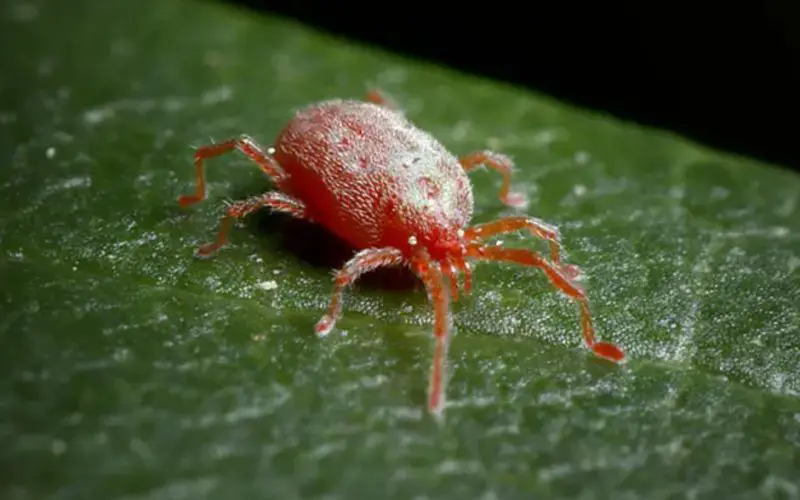
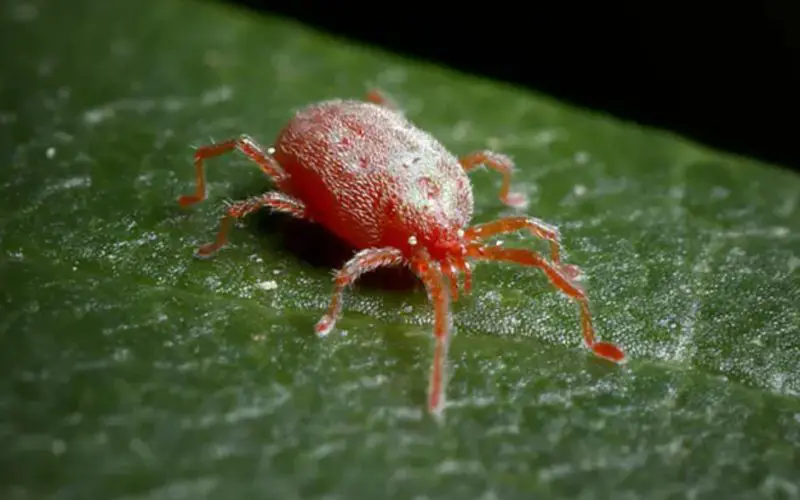
Chiggers are not insects at all. They are the larval stage of mites belonging to the genus Trombicula. Adult mites live quietly in soil and vegetation where they feed on tiny insects, eggs, and decomposing organic material. The stage that causes irritation for humans is the larva, which temporarily attaches to animals or people while feeding.
Văn bản đã dán (1)
Chigger larvae are extremely small, often measuring less than half a millimeter across. Because of this tiny size, they are nearly invisible to the naked eye. Their bodies usually appear reddish or orange under magnification, but on human skin they often look like tiny specks of dust. Many people never see them at all.
Instead, the first sign of their presence is the itching that develops later.
Despite their microscopic size, chigger larvae are highly specialized parasites during this stage of their life cycle. They wait on blades of grass or low vegetation until a potential host brushes past. When contact occurs, they quickly transfer onto the skin or clothing.
After attaching to the skin, they feed briefly before dropping back to the ground where they continue their development into later life stages.
Why Florida’s Climate Supports Chiggers
Florida’s warm climate provides nearly perfect conditions for chiggers to survive throughout much of the year. Unlike colder regions where freezing winters kill large numbers of mites, Florida rarely experiences long periods of temperatures low enough to interrupt their life cycle.
Warm temperatures allow mite populations to remain active across multiple seasons. In many parts of Florida, chiggers may be present from early spring through late fall, and sometimes even during mild winter periods.
Humidity also plays a crucial role in their survival.
Chiggers depend on moist environments because their bodies lose water easily. Damp soil and dense vegetation help prevent dehydration and provide stable environments for mites to reproduce.
Florida landscapes naturally provide these conditions.
Lawns, overgrown fields, forest edges, marshes, and gardens all contain thick vegetation where moisture stays trapped near the ground. These environments allow mites to thrive even in suburban neighborhoods.
Because these habitats are common across the state, chiggers often live surprisingly close to homes.
Where Chiggers Live in Florida Landscapes
Chiggers prefer shaded areas where sunlight does not dry out the soil. Dense vegetation provides protection while maintaining humidity close to the ground.
Tall grass and thick weeds often support large numbers of mites.
Leaf litter, plant debris, and soil rich in organic material also create ideal habitats where mites can hide during the hottest parts of the day.
Areas where lawns meet wooded edges are especially attractive to chiggers.
In these transition zones, animals frequently travel between forest and open ground. Because chigger larvae rely on passing hosts for feeding, these areas provide excellent opportunities to encounter animals or people.
Common places where chiggers may live include:
• Overgrown lawns
• Garden beds with dense plants
• Forest edges and wooded trails
• Parks and hiking areas
• Lakeshores and marshlands
When someone walks through these environments, chigger larvae may climb onto clothing or exposed skin without being noticed.
How Chiggers Actually Feed
One of the most persistent myths about chiggers is that they burrow beneath the skin.
This belief is extremely common but completely incorrect.
Chiggers do not burrow into the body.
Instead, they attach themselves to the surface of the skin using specialized mouthparts designed for feeding.
Once attached, the larva injects digestive enzymes into the outer layer of skin. These enzymes break down nearby skin cells into a liquid that the mite can consume.
During this process, a tiny hardened tube called a stylostome forms in the skin.
The stylostome acts as a feeding channel that allows the larva to draw nutrients from the surrounding tissue.
The feeding process may continue for several hours before the larva detaches.
By the time the mite drops away, the body’s immune system has already begun reacting to the enzymes introduced during feeding.
Why Chigger Bites Itch So Intensely
The intense itching associated with chigger bites does not come from the bite itself.
Instead, it results from the body’s immune response to the digestive enzymes introduced by the mite.
When these enzymes enter the skin, the immune system recognizes them as foreign substances. The body releases histamines in response, triggering inflammation in the affected area.
This reaction produces the familiar symptoms people associate with chigger bites.
Small red bumps appear where the mites fed.
Swelling and itching may develop several hours later as the immune system continues responding to the irritation.
Because the itching occurs long after the mite has already left the skin, many people mistakenly believe the insect is still present.
In reality, the itching simply reflects the body’s healing process as damaged skin cells recover.
Why Bites Often Appear in Certain Places
Chigger bites usually appear in specific areas of the body rather than randomly across exposed skin.
These locations typically correspond to places where clothing presses against the skin or where skin folds create protected spaces.
Common bite locations include:
• Ankles and lower legs
• Waistbands and beltlines
• Behind the knees
• Armpits
• Areas where socks or tight clothing press against the skin
Chiggers prefer these areas because the skin tends to be thinner and easier to penetrate.
Tight clothing also traps the mites against the skin long enough for them to begin feeding.
For this reason, bites often appear in clusters rather than as isolated spots.
Why People Rarely Notice Chiggers
Another reason chiggers remain misunderstood is that people rarely notice them while they are present.
Unlike mosquitoes, chiggers do not buzz while flying.
They also do not cause immediate pain when they attach to the skin.
Many people spend time outdoors without feeling anything unusual.
Hours later, itching begins.
By that time, the mites have already detached and returned to the environment.
Because the insects themselves are rarely seen, many people assume that mosquitoes, fleas, or other insects caused the irritation.
This misunderstanding has contributed to many myths about chigger behavior over time.
The Chigger Life Cycle
Chiggers pass through several stages as they develop.
The life cycle begins when adult mites lay eggs in soil or leaf litter.
These eggs hatch into six-legged larvae that climb vegetation while waiting for passing hosts.
This larval stage is the only phase that feeds on animals or humans.
Once a larva attaches to a host and feeds for a short period, it drops back to the ground.
The larva then transforms into a nymph.
Nymphs and adult mites live freely in soil where they feed on small insects, eggs, and organic debris.
Because only the larval stage feeds on animals, most of the chigger’s life takes place hidden within the environment.
Wildlife and Chigger Populations
Wildlife plays an important role in maintaining chigger populations.
Small mammals such as mice, squirrels, and rabbits often serve as primary hosts for larval mites.
Birds, reptiles, and amphibians may also carry chiggers when moving through vegetation.
Because Florida supports diverse wildlife populations, these animals help distribute mites across forests, wetlands, and suburban landscapes.
When animals travel through tall grass or leaf litter, larvae attach to them just as they would to humans.
As the animals move, they transport mites into new areas.
This movement helps maintain stable chigger populations throughout natural environments.
Why Some People React More Strongly
People react differently to chigger bites.
Some individuals develop only mild irritation that fades quickly.
Others experience intense itching and larger welts that last for several days.
This variation occurs because immune responses differ from person to person.
Some people’s immune systems react strongly to the enzymes introduced during feeding.
Repeated exposure may also increase sensitivity.
Individuals who spend frequent time outdoors may notice stronger reactions after multiple encounters with chiggers.
Natural Predators of Chiggers
Although chiggers are tiny, they exist within complex ecosystems where many organisms interact.
Various insects, spiders, and other mites feed on chiggers in soil environments.
Certain beetles and ants may consume mite eggs or larvae when they encounter them.
These predators help limit chigger populations naturally.
However, because mites reproduce quickly and live in dense vegetation, they often remain abundant in suitable habitats.
This balance between predators and prey helps maintain stable ecosystems where chiggers continue to play a role.
Why Chigger Activity Peaks in Warm Months
Chiggers are most active during warm weather when environmental conditions support rapid development.
In Florida, activity often begins in spring and continues through summer and early fall.
Warm temperatures accelerate mite growth and allow multiple generations to develop within a single season.
Vegetation growth during these months also provides the shaded habitats mites prefer.
Because people spend more time outdoors during warm weather, encounters with chiggers increase.
Activities such as gardening, hiking, fishing, or yard work often bring people into direct contact with habitats where larvae are waiting on vegetation.
FAQs About Chigger Bites in Florida
What are chiggers?
Chiggers are the larval stage of mites that temporarily attach to animals or humans while feeding.
Do chiggers burrow into the skin?
No. Chiggers attach to the skin surface and feed by injecting digestive enzymes.
Why do chigger bites itch so much?
The itching comes from the body’s immune reaction to enzymes released during feeding.
Where are chiggers commonly found in Florida?
They live in tall grass, wooded areas, gardens, and other moist environments.
How long do chigger bites last?
Itching usually lasts several days while the skin heals.
Final Thoughts
What most Florida residents don’t realize about chigger bites is that the tiny mites responsible are rarely visible and often misunderstood.
These microscopic arachnids thrive in warm, humid environments where vegetation provides shelter and wildlife hosts support their life cycle.
Although their bites can cause intense itching, the irritation results from the body’s natural immune response rather than the bite itself.
Understanding how chiggers live and feed helps explain why they appear in certain outdoor environments and why their bites often surprise people hours after leaving the area.
Like many small creatures living in Florida’s ecosystems, chiggers play a quiet role in the complex web of life that exists beneath grass, leaves, and soil.