

Arizona is known for stunning deserts, blazing heat, breathtaking landscapes, and dramatic wildlife. But among rattlesnakes, scorpions, and coyotes, there is another creature that often makes headlines and sparks fear in residents and visitors — Africanized honey bees, more commonly called “killer bees.” Their reputation sounds terrifying. Stories talk about swarms chasing people, overwhelming attacks, and deadly encounters. The name alone creates panic before people even understand what these bees really are.
So the big question in Arizona is simple. Are Africanized bees truly the nightmare many imagine, or is fear exaggerating the danger? The truth sits somewhere between panic and denial. These bees are real. Their behavior can be aggressive. They are part of life in Arizona. But like many misunderstood animals, knowledge replaces fear with respect, caution, and smart behavior.
This detailed guide explains what Africanized bees actually are, how they got to Arizona, why they can be dangerous, how their behavior differs from regular honey bees, what to do during a bee encounter, how to stay safe outdoors, and what Arizona residents should realistically know.
Table of Contents
- 1 What Exactly Are Africanized “Killer” Bees?
- 2 Are Africanized Bees Common in Arizona?
- 3 Why Are They Called “Killer Bees”?
- 4 How Africanized Bees Behave Differently
- 5 Where Arizona Residents Most Often Encounter Africanized Bees
- 6 Are Africanized Bees Really That Dangerous?
- 7 What Africanized Bee Stings Feel Like
- 8 Are Africanized Bee Stings Deadlier Than Normal Bee Stings?
- 9 What To Do If Africanized Bees Attack
- 10 What To Do If You Find a Possible Hive
- 11 Are Africanized Bees All Bad?
- 12 Pets and Africanized Bees in Arizona
- 13 Why Africanized Bees Thrive in Arizona
- 14 How To Reduce Africanized Bee Risk Around Your Home
- 15 Are Africanized Bees More Aggressive Than Wasps?
- 16 Why Fear Alone Is Not Helpful
- 17 FAQs About Africanized Bees in Arizona
- 18 Final Thoughts
What Exactly Are Africanized “Killer” Bees?
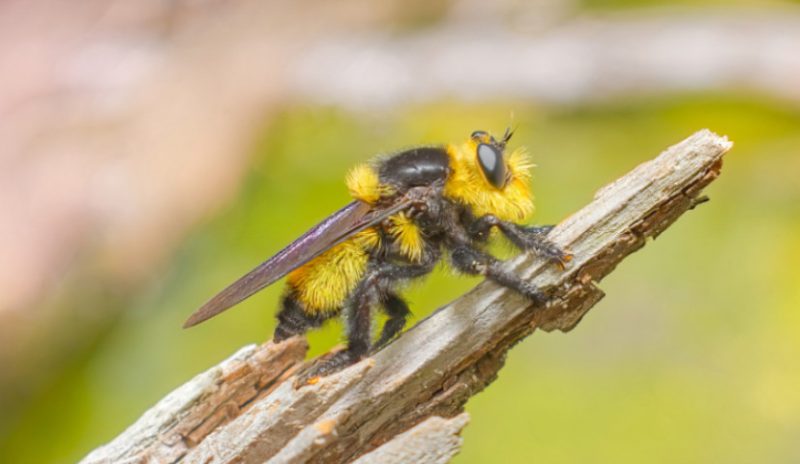
Africanized bees are not robotic killers. They are a hybrid honey bee created when African honey bees interbred with European honey bees in the Americas. African bees were originally brought to Brazil decades ago for research because they were strong honey producers in hot climates. Some escaped, bred with local bees, and began spreading north. Over time, they made their way into Mexico and eventually into the southwestern United States, including Arizona.
They look almost identical to regular honey bees. You cannot reliably identify them by sight. Their danger is not in appearance. It lies in behavior. Africanized bees react faster, defend their hive more aggressively, and may chase perceived threats much farther than European honey bees.
Still, they are honey bees. They pollinate. They live in colonies. They produce honey. They do not wake up plotting attacks. They simply defend their home with more intensity than most people expect.
Are Africanized Bees Common in Arizona?
Yes, Arizona is one of the states where Africanized bees are firmly established. Hot desert temperatures, plentiful nesting spaces, and a growing human population create plenty of interaction opportunities. They thrive here because Arizona’s climate matches the warm environments they naturally prefer.
They live in:
• urban neighborhoods
• desert regions
• suburban developments
• rural farming areas
• mountain foothills
Anywhere European honey bees previously lived, Africanized bees can adapt. Arizona residents often encounter them near homes, on hikes, in parks, around water sources, and even in unexpected places like irrigation boxes or sheds. Their presence is not unusual anymore. They are part of Arizona’s natural reality.
Why Are They Called “Killer Bees”?
The name comes from dramatic reports of fatal attacks in South America and occasional attacks in the United States. Africanized bees are not venom-stronger than regular honey bees. Their sting delivers similar venom. The difference is the number of stings. Africanized bees defend in large groups. Many more bees may join an attack. They swarm quickly and chase farther than European honey bees normally would.
A single sting is rarely deadly to a healthy adult. Dozens or hundreds of stings can create real danger. Small children, elderly individuals, allergic people, and pets face even higher risk. That is why they earned such an intimidating reputation.
Fearful headlines make the danger sound supernatural, but the truth is much simpler: they are extremely protective bees that react aggressively when they feel their colony is threatened.
How Africanized Bees Behave Differently
Africanized bees behave differently in specific ways that matter in Arizona life. They:
• react faster when disturbed
• send out more guard bees to defend
• chase perceived threats farther
• rebuild colonies quickly
• choose unpredictable nesting places
They do not politely warn before attacking. They do not remain calm in the face of disturbance. Vibration, noise, movement, yard work, loud equipment, or accidental contact near their hive can trigger immediate response.
The most important fact: they defend territory emotionally. Their survival instinct is strong, and anything near their home becomes a potential threat.
Where Arizona Residents Most Often Encounter Africanized Bees
Encounters do not just happen deep in remote deserts. Many happen in ordinary daily environments. Africanized bees nest in places regular honey bees may avoid. Arizona residents commonly find them in:
• tree hollows
• cacti
• wall voids
• garage spaces
• irrigation boxes
• mailboxes
• sheds
• attics
• abandoned vehicles
• cracks in buildings
They also gather around water sources because the desert climate makes water precious. Swimming pools, fountains, livestock troughs, pet water bowls, and birdbaths may attract bee activity. Curious people and pets sometimes get too close. That is when trouble starts.
Are Africanized Bees Really That Dangerous?
The danger is situational. Africanized bees are not dangerous while peacefully pollinating flowers. They are dangerous when their hive is disturbed. They react intensely. They mobilize large numbers. They do not give up quickly.
For most Arizona residents, risk increases in situations like:
• cutting down trees or trimming bushes containing hidden nests
• accidentally hitting a hive while doing yard work
• blocking access to their colony
• approaching nesting sites too closely
• disturbing hives in abandoned structures
In these situations, things can escalate fast. Bees may swarm onto skin, hair, and clothing, stinging repeatedly. Panic makes everything worse. Running blindly, swatting, or screaming draws more defensive behavior.
Africanized bees are serious. Respect makes survival simple.
What Africanized Bee Stings Feel Like
A normal honey bee sting is painful enough. Africanized bee stings feel similar, but stress, adrenaline, and multiple stings make the experience overwhelming. Each sting burns sharply at first, followed by swelling, redness, throbbing pain, and itching.
With multiple stings, reactions may include:
• intense burning
• severe swelling
• dizziness
• nausea
• difficulty breathing
• rapid pulse
Anyone allergic to bees can experience life-threatening anaphylaxis. Even people with no known allergy can become overwhelmed by too many stings. Medical attention becomes critical in these cases.
Are Africanized Bee Stings Deadlier Than Normal Bee Stings?
The venom is comparable in strength. The danger comes from quantity. Africanized bees sting in greater numbers. That is what creates “killer” level risk. Statistically, attacks can occasionally result in death, especially among vulnerable groups. That is why Arizona authorities encourage respect and caution rather than panic.
Bees are not hunting humans. They are defending their hive. That distinction changes fear into understanding.
What To Do If Africanized Bees Attack
This is the most critical information Arizona residents need. Once bees begin attacking, thinking calmly becomes difficult. Pain and panic shock the brain. But survival depends on action, not fear.
Run — Do Not Freeze
Run immediately. Do not wave arms or fight bees in place. Movement takes you away from the hive and reduces intensity as distance increases. Bees focus on threat location. Leaving matters.
Cover Your Face
Protecting eyes, mouth, and nose is essential. Bees target the face because it has movement, breath, and scent. Pull a shirt over your head if possible. Do not try to hide by standing still. Keep moving.
Seek Shelter Indoors
Enter a building, vehicle, or enclosed space. Bees do not easily follow indoors. Once inside, close doors and windows. Do not jump into water. Bees may wait above the surface and attack when you come up for air.
Remove Stingers Quickly
Scrape stingers away with a fingernail or card. Do not squeeze or pinch them. That injects more venom. Removing stingers quickly reduces reaction severity.
Seek Medical Care for Multiple Stings
Anyone with dozens of stings, severe swelling, allergic reactions, difficulty breathing, or dizziness should seek medical help immediately. Children and elderly individuals need evaluation more urgently.
Simple steps can save lives. Panic does not. Movement and shelter do.
What To Do If You Find a Possible Hive
Do not investigate closely. Do not poke it. Do not spray randomly. Do not knock it down. Africanized bees defend hard. Curious mistakes cause attacks that could have been avoided.
Contact trained bee removal professionals or local experts. They have equipment, experience, and safety training. Many professionals relocate bees whenever possible, preserving valuable pollinators without exposing residents to danger.
Arizona life respects wildlife, but respects safety first.
Are Africanized Bees All Bad?
They sound terrifying, but they are still bees. They pollinate plants. They support agriculture. They help natural ecosystems. Arizona depends on pollinators more than most states because desert environments already challenge plant survival.
Africanized bees simply evolved to defend more aggressively. Their nature is not evil. It is survival-focused. They deserve caution, not hatred.
At the same time, their presence in neighborhoods creates risk. That risk must be managed wisely. Arizona residents can respect bees while still protecting families. That balanced viewpoint matters more than blind fear.
Pets and Africanized Bees in Arizona
Dogs are especially vulnerable. Curious noses, barking near hives, and protective instincts may trigger a swarm. Dogs cannot remove stingers easily. Multiple stings can cause swelling, breathing issues, collapse, or shock. Cats also face risk, though they tend to be more cautious.
Pet owners should:
• keep pets away from suspicious buzzing areas
• supervise yard time
• check outdoor spaces regularly
• seek veterinary care if pets receive multiple stings or show distress
Pets rely on humans to protect them. Awareness prevents tragedy.
Why Africanized Bees Thrive in Arizona
Arizona offers everything Africanized bees need: warmth, sunlight, desert openness, suburban development, and abundant nesting spaces. Human expansion creates artificial shelters bees find appealing. Landscape plants supply nectar. Irrigation supplies water. Arizona simply feels like home to them.
They adapt quickly. They reproduce efficiently. And they spread naturally. This makes them permanent residents now, not temporary visitors.
How To Reduce Africanized Bee Risk Around Your Home
Completely removing bees from Arizona is impossible and harmful to nature. Reducing risk around personal spaces, however, is achievable. Here are practical numbered steps that truly help:
-
Inspect your property regularly for hive activity, especially in sheds, attics, walls, and dense landscaping.
-
Seal openings in walls, roofs, and structures to deny bees nesting access.
-
Keep yards maintained to reduce hidden nesting locations.
-
Be cautious during landscaping, trimming, and tree work.
These small steps prevent big problems. Prevention is far safer than encountering a hive unexpectedly.
Are Africanized Bees More Aggressive Than Wasps?
They respond differently. Wasps may attack when provoked but often individually. Africanized bees attack in groups. Their strength is in numbers and persistence. Their swarm behavior makes them uniquely dangerous in certain situations. Comparisons do not change reality. Their threat is unique. Respecting their abilities matters most.
Why Fear Alone Is Not Helpful
Fear can make people react recklessly. Panic may cause individuals to swat bees, investigate hives without training, or behave defensively around harmless pollinators. Education creates calm awareness. Awareness creates safer decisions. Africanized bees should inspire caution, not terror.
They are part of Arizona now. Living safely means learning, adapting, and respecting nature’s power.
FAQs About Africanized Bees in Arizona
Are Africanized bees common in Arizona?
Yes, they are widespread and firmly established across many Arizona regions.
Can Africanized bees kill people?
Deaths are rare but possible, especially after many stings, allergic reactions, or delayed medical care.
Are they more venomous than regular bees?
No. Their venom is similar. The danger comes from the number of stings.
How far will they chase someone?
They may pursue much farther than European honey bees, sometimes several hundred feet.
Where do they usually nest?
Trees, buildings, sheds, irrigation boxes, wall voids, cacti, and hidden structural spaces.
Should I remove a hive myself?
No. Professional removal is the safest option.
Can I still enjoy outdoor life in Arizona?
Absolutely. Awareness, caution, and smart behavior allow safe outdoor living.
Final Thoughts
Africanized “killer” bees in Arizona are real. Their behavior is serious. Their defensive instinct can become dangerous in seconds. But they are not mythical monsters. They are living creatures, driven by survival, existing in the same world we share.
The real threat is not the bees themselves. The real threat is ignorance. When people underestimate bees, accidents happen. When people panic instead of acting smartly, danger increases. But when people learn, respect, prepare, and stay aware, risk becomes manageable.
Arizona families, hikers, workers, pet owners, and outdoor lovers can live safely with Africanized bees by understanding them. Respect their power. Avoid their hives. Seek help when needed. Move fast in danger. And never forget that the desert teaches one lesson repeatedly: nature deserves respect, and those who respect it live safely alongside it.