
New Hampshire is famous for mountains, forests, rivers, lakes, and fresh outdoor air. Hiking, fishing, camping, kayaking, and spending time outside are natural parts of life here. But anyone who truly knows this state also knows one tiny seasonal creature that can turn a peaceful outdoor day into something painful, irritating, and unforgettable — black flies.
They are incredibly small. They appear in huge swarms. They buzz around your face and ears. And when they bite, the pain shocks many people the first time they experience it. Some New Hampshire residents joke that black fly season is simply part of living here. Others dread it every year because the bites can swell, itch intensely, and linger for days.
Black flies are not just annoying. They can interrupt outdoor work. They can ruin family picnics and hiking trips. They can make camping miserable. And in some cases, their bites cause more serious reactions that require medical attention.
This long, detailed guide explains everything New Hampshire residents and visitors should know. What black flies are. Why their bites hurt so much. When they are most active. Why they swarm in such huge numbers. Where they thrive. What their bites look like. Who is most at risk. How to treat bites. And how to stay safe while still enjoying New Hampshire’s incredible outdoors.
Table of Contents
- 1 What Exactly Are Black Flies?
- 2 What Do Black Flies Look Like Up Close?
- 3 Why Are Black Flies Such a Big Problem in New Hampshire?
- 4 When Are Black Flies Most Active in New Hampshire?
- 5 Where Do Black Flies Live and Breed?
- 6 Why Do Black Flies Bite Humans?
- 7 Why Do Black Fly Bites Hurt So Much?
- 8 What Do Black Fly Bites Look Like?
- 9 Are Black Flies Dangerous in New Hampshire?
- 10 Why Children and Older Adults May Suffer More
- 11 Why Black Flies Swarm So Aggressively
- 12 Do Black Flies Spread Disease in New Hampshire?
- 13 Why Black Flies Target the Head and Face
- 14 Why Many People Never Expect the Pain Until It Happens
- 15 What To Do If Bitten by Black Flies
- 16 How To Reduce Black Fly Problems
- 17 Do Repellents Really Work?
- 18 How Homeowners Can Make Yards More Comfortable
- 19 Are Black Flies Beneficial in Nature?
- 20 Why Fear Alone Makes Things Worse
- 21 The Reality New Hampshire Residents Should Accept
- 22 FAQs About Black Flies in New Hampshire
- 23 Final Thoughts
What Exactly Are Black Flies?
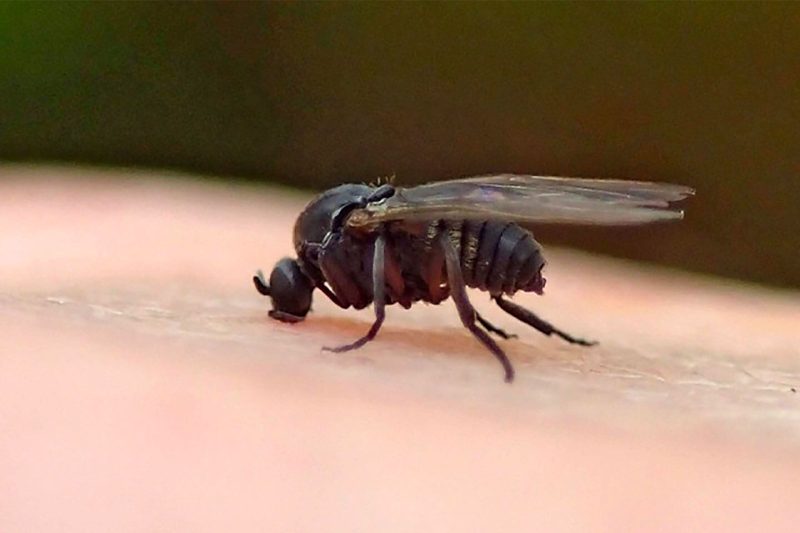
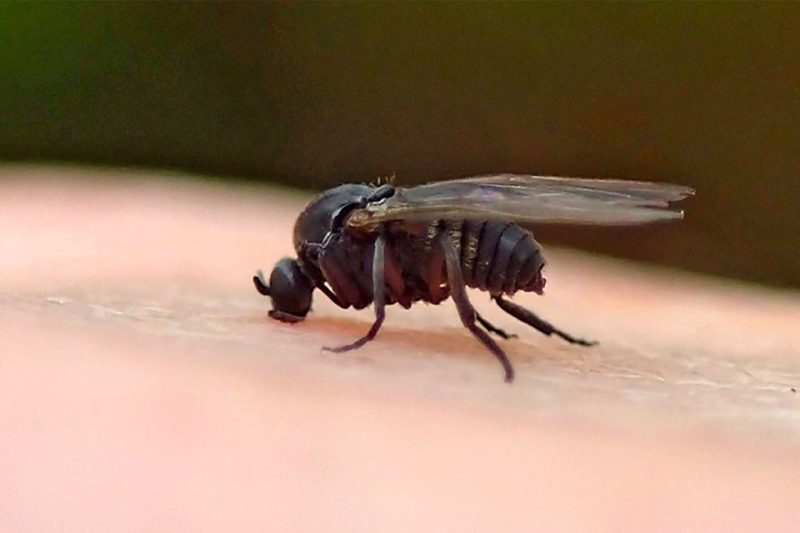
Black flies are small, biting flies belonging to the Simuliidae family. Unlike mosquitoes, they are compact and stout-bodied with a humpback-shaped thorax. They are often:
• very small
• dark gray or black
• fast-flying
• active during the day
They measure only a few millimeters long, yet their impact feels enormous. Their nickname “buffalo gnat” comes from their humped back that resembles a small buffalo shape.
Black flies belong to the group of insects known as “blood-feeding flies.” And unfortunately, humans become frequent targets, especially during peak New Hampshire black fly season.
What Do Black Flies Look Like Up Close?
Most people never truly see a black fly clearly. They move fast. They bite suddenly. They come in groups. But if viewed closely, they usually have:
• shiny dark body
• thick short legs
• short antennae
• noticeable humpback
• wide wings
• strong biting mouthparts
They may look tiny and harmless at first glance. Once they bite, nobody forgets them again.
Why Are Black Flies Such a Big Problem in New Hampshire?
Black flies thrive in New Hampshire because the state provides perfect living conditions. They love:
• clean running water
• forested regions
• cool, moist climates
• natural wilderness
New Hampshire has all of these in abundance. Rivers, streams, brooks, wetlands, and wooded valleys give black flies exactly what they need to breed and survive.
They are especially common in northern and central parts of the state but occur almost everywhere with moving water nearby. New Hampshire’s long tradition of outdoor life means constant human exposure. People fish, hike, and work outdoors in environments where black flies thrive. That increases contact and increases bites.
When Are Black Flies Most Active in New Hampshire?
Black flies follow seasonal cycles. They are strongly associated with late spring through early summer, especially during:
• May
• June
• early July in some years
They thrive when temperatures warm and snowmelt increases stream flow. That flowing water provides their breeding grounds.
Black flies are mostly daytime insects. They prefer:
• mornings
• late afternoons
• cloudy days
• humid weather
They tend to be less active in strong wind, heavy rain, or extreme heat. But during their peak season, even small outdoor tasks can turn into a battle against biting swarms.
Where Do Black Flies Live and Breed?
Unlike mosquitoes that breed in standing water, black flies breed in running water. They lay eggs in:
• rivers
• streams
• brooks
• fast-moving creeks
• water flowing over rocks
• edges of waterfalls
Larvae attach to rocks and vegetation underwater and grow as water flows around them. This explains why black flies are heavily associated with forested river valleys and mountain streams — places New Hampshire has in abundance.
Adults then emerge and begin feeding, creating the biting cloud effect many people experience.
Why Do Black Flies Bite Humans?
Like many biting insects, female black flies require blood to produce eggs. Males mostly feed on nectar. Females feed on blood. They bite animals such as:
• deer
• moose
• livestock
• birds
• humans
Their mouthparts cut into the skin rather than piercing like a mosquito. When they bite, they slice the skin and feed on pooled blood. Their saliva contains compounds that prevent clotting and both numb and irritate the skin. That is what causes pain, swelling, and itching.
Black flies often target:
• neck
• ears
• face
• scalp
• ankles
• arms
They prefer exposed skin and areas with thin protection. They are persistent, which is why swarms around your head feel relentless.
Why Do Black Fly Bites Hurt So Much?
Black fly bites shock many people because they hurt far more than mosquito bites. The pain comes from several factors:
• slicing mouthparts instead of piercing proboscis
• strong allergic reaction to their saliva
• pooling blood in the bite area
• swelling caused by immune response
Common reactions include:
• burning pain
• intense itching
• swelling
• welts or raised bumps
• redness
• lingering irritation
Some bites bleed briefly. Others turn into raised, hot swollen bumps. For sensitive individuals, swelling can become dramatic, especially around the face or eyes.
What Do Black Fly Bites Look Like?
Black fly bites typically appear as:
• small red bumps
• swollen welts
• clusters of bites in one area
• bleeding spots
• rash-like patches in severe reactions
On some people, bites resemble small bruises with red centers. On others, they swell into thick welts that can last days. Children often react more strongly than adults.
Are Black Flies Dangerous in New Hampshire?
Pain alone makes them feel dangerous. But beyond pain, they can cause real medical concerns such as:
• infection from scratching
• allergic reactions
• swelling that interferes with vision
• breathing issues in rare extreme reactions
• fever-like responses sometimes called “black fly fever”
Black fly fever is not an official disease like Lyme disease. It describes strong immune responses some people experience including:
• headache
• feverish feeling
• nausea
• swollen lymph nodes
• fatigue
For most people, reactions are painful and irritating but not life-threatening. However, anyone with severe swelling, breathing difficulty, or signs of infection should seek medical help immediately.
Why Children and Older Adults May Suffer More
Sensitive skin, weaker immune systems, and greater susceptibility to allergic reactions put certain groups at higher risk, including:
• children playing outdoors
• elderly individuals
• people with allergic conditions
• those with compromised immune systems
Children especially often scratch bites aggressively, increasing infection risk. Protecting kids during black fly season is incredibly important.
Why Black Flies Swarm So Aggressively
Black flies rarely appear alone. They often emerge in massive numbers because:
• breeding happens in huge synchronized cycles
• adult life stages overlap
• environmental conditions align perfectly
Many New Hampshire residents recognize black fly season the same way they recognize mud season. It is a natural yearly event. Unfortunately, it also feels nearly unavoidable without preparation.
Do Black Flies Spread Disease in New Hampshire?
In some parts of the world, black flies transmit serious diseases. In New Hampshire, they are more known for pain, swelling, and allergic responses than widespread disease transmission. Still, their impact on comfort, outdoor safety, and mental stress is very real.
Pain alone can ruin an outdoor weekend or stop people from enjoying their land, gardens, or favorite trails.
Why Black Flies Target the Head and Face
People often complain that black flies go straight for the face. There are reasons for this.
Black flies:
• are attracted to carbon dioxide from breathing
• sense warmth and moisture
• target soft skin
• seek exposed areas with thin hair protection
Breath attracts them. Sweat attracts them. Movement attracts them. This is why they buzz constantly around the ears, nose, and mouth. It feels personal, but it is purely instinctive feeding behavior.
Why Many People Never Expect the Pain Until It Happens
First-time visitors to New Hampshire or new residents often do not understand black fly season until they experience it. They prepare for mosquitoes. They may prepare for ticks. But black flies catch them completely off guard.
Then the pain begins.
Then the swelling appears.
Then the realization hits — black flies are not a joke.
Longtime New Hampshire residents understand black fly reality very well. Many schedule outdoor activities around peak season or protect themselves carefully. Experience teaches respect.
What To Do If Bitten by Black Flies
Proper care reduces pain and speeds healing. If bitten:
Wash the bite area gently with soap and water.
Apply cold compress to reduce swelling.
Use anti-itch creams, calamine lotion, or hydrocortisone cream.
Avoid scratching no matter how badly it itches.
Monitor for infection or worsening swelling.
Seek medical attention if:
• swelling becomes extreme
• fever develops
• signs of infection appear
• breathing difficulty occurs
• eyes swell shut
Children should be watched carefully. Elderly individuals deserve close attention as well.
How To Reduce Black Fly Problems
You cannot eliminate black flies from New Hampshire. They are part of the ecosystem. But you can dramatically reduce suffering with good preparation. These numbered tips genuinely help:
-
Avoid outdoor activities during peak black fly hours in late spring when possible.
-
Wear long sleeves, hats, head nets, and light-colored clothing.
-
Use approved insect repellents on skin and clothing.
-
Move away from rivers, streams, and flowing water during heavy outbreaks.
-
Keep moving — black flies prefer attacking stationary people.
These strategies reduce bites and allow people to still enjoy time outside.
Do Repellents Really Work?
Some repellents help, but effectiveness varies depending on product, sweating, weather, and personal skin chemistry. Head nets provide some of the best protection because black flies target faces. Clothing barriers also work extremely well.
Repellent alone is not magic. Combined strategies work best.
How Homeowners Can Make Yards More Comfortable
While black flies breed in natural water systems you cannot control, yard management can still help reduce exposure. Useful steps include:
• creating screened outdoor sitting areas
• avoiding yard work during peak fly hours
• using fans to disrupt swarming flies
• choosing outdoor times carefully
Wind discourages black flies. Breezy areas remain more comfortable.
Are Black Flies Beneficial in Nature?
Surprisingly, yes. They play roles in:
• aquatic ecosystems as larvae
• food chains for birds and fish
• nutrient cycles in streams
New Hampshire’s ecosystems rely on natural relationships. Black flies are frustrating to humans, but they serve ecological purpose. That does not reduce the pain, but it explains why they exist in such numbers.
Why Fear Alone Makes Things Worse
Fear leads to panic. Panic leads to poor reaction. Black flies overwhelm people mentally as much as physically. Accepting that they exist and preparing correctly makes outdoor life far more manageable. Knowledge always beats panic.
The Reality New Hampshire Residents Should Accept
Black flies in New Hampshire are:
small but incredibly painful
common in spring and early summer
especially abundant near running water
capable of causing serious discomfort
manageable with preparation
New Hampshire remains beautiful and worth exploring. But outdoor life requires respect, knowledge, and seasonal awareness. Black fly season is simply part of living close to nature in this rugged, forested state.
FAQs About Black Flies in New Hampshire
When are black flies worst in New Hampshire?
They peak in late spring through early summer, especially in May and June.
Where are they most common?
Near rivers, streams, forests, and moist rural environments.
Why do black fly bites hurt so much?
Their mouthparts slice skin, and their saliva triggers strong allergic reactions.
Are black flies dangerous?
Mostly painful and irritating, but severe swelling, allergic reactions, and infection can occur.
Do they spread disease?
In New Hampshire, major disease transmission is not common, but reactions can still be serious.
Why do they swarm around faces?
They are attracted to breath, warmth, carbon dioxide, sweat, and exposed skin.
How can I avoid black fly bites?
Wear protective clothing, use repellent, avoid peak times, and stay away from running water during heavy activity.
Final Thoughts
Black flies in New Hampshire prove that sometimes the smallest insects cause the biggest frustration. Their bites hurt intensely. Their swarms overwhelm even experienced outdoors lovers. They can ruin camping trips, challenge hikers, and frustrate homeowners every spring.
Yet New Hampshire remains one of the most beautiful outdoor states in America. Black flies are simply part of that wilderness reality. With preparation, smart outdoor planning, protective clothing, repellents, and calm awareness, you can still enjoy everything this state offers.
People who understand black flies suffer less. People who prepare experience more comfort. And people who respect the season continue living their outdoor lives confidently, even during black fly season — enjoying mountains, forests, rivers, and lakes while staying smarter, safer, and far more comfortable in the face of these tiny but painfully powerful insects.