
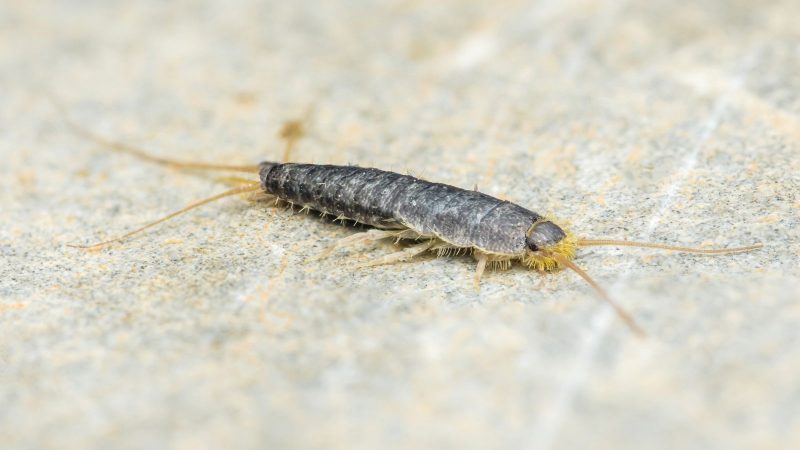
Silverfish sightings in Ohio homes usually catch homeowners off guard. Not during the day. Not while cleaning. But late at night, when a closet door is opened or a bedroom light is turned on, something small and fast darts along the baseboard or disappears into the shadows near hanging clothes.
The reaction is almost always confusion.
Closets feel dry. Quiet. Protected. They do not seem like places where insects should thrive. Many homeowners assume silverfish sightings near closets must be accidental or temporary. Some believe the insects wandered in from bathrooms or basements by chance.
What most Ohio homeowners don’t realize is that silverfish near closets are not random at all. Their presence follows clear biological rules tied to moisture, materials, temperature stability, and nighttime conditions inside homes. Closets quietly provide exactly what silverfish need to survive.
This article takes a deep, realistic look at why silverfish appear near closets in Ohio homes, where they come from, what attracts them, why sightings often happen at night, and what their presence actually signals. When the pattern becomes visible, the problem becomes far easier to manage.
Table of Contents
- 1 Silverfish Are Indoor Survivors, Not Occasional Visitors
- 2 Why Closets Attract Silverfish More Than People Expect
- 3 Ohio’s Climate Plays a Bigger Role Than Most Homeowners Realize
- 4 Why Silverfish Appear Near Closets at Night
- 5 Clothing Is Not the Main Food Source, But It Matters
- 6 Why Cardboard Storage Near Closets Is a Major Factor
- 7 Why Silverfish Prefer Closet Edges and Baseboards
- 8 Are Silverfish Dangerous to People or Pets?
- 9 Why Seeing One Silverfish Often Means More Are Nearby
- 10 Why Cleaning Closets Alone Doesn’t Solve the Problem
- 11 The Hidden Role of Humidity Control
- 12 Why Bathrooms and Closets Are Often Linked
- 13 Why Silverfish Persist Year-Round in Ohio Homes
- 14 When Silverfish Activity Signals a Bigger Issue
- 15 Practical Steps That Actually Reduce Silverfish Near Closets
- 16 Why Sprays Rarely Provide Long-Term Relief
- 17 Common Myths Ohio Homeowners Believe
- 18 Why Silverfish Sometimes Disappear on Their Own
- 19 Living With Ohio Homes and Seasonal Moisture
- 20 FAQs About Silverfish Near Closets in Ohio Homes
- 21 Conclusion
Silverfish Are Indoor Survivors, Not Occasional Visitors

Silverfish are not insects that wander indoors by accident and get lucky.
They are built for indoor survival.
Their flattened bodies allow them to slip into narrow cracks where walls meet floors, beneath baseboards, and behind stored items. Their movement is flexible and quiet, allowing them to remain hidden even in frequently used rooms. Unlike many insects, silverfish do not require constant access to water or fresh food to survive.
Silverfish evolved to thrive in dark, stable environments where temperature and humidity change slowly. Ohio homes, particularly older houses with basements, layered walls, and enclosed storage spaces, provide these conditions consistently.
When a silverfish appears near a closet, it usually means it has been living nearby for weeks or months. The sighting is not an arrival. It is a reveal.
Why Closets Attract Silverfish More Than People Expect
Closets feel dry and inactive to people, but to silverfish, they are ideal habitats.
Closet doors stay closed for long periods. Air circulation is limited. Temperature remains steady. Light exposure is minimal. All of these factors allow humidity to linger longer than in open rooms.
Closets also concentrate stored materials. Clothing, cardboard boxes, paper packaging, books, and fabric items all provide potential food sources. Even clean clothing sheds fibers and lint over time.
From a silverfish perspective, a closet is not empty storage. It is shelter, food, and stability combined in one quiet space.
Ohio’s Climate Plays a Bigger Role Than Most Homeowners Realize
Ohio experiences wide seasonal humidity swings.
Summer brings warm, moisture-laden air. Winter drives humidity indoors as heating systems operate. Basements, crawl spaces, and exterior walls retain moisture year-round, even when the rest of the home feels dry.
Closets located near exterior walls or above basements absorb these moisture changes slowly. They release humidity gradually, creating microclimates that remain suitable for silverfish long after other areas dry out.
This is why silverfish often appear in closets even when the rest of the house seems unaffected.
Why Silverfish Appear Near Closets at Night
Silverfish are strictly nocturnal.
They avoid light, movement, and vibration. During the day, they remain hidden behind baseboards, beneath flooring edges, or inside wall voids adjacent to storage areas.
At night, the house becomes still. Airflow decreases. Indoor humidity rises slightly. These subtle changes signal safe conditions for movement.
Opening a closet late at night interrupts activity already in progress. The sudden light and movement expose silverfish that were already foraging. This creates the illusion of sudden appearance.
They were present long before they were seen.
Clothing Is Not the Main Food Source, But It Matters
Silverfish do not consume fabric fibers themselves unless residues are present.
Natural fibers such as cotton and linen may retain starch-based finishes from manufacturing or laundering. These starches attract silverfish far more than the fabric itself.
More commonly, silverfish feed on materials stored alongside clothing, including:
-
Lint and dust buildup
-
Paper tags and labels
-
Cardboard boxes and inserts
-
Wallpaper paste
-
Glue in book bindings
-
Organic debris trapped between stored items
Closets often contain multiple food sources packed tightly together, making feeding efficient and low risk.
Why Cardboard Storage Near Closets Is a Major Factor
Cardboard is one of the most important contributors to silverfish activity.
It absorbs moisture easily, retains humidity, and contains adhesives and starches that silverfish can digest. It also provides physical shelter.
Shoeboxes, moving boxes, and seasonal storage bins made of cardboard create ideal habitats near closets. Silverfish can feed, hide, and reproduce without leaving the box.
Replacing cardboard with sealed plastic containers dramatically reduces silverfish interest in closet areas.
Why Silverfish Prefer Closet Edges and Baseboards
Silverfish avoid open spaces whenever possible.
They move along edges where surfaces meet. Baseboards, closet corners, door frames, and floor-wall seams provide protection and orientation.
Closets often contain multiple intersecting surfaces in a small area, creating natural travel routes that silverfish can follow without exposure.
This is why sightings usually occur along edges rather than across open floors.
Are Silverfish Dangerous to People or Pets?
Silverfish are not dangerous.
They do not bite, sting, or spread disease. They are not aggressive and avoid contact with people and pets.
The primary concern is property damage. Silverfish can damage paper items, books, stored documents, and cardboard. Clothing damage is possible when starch residues are present, but it is not their preferred target.
For most homeowners, silverfish are a nuisance rather than a health threat.
Why Seeing One Silverfish Often Means More Are Nearby
Silverfish are solitary but persistent.
They choose environments that support long-term survival. If one silverfish is visible, the conditions are suitable for others.
This does not automatically indicate a large infestation. It does indicate that the environment is favorable.
Early sightings are warning signs, not emergencies.
Why Cleaning Closets Alone Doesn’t Solve the Problem
Cleaning removes surface dust and visible debris.
It does not remove moisture trapped inside walls. It does not eliminate food sources hidden inside boxes. It does not change temperature stability.
Silverfish thrive in places cleaning does not reach.
Environmental control matters far more than surface cleaning.
The Hidden Role of Humidity Control
Humidity is the single most important factor.
Silverfish require moderate humidity to survive. Lowering humidity disrupts their ability to feed, move, and reproduce.
Dehumidifiers, improved air circulation, and sealing moisture entry points make closets less attractive quickly.
Closets that stay consistently dry lose silverfish activity over time.
Why Bathrooms and Closets Are Often Linked
Bathrooms and closets are frequently connected through shared walls.
Moisture from bathrooms travels through wall cavities and settles in adjacent closets. Even bathrooms with good ventilation can influence nearby storage spaces.
This connection explains why silverfish near closets often appear in bedrooms located next to bathrooms.
Why Silverfish Persist Year-Round in Ohio Homes
Silverfish do not hibernate.
They slow down during colder periods but remain active indoors year-round. Heated homes prevent winter die-off.
Ohio homes provide stable shelter across seasons, allowing silverfish populations to persist quietly without drawing attention.
When Silverfish Activity Signals a Bigger Issue
Persistent silverfish activity near closets may indicate deeper problems such as:
-
Hidden moisture intrusion
-
Poor ventilation
-
Basement humidity seepage
-
Insulation or vapor barrier issues
Addressing these issues improves both pest control and overall indoor air quality.
Practical Steps That Actually Reduce Silverfish Near Closets
Effective control focuses on environment, not extermination.
Reduce humidity. Improve air circulation. Replace cardboard storage. Seal baseboard gaps. Store clothing in breathable or sealed containers.
Consistency produces results. Chemicals rarely do.
Why Sprays Rarely Provide Long-Term Relief
Sprays kill visible insects only.
They do not address humidity or food sources. Silverfish retreat deeper into walls and return once conditions stabilize.
Environmental changes create lasting relief.
Common Myths Ohio Homeowners Believe
Silverfish only live in bathrooms.
Silverfish mean a dirty home.
Cold weather kills silverfish.
Seeing one is harmless.
None of these beliefs fully reflect reality.
Why Silverfish Sometimes Disappear on Their Own
When humidity drops or food sources decline, silverfish retreat.
Seasonal dryness, improved ventilation, or storage changes can make closets unsuitable.
This explains sudden disappearance without treatment.
Living With Ohio Homes and Seasonal Moisture
Silverfish are part of indoor ecosystems shaped by climate.
Ohio’s seasonal moisture patterns make closets particularly vulnerable.
Understanding this allows homeowners to respond calmly, strategically, and effectively.
FAQs About Silverfish Near Closets in Ohio Homes
Why are silverfish near my closet instead of the bathroom?
Closets provide stable humidity, shelter, and food sources.
Do silverfish damage clothes?
They prefer paper and starch residues, but damage is possible.
Are silverfish a health risk?
No. They are nuisance pests.
Will dehumidifiers help?
Yes. They are one of the most effective solutions.
Should I throw away clothes?
Usually no. Focus on storage and moisture control.
Do traps work?
They help monitor activity but don’t solve the root cause.
Will silverfish leave on their own?
They may if conditions change.
When should I call a professional?
If activity persists despite humidity control.
Conclusion
What Ohio homeowners often don’t realize about silverfish near closets is that these insects are responding to very specific indoor conditions. Quiet spaces. Stable temperatures. Lingering humidity. Hidden food sources.
Their appearance is not random and not a reflection of cleanliness. It is a signal.
When moisture is controlled, storage habits improve, and airflow increases, silverfish lose their advantage. And when that happens, closets return to what they should be—quiet storage spaces, not nighttime hiding grounds.