
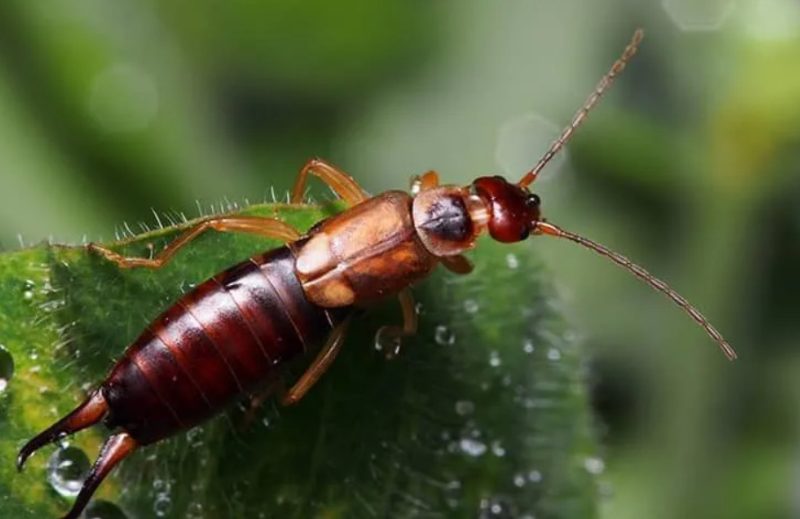
In Kentucky, earwig sightings almost always follow the same pattern.
A heavy rain moves through.
The ground stays wet for days.
Then suddenly, earwigs appear indoors.
They show up in bathrooms, basements, laundry rooms, and along baseboards. Sometimes it’s one or two. Sometimes it’s several in the same week. Homeowners often assume something is wrong inside the house.
In reality, the trigger usually starts outside.
In Kentucky, earwigs move indoors after rain because water changes where they can survive. When soil becomes saturated and shelter disappears, homes become the nearest dry refuge. The behavior feels sudden, but the process behind it is predictable.
Understanding that process explains why earwigs appear after storms, why they favor certain rooms, and why Kentucky homes see this pattern more often than many people expect.
Table of Contents
- 1 What Earwigs Really Are
- 2 Why Rain Changes Everything for Earwigs
- 3 Why Kentucky Sees This Pattern So Often
- 4 How Earwigs Get Inside Homes
- 5 Why Basements Are Often the First Place They Appear
- 6 Why Bathrooms and Laundry Rooms Attract Them
- 7 Why Earwigs Appear at Night After Rain
- 8 Why Clean Homes Still Get Earwigs
- 9 What Earwigs Are Feeding On Indoors
- 10 Why They Often Show Up in Clusters
- 11 Why Kentucky Homes Near Woods or Gardens See More Activity
- 12 Why Earwigs Do Not Stay Indoors Permanently
- 13 Why Sprays Provide Only Short-Term Relief
- 14 Why Blocking One Entry Point Rarely Works
- 15 Why Heavy Rain Can Trigger Repeat Sightings
- 16 Are Earwigs Dangerous?
- 17 Why Pets Notice Earwigs Before People Do
- 18 Why Kentucky Apartments See Persistent Issues
- 19 When Earwigs Signal a Bigger Problem
- 20 How Long Earwigs Can Survive Indoors
- 21 What Kentucky Homeowners Usually Miss
- 22 FAQs About Earwigs in Kentucky Homes
- 23 Final Thoughts
What Earwigs Really Are
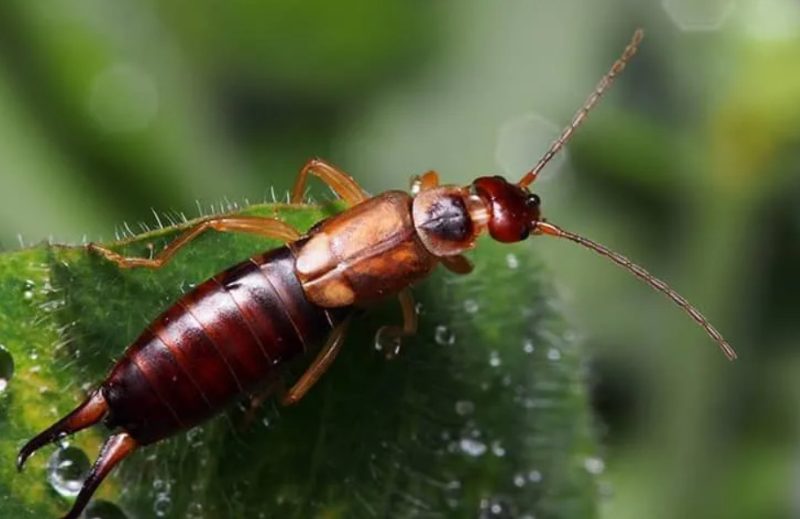
Earwigs are insects belonging to the order Dermaptera, and despite their reputation, they are far less threatening than they look. In Kentucky homes, the species most often encountered is the European earwig, though several native earwig species also live outdoors across the state.
Their appearance is what unsettles people. Earwigs have elongated, flattened bodies that allow them to squeeze into tight spaces. At the rear of the abdomen are curved pincers that resemble tiny forceps. Those pincers look dangerous, but they are primarily used for defense against other insects and for mating, not for attacking people.
Earwigs are not aggressive insects. They do not sting. Bites are uncommon and usually happen only if an earwig is trapped against skin. The long-running myth that earwigs crawl into human ears has no biological basis and does not reflect their behavior.
What matters most is how they live.
Earwigs are nocturnal. During daylight hours, they remain hidden in cool, dark, and damp locations. At night, they emerge to feed and relocate. Their bodies lose moisture easily, so survival depends on staying in environments that protect them from drying out.
That dependence on moisture and shelter is the key reason earwigs appear indoors after rain.
Why Rain Changes Everything for Earwigs
Rain does not draw earwigs toward homes. It removes the places they normally live.
Under normal conditions, earwigs remain outdoors. They hide in soil, leaf litter, mulch, under stones, beneath logs, and within dense ground cover. These spaces provide protection from predators and just enough moisture to keep them alive.
Heavy or prolonged rain disrupts those environments.
Soil becomes saturated and collapses inward.
Leaf litter compacts and holds water.
Air pockets underground disappear.
For earwigs, this is dangerous. They cannot survive long in flooded or waterlogged soil. When their shelter fails, they do not burrow deeper. They move sideways and upward, following the first dry cover they can find.
Homes sit directly in that path.
Foundations, porches, steps, and basement walls become barriers that earwigs move along until they locate an opening. What looks like an invasion is usually a forced relocation.
Why Kentucky Sees This Pattern So Often
Kentucky’s weather makes this cycle repeatable.
Rainfall is frequent, especially in spring and early summer. Storms often arrive back to back, keeping soil damp for extended periods rather than allowing it to dry fully. Even after rain stops, humidity remains high, slowing evaporation.
That means outdoor earwig habitat stays unsuitable longer.
Unlike northern states, Kentucky rarely experiences long dry freezes that shut insect activity down. Earwigs remain active for much of the year. When rain hits, they are already moving, already searching.
As soon as ground conditions fail, movement indoors happens fast.
How Earwigs Get Inside Homes
Earwigs do not fly into houses. They crawl.
They move along ground-level surfaces and follow edges where moisture collects. Foundations act like highways during rain events.
Common entry points include small gaps under doors, hairline cracks in foundations, utility line penetrations, window frames, and basement vents. These openings are often invisible to homeowners and do not look like “holes.”
Rain pushes earwigs directly toward these weak points.
Once inside, they follow darkness and humidity rather than open living spaces. Their goal is not the home itself. It is shelter.
Why Basements Are Often the First Place They Appear
Basements feel familiar to earwigs.
They are closest to soil level, which is where earwigs normally live. Basements are cooler than upper floors and tend to retain moisture longer, even in otherwise dry homes.
In Kentucky, concrete basement walls absorb moisture from the surrounding soil and release it slowly. Floor drains, sump pits, and utility lines add additional humidity.
For an earwig escaping saturated ground, a basement replicates outdoor shelter more closely than any other part of the house.
Why Bathrooms and Laundry Rooms Attract Them
Once inside, earwigs gravitate toward rooms that maintain damp conditions.
Bathrooms and laundry rooms provide steady moisture from sinks, tubs, showers, and washing machines. Pipes condense water. Airflow is often limited, especially overnight.
These rooms stay humid longer than people realize.
For earwigs, bathrooms and laundry rooms act like indoor versions of mulch beds or leaf litter. That is why sightings cluster around floor drains, under sinks, behind toilets, and near washing machines.
Why Earwigs Appear at Night After Rain
Earwigs are most active when conditions feel safe.
After rain, humidity rises indoors and outdoors. At night, lights are off, human movement stops, and air circulation slows. These changes signal safety.
Earwigs move during this window.
When lights suddenly turn on, earwigs sprint for cover. That brief moment makes it feel like they appeared instantly. In reality, they were already present and hidden.
Why Clean Homes Still Get Earwigs
Earwigs are not responding to mess or poor housekeeping.
They respond to moisture and shelter.
A spotless Kentucky home with a damp basement or bathroom can support earwigs more easily than a cluttered home with dry air. Cleaning removes visible debris but does not change humidity inside walls, under flooring, or beneath appliances.
This misunderstanding leads many homeowners to focus on cleaning rather than moisture control.
What Earwigs Are Feeding On Indoors
Earwigs are omnivores.
Outdoors, they eat decaying plant material, algae, fungi, and small insects. Indoors, they survive on similar organic matter.
Microscopic mold growth
Mildew films
Tiny insects
Organic debris in cracks
They are not feeding on stored food or trash. Their presence does not indicate a pantry issue. If earwigs survive indoors, it means small food sources already exist at a microscopic level.
Why They Often Show Up in Clusters
Earwigs follow the same moisture routes.
After rain, multiple earwigs may be displaced at once. They move along the same foundation edges and enter through the same gaps. This creates short-term clusters that feel alarming.
Once soil dries and conditions improve outdoors, activity usually decreases on its own.
Why Kentucky Homes Near Woods or Gardens See More Activity
Homes near wooded areas, gardens, mulch beds, or dense landscaping sit closer to earwig habitat.
These environments support larger outdoor populations. When rain disrupts those habitats, nearby homes absorb the pressure first.
Lawns with heavy mulch, irrigation systems, and shaded soil provide ideal conditions for earwigs to survive outdoors and migrate indoors during storms.
Why Earwigs Do Not Stay Indoors Permanently
Earwigs are accidental indoor pests.
They do not establish long-term indoor infestations the way ants or roaches do. They cannot reproduce efficiently indoors without constant moisture and outdoor food sources.
As conditions outside stabilize, earwigs leave or die off.
This is why many Kentucky homeowners notice activity fade weeks after heavy rain.
Why Sprays Provide Only Short-Term Relief
Sprays kill visible earwigs but do not change why they entered.
Moisture remains.
Entry points remain.
Outdoor pressure remains.
New earwigs replace those removed.
In Kentucky homes, addressing moisture and drainage is far more effective than chemical treatment.
Why Blocking One Entry Point Rarely Works
Earwigs do not rely on a single opening.
They explore along foundations and find multiple access points. Blocking one crack often redirects them to another.
Without addressing moisture, soil drainage, and perimeter gaps together, results remain inconsistent.
Why Heavy Rain Can Trigger Repeat Sightings
Rain often arrives in cycles.
Soil dries partially, then floods again. Earwigs move back and forth repeatedly. Each storm restarts the process.
This creates the illusion of a persistent infestation even though individual earwigs are temporary visitors.
Are Earwigs Dangerous?
Earwigs pose little physical risk.
They do not spread disease.
They are not venomous.
They rarely bite.
The discomfort they cause is psychological. However, their presence often signals moisture conditions that can support mold growth if ignored.
Why Pets Notice Earwigs Before People Do
Pets spend time where earwigs move.
Basements.
Bathrooms.
Laundry rooms.
Dogs and cats often notice movement or smells before humans do, acting as early indicators.
Why Kentucky Apartments See Persistent Issues
In apartments, moisture is shared.
Plumbing connects units.
Basements affect multiple floors.
Ventilation varies by unit.
One damp area can support earwigs that appear throughout a building, making residents feel targeted when the cause is structural.
When Earwigs Signal a Bigger Problem
Repeated earwig activity often points to underlying issues.
Poor drainage near foundations.
Excessive indoor humidity.
Hidden leaks.
Inadequate ventilation.
Ignoring earwigs often means ignoring moisture problems that affect the home long-term.
How Long Earwigs Can Survive Indoors
Earwigs can survive several weeks indoors if moisture remains high.
Once conditions dry, they leave or die.
They do not persist indefinitely without environmental support.
What Kentucky Homeowners Usually Miss
The focus stays on the insect, not the environment.
Wet soil near foundations.
Mulch piled against walls.
Drainage problems.
Basement humidity.
These factors matter far more than sprays or traps.
FAQs About Earwigs in Kentucky Homes
Why do earwigs show up after rain but not before?
Rain floods their outdoor shelter, forcing them to seek dry refuge indoors.
Are earwigs coming up through drains?
No. They enter through cracks and gaps, not plumbing.
Do earwigs mean my house is dirty?
No. They respond to moisture, not cleanliness.
Will earwigs damage my home?
They do not damage structures but indicate damp conditions.
How long will they stay?
Usually days to weeks, depending on moisture levels.
Are earwigs more common in summer?
Yes. Warm temperatures and frequent rain increase activity.
Should I spray for earwigs?
Sprays provide short-term relief but do not prevent repeat entry.
Do earwigs bite people?
Bites are rare and usually only occur if handled.
Final Thoughts
Earwigs appear in Kentucky homes after rain because the environment pushes them there. Saturated soil removes their shelter. Homes provide the next best option.
They are not invading.
They are relocating.
Once moisture levels stabilize, earwigs usually disappear. When they do not, it means moisture problems remain.
Understanding that difference changes how homeowners respond—and prevents the cycle from repeating.