
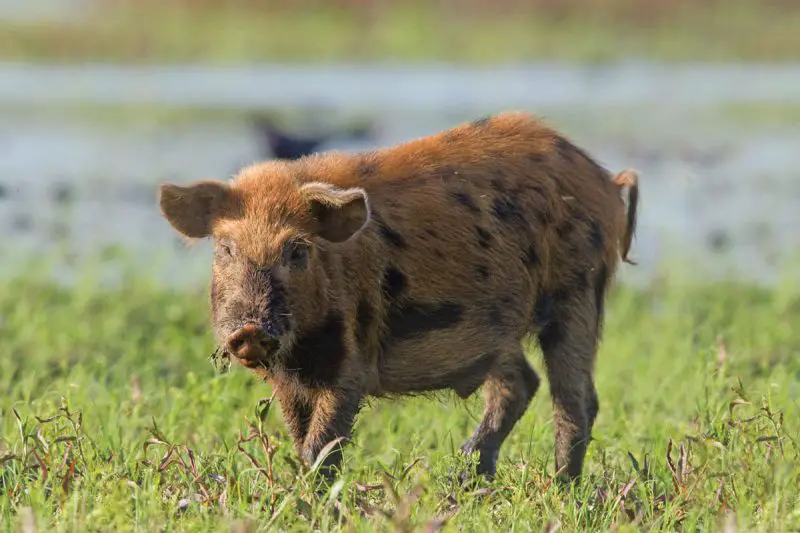
Feral pigs are not native to Utah, yet wildlife agencies, ranchers, and outdoor observers occasionally report sightings across parts of the state. These animals are highly adaptable and capable of surviving in diverse environments, from arid rangelands to agricultural valleys and foothill forests. Even small populations can have significant ecological and agricultural impacts, which is why understanding the types of feral pigs that may occur in Utah is important.
Unlike true native wildlife species, feral pigs in Utah generally descend from domestic livestock, introduced wild boar stock, or hybrids between the two. These ancestry differences influence their appearance, behavior, habitat preference, and ecological effects. Identification helps landowners, hunters, and conservation professionals respond appropriately.
This guide explains the three main types of feral pigs associated with Utah. You will learn how to recognize them, where they may occur, how they behave, and why accurate identification matters for wildlife management and environmental protection.
Table of Contents
- 1 Feral Hog (Wild Domestic Pig)
- 2 Eurasian Wild Boar
- 3 Wild Boar–Domestic Pig Hybrid
- 4 Why Identifying Feral Pig Types Matters
- 5 Ecological Concerns in Utah
- 6 Prevention and Management Strategies
- 7 Safety Considerations for Residents
- 8 Future Outlook for Feral Pigs in Utah
- 9 FAQs About Feral Pigs in Utah
- 10 Final Thoughts
Feral Hog (Wild Domestic Pig)
Identification Features
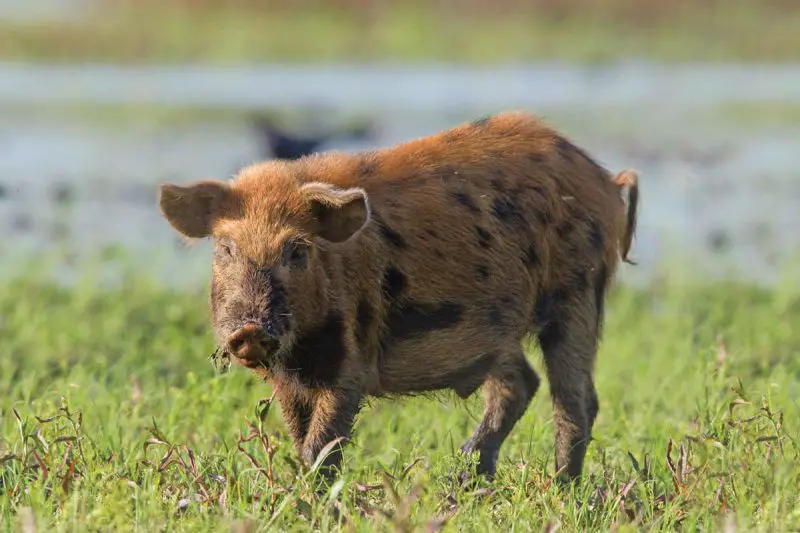
Feral hogs descended from domestic pigs show remarkable variation in appearance, which often makes identification less straightforward than with true wild boar. Coat color can range widely, including black, brown, white, pink, spotted, or mixed patterns. This diversity reflects their domestic ancestry rather than adaptation to wild conditions alone. Even within the same group, individuals may display very different coloration.
Body structure also provides useful clues. These pigs often appear heavier and less streamlined than Eurasian wild boar. Broad torsos, shorter legs, and relatively softer coats are common traits. Their ears may be larger and sometimes droop slightly, another feature inherited from domestic stock rather than wild lineage.
Adult males typically develop tusks, although these are usually smaller than those of true wild boar. Over several generations in the wild, some individuals may begin showing more rugged traits such as thicker hair, leaner builds, or more pronounced snouts. This gradual shift can make long established feral populations appear more “wild” over time.
Habitat and Distribution in Utah
Utah does not currently support large, stable feral hog populations comparable to states in the Southeast. However, sporadic sightings occur periodically. These incidents often involve escaped domestic pigs, unauthorized releases, or transient individuals moving from neighboring regions.
Agricultural valleys, irrigated farmland, riparian corridors, and brush covered foothills provide the most suitable conditions. Access to water remains a critical factor. Even in Utah’s more arid landscapes, feral hogs stay close to streams, reservoirs, irrigation systems, or natural springs. Dense vegetation near water sources offers shelter, shade, and security.
Wildlife agencies in Utah closely monitor reports because early detection helps prevent population establishment. Once feral hog populations become established, control becomes much more difficult, so rapid response remains a priority.
Behavior and Ecology
Feral hogs are highly adaptable omnivores. Their diet includes crops, grasses, roots, insects, small animals, carrion, and even human food waste when accessible. Their rooting behavior, where they dig into soil with powerful snouts, can significantly disturb landscapes. This activity damages crops, native vegetation, and soil structure.
Social organization typically revolves around sounders, which are groups composed mainly of females and young. These groups cooperate in foraging and predator awareness. Adult males often live alone except during breeding periods, when they temporarily join female groups.
Reproductive potential is high. Females can produce multiple litters under favorable conditions, allowing populations to expand quickly if not managed. Even small numbers of feral hogs can produce noticeable ecological impact over time, which is why monitoring remains important in Utah.
Eurasian Wild Boar

Identification Characteristics
Eurasian wild boar display several distinct physical characteristics compared with domestic descended feral hogs. Their coats are usually darker, often deep brown to black, with coarse, bristly hair that provides protection in rugged environments. A noticeable shoulder hump gives them a more muscular, athletic appearance.
Their legs are generally longer relative to body size, supporting mobility in mountainous or forested terrain. Snouts appear elongated and narrow, an adaptation for rooting in natural soils rather than agricultural substrates. These features contribute to their overall streamlined, wild appearance.
Adult males commonly possess prominent curved tusks that continue growing throughout life. Young piglets frequently exhibit striped coats early in development, a classic wild boar trait rarely observed in domestic derived populations. These stripes provide camouflage in natural habitats.
Habitat Potential in Utah
Historically, some Eurasian wild boar were introduced in parts of North America for hunting or game ranch purposes. Utah has not experienced widespread introduction compared with other states, but isolated occurrences remain possible through escaped animals or unauthorized releases.
Forested foothills, mountainous terrain, riparian woodlands, and areas with consistent water access provide potential habitat. These environments offer cover, food, and protection from extreme weather. Wild boar generally prefer less disturbed areas compared with domestic descended feral hogs.
Wildlife agencies remain vigilant because even small populations can establish if conditions allow. Early detection helps prevent long term ecological consequences.
Behavior Patterns
Wild boar typically display cautious behavior and strong reliance on scent detection. They often avoid heavily populated areas, preferring natural habitats with adequate cover. This wariness can make sightings relatively rare even where animals are present.
Their diet emphasizes natural foods such as roots, acorns, insects, small animals, and seasonal vegetation. However, they readily exploit agricultural crops when available. Feeding flexibility supports survival in diverse environments.
Breeding patterns often align with seasonal food availability. This differs somewhat from domestic descended hogs, which may breed more continuously under favorable conditions. Seasonal breeding can influence population dynamics in regions where wild boar occur.
Wild Boar–Domestic Pig Hybrid
Identification Traits
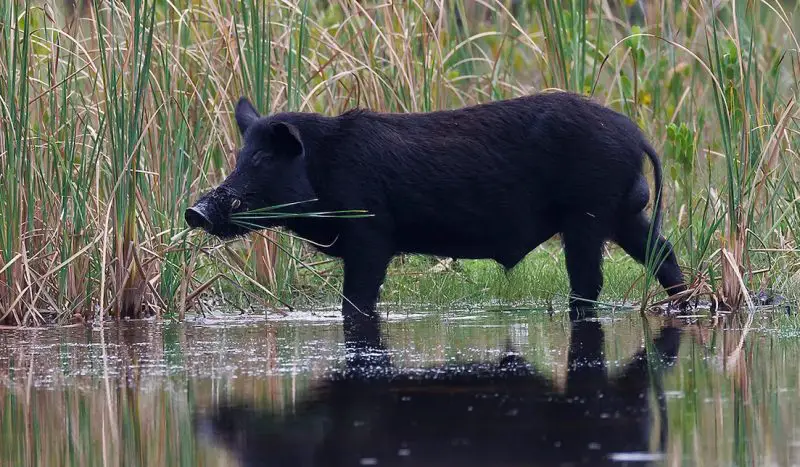
Hybrids between Eurasian wild boar and domestic pigs show mixed physical characteristics that can complicate identification. Some individuals inherit the coarse hair and elongated snout typical of wild boar while retaining the color variation common in domestic pigs. Others display intermediate body shapes, partial shoulder humps, or variable tusk size.
Coat coloration often varies widely, including black, reddish brown, spotted, or mottled patterns. Because hybridization can occur over multiple generations, identifying lineage based solely on appearance becomes difficult. Genetic testing provides the most reliable confirmation.
This diversity reflects ongoing mixing of domestic and wild genetic traits wherever both lineages overlap.
Habitat Flexibility in Utah
Hybrid pigs tend to be particularly adaptable. They may occupy agricultural landscapes favored by domestic descended hogs while also using forested foothills, riparian areas, or semi wild environments preferred by wild boar. This flexibility increases survival potential in varied conditions.
Access to both human influenced food sources and natural forage allows hybrids to thrive if introduced populations establish. Utah’s diverse terrain, from irrigated valleys to mountain foothills, could theoretically support such adaptability.
Because of this potential, wildlife agencies remain alert to any confirmed hybrid presence.
Behavior and Ecological Impact
Hybrid pigs generally retain strong omnivorous feeding habits. Crops, roots, insects, carrion, and native vegetation all form part of their diet. Their intelligence and adaptability can make management challenging once populations establish.
Social organization often resembles that of feral hogs. Females form sounders with offspring, while adult males tend to remain solitary outside breeding periods. These social structures support population growth and resource exploitation.
From a management perspective, agencies focus primarily on controlling population size rather than distinguishing lineage. Ecological impacts such as habitat disturbance, crop damage, and competition with native wildlife remain similar regardless of ancestry.
Why Identifying Feral Pig Types Matters
Accurate identification helps wildlife managers respond effectively. Domestic descended hogs, wild boar, and hybrids may behave differently, influencing control strategies and risk assessments.
Understanding ancestry also helps track introduction sources. Escaped livestock require different management responses compared with introduced game animals.
Public reporting improves when observers recognize distinguishing characteristics.
Ecological Concerns in Utah
Feral pigs can cause soil erosion, vegetation damage, and water quality issues through rooting behavior. Native plant communities may struggle to recover once disturbed.
They may compete with native wildlife for food resources and occasionally prey on ground nesting birds or small mammals.
Agricultural damage remains another concern, especially in irrigated crop areas where food availability attracts pigs.
Early detection remains essential for prevention.
Prevention and Management Strategies
Wildlife agencies encourage reporting of suspected feral pig sightings. Photographs, location details, and observation timing help confirm presence.
Preventing illegal releases remains critical. Introducing non native wildlife can cause lasting ecological consequences.
Public awareness, responsible livestock management, and habitat monitoring all support prevention.
Safety Considerations for Residents
Although feral pigs generally avoid humans, they can become defensive if cornered or protecting young. Maintaining distance reduces risk.
Secure garbage, livestock feed, and crops help discourage attraction.
Pet supervision also reduces potential encounters.
Future Outlook for Feral Pigs in Utah
Utah’s climate and terrain may limit large scale feral pig population growth compared with more humid states. However, adaptability means vigilance remains necessary.
Climate change, land use shifts, and accidental introductions could influence future distribution.
Continued monitoring helps protect ecosystems, agriculture, and native wildlife.
FAQs About Feral Pigs in Utah
Are feral pigs common in Utah
No large established populations are confirmed, but occasional sightings occur.
What type is most likely seen
Escaped domestic hogs are the most commonly reported.
Are wild boar native to Utah
No, they are introduced animals when present.
Are hybrids possible
Yes, especially if domestic pigs and wild boar interbreed.
Do feral pigs damage ecosystems
Yes, rooting behavior can harm soil, vegetation, and water quality.
Should sightings be reported
Yes, wildlife agencies encourage reporting for monitoring.
Are they dangerous to humans
Encounters are rare, but distance is recommended.
Can populations grow quickly
Yes, reproductive rates are high if conditions allow.
Final Thoughts
Feral pigs remain an emerging wildlife concern in parts of Utah even though widespread populations are not currently established. Understanding the three primary types — domestic descended feral hogs, Eurasian wild boar, and hybrids — helps improve identification, reporting accuracy, and management response.
These animals are highly adaptable and capable of affecting ecosystems, agriculture, and native wildlife if populations expand. Awareness, responsible livestock management, and early reporting remain the best tools for preventing long term ecological impact.
Staying informed allows residents, landowners, and wildlife enthusiasts to contribute positively to conservation while ensuring safe coexistence with Utah’s diverse landscapes.