

Tiny flies coming out of bathroom drains are one of the most frustrating problems Tennessee homeowners face.
You clean the sink.
You scrub the tub.
You pour something down the drain.
They disappear for a day. Then they come back.
The issue feels endless because it isn’t happening where you can see it.
In Tennessee homes, these tiny flies are not random visitors from outside. They are emerging from inside the plumbing system itself. By the time flies are visible in the bathroom, the conditions that support them have usually been developing quietly for weeks.
Table of Contents
- 1 What Those Tiny Flies Really Are
- 2 Why Tennessee Homes See This So Often
- 3 Why Bathroom Drains Are the Source
- 4 Why Flies Keep Coming Back After Cleaning
- 5 Why Tennessee Bathrooms Are Hit Harder Than Kitchens
- 6 Why the Flies Appear Mostly at Night
- 7 Why These Flies Are Not Fruit Flies
- 8 Why They Are Not Coming From the Sewer
- 9 Why Tennessee Humidity Makes the Problem Persistent
- 10 Why Bleach and Sprays Rarely Work
- 11 Why Apartments and Condos Have Worse Problems
- 12 Why Flies Appear After Heavy Rain
- 13 Are Drain Flies Dangerous?
- 14 Why the Problem Seems Worse in Summer
- 15 Why Tiny Flies Keep Returning to the Same Drain
- 16 How Long Drain Fly Infestations Can Last
- 17 When Tiny Flies Signal a Bigger Issue
- 18 FAQs About Tiny Flies in Tennessee Bathroom Drains
- 19 Final Thoughts
What Those Tiny Flies Really Are
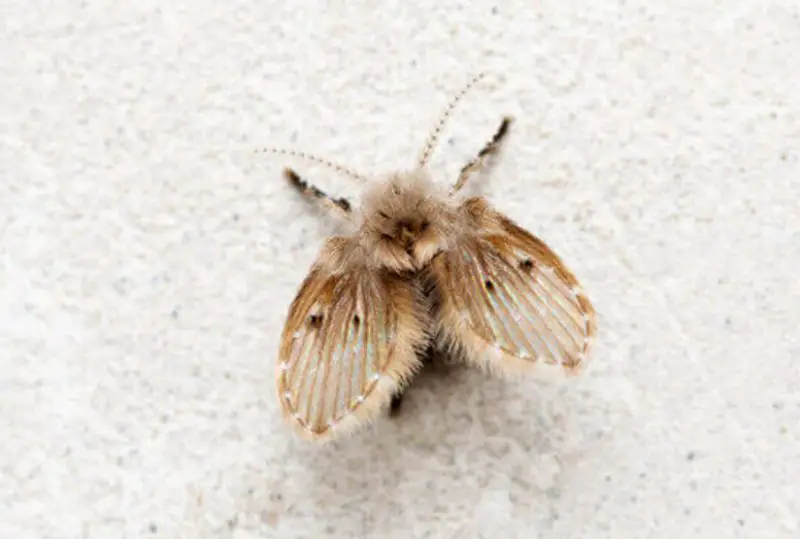
In most Tennessee bathrooms, the tiny flies emerging from drains are drain flies, also known as moth flies or sewer flies. Scientifically, they belong to the family Psychodidae, a group of insects adapted to living in moist, organic environments.
Adult drain flies are extremely small, usually only a few millimeters long. Their wings are broad, fuzzy, and triangular, giving them a moth-like appearance rather than the sleek shape of a typical fly. Their bodies are also covered in fine hairs, which is why they often look dusty or fuzzy under bathroom lighting.
Instead of buzzing actively around a room, drain flies behave differently. They cling flat against tile, mirrors, shower walls, or ceilings. When disturbed, they flutter weakly for a short distance and then settle again nearby.
That movement pattern is one of the clearest identifiers. These flies are poor fliers by design. They are built to stay close to where they emerge, not to roam through the home.
Why Tennessee Homes See This So Often
Tennessee’s climate quietly supports drain fly populations year-round.
Warm temperatures persist for much of the year, even during winter. Indoor humidity remains higher than many homeowners realize, especially in bathrooms and laundry areas. Plumbing-driven moisture is constant.
Unlike colder regions where long, dry winters interrupt insect life cycles, Tennessee rarely experiences extended periods that fully dry out drain systems. Bathrooms stay warm enough for larvae to survive inside pipes even in January.
Drain flies do not require extreme humidity. They only need moisture that remains consistent. Tennessee provides that stability almost effortlessly.
Why Bathroom Drains Are the Source
Drain flies do not live in open water.
They live in biofilm.
Biofilm is a slimy, gelatinous layer that slowly coats the inside of drain pipes. It forms when soap residue, toothpaste, shampoo, hair products, skin cells, and organic debris stick to pipe walls instead of washing away completely.
This layer builds gradually and remains hidden from view. You cannot see it by looking down the drain, and routine cleaning does not remove it.
Drain flies lay their eggs directly inside this biofilm. The larvae hatch and feed within the layer, protected from light, disturbance, and most cleaning efforts. When development is complete, adult flies crawl or flutter out through the drain opening.
By the time flies are visible, the biofilm has been established for weeks or longer.
Why Flies Keep Coming Back After Cleaning
Surface cleaning only addresses what you can see.
Scrubbing sinks, wiping counters, and rinsing drains removes visible residue but leaves the biofilm intact. Pouring water down the drain flushes loose debris while leaving the sticky coating behind.
Even bleach rarely penetrates the full length of the biofilm. It may kill some larvae near the surface, but deeper sections remain untouched.
As long as the biofilm exists, the drain continues producing flies. That is why infestations feel endless despite repeated cleaning.
Why Tennessee Bathrooms Are Hit Harder Than Kitchens
Kitchen drains also develop biofilm, but bathroom drains often provide better conditions.
Bathrooms produce steady moisture without grease. Soap, shampoo, and body products create a nutrient-rich environment for larvae. Shower drains, tub drains, and sink overflows are especially vulnerable because they remain damp even when not actively in use.
Many Tennessee bathrooms also lack strong ventilation. Moist air lingers overnight, allowing pipes to stay humid longer than expected.
This combination makes bathrooms the primary breeding site in most homes.
Why the Flies Appear Mostly at Night
Drain flies are nocturnal by nature.
At night, bathrooms become quiet. Water use stops. Pipes cool slightly. Condensation forms inside drains and pipe walls.
Humidity rises just enough to trigger adult activity. When lights suddenly turn on, flies scatter toward walls or ceilings, creating the impression they appeared out of nowhere.
During the day, they remain hidden near the drain opening or inside pipe edges, where they are rarely noticed.
Why These Flies Are Not Fruit Flies
Drain flies are commonly mistaken for fruit flies, but their behavior is different.
Fruit flies actively hover around food, trash, and countertops. Drain flies do not. They remain close to drains and rest on vertical surfaces rather than circling the room.
Fruit fly traps often fail because drain flies are not attracted to sugary baits. When traps do nothing, homeowners become frustrated.
Correct identification matters because treatment methods are completely different.
Why They Are Not Coming From the Sewer
Many people worry that flies are crawling up from sewer lines.
That is not how modern plumbing works.
Drain traps hold water specifically to block gases and insects from traveling upward. Drain flies cannot swim through these traps.
They emerge from the section of pipe above the trap, where biofilm forms. The issue is local to the bathroom drain, not the sewer system.
Why Tennessee Humidity Makes the Problem Persistent
Drain flies thrive in localized moisture rather than standing water.
Tennessee’s indoor humidity allows biofilm to remain moist year-round. Pipes do not fully dry out, especially in bathrooms that are used daily.
This constant moisture allows larvae to develop continuously. In drier climates, pipes dry between uses. In Tennessee, they stay hospitable.
Why Bleach and Sprays Rarely Work
Bleach kills visible adult flies but often leaves larvae untouched. Sprays eliminate what you see while ignoring what is hidden.
Biofilm remains intact. Eggs remain protected. New adults emerge days later.
Repeated chemical use creates short-term relief without solving the underlying issue. This leads many homeowners to believe the problem cannot be fixed.
It can. The approach just needs to target the source.
Why Apartments and Condos Have Worse Problems
In multi-unit buildings, plumbing lines connect vertically.
Biofilm can develop across multiple units. Moisture conditions are shared through walls and pipes. One poorly maintained drain can support flies that appear in neighboring bathrooms.
Residents may clean thoroughly without realizing the source is not limited to their own unit.
This shared environment makes infestations feel stubborn and unfair.
Why Flies Appear After Heavy Rain
Heavy rain raises indoor moisture levels in subtle ways.
Soil around foundations becomes saturated. Air humidity increases. Plumbing systems experience small pressure and temperature changes.
These shifts often trigger increased fly emergence days later. The timing feels random, but the pattern is consistent.
Are Drain Flies Dangerous?
Drain flies do not bite or sting.
They do not transmit disease.
They do not infest food.
They are considered nuisance pests rather than health threats. However, their presence signals organic buildup and moisture conditions that can also support mold growth.
In that sense, they act as an early warning.
Why the Problem Seems Worse in Summer
Summer intensifies everything.
Humidity rises.
Showers become more frequent.
Evaporation slows.
Drain flies reproduce faster in warm conditions. What felt manageable in spring can feel overwhelming by mid-summer.
Tennessee summers amplify the problem.
Why Tiny Flies Keep Returning to the Same Drain
Drain flies do not roam widely.
They stay close to where they were born. Killing visible adults does not stop larvae developing inside the pipe.
As long as biofilm remains, that drain will continue producing flies. This is why activity often stays centered in one bathroom.
How Long Drain Fly Infestations Can Last
Without intervention, infestations can persist indefinitely.
Adults live about two weeks. Eggs hatch in days. Larvae develop continuously.
There is no natural stopping point unless conditions change.
When Tiny Flies Signal a Bigger Issue
Persistent drain flies may indicate deeper problems.
Slow drainage.
Standing water inside pipes.
Cracked plumbing.
Improper venting.
In these cases, the flies are not the core issue. They are a symptom that something inside the system needs attention.
FAQs About Tiny Flies in Tennessee Bathroom Drains
Are these flies coming from outside?
No. They originate inside the drain system.
Can I pour boiling water down the drain?
It helps temporarily but does not remove biofilm fully.
Why do they disappear then come back?
Adults die, but larvae remain.
Are drain flies harmful to kids or pets?
No. They are nuisance pests only.
Will vinegar traps work?
Not effectively for drain flies.
Do I need pest control?
Only if the plumbing source is addressed.
Can they spread to other drains?
Yes, if biofilm develops elsewhere.
Final Thoughts
Tiny flies keep coming out of bathroom drains in Tennessee because moisture, warmth, and organic buildup combine perfectly inside plumbing systems.
The problem is not cleanliness.
It is not random.
And it is not coming from outside.
Once the focus shifts from killing flies to understanding what supports them, the cycle becomes clear. Fix the conditions, and the flies stop appearing.
That is the difference between endless frustration and real control.