
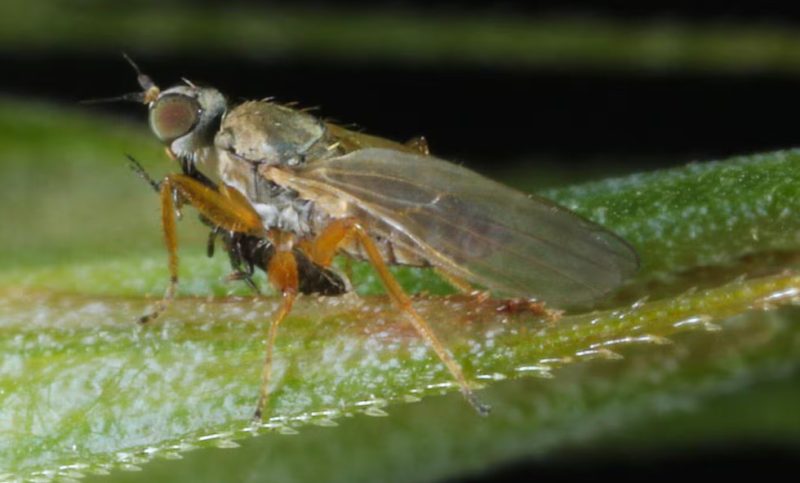
California homeowners are often unsure what to make of thrips when they appear indoors. They are tiny, fast-moving, and often appear without warning along window frames, sills, and glass edges. Many people assume they are coming from houseplants, dirty windows, or poor cleaning habits.
That assumption is usually wrong.
Thrips appear on window frames in California homes because windows sit at the intersection of light, heat, airflow, and outdoor vegetation, all factors that directly influence thrips behavior. Their presence is not random, and it is rarely a sign of infestation inside the home.
To understand why thrips gather in these specific locations, it helps to understand how they live, move, and respond to environmental cues.
Table of Contents
- 1 Thrips Are Outdoor Insects First, Indoor Pests Second
- 2 California’s Climate Keeps Thrips Active Almost Year-Round
- 3 Why Window Frames Attract Thrips Specifically
- 4 Light Is the Primary Trigger
- 5 Heat Differences Pull Thrips Toward Glass
- 6 Airflow Funnels Thrips Into Window Gaps
- 7 Window Frames Mimic Plant Edges
- 8 Landscaping Near Windows Increases Thrips Pressure
- 9 Seasonal Thrips Surges Explain Sudden Appearances
- 10 Why Thrips Cluster at Certain Windows but Not Others
- 11 Indoor Conditions Do Not Support Thrips Long-Term
- 12 Houseplants Are Sometimes Involved but Often Blamed Unfairly
- 13 Why Thrips Are More Common in California Than Many States
- 14 Why Thrips Are Active During the Day
- 15 Are Thrips Dangerous to People or Homes?
- 16 Why Thrips Suddenly Appear in Large Numbers
- 17 Why Cleaning Windows Does Not Prevent Thrips
- 18 How to Reduce Thrips on Window Frames Naturally
- 19 Why Insecticides Are Usually Unnecessary
- 20 When Thrips Indicate a Larger Outdoor Issue
- 21 Why Thrips Eventually Disappear on Their Own
- 22 FAQs About Thrips on Window Frames in California
- 23 Final Thoughts
Thrips Are Outdoor Insects First, Indoor Pests Second
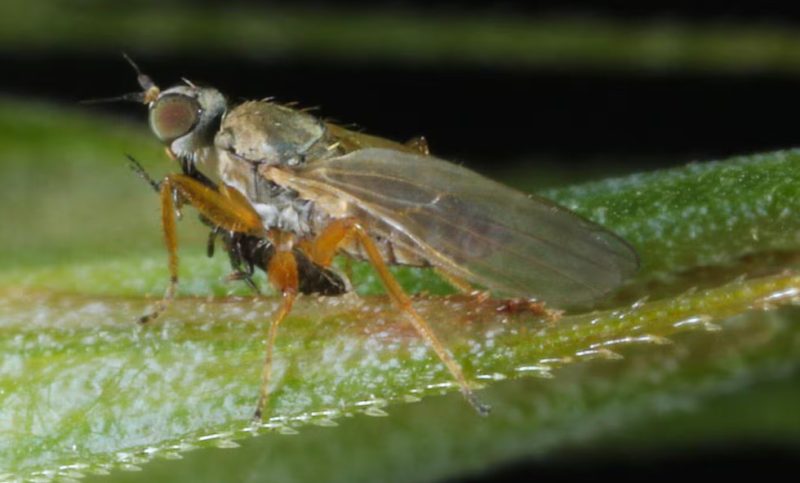
Thrips are not household insects in the traditional sense.
They are plant-feeding insects that live outdoors on leaves, flowers, grasses, shrubs, and crops. California’s climate supports dozens of thrips species year-round, especially in coastal, valley, and suburban landscapes where ornamental plants and agriculture overlap.
Homes are not their target habitat.
Window frames are simply where thrips end up.
They enter houses accidentally while following environmental signals that windows amplify.
California’s Climate Keeps Thrips Active Almost Year-Round
One reason thrips are such a common issue in California is climate.
Mild winters, long growing seasons, and extended warm periods allow thrips populations to remain active far longer than in colder states. Even during cooler months, many regions experience daytime temperatures warm enough for thrips to fly.
This means thrips are constantly present outdoors, waiting for the right cues to move.
Windows provide those cues.
Why Window Frames Attract Thrips Specifically
Window frames concentrate multiple environmental signals that thrips respond to instinctively.
Light, heat, airflow, and contrast all meet at the window. For a tiny flying insect, this combination acts like a beacon.
Thrips are strongly attracted to light, especially bright daylight reflecting off glass. Large windows and sliding doors are particularly attractive because they create strong visual contrast between indoors and outdoors.
Once thrips reach the glass, they tend to crawl upward and sideways, becoming trapped along the frame.
Light Is the Primary Trigger
Thrips use light to orient themselves during flight.
Sunlit windows reflect ultraviolet and visible light in ways that mimic the reflective surfaces of leaves and flowers. To a thrips, a window does not look like glass. It looks like a bright plant surface.
This is why thrips often gather on the upper corners of windows, where light intensity is strongest.
Artificial lighting can also play a role. At night, indoor lights shining through windows draw thrips toward the structure, especially in areas near gardens or landscaping.
Heat Differences Pull Thrips Toward Glass
Glass heats and cools differently than walls.
During the day, window panes warm quickly in sunlight. Thrips are cold-sensitive insects that prefer warm surfaces. When temperatures drop outdoors in the evening, windows often retain residual heat longer than surrounding siding.
This temperature gradient draws thrips toward window frames, where conditions remain favorable just a bit longer.
They are not trying to enter the house. They are following warmth.
Airflow Funnels Thrips Into Window Gaps
Thrips are weak fliers.
They rely heavily on air currents to move. Even gentle breezes can carry them long distances. Homes create subtle airflow patterns around windows due to pressure differences between indoor and outdoor air.
Small gaps around window frames act like funnels. Thrips carried by air currents collide with the glass and settle along the frame edges.
Once there, they crawl rather than fly, making their presence far more noticeable.
Window Frames Mimic Plant Edges
Thrips evolved to live on plants, not smooth surfaces.
Window frames, especially those made of vinyl or painted wood, create sharp edges similar to leaf margins. Thrips instinctively crawl along these edges, searching for feeding sites.
Because glass offers no food, they continue moving along the frame, often clustering in corners where movement naturally stops.
This behavior makes it look like thrips are “gathering” intentionally, when they are simply following edge patterns.
Landscaping Near Windows Increases Thrips Pressure
One of the strongest predictors of thrips presence on windows is nearby vegetation.
Thrips populations explode on flowering plants, hedges, grasses, citrus trees, roses, and ornamental shrubs. When these plants sit close to windows, thrips routinely move between plant surfaces and nearby structures.
In California suburbs, dense landscaping placed directly against homes creates a continuous bridge between outdoor thrips habitat and window frames.
This is especially common in spring and early summer.
Seasonal Thrips Surges Explain Sudden Appearances
Thrips activity spikes during specific seasons.
In California, the biggest surges happen in spring and early summer, when plants flush new growth and flowering peaks. Thrips populations rise rapidly, increasing the chance of accidental indoor contact.
During heat waves, thrips also disperse more widely as vegetation dries out. Windows become temporary resting points during these movements.
This explains why thrips can appear suddenly and disappear just as quickly.
Why Thrips Cluster at Certain Windows but Not Others
Homeowners often notice thrips on one or two windows, not the entire house.
This pattern is driven by exposure.
Windows facing gardens, flowering trees, or sunlit yards receive more thrips. Windows shaded by structures or located far from vegetation receive fewer.
Orientation matters. South- and west-facing windows in California receive more intense sunlight, making them more attractive to thrips during the day.
Indoor Conditions Do Not Support Thrips Long-Term
Despite their presence on window frames, thrips do not thrive indoors.
They require living plant tissue to feed and reproduce. Dry indoor air, lack of suitable host plants, and limited humidity prevent population growth.
Most thrips found indoors die within a short period or exit the home when conditions change.
This is why repeated sightings usually reflect new arrivals, not an indoor infestation.
Houseplants Are Sometimes Involved but Often Blamed Unfairly
Thrips can infest houseplants, but this is not always the source of window sightings.
In many cases, thrips appear on windows even when houseplants show no damage. The insects originated outdoors and never reached plants inside.
When houseplants are involved, thrips usually cluster directly on leaves, stems, or soil surfaces rather than window frames alone.
Windows remain the primary interception point.
Why Thrips Are More Common in California Than Many States
California’s combination of climate and land use creates ideal thrips conditions.
Long growing seasons support continuous plant growth. Agricultural regions sit next to residential neighborhoods. Ornamental landscaping is widespread. Winters rarely eliminate insect populations completely.
Few states provide such consistent support for thrips year after year.
As a result, window-frame encounters are far more common here than elsewhere.
Why Thrips Are Active During the Day
Unlike many indoor pests, thrips are most active during daylight hours.
They rely on visual cues and warmth. This is why homeowners often notice them during the morning or afternoon, especially on sunny windows.
Nighttime activity does occur, but daylight visibility makes encounters more noticeable.
Are Thrips Dangerous to People or Homes?
Thrips do not bite people in any meaningful way. Some species may cause minor skin irritation when trapped against skin, but this is rare.
They do not damage windows, furniture, or structures. Their impact is limited to plants.
For humans, thrips are primarily a nuisance, not a hazard.
Why Thrips Suddenly Appear in Large Numbers
Mass appearances usually coincide with environmental changes.
Plant pruning, mowing, heat spikes, wind events, or nearby agricultural activity can displace thrips, sending them airborne in large numbers.
Windows become the first solid surface they encounter.
The event feels like an infestation, but it is usually temporary.
Why Cleaning Windows Does Not Prevent Thrips
Thrips are not attracted to dirt.
They respond to light, heat, and airflow. A spotless window and a dusty window are equally attractive.
Cleaning removes visible insects but does not address the underlying cues that draw them in.
How to Reduce Thrips on Window Frames Naturally
The most effective strategies focus on reducing attraction, not killing insects.
Limiting bright night lighting near windows helps. Using curtains or blinds during peak daylight hours reduces visual attraction. Trimming vegetation away from window frames creates distance.
Sealing obvious gaps improves airflow control but will not eliminate thrips entirely.
Reducing thrips pressure outdoors reduces indoor sightings.
Why Insecticides Are Usually Unnecessary
Spraying insecticides indoors is rarely effective for thrips.
New individuals replace killed ones quickly, and chemical treatments do not address outdoor sources. Many insecticides also pose unnecessary risks indoors.
Environmental adjustments work better than chemical control.
When Thrips Indicate a Larger Outdoor Issue
Heavy thrips presence may indicate stressed plants, over-fertilization, or drought conditions outdoors. Addressing plant health often reduces thrips populations naturally.
In this way, thrips act as indicators rather than invaders.
Why Thrips Eventually Disappear on Their Own
As seasons shift, plant conditions change, or weather patterns stabilize, thrips disperse back into outdoor habitats.
Most window-frame thrips episodes resolve without intervention.
The insects were passing through, not settling in.
FAQs About Thrips on Window Frames in California
Are thrips coming from inside my house?
Usually no. Most originate outdoors.
Do thrips infest homes?
No. They cannot reproduce indoors without host plants.
Are they dangerous?
They are harmless to people and property.
Why are they only on certain windows?
Light exposure and nearby vegetation drive this pattern.
Will they go away on their own?
In most cases, yes.
Final Thoughts
Thrips appear on window frames in California homes because windows concentrate the exact environmental signals thrips evolved to follow. Light, warmth, airflow, and nearby vegetation intersect at the glass.
Their presence is not a sign of poor hygiene, infestation, or structural problems.
It is a side effect of living in a climate where insects and plants remain active for much of the year.
Once that is understood, thrips stop feeling mysterious and start making sense.