
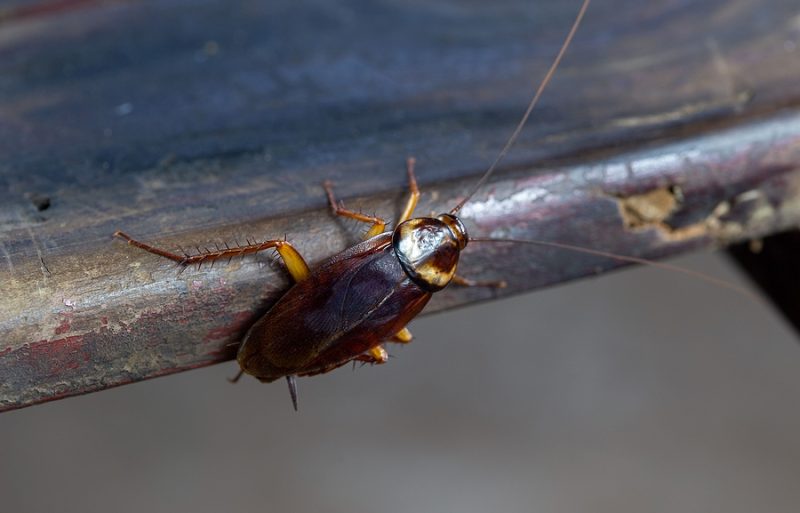
Few things are more frustrating for Florida apartment residents than seeing a cockroach inside a clean home. Floors are swept, trash is taken out regularly, food is sealed, and yet a roach still appears late at night in the kitchen or bathroom. For many people, this moment creates confusion, embarrassment, and even anxiety. The immediate assumption is often personal failure. Something must be wrong with how the apartment is being kept.
In reality, cockroaches in Florida apartments have very little to do with cleanliness alone.
Florida’s climate, apartment construction, shared infrastructure, and cockroach biology all work together in ways most residents never see. Clean apartments can and do experience roach activity, sometimes regularly, because the conditions that attract cockroaches extend far beyond crumbs on the counter.
This article explains why cockroaches appear even in clean Florida apartments, where they come from, why nighttime sightings are common, and what those sightings actually mean. When the reasons are clear, the situation becomes easier to manage and far less personal.
Table of Contents
- 1 Florida Is One of the Most Roach-Friendly States
- 2 Cleanliness Does Not Equal Isolation
- 3 Why Cockroaches Prefer Apartments Over Houses
- 4 The Most Common Cockroach Species in Florida Apartments
- 5 Why Cockroaches Come Out at Night
- 6 Why You Don’t See Them During the Day
- 7 Water Matters More Than Food
- 8 Humidity Keeps Cockroaches Comfortable
- 9 How Cockroaches Enter Clean Apartments
- 10 Why Cleaning Alone Rarely Solves the Problem
- 11 The Role of Neighbors and Shared Habits
- 12 Why Roaches Keep Coming Back After Treatment
- 13 Why Seeing One Roach Feels Worse Than It Is
- 14 What Clean Apartments Actually Do Right
- 15 Why Older Buildings Struggle More
- 16 What Tenants Can Realistically Control
- 17 When Cockroaches Indicate a Bigger Problem
- 18 Why Florida Apartments Are Different From Other States
- 19 Common Myths That Make the Problem Worse
- 20 The Importance of Building Management
- 21 Living With Reality Without Accepting Defeat
- 22 FAQs About Cockroaches in Clean Florida Apartments
- 23 Conclusion
Florida Is One of the Most Roach-Friendly States

Florida’s environment is ideal for cockroaches. Warm temperatures, high humidity, and abundant water sources allow roaches to thrive year-round.
Unlike colder states where roach populations decline seasonally, Florida provides continuous breeding conditions. Roaches do not die off in winter. They simply move closer to stable indoor environments when outdoor conditions become too hot, wet, or unpredictable.
This means Florida apartments face constant pressure from surrounding roach populations. Even if one unit is spotless, the building itself exists within a larger ecosystem where cockroaches are always present.
Roach activity in Florida is not seasonal noise. It is a permanent background condition.
Cleanliness Does Not Equal Isolation
One of the biggest misconceptions is that a clean apartment is isolated from pests.
Apartments are not sealed bubbles. They are connected structures. Walls, floors, ceilings, plumbing lines, and ventilation systems all create shared pathways between units.
Cockroaches use these pathways constantly. They travel through wall voids, pipe chases, electrical conduits, and drain systems. A roach seen in one unit may have entered from a neighboring apartment, a shared trash area, or a utility space.
This is why residents in clean apartments still see roaches even when personal habits are careful. The source may not be inside the unit at all.
Why Cockroaches Prefer Apartments Over Houses
Apartments offer cockroaches advantages that single-family homes often do not.
Multiple units mean multiple food sources, water points, and hiding spaces. Even if one unit is clean, others may not be. Shared dumpsters, trash chutes, and recycling areas concentrate food waste.
Plumbing systems run continuously through the building, providing moisture and warmth. Wall voids remain undisturbed for years, creating safe nesting areas.
For cockroaches, apartments are efficient environments. They allow movement, survival, and reproduction with minimal exposure.
The Most Common Cockroach Species in Florida Apartments
In Florida apartments, the most common indoor species is the German cockroach.
German cockroaches are small, light brown, and highly adapted to indoor life. They do not live outdoors in large numbers like American cockroaches. Instead, they rely on human structures for survival.
They reproduce quickly, hide effectively, and prefer kitchens and bathrooms where food and water are close together.
Seeing even one German cockroach often suggests more are nearby, even if they are not immediately visible.
Larger American cockroaches may also appear occasionally, especially in ground-level units or older buildings, but they are less likely to establish long-term indoor populations.
Why Cockroaches Come Out at Night
Cockroaches are nocturnal by nature. Nighttime activity is a survival strategy.
Darkness protects them from predators and human detection. Cooler temperatures reduce dehydration. Reduced activity in apartments allows them to forage safely.
This is why cockroaches are most often seen when lights are turned on suddenly at night. They scatter instinctively, creating the impression of sudden invasion.
In reality, they were active long before the light was flipped.
Why You Don’t See Them During the Day
During daylight hours, cockroaches remain hidden.
They retreat into cracks behind appliances, inside cabinets, under sinks, behind baseboards, and within wall voids. These spaces protect them from light, airflow, and disturbance.
Daytime sightings usually indicate a larger infestation that has outgrown hiding spaces. In contrast, nighttime sightings can occur even with moderate populations.
Understanding this distinction helps interpret what sightings actually mean.
Water Matters More Than Food
Many Florida residents focus on food as the main attractant. While food matters, water is often more important.
Cockroaches can survive weeks without food but only days without water. Florida apartments provide abundant moisture through sinks, showers, condensation, leaks, and humid air.
Bathrooms, kitchens, laundry rooms, and AC drip lines are especially attractive.
Even a clean apartment with no food residue can support roaches if moisture is available.
Humidity Keeps Cockroaches Comfortable
Florida’s humidity plays a critical role.
Cockroaches lose moisture through their bodies and need humid environments to survive comfortably. Dry environments stress them and reduce reproduction.
Air-conditioned apartments still retain humidity, especially in bathrooms, kitchens, and poorly ventilated areas.
High humidity allows cockroaches to remain active, mobile, and hidden without dehydration.
How Cockroaches Enter Clean Apartments
Cockroaches enter apartments in ways most residents never notice.
They slip through gaps around plumbing, cracks in walls, loose baseboards, and spaces under doors. They may enter when groceries, boxes, or furniture are brought inside.
In multi-unit buildings, roaches frequently migrate when conditions change. Treatment in one unit may push them into another. Renovations, leaks, or temperature changes can trigger movement.
This mobility makes individual prevention difficult without building-wide cooperation.
Why Cleaning Alone Rarely Solves the Problem
Cleaning is important, but it does not address structural issues.
Wiping surfaces removes food residue but not hidden water sources. Vacuuming removes visible roaches but not those behind walls. Spraying kills exposed individuals but not eggs or hidden populations.
Without addressing moisture, access points, and shared spaces, roaches return.
This is why residents often feel like they are doing everything right but seeing no improvement.
In apartments, individual habits interact.
One unit’s leaking pipe affects adjacent units. One unit’s clutter provides breeding space that impacts the floor above. One unit’s trash habits influence roach pressure in hallways and chutes.
This does not mean blaming neighbors. It means recognizing that apartments function as ecosystems rather than isolated homes.
Effective control requires coordinated management.
Why Roaches Keep Coming Back After Treatment
Many treatments focus on immediate relief rather than long-term disruption.
Surface sprays kill roaches on contact but do not affect hidden nests. Foggers may spread chemicals without reaching cracks. Repellents may push roaches deeper into walls.
Roaches reproduce quickly. Eggs hatch days or weeks later, restarting the cycle.
Without follow-up, moisture control, and sealing access points, treatments provide only temporary relief.
Why Seeing One Roach Feels Worse Than It Is
Psychologically, cockroaches trigger strong reactions.
They appear suddenly, move quickly, and invade personal space. Even one sighting can cause distress disproportionate to actual risk.
This reaction is normal. However, panic often leads to poor decisions, including excessive chemical use or self-blame.
Understanding that sightings are common in Florida apartments reduces emotional impact and encourages rational response.
What Clean Apartments Actually Do Right
Clean apartments reduce risk, even if they do not eliminate it.
Proper food storage limits roach access. Regular trash removal reduces attractants. Clean surfaces prevent population explosions.
These habits make infestations easier to control and limit severity. They do matter.
They just are not the only factor.
Why Older Buildings Struggle More
Older Florida apartment buildings often face additional challenges.
Aging plumbing leaks more frequently. Cracks and gaps accumulate over time. Ventilation systems may be outdated.
Wall materials and construction methods from decades ago provide more hiding spaces.
Renovations help, but many older buildings remain structurally attractive to roaches.
What Tenants Can Realistically Control
Tenants cannot rebuild walls or reroute plumbing, but they can reduce risk.
Keeping sinks dry overnight, reporting leaks promptly, sealing visible gaps, and reducing clutter all help.
Using targeted baits rather than sprays often works better in apartments, as baits spread control through roach populations.
Communication with management is essential when sightings persist.
When Cockroaches Indicate a Bigger Problem
Frequent sightings, especially during the day, usually indicate a larger infestation.
Seeing roaches in multiple rooms or daily sightings suggests breeding nearby.
In these cases, individual action is not enough. Building-wide inspection and treatment are necessary.
Early reporting helps prevent escalation.
Why Florida Apartments Are Different From Other States
In colder states, roaches retreat or die off seasonally. In Florida, there is no reset.
Continuous warmth and humidity allow uninterrupted breeding. This creates persistent low-level pressure even in well-maintained buildings.
Understanding this difference helps explain why Florida residents experience roaches more often than expected.
Common Myths That Make the Problem Worse
Several myths increase frustration.
One is that roaches mean poor hygiene. Another is that seeing one means infestation failure. A third is that stronger chemicals solve everything.
These beliefs lead to unnecessary stress and ineffective responses.
Reality is more complex but also more manageable.
The Importance of Building Management
In apartments, management plays a critical role.
Regular inspections, coordinated pest control, plumbing maintenance, and trash management reduce roach pressure.
Tenants working alone face limitations. Cooperative efforts work far better.
Documenting sightings and reporting patterns helps management identify problem areas.
Living With Reality Without Accepting Defeat
Understanding why cockroaches appear does not mean accepting them indefinitely.
It means approaching the issue strategically rather than emotionally.
Reducing moisture, sealing access points, using effective treatments, and working with management create meaningful improvement.
Clean apartments are not immune, but they are resilient.
FAQs About Cockroaches in Clean Florida Apartments
Why do I see cockroaches if my apartment is clean?
Because cockroaches respond to moisture, structure, and shared spaces, not just food.
Does seeing one roach mean infestation?
Not always. One sighting can occur without a large population.
Are roaches worse at night?
They are more active at night, not necessarily more numerous.
Can roaches come from neighbors?
Yes. Shared walls and plumbing allow movement between units.
Does spraying help?
It may kill visible roaches but rarely solves the root problem.
Are roaches dangerous?
They do not bite, but they can contaminate surfaces and trigger allergies.
Will moving solve the problem?
Not always. Building-wide conditions matter.
What should I tell management?
Report sightings, locations, and timing to help identify sources.
Conclusion
Cockroaches appear even in clean Florida apartments because cleanliness alone does not control climate, structure, or shared systems. Florida’s environment, combined with apartment design, creates conditions that favor roach survival regardless of individual habits.
Understanding this reality removes blame and restores control. With informed action, cooperation, and realistic expectations, roach activity can be reduced significantly.
In Florida apartments, knowledge is the most effective first line of defense.