
Michigan is a wonderful place to enjoy backyard birds. From cardinals and chickadees to woodpeckers, orioles, warblers, and finches, Michigan offers beautiful bird life in every season. A well-designed bird-friendly garden can turn an ordinary yard into a living, breathing sanctuary. Birds will sing in spring, visit in summer, prepare for migration in fall, and survive winter right beside your home.
Michigan birds face real challenges. Long winters, sudden weather changes, heavy snowfall, urban development, and seasonal food shortages make survival difficult at times. That is why your garden matters more than you may realize. When you create a truly supportive yard, birds find food, water, shelter, and safety they can rely on.
Through years of feeding and caring for backyard birds, I have seen one clear truth. Birds remember the places that help them. They return to stable, safe gardens year after year. With patience and thoughtful planning, Michigan homeowners can build spaces where birds feel safe, cared for, and naturally welcomed.
Table of Contents
- 1 What Makes a Garden Truly Bird-Friendly in Michigan
- 2 Choosing the Right Plants for a Michigan Bird Garden
- 3 Great Plant Choices Michigan Homeowners Should Consider
- 4 Food That Truly Attracts Michigan Birds
- 5 Providing Clean and Safe Water Sources
- 6 Creating Safe Shelter and Bird-Friendly Structure
- 7 Building Nesting Opportunities in Michigan Gardens
- 8 Protecting Birds from Common Michigan Dangers
- 9 Seasonal Bird Garden Care in Michigan
- 10 Essential Tips Michigan Homeowners Should Always Remember
- 11 Common Mistakes Michigan Homeowners Should Avoid
- 12 FAQs About Creating a Bird-Friendly Garden in Michigan
- 12.1 Do Michigan birds really need backyard support?
- 12.2 What is the single best food for Michigan birds?
- 12.3 Is water really that important in Michigan?
- 12.4 Should I plant native species?
- 12.5 Why do birds sometimes disappear?
- 12.6 Is winter feeding necessary?
- 12.7 How long does it take to build a bird-friendly garden?
- 13 Final Thoughts
What Makes a Garden Truly Bird-Friendly in Michigan
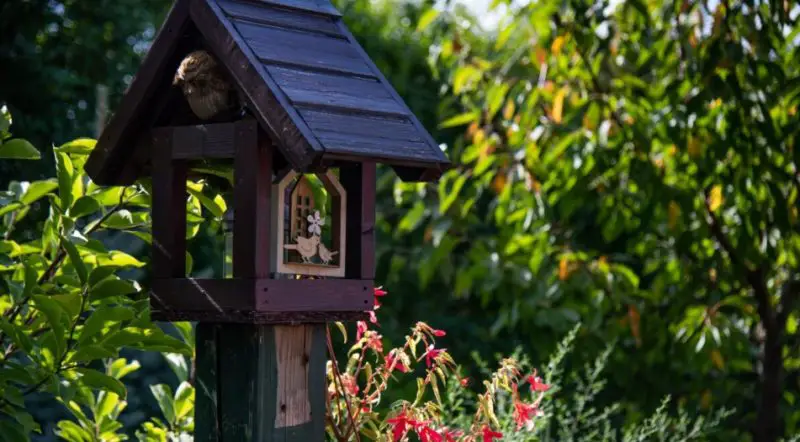
A bird-friendly garden is not just about planting flowers. It is about creating a small, supportive habitat that gives birds real things they need. Those needs include dependable food, clean fresh water, shelter from weather, safe nesting sites, and protection from predators. When these elements exist together, birds stay, thrive, and return.
Michigan’s climate shapes bird behavior. Birds need energy-dense foods in cold months. They need insects in breeding season. They need cover from snow and ice. They need places to hide from hawks and neighborhood cats. Your garden can provide all of that with the right design choices.
A calm environment also matters. Gardens filled with constant noise, movement, and aggressive trimming often push birds away. Michigan birds love quiet corners, natural growth layers, and stable, predictable spaces. When your yard feels natural, they feel relaxed.
Choosing the Right Plants for a Michigan Bird Garden
Plants form the heart of a bird-friendly garden. They provide food, insects, nesting cover, shade, safety, and seasonal interest. Native Michigan plants are especially valuable because local birds evolved alongside them. Native species handle Michigan weather better and support more insects, berries, and seeds.
Why Native Plants Matter So Much
Native plants support native insects. Native insects feed baby birds. Without insects, young birds cannot grow strong. Even seed-eating birds rely on insects in their early life. A garden with non-native ornamental plants may look pretty to people but feels empty to wildlife.
Native shrubs and trees produce berries that Michigan birds love. They provide winter cover and protection from snow. They also offer natural nesting places that feel much safer than exposed decorative plants. Over time, a native garden becomes a self-sustaining bird ecosystem.
I have always noticed more color, more activity, and more nesting success in yards filled with real native vegetation. Birds know when a space feels natural. They stay longer and visit more often.
Great Plant Choices Michigan Homeowners Should Consider
Michigan offers many excellent plant options that feed and protect birds through every season. Instead of listing plant names only, it is more helpful to understand how each type supports birds in real ways.
Fruit-bearing shrubs are incredible for backyard birds. Native species like serviceberry, winterberry holly, viburnum, and elderberry provide natural berries that birds depend on. They feed robins, cedar waxwings, catbirds, thrushes, and many more species. These shrubs also create dense cover where birds can hide safely.
Native trees play a powerful role. Oaks, maples, pines, and birches support insects, offer shade, and give birds safe places to perch and raise young. Tall trees also attract woodpeckers, nuthatches, and chickadees, creating an active upper level of bird life in your garden.
Flowering native perennials help too. Coneflower, milkweed, asters, goldenrod, and black-eyed Susan provide seeds and attract insects. Finches, sparrows, and other small species flock to seed heads when flowers dry out. Instead of cleaning everything perfectly, leaving seed heads for birds is one of the best gifts you can give them.
Food That Truly Attracts Michigan Birds
Food is always one of the strongest attractions in a Michigan bird garden. Birds search for reliable feeding places, especially during cold seasons and migration periods. When your garden provides real nourishment, birds return daily.
Best Foods for Michigan Backyards
Black oil sunflower seed is the strongest base food. Nearly every common Michigan backyard bird will eat it happily. It provides rich fat, energy, and warmth, helping birds survive colder months. I always keep at least one feeder full of sunflower seed all year.
Suet is especially valuable in Michigan’s cold climate. Winter birds like woodpeckers, chickadees, nuthatches, jays, and titmice depend on suet for high-fat nutrition. When snow covers the ground, suet feeders become lifelines. Placing suet in quiet, sheltered locations increases bird comfort and activity.
Nyjer seed supports finches beautifully. American goldfinches and other small finches love these tiny seeds. Special finch feeders help reduce waste and keep seeds longer. In Michigan, finches bring amazing color to any garden.
Mealworms and insects support nesting seasons. Bluebirds, wrens, robins, and many other birds rely heavily on insects while raising young. Even seed-eating birds feed insects to their babies because insects give essential protein. Offering live or dried mealworms helps entire bird families grow healthy.
Fruit is powerful too. Orioles, robins, catbirds, and waxwings appreciate oranges, grapes, apples, and berries in warmer months. Fruit feeding also attracts unique visitors that seeds alone do not bring.
Providing Clean and Safe Water Sources
Water is critical for Michigan birds. Birds need water to drink, clean feathers, and regulate body temperature. Many neighborhoods provide food but ignore water. When you offer clean, fresh water consistently, your garden instantly becomes more attractive.
Water must be shallow for safety. Birds prefer gently sloping edges instead of deep bowls. They need a place to stand, splash, and step away quickly if danger appears. Shallow birdbaths are always the best option.
Placing water wisely makes a big difference. Place baths near shrubs but not directly inside dense cover. Birds need escape protection nearby without being ambushed. A balance between safety and visibility helps birds relax.
Winter Water in Michigan
Winter is the hardest time for birds to find water. Ice-covered lakes and frozen puddles remove natural drinking sources. Heated birdbaths solve this problem instantly. Birds quickly learn where winter water exists and return every day.
Heated baths do not create warm water; they simply keep water from freezing. This single feature makes your garden incredibly valuable in Michigan’s cold months. Every winter I see bird visits triple when a heated bath is running.
Cleaning also matters. Michigan weather grows algae in summer and bacteria spreads in standing water. Rinsing and scrubbing baths regularly keeps birds healthy and encourages safe daily use.
Creating Safe Shelter and Bird-Friendly Structure
Shelter protects birds from predators, snow, wind, and stress. Without safe shelter, birds do not stay long. A bird-friendly Michigan garden always has layers of structure: trees, shrubs, and lower plants working together.
Large trees provide roosting space, shade, and vantage points. Birds watch from above, scan for danger, and rest safely in branches. Evergreen trees like spruce and pine are incredibly valuable because they protect birds year-round, especially in winter.
Shrubs create strong mid-level shelter. Dense shrubs allow birds to hide instantly. They also offer nesting cover. Cardinals, robins, sparrows, wrens, and many songbirds prefer thick shrubs over open branches. A yard with real shrub layers feels safe to birds.
Ground vegetation completes the habitat. Leaf litter, garden beds, low plants, and natural corners help insects thrive. Birds forage here, especially in spring when they search for food for their young. Clean, bare lawns rarely support rich bird life. Natural areas do.
Building Nesting Opportunities in Michigan Gardens
Food attracts birds. Water supports them. Shelter keeps them around. Nesting turns your garden into part of their life cycle. Once birds raise families in your yard, they return every year.
Different Michigan birds prefer different nesting conditions. Bluebirds like properly placed nest boxes in open grassy areas. Wrens enjoy tucked sheltered locations. Robins choose sturdy trees. Chickadees use cavities or specially designed nest boxes.
Nest boxes must be well-built and safely placed. Ventilation holes prevent overheating. Drainage holes prevent water buildup. Strong mounting prevents shaking in wind. Avoid facing boxes directly toward prevailing storms.
Privacy is important. Never place nest boxes in loud, busy parts of the yard. Birds need calm and predictability to raise young successfully. When they feel safe, they become loyal to your garden.
Protecting Birds from Common Michigan Dangers
Michigan backyards are beautiful, but danger exists. Hawks hunt small songbirds. Outdoor cats kill countless birds every year. Squirrels raid feeders. Raccoons destroy nesting areas. Smart garden planning reduces risk dramatically.
Do not place feeders directly inside thick shrubs. Birds need distance to escape. Distance of around eight to twelve feet from cover usually works best. This balance gives safety without ambush risk.
Use baffles to stop climbing animals. Mount feeders at proper height. Choose sturdy poles. Small adjustments protect birds and reduce constant stress.
Windows also create danger. Birds see trees reflected in glass and collide hard. Decals, window patterns, or exterior screens save many lives. I have personally seen fewer accidents once windows are addressed.
Gardens become bird-safe when homeowners think like birds. Vision, reaction time, shelter routes, and landing spaces all matter. Once you design your space with bird safety in mind, everything changes for the better.
Seasonal Bird Garden Care in Michigan
Michigan seasons change dramatically. Each season affects birds differently. Adjusting your garden care helps birds year-round and keeps your garden lively.
Spring in a Michigan Bird Garden
Spring is a time of return, rebuilding, and nesting. Birds search for strong protein sources, insects, and reliable fresh water. Gardens filled with early blooming plants support insects, which then support birds.
Provide mealworms, sunflower seed, and clean water. Keep pruning light once nesting begins. Give birds space to build families safely. The more stable your yard feels, the more nesting success you see.
Summer in a Michigan Bird Garden
Summer brings warmth, growth, and busy parent birds feeding chicks. Shade becomes important. Water becomes essential. Fruit feeders, seed feeders, and insect-rich gardens keep bird activity high.
Avoid using chemical pesticides. These chemicals kill insects and poison natural food chains. Birds rely heavily on insects in summer. A chemical-free garden keeps nature balanced.
Fall in a Michigan Bird Garden
Fall brings migration and preparation. Many birds pass through Michigan needing strong food to fuel long journeys. Others prepare for winter. Sunflower seed, peanuts, fruit, and water support this intense seasonal transition.
Leaving seed heads and native plants untrimmed provides natural food. Fallen leaves shelter insects. A slightly natural, less “perfect” garden helps wildlife through fall.
Winter in a Michigan Bird Garden
Winter tests birds hardest. Snow covers natural food. Icy winds drain energy. Short daylight hours reduce feeding time. Your garden becomes a survival station.
Suet, sunflower, and peanuts provide warmth and fat. Heated water offers life-saving hydration. Evergreen cover protects birds from storms. Winter feeding builds strong trust and deep loyalty. Birds remember kindness in cold months.
Essential Tips Michigan Homeowners Should Always Remember
-
Use native plants whenever possible because they support natural food chains
-
Provide dependable, high-quality food instead of cheap filler seed
-
Keep water available year-round, especially in winter
-
Create layered shelter so birds feel safe from ground to treetop
-
Protect birds from predators with smart placement and safe garden design
-
Stay consistent so birds learn your yard is dependable and safe
These foundation principles build long-term success instead of temporary random visits.
Common Mistakes Michigan Homeowners Should Avoid
Many people try to help birds but accidentally discourage them. These mistakes are extremely common and easy to correct when you recognize them.
-
Using moldy, stale, or cheap filler birdseed that birds reject
-
Placing feeders in unsafe, exposed, or chaotic areas
-
Ignoring water sources, especially during cold months
-
Trimming gardens too perfectly and removing natural shelter
-
Letting feeders stay dirty, spreading disease
Fixing these mistakes usually transforms a quiet yard into a lively bird sanctuary again. A little care makes a massive difference.
FAQs About Creating a Bird-Friendly Garden in Michigan
Do Michigan birds really need backyard support?
Yes. Winter, migration, and habitat loss make life challenging. Backyard gardens provide food, water, shelter, and stability that many birds rely on.
What is the single best food for Michigan birds?
Black oil sunflower seed attracts the widest variety and provides excellent nutrition. It remains the most dependable all-around bird food in Michigan.
Is water really that important in Michigan?
Absolutely. Birds need clean water in summer heat and unfrozen water in winter. A garden with reliable water always attracts more birds.
Should I plant native species?
Yes. Native plants support insects, berries, shelter, and real habitat. Birds stay healthier and more active in native-based gardens.
Why do birds sometimes disappear?
Seasonal changes, predators, spoiled food, or new neighborhood feeders can temporarily reduce visits. Improve conditions and birds usually return.
Is winter feeding necessary?
It helps tremendously. Winter birds face intense stress. Suet, sunflower seed, peanuts, and heated water support survival.
How long does it take to build a bird-friendly garden?
Bird trust develops slowly. Weeks to months bring steady increase. Over time, your garden becomes a daily bird destination.
Final Thoughts
Creating a bird-friendly garden in Michigan is more than a hobby. It is a meaningful way to support wildlife, protect fragile ecosystems, and bring nature closer to everyday life. With thoughtful planning, patience, and real care, your garden can become a safe haven where birds find food, water, shelter, and peace.
Michigan already has incredible bird diversity. Your backyard can become part of that beautiful world. When birds visit, sing, raise families, and return year after year, you realize how powerful and rewarding a bird-friendly garden truly is. With consistency, respect, and genuine love for nature, Michigan homeowners can make a real difference right outside their doors.