
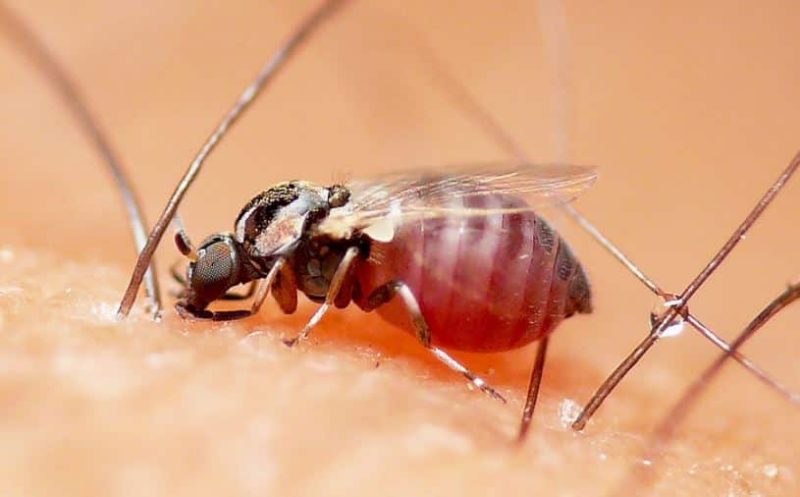
Utah summers bring long, dry days, open landscapes, and a sense of relief after colder months, but they also bring a subtle annoyance that many residents underestimate. Gnats appear almost invisible at first, drifting in small clusters near water, grass, or shaded areas. Their presence is easy to ignore until the itching begins, often hours later, leaving people wondering what caused it. What most Utah residents don’t realize is that gnat bites are tied closely to environmental patterns that repeat every summer.
Unlike more obvious pests like mosquitoes, gnats are small enough to go unnoticed during the moment of contact. Many people assume the irritation comes from dry skin, allergies, or even other insects. In reality, certain species of biting gnats actively feed on skin, leaving behind irritation that develops over time. This delayed reaction makes their impact feel unpredictable.
Understanding gnats in Utah requires looking beyond their size and focusing on how they interact with the landscape. Their behavior is not random, and their presence often signals specific environmental conditions. Once you begin to recognize those patterns, the mystery behind summer bites starts to disappear.
Table of Contents
- 1 Gnats Are Not Just Harmless Flying Insects
- 2 Why Certain Areas in Utah Attract More Gnats
- 3 You Often Don’t Notice the Bite Until Later
- 4 Why the Itch Can Be Persistent
- 5 Seasonal Patterns in Utah Summers
- 6 Why Some People Seem More Affected
- 7 Preventing Gnat Bites in Everyday Life
- 8 Misconceptions About Gnat Bites
- 9 Living With Gnats in Utah Summers
- 10 FAQs About Gnat Bites in Utah
- 11 Final Thoughts
Gnats Are Not Just Harmless Flying Insects
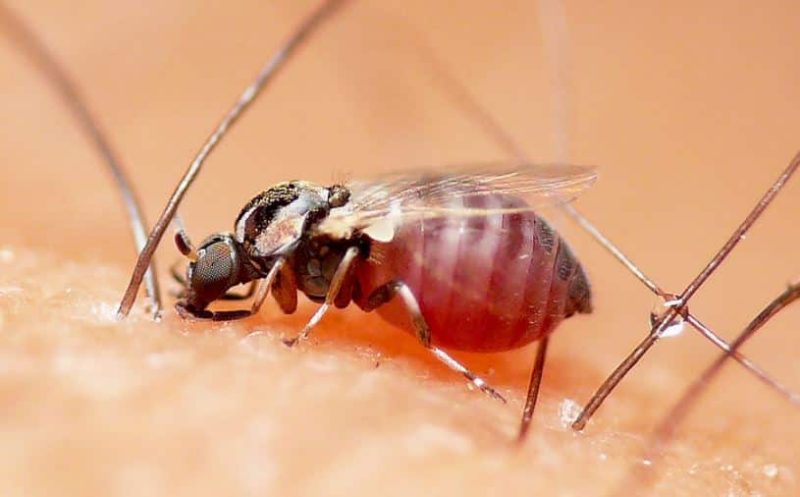
Many people assume that all gnats are harmless, but in Utah, some species are capable of biting. These biting gnats use specialized mouthparts to pierce the skin and feed, often targeting exposed areas. Because of their size, the bite itself is rarely felt immediately. This creates a delay between exposure and symptoms.
The irritation that follows is caused by the body’s reaction to saliva introduced during feeding. This can lead to redness, swelling, and persistent itching. In some cases, the reaction may be stronger depending on individual sensitivity. What feels like a sudden outbreak of bites is often the result of multiple unnoticed encounters.
Not all gnats bite, which adds to the confusion. Swarms may include both biting and non-biting species, making it difficult to identify the source of irritation. This mix contributes to the perception that bites happen randomly, even when they follow predictable patterns.
Why Certain Areas in Utah Attract More Gnats
Gnat activity in Utah is strongly influenced by moisture, even in a state known for its dry climate. Areas near irrigation, rivers, ponds, or shaded lawns can create ideal breeding conditions. These pockets of moisture allow gnats to reproduce and gather in higher numbers.
Residential yards can unintentionally support these conditions. Overwatering lawns, standing water, or dense vegetation can create microhabitats where gnats thrive. Even small amounts of moisture can make a difference, especially during hot summer months. These localized environments explain why some areas have more activity than others.
Natural landscapes also play a role. Wetlands, stream edges, and agricultural zones often support larger populations. When these areas are close to residential spaces, gnats can easily move between them. This overlap creates a consistent presence that may feel sudden but is actually ongoing.
You Often Don’t Notice the Bite Until Later
One of the most frustrating aspects of gnat bites is the delay in symptoms. Unlike mosquitoes, which often cause immediate irritation, gnat bites can take time to become noticeable. This delay makes it difficult to connect the bite to a specific moment or location.
In Utah, this often happens during routine outdoor activities. Gardening, walking, or sitting outside can expose skin to gnats without any immediate sensation. By the time itching begins, the person may no longer be in the same environment. This disconnect adds to the sense of unpredictability.
The delay is caused by the body’s immune response rather than the bite itself. As the body reacts to the saliva, inflammation develops, leading to itching and redness. Understanding this process helps explain why bites seem to appear out of nowhere.
Why the Itch Can Be Persistent
Gnat bites are often described as intensely itchy, sometimes more so than mosquito bites. This is due to the way the body reacts to the substances introduced during feeding. The immune response can create prolonged irritation that lasts for several days.
Scratching can make the situation worse, increasing inflammation and potentially leading to secondary irritation. The more the area is disturbed, the longer it may take to heal. Managing the urge to scratch becomes an important part of dealing with bites.
The location of bites also affects how they feel. Gnats tend to target exposed areas such as arms, legs, and the neck. These areas are more sensitive and frequently in motion, which can amplify the sensation. This combination makes gnat bites particularly noticeable.
Seasonal Patterns in Utah Summers
Gnat activity in Utah follows seasonal trends tied to temperature and moisture. Late spring and summer are peak periods, when conditions support rapid reproduction. Warm temperatures accelerate their life cycle, increasing their numbers quickly.
During especially hot and dry periods, activity may decrease in exposed areas but remain high near water sources. This creates concentrated zones where gnats are more active. Understanding these patterns can help identify when and where exposure is most likely.
Even within a single day, activity can vary. Early morning and evening are often peak times, when temperatures are lower and humidity slightly higher. These subtle shifts influence when gnats are most noticeable.
Why Some People Seem More Affected
Not everyone reacts to gnat bites in the same way. Some individuals experience mild irritation, while others develop more noticeable symptoms. This variation is due to differences in immune response and skin sensitivity.
In Utah, this can lead to confusion when one person feels heavily affected while another notices very little. It may seem like certain individuals are being targeted more, but the difference is often in how the body reacts. This perception can make bites feel more personal or selective.
Repeated exposure can also influence sensitivity. Over time, the body may react more strongly or, in some cases, become less responsive. This variability adds another layer to understanding gnat bites.
Preventing Gnat Bites in Everyday Life
Preventing gnat bites in Utah is less about avoiding the outdoors and more about understanding where and when they are active. Reducing exposure to high-risk areas, especially those with moisture and shade, can make a significant difference. Simple awareness of surroundings is often enough.
Clothing can also help reduce bites. Covering exposed skin, particularly during peak activity times, creates a physical barrier. Lightweight fabrics can provide protection without adding discomfort in hot weather. These small adjustments are often effective.
Managing yard conditions is another important step. Reducing standing water, adjusting irrigation, and trimming dense vegetation can make an area less attractive to gnats. These changes alter the environment in ways that limit their presence.
Misconceptions About Gnat Bites
Gnat bites are often misunderstood, leading to ineffective responses. Some people believe the irritation comes from dry air or plant contact, delaying proper identification. Others assume all gnats are harmless, overlooking the presence of biting species.
There is also confusion about treatment. Since the bites are not always noticed immediately, people may focus on the wrong cause. Understanding that the reaction is delayed helps guide appropriate care.
Recognizing these misconceptions allows for better management. What once seemed random becomes something that can be anticipated and addressed more effectively.
Living With Gnats in Utah Summers
Gnats are a natural part of Utah’s ecosystems, even if they are rarely appreciated. Their presence reflects environmental conditions rather than a problem that can be completely eliminated. They are part of the balance that exists in both natural and residential areas.
For residents, this means focusing on coexistence rather than eradication. Adjusting habits, maintaining yards, and understanding patterns can significantly reduce discomfort. These steps align with normal outdoor living rather than requiring major changes.
At the same time, awareness reduces frustration. When you understand why gnats appear and how they behave, their impact becomes more manageable. This knowledge turns an unpredictable nuisance into something that can be controlled.
FAQs About Gnat Bites in Utah
Do all gnats bite?
No, not all gnats bite. Only certain species feed on skin. Others are harmless and do not cause irritation. This mix can make it hard to identify the source.
Why don’t I feel the bite immediately?
Gnat bites often go unnoticed at first because they are very small. The reaction develops later as the body responds. This delay creates confusion. It is a normal part of the process.
Where are gnats most common?
They are most common near moisture, such as water sources and irrigated areas. Shaded and vegetated spaces also attract them. These environments support their life cycle. Location matters more than general climate.
Are gnat bites dangerous?
Gnat bites are usually not dangerous. They cause irritation but rarely lead to serious issues. The main concern is discomfort. Proper care can reduce symptoms.
Why do bites itch so much?
The itching comes from the body’s immune response. Substances in the saliva trigger inflammation. This reaction can last for several days. Sensitivity varies between individuals.
Can I prevent gnats in my yard?
Reducing moisture and managing vegetation can help. Eliminating standing water is important. These steps make the area less suitable. Prevention focuses on environment control.
Why do gnats seem worse at certain times?
Their activity increases during warm, humid conditions. Early morning and evening are common peak times. Seasonal patterns also play a role. Timing influences exposure.
What should I do after a bite?
Clean the area and avoid scratching. Use soothing treatments if needed. Monitor for unusual reactions. Most bites resolve on their own.
Final Thoughts
Gnat bites in Utah are easy to overlook because of how small and quiet these insects are. Their impact is not immediate, and their presence often blends into the background of summer life. This makes them one of the most misunderstood seasonal nuisances.
By understanding how gnats behave and what conditions attract them, residents can reduce exposure without giving up time outdoors. Small changes in awareness and routine can make a noticeable difference. The goal is not avoidance but smarter interaction with the environment.
Ultimately, gnats are part of the same natural systems that shape Utah’s landscapes. Recognizing their role and patterns allows for a more balanced perspective. What once felt unpredictable becomes something that can be anticipated and managed with confidence.