
Illinois stretches across a landscape where summer settles in thick and humid, where tall grasses grow dense along field edges, and where shaded woods hold moisture long after rain has passed. It is the kind of environment that invites people outside. Backyards become gathering spaces, trails fill with hikers, and quiet corners of nature feel close and accessible. But hidden within that same environment is something almost invisible, something so small it escapes notice until it is too late.
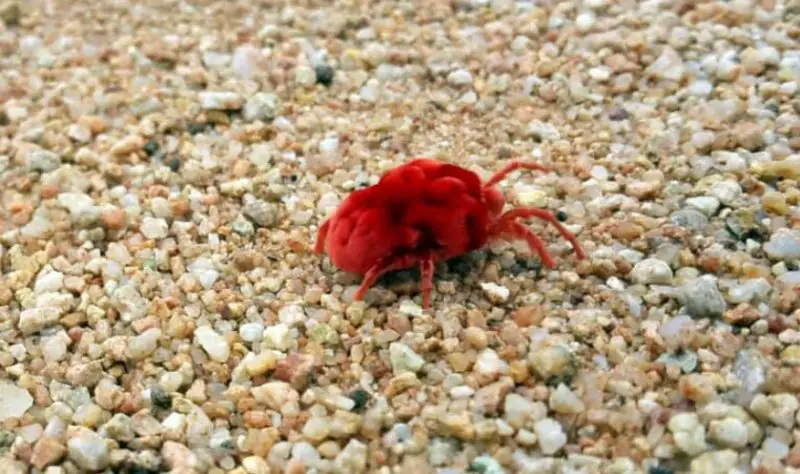
Chiggers are not insects most people ever see. They are not like mosquitoes buzzing in the air or ticks crawling across skin. They exist at a scale that blends into the environment, waiting in grass, leaf litter, and low vegetation. And when contact happens, it is rarely noticed in the moment. Hours later, sometimes even the next day, the itching begins. Intense, persistent, and difficult to ignore.
What most Illinois residents don’t realize is that chigger bites are not random irritations. They are the result of very specific environmental conditions, behavioral patterns, and microscopic interactions with the skin. Once you understand how they operate, it becomes clear why certain areas, certain times of year, and even certain parts of the body are consistently affected.
Table of Contents
- 1 Chiggers Are Not Biting in the Way Most People Think
- 2 Illinois Provides Ideal Conditions for Chiggers
- 3 You Usually Don’t Feel the Bite Happening
- 4 Certain Areas of the Body Are More Vulnerable
- 5 The Itching Is a Delayed Reaction
- 6 Chiggers Are Most Active During Specific Times
- 7 They Do Not Burrow Under the Skin
- 8 Outdoor Habits Increase Exposure Without You Realizing
- 9 Pets Can Carry Them Into the Home
- 10 Prevention Is About Awareness More Than Avoidance
- 11 FAQs About Chigger Bites in Illinois
- 11.1 What exactly causes the intense itching from chigger bites?
- 11.2 How long do chigger bites last?
- 11.3 Can chigger bites spread across the body?
- 11.4 Are chiggers dangerous or do they transmit diseases?
- 11.5 Why do bites often appear in clusters?
- 11.6 Can showering after being outdoors prevent bites?
- 11.7 Do home remedies actually work?
- 11.8 Why do some people react more strongly than others?
- 12 Final Thoughts
Chiggers Are Not Biting in the Way Most People Think
One of the biggest misunderstandings about chiggers is how they feed. The common assumption is that they bite like mosquitoes, piercing the skin and drawing blood. But that is not what happens.
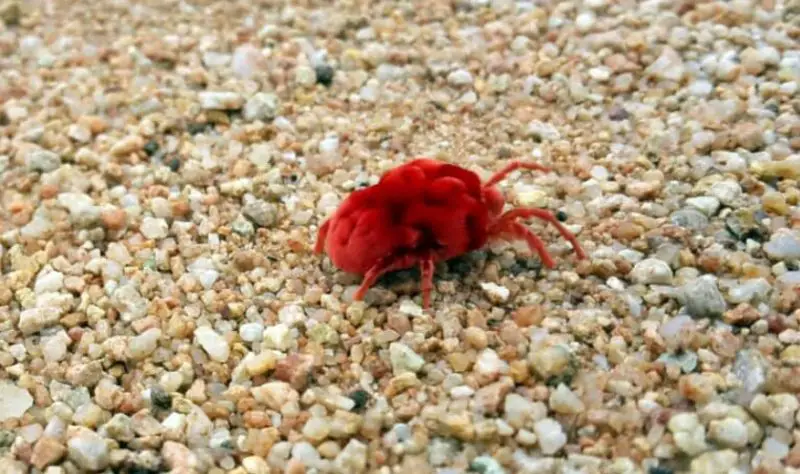
Chiggers, which are the larval stage of mites, attach to the skin and inject digestive enzymes. These enzymes break down skin cells, creating a liquid that the chigger can consume. It is not a bite in the traditional sense. It is a process of external digestion.
The itching that follows is not caused by the chigger itself remaining on the body. In most cases, the chigger has already detached long before symptoms appear. What remains is the skin’s reaction to the enzymes, forming a hardened, itchy welt.
This is why scratching does not remove the problem. By the time itching begins, the chigger is usually gone. The irritation is already established beneath the surface.
Illinois Provides Ideal Conditions for Chiggers
Chiggers thrive in warm, humid environments with plenty of vegetation. Illinois, particularly during late spring through early fall, offers exactly these conditions.
Moist soil, tall grass, weeds, and forest edges create microhabitats where chiggers can survive and reproduce. Areas that remain undisturbed, such as overgrown yards or natural trails, often support higher populations.
Even suburban spaces can become suitable environments. Lawns that are not regularly maintained, gardens with dense growth, and shaded areas with retained moisture can all harbor chiggers.
What makes Illinois especially conducive is the combination of seasonal humidity and vegetation density. These factors allow chigger populations to remain active for extended periods, increasing the likelihood of human contact.
You Usually Don’t Feel the Bite Happening
Unlike mosquito bites, which are often noticed immediately, chigger contact goes undetected. The larvae are extremely small, often requiring magnification to see clearly.
When they attach to the skin, there is no immediate pain or sensation. This allows them to remain in place long enough to begin feeding without interruption.
Because of this, people often do not associate their outdoor activity with the bites. They may spend hours outside without noticing anything unusual, only to experience intense itching later.
This delay creates confusion. It becomes difficult to pinpoint where exposure occurred, leading to the impression that bites happen randomly.
In reality, the contact point is usually very specific. It just goes unnoticed at the time.
Certain Areas of the Body Are More Vulnerable
Chigger bites tend to appear in predictable locations. These are typically areas where clothing fits tightly or where skin is thin and accessible.
Common sites include ankles, behind the knees, around the waistline, and under tight clothing such as socks or belts. These areas provide ideal conditions for chiggers to attach and remain undisturbed.
The pressure from clothing can actually help chiggers stay in place, making these spots more likely to develop bites. Additionally, thinner skin allows the enzymes to work more effectively.
In Illinois summers, where lightweight clothing is common, exposure can increase. Shorts, sandals, and short sleeves leave more skin accessible, especially in grassy or wooded areas.
Understanding these patterns helps explain why bites often appear in clusters rather than randomly across the body.
The Itching Is a Delayed Reaction
One of the most frustrating aspects of chigger bites is the timing of the itch. Symptoms usually begin several hours after exposure, sometimes even a full day later.
This delay is due to the body’s immune response. The enzymes injected by the chigger trigger irritation, but it takes time for the reaction to fully develop.
When it does, the itching can be intense. It often peaks within the first 24 to 48 hours and can persist for several days.
Scratching can worsen the irritation, leading to increased inflammation and a higher risk of secondary infection. The urge to scratch, however, is difficult to resist due to the intensity of the itch.
This delayed and prolonged reaction is what makes chigger bites feel more severe than their initial contact would suggest.
Chiggers Are Most Active During Specific Times
In Illinois, chigger activity follows a seasonal pattern. They are most active during warmer months, particularly from late spring through early fall.
Peak activity often occurs in midsummer, when temperatures and humidity levels are highest. During this time, populations can increase significantly, especially in favorable habitats.
Time of day also plays a role. Chiggers are more active during warmer parts of the day, when conditions support movement and feeding.
This means that midday and early afternoon outdoor activities can carry a higher risk of exposure, especially in areas with dense vegetation.
Recognizing these patterns helps reduce the likelihood of unexpected contact.
They Do Not Burrow Under the Skin
A persistent myth about chiggers is that they burrow into the skin and remain there. This is not accurate.
Chiggers attach to the surface and feed externally. They do not tunnel beneath the skin or stay embedded long-term.
The confusion comes from the appearance of the bite. The hardened welt can resemble something lodged beneath the surface, leading to the assumption that the chigger is still present.
In reality, the irritation is a reaction to the feeding process, not the presence of the mite itself.
Understanding this helps avoid unnecessary attempts to remove something that is no longer there.
Outdoor Habits Increase Exposure Without You Realizing
Many common outdoor activities in Illinois create conditions for chigger exposure. Sitting on grass, walking through fields, gardening, and even playing in a backyard can bring skin into contact with chigger habitats.
Because the larvae wait on vegetation, they attach when something brushes against them. This means that even brief contact can be enough.
Activities that involve prolonged contact with the ground or low plants increase the likelihood of multiple bites. Children and pets are particularly susceptible due to their closer interaction with these environments.
The risk is not limited to remote areas. Even well-maintained spaces can occasionally support chigger populations if conditions are right.
This widespread potential for exposure is why chigger bites can seem unpredictable.
Pets Can Carry Them Into the Home
While chiggers prefer to feed on small animals, they can attach to pets that move through infested areas. Dogs and cats that spend time outdoors may carry larvae on their fur.
These chiggers can then transfer to humans indirectly, especially if pets are handled shortly after coming inside.
Although chiggers do not typically remain on pets long-term, this brief transfer window can be enough to create exposure.
In Illinois homes where pets frequently move between outdoor and indoor spaces, this becomes an overlooked pathway.
Regular grooming and awareness of pet activity can help reduce this risk.
Prevention Is About Awareness More Than Avoidance
Avoiding chiggers entirely is difficult, especially in environments where they are naturally present. However, understanding where and when they are most active allows for more effective prevention.
Simple adjustments can make a difference. Staying on clear paths, avoiding dense vegetation, and minimizing direct contact with grass can reduce exposure.
Clothing choices also matter. Covering vulnerable areas and using barriers between skin and environment can limit attachment points.
Timing outdoor activities to avoid peak conditions can further reduce risk.
Prevention is not about eliminating outdoor experiences. It is about recognizing patterns and making informed choices.
FAQs About Chigger Bites in Illinois
What exactly causes the intense itching from chigger bites?
The itching is caused by the body’s reaction to digestive enzymes injected by the chigger. These enzymes break down skin cells, triggering irritation and inflammation that leads to persistent itching.
How long do chigger bites last?
Chigger bites typically last several days, with itching peaking within the first two days. In some cases, irritation can persist for up to a week or longer depending on individual sensitivity.
Can chigger bites spread across the body?
Chigger bites do not spread. However, multiple bites can appear in different areas if exposure occurred across various parts of the body. Scratching does not cause new bites but can worsen existing ones.
Are chiggers dangerous or do they transmit diseases?
Chiggers in Illinois are not known to transmit diseases to humans. Their impact is primarily limited to skin irritation and discomfort.
Why do bites often appear in clusters?
Clusters occur because multiple chiggers may attach in the same area, especially where clothing creates pressure points. These conditions make it easier for them to remain in place and feed.
Can showering after being outdoors prevent bites?
Showering soon after outdoor activity can help remove chiggers before they attach firmly. While it may not prevent all bites, it can reduce the number significantly.
Do home remedies actually work?
Some remedies may provide temporary relief from itching, but they do not remove the underlying reaction. Managing symptoms and avoiding scratching are the most effective approaches.
Why do some people react more strongly than others?
Individual immune responses vary. Some people experience intense itching and larger welts, while others have milder reactions. This difference is due to how the body responds to the enzymes.
Final Thoughts
Chigger bites in Illinois are not random, and they are not as simple as they appear. They are the result of a precise interaction between environment, behavior, and biology that often goes unnoticed until the effects are already in motion.
These tiny organisms operate quietly, taking advantage of conditions that feel entirely normal to human experience. A walk through grass, a moment spent sitting outdoors, a routine afternoon in the yard. Nothing unusual. And yet, beneath that ordinary surface, something else is happening.
Once you understand how chiggers function, the experience begins to make sense. The timing, the location, the intensity. It all connects back to patterns that repeat across seasons and landscapes.
They are easy to overlook. Almost impossible to see. But very much a part of the environment. And in Illinois, they are closer, and more consistent, than most people ever realize.