
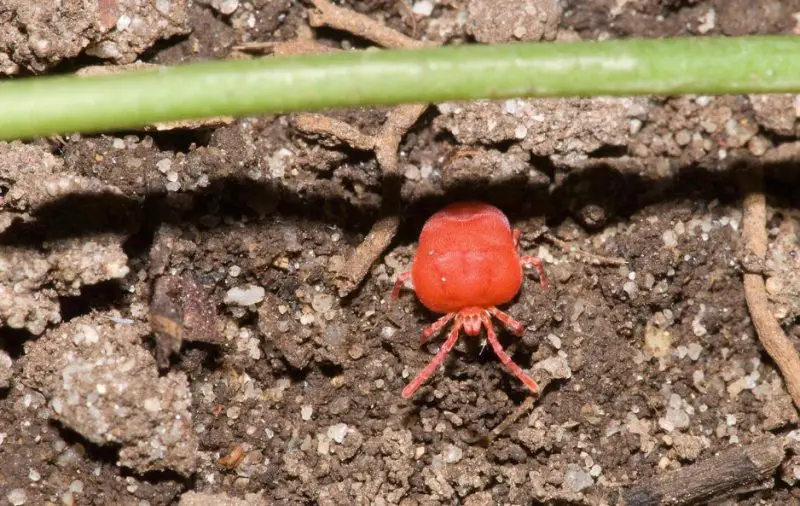
Chigger bites are one of those things people in Oklahoma think they understand. You step into tall grass, you come back itching, and you assume it’s just part of being outdoors. It feels like a small inconvenience, something that fades after a few days and doesn’t require much thought.
But what most Oklahoma residents don’t realize is that chigger bites are not random events that happen without pattern or reason. They are the result of highly specific environmental conditions, seasonal timing, and microscopic behavior that most people never see. The itch is only the surface of a much deeper interaction.
Once you begin to understand how chiggers operate, where they live, and why they target certain areas of the body, the experience changes. What seemed random becomes predictable. What felt unavoidable becomes something you can actually manage.
Table of Contents
- 1 What Chiggers Really Are and Why They Matter in Oklahoma
- 2 Why Oklahoma Creates the Perfect Environment for Chiggers
- 3 The Invisible Encounter That Leads to Intense Itching
- 4 Why Chigger Bites Always Seem to Appear in Clusters
- 5 The Areas of the Body Chiggers Prefer Most
- 6 Why the Itch Feels So Intense and Lasts So Long
- 7 Seasonal Patterns of Chigger Activity in Oklahoma
- 8 Where Chiggers Are Most Likely to Be Found
- 9 The Misconceptions That Make Chigger Bites Worse
- 10 Why Some People React More Than Others
- 11 The Role of Yard Maintenance in Chigger Prevention
- 12 Why You Often Don’t Notice Chiggers Until It’s Too Late
- 13 Living with Chiggers in Oklahoma’s Outdoor Lifestyle
- 14 FAQs About Chigger Bites in Oklahoma
- 14.1 What are chiggers and are they dangerous?
- 14.2 How long do chigger bites last?
- 14.3 Can chiggers stay in your skin?
- 14.4 Why do chigger bites itch so much?
- 14.5 Where are chiggers most commonly found?
- 14.6 Can I get chiggers in my own yard?
- 14.7 How can I reduce chiggers around my home?
- 14.8 Do chiggers bite through clothing?
- 14.9 When are chiggers most active in Oklahoma?
- 14.10 Is scratching chigger bites harmful?
- 15 Final Thoughts
What Chiggers Really Are and Why They Matter in Oklahoma
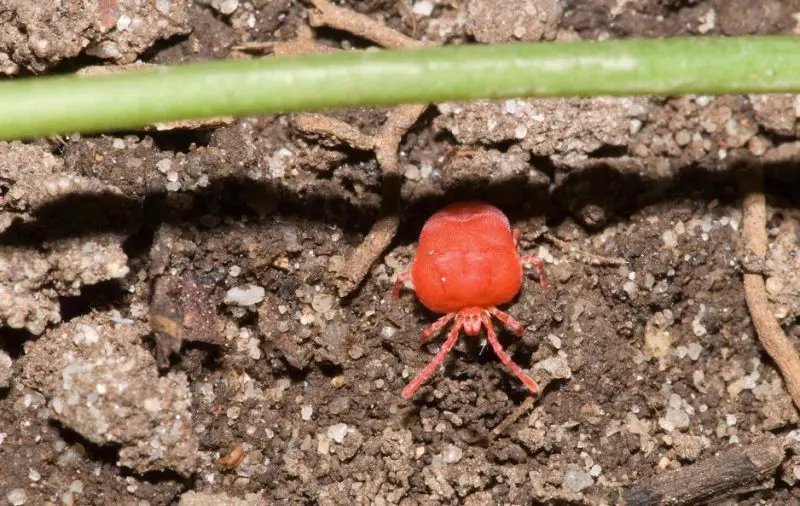
Chiggers are not insects in their biting stage. They are the larval form of mites, nearly invisible to the naked eye, and highly specialized for feeding on skin. In Oklahoma, their populations thrive because of the region’s warm climate, long growing seasons, and abundant vegetation.
Unlike mosquitoes or ticks, chiggers do not burrow into your skin. Instead, they attach to the surface and inject digestive enzymes that break down skin cells. What you feel later as intense itching is your body reacting to this process, not the bite itself.
This distinction matters because it changes how you think about prevention and treatment. The irritation you experience is delayed, often appearing hours after exposure, making it difficult to connect the cause with the environment where it happened.
Why Oklahoma Creates the Perfect Environment for Chiggers
Oklahoma’s landscape is a mix of grasslands, wooded areas, and humid low-lying zones. These environments create ideal habitats for chiggers, especially during late spring through early fall when temperatures remain consistently warm.
Moisture plays a critical role. Areas with thick vegetation, shaded soil, and high humidity allow chigger populations to grow rapidly. Tall grass, overgrown fields, and the edges of wooded areas are especially active zones.
Suburban yards are not immune. Lawns that are not regularly maintained, areas with dense ground cover, and spaces near fences or tree lines can all support chigger activity. This means exposure often happens closer to home than people expect.
The Invisible Encounter That Leads to Intense Itching
Most people never feel the moment a chigger attaches. The larvae are extremely small and move quietly across clothing or skin until they find a suitable feeding site. This process can take minutes, but it goes completely unnoticed.
Once attached, the chigger begins feeding by releasing enzymes into the skin. This creates a hardened feeding tube, allowing it to consume liquefied skin cells. The chigger itself may fall off quickly, often before you even realize it was there.
Hours later, the itching begins. This delay is what makes chigger bites so confusing. The discomfort appears long after you’ve left the environment, disconnecting the cause from the effect in your mind.
Why Chigger Bites Always Seem to Appear in Clusters
Chigger bites rarely appear alone. They often show up in clusters or groups, usually in areas where clothing fits tightly against the skin. This pattern is not случайное. It reflects how chiggers move and feed.
When multiple larvae come into contact with your body, they tend to gather in areas where movement is restricted. Waistbands, sock lines, and areas behind the knees are common targets because they provide warmth and protection.
This clustering effect makes the bites more noticeable and often more uncomfortable. The concentrated irritation can create the impression of a more severe reaction, even though each individual bite follows the same basic process.
The Areas of the Body Chiggers Prefer Most
Chiggers do not choose their feeding sites randomly. They are drawn to specific conditions on the body, including warmth, moisture, and areas where skin is thinner or more accessible.
Common bite locations include ankles, waistlines, behind the knees, and around the groin area. These spots provide the ideal combination of temperature and limited airflow, making them attractive to chiggers.
Understanding these preferences helps explain why bites often appear in predictable places. It also highlights the importance of protective clothing and awareness when entering high-risk environments.
Why the Itch Feels So Intense and Lasts So Long
The itching caused by chigger bites is not just a minor irritation. It can be intense, persistent, and difficult to ignore. This reaction is driven by your immune system responding to the enzymes introduced during feeding.
The body treats these enzymes as foreign substances, triggering inflammation and histamine release. This creates the familiar itching sensation, which can last for several days or even longer in sensitive individuals.
Scratching can make the situation worse. It damages the skin further, increasing irritation and the risk of infection. The cycle of itching and scratching is what makes chigger bites particularly frustrating.
Seasonal Patterns of Chigger Activity in Oklahoma
Chigger activity in Oklahoma follows a clear seasonal pattern. They are most active from late spring through early fall, with peak populations typically occurring during the warmest and most humid months.
Early summer often brings a noticeable increase in bites as vegetation grows and moisture levels rise. By mid to late summer, chigger populations can reach their highest levels, especially in areas with dense plant cover.
As temperatures begin to drop in fall, activity decreases. However, chiggers can remain active as long as conditions stay warm enough, meaning exposure is still possible well into the season.
Where Chiggers Are Most Likely to Be Found
Chiggers are not evenly distributed across the landscape. They tend to concentrate in specific areas where conditions are ideal for survival. Understanding these locations can help reduce exposure.
Tall grass and weedy fields are among the most common habitats. These areas provide both shade and moisture, creating a stable environment for chiggers to thrive. Edges of forests and transitional zones between open and wooded areas are also highly active.
Even within a single yard, chigger presence can vary. One section may be heavily populated while another remains relatively clear. This uneven distribution makes it difficult to predict exposure without careful observation.
The Misconceptions That Make Chigger Bites Worse
Many common beliefs about chiggers are incorrect, and these misconceptions can make the experience worse. One of the most persistent myths is that chiggers burrow into the skin and must be removed.
In reality, chiggers do not remain embedded. By the time itching begins, they are usually already gone. Attempting to remove them after the fact does nothing to reduce the reaction.
Another misconception is that scratching provides relief. While it may feel satisfying in the moment, it often increases irritation and prolongs healing. Understanding what is actually happening beneath the surface changes how you respond.
Why Some People React More Than Others
Not everyone experiences chigger bites in the same way. Some people develop intense itching and visible welts, while others have milder reactions that fade quickly.
This variation is largely due to differences in immune response. Individuals who are more sensitive to the enzymes released by chiggers will experience stronger reactions. Previous exposure can also influence how the body responds.
Environmental factors play a role as well. The number of chiggers encountered, the duration of exposure, and the specific conditions of the habitat all contribute to the severity of the reaction.
The Role of Yard Maintenance in Chigger Prevention
One of the most effective ways to reduce chigger exposure is through yard maintenance. Keeping grass trimmed and removing excess vegetation reduces the environments where chiggers can thrive.
Clearing brush, managing leaf litter, and improving airflow in shaded areas can significantly lower moisture levels. This makes the habitat less suitable for chigger populations.
Regular maintenance does not eliminate chiggers entirely, but it reduces their numbers and limits the areas where they can establish themselves. This creates a safer environment for outdoor activity.
Why You Often Don’t Notice Chiggers Until It’s Too Late
The delayed reaction to chigger bites is one of the most challenging aspects of dealing with them. Because symptoms appear hours after exposure, it is difficult to identify when and where the encounter occurred.
This delay can lead to repeated exposure. You may return to the same area without realizing it is the source of the problem, increasing the likelihood of additional bites.
Becoming aware of patterns is key. Noticing when itching begins and connecting it to recent activities can help identify high-risk environments and reduce future encounters.
Living with Chiggers in Oklahoma’s Outdoor Lifestyle
Outdoor activity is a major part of life in Oklahoma. From gardening and hiking to simply enjoying time in the yard, people spend a significant amount of time in environments where chiggers are present.
This means that complete avoidance is not realistic. Instead, the goal is to understand the risks and take steps to minimize exposure while still enjoying outdoor spaces.
Recognizing that chiggers are part of the ecosystem allows you to approach the issue with awareness rather than frustration. It becomes a matter of management rather than elimination.
FAQs About Chigger Bites in Oklahoma
What are chiggers and are they dangerous?
Chiggers are the larval stage of mites. They are not dangerous in terms of transmitting disease, but their bites can cause intense itching and discomfort.
How long do chigger bites last?
Chigger bites typically last several days, but itching can persist for up to a week or more depending on individual sensitivity and scratching.
Can chiggers stay in your skin?
No, chiggers do not remain in the skin. They attach briefly to feed and are usually gone before symptoms appear.
Why do chigger bites itch so much?
The itching is caused by your body’s immune response to the enzymes released by the chigger during feeding.
Where are chiggers most commonly found?
Chiggers are commonly found in tall grass, weedy areas, and moist environments with dense vegetation.
Can I get chiggers in my own yard?
Yes, chiggers can live in residential yards, especially if there are areas with tall grass, shade, and moisture.
How can I reduce chiggers around my home?
Maintaining your yard by trimming grass, removing brush, and reducing moisture can help limit chigger populations.
Do chiggers bite through clothing?
Chiggers do not bite through clothing, but they can crawl underneath it and attach to the skin.
When are chiggers most active in Oklahoma?
Chiggers are most active from late spring through early fall, with peak activity during warm and humid conditions.
Is scratching chigger bites harmful?
Scratching can increase irritation and lead to infection, so it is best to avoid it as much as possible.
Final Thoughts
Chigger bites in Oklahoma are more than just an occasional annoyance. They are the result of a complex interaction between environment, behavior, and biology that most people never fully consider. The itching you feel is only one part of a much larger story.
By understanding how chiggers live, where they thrive, and why they target certain areas, you gain the ability to predict and reduce exposure. What once felt random becomes something you can recognize and manage.
In the end, living with chiggers is part of engaging with the natural world around you. The more you understand it, the less disruptive it becomes.