
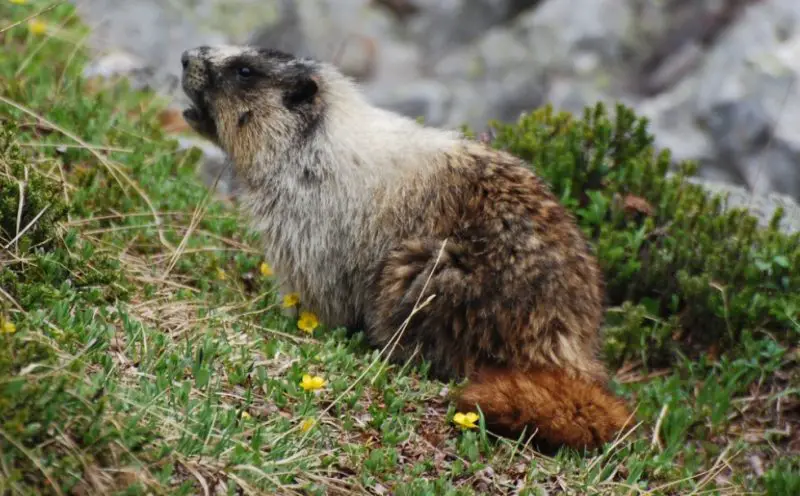
Marmots in Montana are often seen as quiet, ground-dwelling animals that appear briefly and then vanish into the landscape. Many residents notice them only in passing, perhaps spotting one standing upright near a rock pile or disappearing into a burrow at the edge of a yard. This creates the impression of a simple, predictable animal living just beneath the surface of daily life. But beneath that impression lies a far more structured and deliberate existence shaped by memory, social awareness, and constant environmental adjustment.
What seems like occasional activity is actually part of a highly organized system. Marmots do not move through yards without purpose. Every emergence from a burrow, every pause in the open, every retreat underground reflects a decision tied to safety, food, and long-term survival. In Montana, where landscapes range from open grasslands to mountainous terrain, marmots have adapted in ways that allow them to use human-altered spaces as extensions of their natural habitat.
Once you begin to observe them closely, marmots stop feeling like background wildlife. They become visible as strategic, responsive animals whose lives are far more complex than most people realize.
Table of Contents
- 1 Marmots Choose Yards That Mirror Natural Terrain
- 2 Burrow Systems Extend Beyond What You See
- 3 Why Marmots Stand Upright and Stay Still
- 4 Feeding Patterns That Follow a Clear Structure
- 5 Social Structure That Stays Mostly Hidden
- 6 Seasonal Behavior Changes Their Visibility
- 7 Hibernation Is More Complex Than It Appears
- 8 Why Marmots Seem to Disappear Suddenly
- 9 Interaction With Human Environments
- 10 The Role of Predators in Shaping Behavior
- 11 Why Marmots Return to the Same Yard
- 12 FAQs About Marmots in Montana Yards
- 12.1 Why do marmots live in my yard?
- 12.2 Are marmots dangerous?
- 12.3 What do marmots eat?
- 12.4 Why do marmots stand upright?
- 12.5 Do marmots live alone?
- 12.6 Why do marmots disappear in winter?
- 12.7 Can marmots damage property?
- 12.8 How do marmots communicate?
- 12.9 Are marmots active all day?
- 12.10 Do marmots return every year?
- 13 Final Thoughts
Marmots Choose Yards That Mirror Natural Terrain
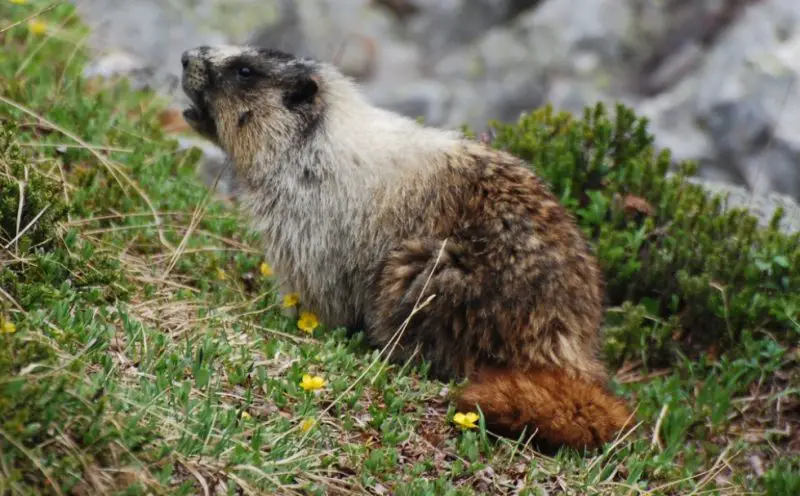
Marmots are highly selective about where they live. In Montana, their preferred environments include rocky slopes, open meadows, and areas with loose soil suitable for burrowing. Many residential yards, especially those near natural landscapes, unintentionally recreate these conditions.
Rock gardens, retaining walls, and sloped lawns can all provide the structure marmots seek. These features offer both shelter and visibility. Marmots need to see potential threats from a distance while also having immediate access to escape routes. A yard that combines open ground with nearby cover becomes an ideal location.
This is why marmots often appear in the same yards repeatedly. They are not simply exploring. They are selecting spaces that meet specific criteria and incorporating them into their territory.
Over time, these areas become part of a larger network of movement that connects multiple feeding and shelter sites.
Burrow Systems Extend Beyond What You See
One of the most important aspects of marmot behavior is their burrow system. What appears to be a single hole in the ground is often part of a much larger underground network.
Marmot burrows can include multiple entrances, tunnels, and chambers used for different purposes. Some areas are used for nesting, others for food storage, and others as emergency escape routes. These systems are carefully constructed and maintained over time.
In residential areas, burrows may extend beneath lawns, gardens, or even structures. This can create the impression that marmots appear and disappear suddenly. In reality, they are moving through a hidden network that allows them to surface in different locations without being seen traveling above ground.
This underground complexity is central to their survival. It provides protection from predators and harsh weather while supporting their daily routines.
Why Marmots Stand Upright and Stay Still
One of the most recognizable behaviors of marmots is their tendency to stand upright and remain still for extended periods. To many observers, this may seem like curiosity or even playfulness.
In reality, it is a critical survival behavior.
When upright, marmots are scanning their surroundings. They are assessing movement, listening for sounds, and evaluating potential threats. This posture provides a better vantage point, allowing them to detect danger early.
Stillness is part of this process. Movement can attract attention, while remaining motionless helps them blend into the environment. These pauses are moments of intense awareness rather than inactivity.
This behavior is repeated frequently throughout the day, especially when marmots are above ground.
Feeding Patterns That Follow a Clear Structure
Marmots are herbivores, feeding primarily on grasses, leaves, and other plant material. In Montana yards, this can include garden plants, ornamental vegetation, and natural ground cover.
Their feeding is not scattered or careless. Marmots often follow established paths between their burrows and feeding areas. These routes become worn over time, creating visible trails in some cases.
They tend to feed during specific periods, often in the early morning and late afternoon when conditions are more favorable. Midday activity may decrease, especially during hot weather, as marmots conserve energy and reduce exposure.
This structured approach to feeding allows them to balance energy intake with safety, minimizing risk while maintaining their nutritional needs.
Social Structure That Stays Mostly Hidden
Marmots are not solitary animals, even if they are often seen alone. They live in social groups that share territory and burrow systems.
These groups include multiple individuals that communicate and coordinate their behavior. While one marmot feeds, another may remain alert, acting as a lookout. This division of roles increases overall safety.
Communication occurs through vocalizations, body language, and scent marking. Warning calls can alert others to danger, triggering rapid retreats into burrows.
In residential areas, this social structure may be difficult to observe directly. However, the presence of multiple burrow entrances or repeated sightings in the same area often indicates a group rather than a single individual.
Seasonal Behavior Changes Their Visibility
Marmots in Montana undergo significant seasonal changes that affect how often they are seen.
In spring, they emerge from hibernation and begin feeding heavily to rebuild energy reserves. This period often brings increased visibility as they spend more time above ground.
Summer continues this pattern, with regular feeding and social interaction. This is also when young marmots begin to appear, adding to overall activity.
As fall approaches, marmots focus on preparing for hibernation. Feeding intensifies as they accumulate fat reserves necessary for survival during winter.
In winter, marmots enter hibernation and remain underground for extended periods. During this time, they are rarely seen, leading to the impression that they have disappeared entirely.
These seasonal shifts are consistent and repeat each year, shaping how marmots interact with their environment.
Hibernation Is More Complex Than It Appears
Hibernation is not simply a long period of sleep. It is a carefully regulated physiological state that allows marmots to survive months without feeding.
During hibernation, their body temperature drops, heart rate slows, and metabolic activity decreases significantly. This conserves energy and extends the use of stored fat.
Marmots prepare extensively for this period. Burrows are reinforced, nesting chambers are lined with insulating materials, and food intake increases in the weeks leading up to hibernation.
This process highlights the importance of their environment. A well-constructed burrow and sufficient food reserves are essential for survival.
Why Marmots Seem to Disappear Suddenly
Many residents notice that marmots can be visible for weeks and then suddenly become difficult to find. This change is often linked to shifts in behavior rather than actual absence.
Increased caution, changes in feeding times, or movement to different parts of their territory can all reduce visibility. Marmots may still be present but less active above ground during times when humans are watching.
Weather changes can also influence activity. Cooler temperatures, strong winds, or increased predator presence may lead to more time spent underground.
These adjustments are part of a continuous process of balancing risk and reward.
Interaction With Human Environments
Marmots in Montana have adapted to human environments in ways that allow them to coexist with minimal direct conflict.
They use structures such as fences, decks, and landscaping features as part of their movement and observation network. These elements can provide both shelter and vantage points.
At the same time, marmots remain cautious. They maintain a safe distance from human activity and rely on their burrow systems for quick escape.
Their presence in yards reflects an evaluation of conditions. If a space provides food, shelter, and manageable risk, it becomes part of their territory.
The Role of Predators in Shaping Behavior
Predators play a significant role in marmot behavior. Animals such as coyotes, foxes, and birds of prey create constant pressure that influences how marmots move and feed.
This pressure reinforces their reliance on vigilance and quick retreat. Every moment above ground carries potential risk, which is why their behavior appears cautious and deliberate.
In residential areas, predator presence may be reduced, but the instinct remains. Marmots continue to follow the same patterns of awareness and response.
Why Marmots Return to the Same Yard
Once a marmot or a group identifies a yard as suitable, it often becomes part of their long-term territory.
This leads to repeated visits across seasons and even across years. The same burrow system may be used by multiple generations, creating continuity in their presence.
For residents, this can create a sense of familiarity. The same patterns of movement and activity reappear, reinforcing the idea that these animals are closely tied to the space.
FAQs About Marmots in Montana Yards
Why do marmots live in my yard?
Your yard likely provides suitable conditions such as food, shelter, and space for burrowing.
Are marmots dangerous?
They are generally not aggressive but may defend themselves if threatened.
What do marmots eat?
They primarily consume grasses, leaves, and other plant material.
Why do marmots stand upright?
This behavior helps them scan for predators and assess their surroundings.
Do marmots live alone?
They live in social groups, even if individuals are often seen alone.
Why do marmots disappear in winter?
They enter hibernation and remain underground for extended periods.
Can marmots damage property?
Their burrowing can affect soil structure and landscaping.
How do marmots communicate?
They use vocalizations, body language, and scent marking.
Are marmots active all day?
They are most active during morning and late afternoon.
Do marmots return every year?
Yes, they often reuse established territories and burrow systems.
Final Thoughts
Marmots in Montana are far more than occasional visitors to residential spaces. They are intelligent, adaptive animals living within a structured system that connects their burrows, feeding areas, and social interactions.
What appears simple becomes more complex with closer observation. Their behavior reflects constant decision-making, shaped by environment, season, and survival needs.
When you begin to notice these patterns, marmots take on a new level of significance. They are no longer just animals passing through. They are part of a living system that operates quietly, just beneath the surface of everyday life.
And once you recognize that system, every sighting becomes something more meaningful.