
South Carolina’s coastline draws millions of visitors every year. From the wide sandy stretches of Myrtle Beach to the quieter barrier islands farther south, the state’s beaches offer warm ocean water, salty breezes, and long summer sunsets that make the shoreline one of the most popular vacation destinations in the Southeast. Most travelers expect sunshine, surf, and the occasional seagull stealing snacks from a beach towel. What many visitors do not expect are the tiny biting insects that can quickly turn a relaxing evening on the coast into an itchy, frustrating experience.
These nearly invisible pests are commonly known as no-see-ums. The name itself hints at the challenge they present. They are so small that people rarely notice them until the itching begins. A beachgoer might spend a peaceful hour walking along the shoreline at dusk, only to discover dozens of small red bites appearing later that evening. The irritation often seems mysterious, especially for visitors unfamiliar with coastal environments.
Despite their size, no-see-ums are among the most persistent biting insects along the South Carolina coast. Their presence is closely tied to the coastal ecosystems that make the region so beautiful. Marshlands, tidal flats, and warm humid air create ideal breeding conditions for these insects, allowing them to thrive throughout much of the warmer months.
Understanding how no-see-ums live, when they are most active, and why they target certain people can help beach visitors avoid uncomfortable encounters. Once travelers know what attracts these insects and how to protect themselves, spending time along South Carolina’s coastline becomes far more enjoyable.
Table of Contents
- 1 What No-See-Ums Actually Are
- 2 Why South Carolina’s Coastline Is Perfect for No-See-Ums
- 3 Why No-See-Ums Are Hard to See
- 4 Why No-See-Um Bites Itch So Much
- 5 When No-See-Ums Are Most Active
- 6 Why Some People Get Bitten More Than Others
- 7 Where No-See-Ums Commonly Bite
- 8 Why Evening Beach Walks Often Lead to Bites
- 9 How Coastal Winds Influence No-See-Um Activity
- 10 How Beach Visitors Can Reduce No-See-Um Bites
- 11 Why No-See-Ums Are Part of the Coastal Ecosystem
- 12 FAQs About No-See-Ums on South Carolina Beaches
- 13 Final Thoughts
What No-See-Ums Actually Are
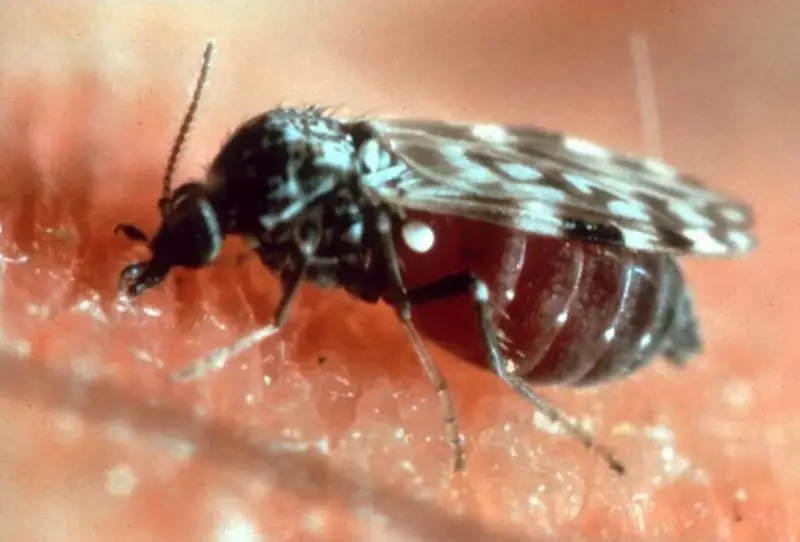
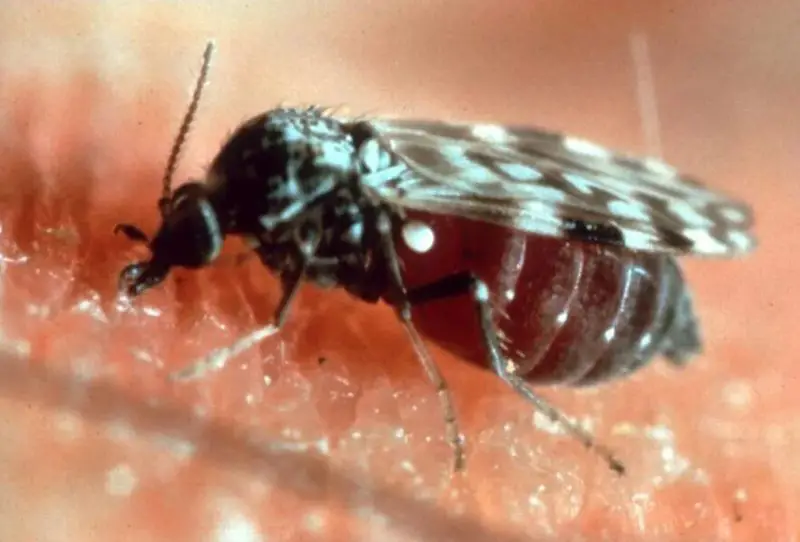
The insects commonly called no-see-ums belong to a group known as biting midges. Scientifically, they are part of the genus Culicoides, which includes thousands of species worldwide. Despite their tiny size, they are highly specialized insects with a complex life cycle and unique feeding behavior.
Most adult no-see-ums measure only about one to three millimeters in length. At that size, they appear as tiny dark specks in the air and are easily overlooked by people who are not actively searching for them. Even when they land on human skin, they are difficult to see without close inspection.
Unlike mosquitoes, which are relatively easy to notice as they fly around, no-see-ums often approach quietly and feed quickly. Many beach visitors never actually see the insect responsible for their bites.
Another important detail many people do not realize is that only female no-see-ums bite. Like many other biting insects, female midges require blood to develop their eggs. Male midges feed primarily on plant nectar and do not bite humans.
Because of this biological difference, the biting activity people experience near beaches is linked directly to the reproductive cycle of female midges.
Why South Carolina’s Coastline Is Perfect for No-See-Ums
South Carolina’s coastal environment provides nearly ideal conditions for biting midges. The state’s barrier islands and tidal marshes create a landscape rich in shallow water, organic material, and warm temperatures.
No-see-um larvae develop in moist environments where decaying plant matter and microorganisms provide food. Salt marshes, mangrove areas, muddy tidal flats, and even damp sand near lagoons can serve as breeding sites.
The coastal marshlands that stretch behind many beaches are especially important. These wetlands support enormous numbers of microscopic organisms, which serve as food for developing midge larvae.
Because the marsh environment constantly receives fresh nutrients from tidal flows, it can support extremely large populations of these insects.
When conditions are right, newly emerged adult midges disperse from marsh areas and drift toward beaches and nearby communities.
This is why visitors staying near coastal marshes often encounter more no-see-ums than those on beaches with strong ocean breezes.
Why No-See-Ums Are Hard to See
The nickname “no-see-um” exists for a reason. These insects are extraordinarily small, and their appearance makes them difficult to detect.
Most species have slender bodies with narrow wings and short legs. Their coloring tends to blend with natural surroundings, making them even harder to notice against skin or clothing.
Even when dozens of midges are flying nearby, they often appear only as faint specks drifting through the air.
Because of this, beach visitors often feel the bite before they ever notice the insect responsible.
The bites themselves may also take time to appear. In some cases, people do not notice the irritation until several hours later, after returning indoors or going to sleep.
This delay can make it difficult to connect the bites with the moment of exposure.
Why No-See-Um Bites Itch So Much
Many beach visitors are surprised by how intensely no-see-um bites can itch. The itching is not simply caused by the insect piercing the skin.
Instead, the reaction comes from the insect’s saliva.
When a female no-see-um bites, she injects saliva containing compounds that prevent blood from clotting. This allows her to feed more efficiently.
The human immune system recognizes these compounds as foreign substances and reacts by releasing histamines.
Histamines cause redness, swelling, and itching in the surrounding skin.
For some individuals, this immune response can be quite strong. Bites may appear as small red welts that itch intensely for several days.
The severity of the reaction often depends on the individual’s sensitivity rather than the number of bites.
When No-See-Ums Are Most Active
One of the most important factors influencing no-see-um encounters is timing.
These insects are most active during the early morning and evening hours. As the sun begins to set and temperatures cool slightly, midges often become far more noticeable.
This period of increased activity is why many beach visitors experience bites during sunset walks along the shoreline.
Wind conditions also play a major role.
No-see-ums are weak fliers and struggle to move against strong breezes. When ocean winds are strong, they are often blown away from open beaches.
However, on calm evenings when the wind dies down, midges can move freely across coastal areas.
In protected locations such as marsh edges, dunes, or areas surrounded by vegetation, they may appear in large numbers.
Why Some People Get Bitten More Than Others
A curious pattern often emerges among groups of beach visitors. Some individuals seem to attract no-see-ums constantly, while others receive very few bites.
Several factors influence this difference.
Body heat is one of the most important cues that biting insects use to locate hosts. Warmer skin temperatures may make some individuals easier for midges to detect.
Carbon dioxide also plays a role. Humans release carbon dioxide when breathing, and insects use this gas as a signal to locate potential hosts.
People who are more physically active or breathing heavily may attract more biting insects.
Skin chemistry also varies from person to person. Certain compounds naturally present on human skin can attract or repel insects.
For reasons that are not fully understood, some people produce scent profiles that midges find especially appealing.
Where No-See-Ums Commonly Bite
Because of their small size, no-see-ums can bite almost anywhere on the body. However, certain areas are more commonly affected.
They often target exposed skin such as ankles, legs, arms, and the neck.
On beaches, bites frequently appear around the lower legs and feet because these areas are closest to the sand where midges may be flying.
Loose clothing can also allow insects to reach skin beneath fabric.
Bites often appear in clusters rather than as isolated marks. This occurs because multiple midges may feed within the same small area.
The resulting pattern of red spots can resemble mosquito bites, though they are often smaller and more numerous.
Why Evening Beach Walks Often Lead to Bites
Sunset walks along the beach are a favorite activity for many visitors. Unfortunately, this time of day coincides with peak activity for biting midges.
As temperatures drop and winds calm in the evening, midges leave their resting places in vegetation and marshes.
They drift toward areas where potential hosts are present.
The fading sunlight also reduces visibility, making it even harder to notice the insects.
Beachgoers strolling along quiet stretches of shoreline may unknowingly walk directly through clouds of midges.
By the time the itching begins hours later, the insects are long gone.
How Coastal Winds Influence No-See-Um Activity
Wind is one of the most effective natural defenses against no-see-ums.
Strong ocean breezes create air currents that prevent midges from flying effectively. On windy days, open beaches may have very few biting insects.
However, sheltered areas tell a different story.
Dunes, vegetation, and buildings can block wind and create calm pockets of air where midges can fly freely.
Visitors relaxing near vegetation or marsh edges often encounter more midges than those sitting closer to the open water where wind is stronger.
Choosing breezy locations along the shoreline can significantly reduce the number of bites.
How Beach Visitors Can Reduce No-See-Um Bites
Avoiding no-see-ums entirely can be difficult in coastal environments, but several strategies can reduce the risk of bites.
Timing is one of the most effective measures. Spending time on the beach during the middle of the day, when sunlight and wind are strongest, usually results in fewer encounters.
Protective clothing can also help. Lightweight long sleeves and pants create a physical barrier that prevents insects from reaching the skin.
Using insect repellents containing DEET or picaridin can provide additional protection.
Staying in areas with strong ocean breezes and avoiding marshy zones during calm evenings also reduces exposure.
Many beachfront accommodations install fine mesh screens on windows and patios to prevent midges from entering indoor spaces.
Why No-See-Ums Are Part of the Coastal Ecosystem
Although they are irritating to humans, no-see-ums play a role in coastal ecosystems.
Their larvae help break down organic material in marsh sediments, contributing to nutrient cycling within wetland environments.
Adult midges also serve as food for many animals.
Fish, birds, bats, and other insects consume biting midges as part of their natural diets.
These interactions form part of the complex food web that supports coastal biodiversity.
The same marsh habitats that produce no-see-ums also support countless other species that define the character of South Carolina’s coastline.
FAQs About No-See-Ums on South Carolina Beaches
Are no-see-ums the same as mosquitoes?
No-see-ums are different from mosquitoes. They belong to a separate group of insects known as biting midges and are significantly smaller.
How long do no-see-um bites last?
Most bites remain itchy for several days. In some cases, irritation may last up to a week depending on the individual’s reaction.
Can no-see-ums bite through clothing?
Because of their small size, some species can bite through thin fabrics. Loose, thicker clothing provides better protection.
Do no-see-ums live directly on beaches?
They usually breed in nearby marshes or damp areas rather than on dry sand. However, adults can travel short distances and appear on beaches.
Are no-see-um bites dangerous?
For most people, bites are simply itchy and uncomfortable. Severe reactions are uncommon but possible in individuals with strong sensitivities.
Final Thoughts
South Carolina’s beaches are among the most beautiful coastal destinations in the southeastern United States, offering warm waters, expansive shorelines, and rich coastal ecosystems. While visitors often focus on the ocean and sunshine, the tiny insects living in nearby marshlands are also part of the natural environment that shapes the coastal experience.
No-see-ums may be small enough to escape notice at first, but their bites can quickly remind beachgoers that coastal ecosystems are alive with activity. Understanding when these insects are most active, why they are drawn to certain locations, and how simple precautions can reduce exposure helps visitors enjoy the shoreline without unnecessary discomfort.
With awareness and preparation, travelers can continue exploring South Carolina’s beaches, watching the sunset over the Atlantic, and appreciating the complex natural world that thrives along the state’s remarkable coastline.