
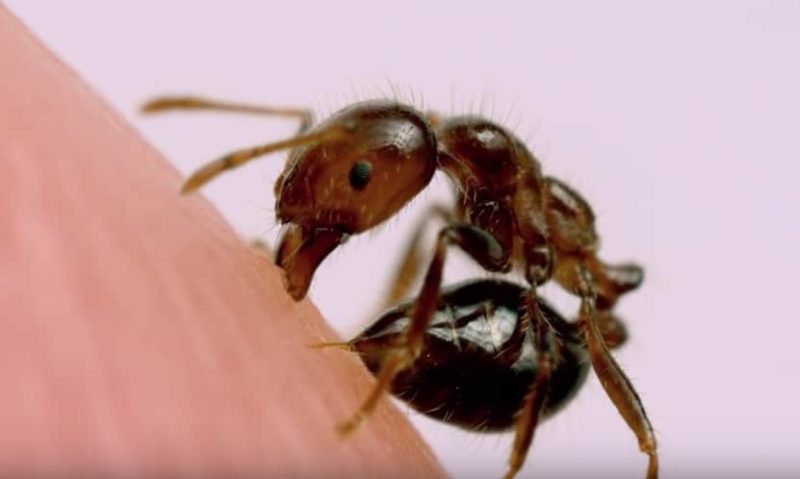
In Mississippi, fire ant stings are not rare, seasonal accidents. They are a routine hazard of daily life. From rural farmland and cattle pastures to suburban lawns, schoolyards, and roadside ditches, fire ants are deeply embedded in the landscape. Most residents encounter them sooner or later. Many are stung repeatedly over the years.
What surprises people is not the sting itself, which is immediately painful, but what comes after. Days later, the skin may still be inflamed. Weeks later, scars remain. Months later, discoloration or hardened tissue can persist. In some cases, the damage never fully fades.
This lingering aftermath raises an important question. Why does fire ant venom cause skin damage that lasts so long, especially in Mississippi?
The answer lies in a combination of venom chemistry, immune response, environmental conditions, and delayed healing factors that are particularly pronounced in the Deep South. Fire ant venom is not just irritating. It is biologically disruptive in ways that make skin injury unusually persistent.
This article explores the science, the regional context, and the human factors behind long-lasting skin damage from fire ant venom in Mississippi.
Table of Contents
- 1 Fire Ants Are Not Like Other Stinging Insects
- 2 The Unique Chemistry of Fire Ant Venom
- 3 Why Pustules Form and Persist
- 4 Mississippi’s Climate Slows Skin Recovery
- 5 Secondary Infection Is a Common Complication
- 6 Repeated Stings Compound the Damage
- 7 Delayed Immune Responses Prolong Inflammation
- 8 Why Some People Scar More Than Others
- 9 The Role of Allergic Sensitivity
- 10 Venom Penetration Into Deeper Skin Layers
- 11 Fire Ant Stings and Nerve Irritation
- 12 Improper Home Treatments Make Damage Worse
- 13 Children Experience Different Healing Patterns
- 14 Occupational Exposure Increases Risk
- 15 Fire Ant Density in Mississippi
- 16 Delayed Medical Care Worsens Outcomes
- 17 The Psychological Impact of Visible Skin Damage
- 18 Why Healing Takes Months, Not Days
- 19 Prevention Is the Most Effective Strategy
- 20 Long-Term Outlook After Severe Skin Damage
- 21 Final Thoughts
Fire Ants Are Not Like Other Stinging Insects
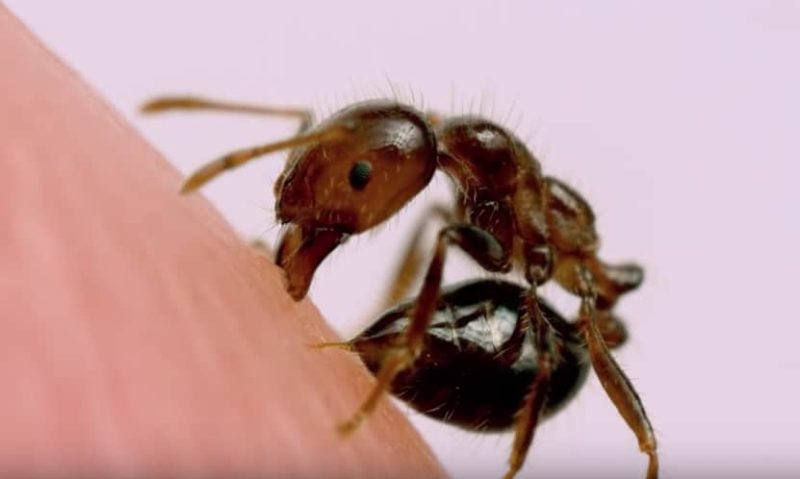
Many people assume fire ant stings are comparable to mosquito bites or wasp stings. In reality, they are fundamentally different.
Fire ants do not sting defensively and retreat. They swarm. When disturbed, dozens or even hundreds of ants grip the skin with their mandibles and sting repeatedly, injecting venom each time. The stings are often clustered tightly together, concentrating venom into a small area of skin.
This delivery method alone increases the likelihood of deeper tissue injury. But the venom itself is the real reason damage lingers.
The Unique Chemistry of Fire Ant Venom
Unlike bee or wasp venom, which is protein-based, fire ant venom is dominated by alkaloids. Over 95 percent of the venom consists of piperidine alkaloids, powerful lipid-soluble compounds designed to incapacitate enemies.
These alkaloids penetrate skin cells easily. They dissolve cell membranes, disrupt normal cellular metabolism, and trigger localized cell death. This is why fire ant stings produce sterile pustules rather than simple welts.
The venom essentially kills skin cells at the injection site. The body must then clear dead tissue before healing can even begin.
This cellular destruction is the foundation of long-term skin damage.
Why Pustules Form and Persist
Within 24 hours of a fire ant sting, a small white pustule typically forms. Many people mistakenly believe this pustule is an infection. It is not.
The pustule is filled with dead immune cells responding to venom-induced tissue damage. Because the venom destroys skin cells directly, the immune system floods the area to contain the injury.
The problem is that this response is slow to resolve. The body treats each sting as a micro-burn, not a simple bite. Healing requires tissue regeneration, not just inflammation reduction.
When multiple pustules form close together, they can merge into larger areas of damaged skin, increasing the risk of scarring.
Mississippi’s Climate Slows Skin Recovery
Mississippi’s warm, humid climate plays a major role in prolonged skin damage.
High humidity keeps skin moist, which may sound beneficial, but it also softens the skin barrier. Softened skin is more vulnerable to secondary irritation, friction, and breakdown during healing.
Heat increases blood flow to the skin, intensifying inflammation. This can prolong redness, swelling, and itching long after venom exposure.
Sweating further complicates healing. Sweat contains salts and bacteria that can irritate damaged skin and slow closure of wounds, especially when pustules rupture.
In cooler, drier climates, fire ant stings often heal faster. In Mississippi, the environment actively works against quick recovery.
Secondary Infection Is a Common Complication
Although fire ant pustules are sterile at first, they become vulnerable once scratched or broken.
Intense itching is a hallmark of fire ant venom. Many people scratch unconsciously, especially at night. Fingernails introduce bacteria into open skin, turning a chemical injury into a bacterial one.
Once infection sets in, healing time increases dramatically. Inflammation deepens. Tissue damage spreads beyond the original sting sites. Scars become more likely.
In Mississippi, where outdoor work and high humidity increase bacterial exposure, secondary infections are especially common.
Repeated Stings Compound the Damage
For many Mississippi residents, fire ant stings are not one-time events. They happen repeatedly over years.
Each sting reactivates immune pathways and damages skin that may not have fully healed from previous exposure. Over time, this leads to cumulative skin injury.
Some people develop areas of thickened, discolored, or hypersensitive skin where stings occur frequently. The skin’s normal regenerative capacity becomes compromised.
This pattern is particularly noticeable on ankles, feet, and lower legs, which are common sting sites and slow-healing areas to begin with.
Delayed Immune Responses Prolong Inflammation
Fire ant venom triggers both immediate and delayed immune reactions.
The immediate reaction causes pain and swelling. The delayed reaction, which can peak days later, involves prolonged inflammation as the immune system clears damaged tissue and venom residues.
In some individuals, especially those with sensitive immune systems, this delayed response becomes excessive. Inflammation persists even after venom is gone.
Chronic inflammation interferes with collagen repair and normal skin remodeling. Instead of restoring smooth skin, the body produces fibrotic tissue, resulting in scars or raised lesions.
Why Some People Scar More Than Others
Not everyone stung by fire ants develops long-lasting damage. Individual biology matters.
Genetics influence how aggressively the immune system responds to skin injury. Some people naturally form thicker scar tissue. Others experience prolonged inflammatory phases before healing begins.
People with darker skin tones may develop post-inflammatory hyperpigmentation, where healed areas remain visibly darker for months or years.
Underlying conditions such as diabetes, vascular disease, or autoimmune disorders further impair skin repair and increase the likelihood of permanent marks.
Mississippi has higher-than-average rates of diabetes, which directly contributes to delayed wound healing and persistent skin damage.
The Role of Allergic Sensitivity
Fire ant venom allergy does not always cause systemic reactions. In many cases, it intensifies local skin injury.
People with heightened sensitivity release larger amounts of histamine and inflammatory mediators at sting sites. This leads to increased swelling, tissue breakdown, and itching.
More itching leads to more scratching. More scratching leads to deeper wounds.
Even without full anaphylaxis, allergic sensitivity can transform minor stings into long-lasting skin injuries.
Venom Penetration Into Deeper Skin Layers
Because fire ant venom is lipid-soluble, it does not stay on the surface.
It penetrates into deeper layers of the skin, including the dermis, where blood vessels, nerve endings, and connective tissue reside. Damage at this level takes much longer to repair.
Superficial skin injuries heal quickly. Dermal injuries heal slowly and often imperfectly.
This depth of injury explains why fire ant scars can remain visible long after pain subsides.
Fire Ant Stings and Nerve Irritation
Another overlooked factor is nerve involvement.
Fire ant venom irritates peripheral nerves in the skin. This causes burning, tingling, and persistent itching long after the initial sting.
Ongoing nerve irritation promotes scratching and disrupts normal skin repair signals. It also explains why some people experience sensitivity or discomfort at sting sites months later.
Nerve-related inflammation is slow to resolve, especially in warm climates that increase nerve sensitivity.
Improper Home Treatments Make Damage Worse
Many traditional home remedies worsen fire ant skin damage.
Applying harsh substances such as bleach, vinegar, gasoline, or concentrated alcohol damages already injured skin. These chemicals disrupt healing tissue and increase scarring risk.
Even excessive use of topical steroids can thin the skin if applied improperly, making it more vulnerable to breakdown and discoloration.
Delayed or inappropriate treatment allows venom-induced damage to progress unchecked.
Children Experience Different Healing Patterns
Children are stung frequently in Mississippi, often while playing barefoot outdoors.
Their skin heals faster than adults in some ways, but they are also more likely to scratch intensely and less likely to follow wound care instructions.
Repeated scratching turns small pustules into open sores. Scars form where healing should have been rapid.
Because children’s skin is still developing, damage during growth years can leave permanent marks.
Occupational Exposure Increases Risk
Certain jobs in Mississippi carry higher fire ant exposure.
Farm workers, landscapers, utility workers, construction crews, and groundskeepers encounter nests regularly. Protective gear is not always sufficient, especially in extreme heat.
Repeated stings in occupational settings lead to chronic skin injury patterns rarely seen in casual exposure.
Over time, skin in frequently stung areas loses elasticity and resilience, becoming more prone to lasting damage.
Fire Ant Density in Mississippi
Mississippi’s environment is ideal for fire ants.
Warm temperatures, ample rainfall, and soft soils allow colonies to thrive year-round. Flooding events drive ants to higher ground, often closer to human activity.
This constant presence increases sting frequency across all demographics, amplifying the overall burden of skin injury statewide.
Long-lasting damage is not just an individual issue. It is a population-level pattern driven by ecology.
Delayed Medical Care Worsens Outcomes
Many people do not seek medical care for fire ant stings unless symptoms become severe.
By the time medical treatment begins, infection, inflammation, or tissue breakdown may already be advanced.
Early intervention can reduce inflammation, prevent infection, and support proper healing. Delayed care allows venom damage to deepen.
In rural parts of Mississippi, access to timely healthcare may be limited, further increasing the likelihood of long-term skin effects.
The Psychological Impact of Visible Skin Damage
Long-lasting skin damage is not just physical.
Visible scars, discoloration, or raised lesions can affect self-esteem, especially when stings occur on exposed areas like legs or arms.
Persistent itching or sensitivity also affects quality of life, disrupting sleep and daily comfort.
This psychological burden is often overlooked but contributes to why fire ant venom injuries are more significant than they appear.
Why Healing Takes Months, Not Days
Skin repair follows a sequence: inflammation, tissue formation, and remodeling.
Fire ant venom disrupts all three stages.
Inflammation lasts longer due to venom chemistry and environmental heat. Tissue formation is uneven due to cell death. Remodeling is incomplete due to repeated irritation.
Instead of smooth regeneration, the skin settles into a compromised state that may persist for months or indefinitely.
Prevention Is the Most Effective Strategy
Once damage occurs, reversal is difficult. Prevention is far more effective.
Reducing exposure, treating mounds promptly, wearing protective footwear, and recognizing early sting reactions all help limit injury.
Education about proper wound care and avoiding harmful home remedies reduces secondary damage.
In Mississippi, where fire ants are an unavoidable reality, prevention determines long-term outcomes.
Long-Term Outlook After Severe Skin Damage
Most fire ant sting injuries eventually fade, but some leave permanent marks.
Scar tissue may soften over time but rarely disappears completely. Discoloration may persist for years, especially in darker skin tones.
Repeated injury increases the likelihood that damage becomes permanent.
Understanding why this happens empowers people to respond quickly and appropriately after stings.
Final Thoughts
Fire ant venom causes long-lasting skin damage in Mississippi because it is uniquely destructive, deeply penetrating, and slow to resolve. The state’s climate, high exposure rates, and common secondary complications amplify the effects.
What begins as a painful nuisance can become a lingering injury if not handled properly. The venom kills skin cells, triggers prolonged inflammation, and invites infection. Healing is slow, imperfect, and easily disrupted.
In a region where fire ants are part of everyday life, recognizing the true nature of their venom is essential. Awareness, early care, and prevention are the only reliable ways to protect skin from damage that can last far longer than the sting itself.