
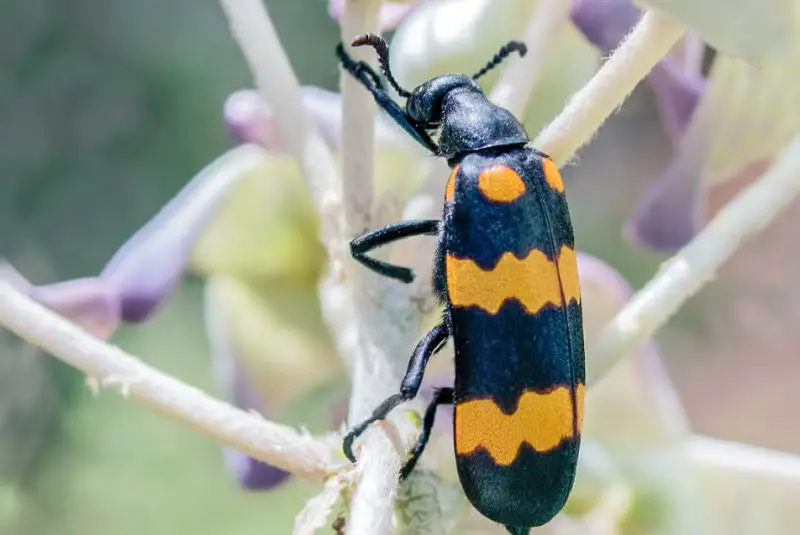
Across Utah, summer brings long days, open landscapes, and a rhythm of outdoor work and recreation that pulls people into fields, deserts, and backyards. Most insects are treated as minor annoyances. A few are avoided for their stings. Blister beetles fall into a different category entirely.
They do not bite.
They do not sting.
Yet contact with them can leave painful chemical burns on human skin.
For many Utah residents, the first encounter with a blister beetle is confusing. There is no sharp moment of injury. No immediate pain. Hours later, redness appears. Then blisters. Sometimes severe ones. The connection is often missed until the damage is already done.
Understanding why blister beetles cause chemical burns means understanding their biology, their defense chemistry, and why Utah’s climate and land use put people and beetles on a frequent collision course.
Table of Contents
- 1 What Blister Beetles Are
- 2 The Chemical Behind the Burns
- 3 Why the Injury Is Often Delayed
- 4 Where Blister Beetles Are Found in Utah
- 5 Why Utah Sees So Many Encounters
- 6 How Chemical Burns Happen
- 7 What Blister Beetle Burns Look Like
- 8 Why Children Are Especially Vulnerable
- 9 Occupational Risk in Utah
- 10 Blister Beetles and Hay
- 11 Why Crushing Makes Things Worse
- 12 What to Do If a Beetle Touches Your Skin
- 13 Treating Blister Beetle Burns
- 14 When to Seek Medical Care
- 15 Why Blister Beetle Burns Are Not Allergic Reactions
- 16 Why Misdiagnosis Happens
- 17 Seasonal Patterns in Utah
- 18 Why Gloves and Long Sleeves Help
- 19 The Ecological Role of Blister Beetles
- 20 Why Education Matters More Than Fear
- 21 Why Utah Residents Should Care
- 22 Preventing Home Encounters
- 23 The Psychological Impact of Unexpected Burns
- 24 Why Blister Beetles Are Often Overlooked
- 25 Avoidance Without Alarm
- 26 Why Incidents Increase During Drought
- 27 Blister Beetles in Urban Areas
- 28 FAQs About Blister Beetles and Chemical Burns in Utah
- 28.1 What makes blister beetles dangerous to humans
- 28.2 Do blister beetles bite or sting
- 28.3 Why do blister beetle burns appear hours later
- 28.4 Where are blister beetles most commonly found in Utah
- 28.5 Can simply touching a blister beetle cause a burn
- 28.6 Are blister beetle burns considered allergic reactions
- 28.7 How serious can blister beetle burns become
- 28.8 What should you do if a blister beetle contacts your skin
- 28.9 Are children at higher risk from blister beetles
- 28.10 Are blister beetles only a rural problem in Utah
- 29 Final Thoughts
What Blister Beetles Are
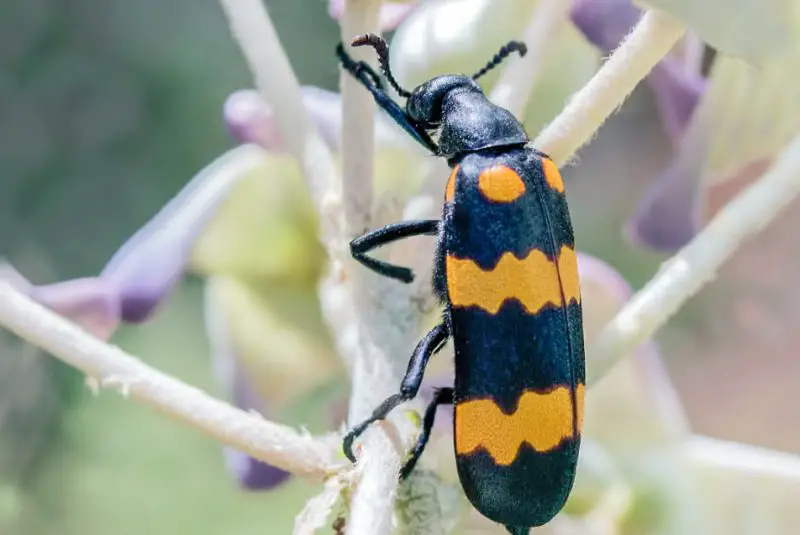
Blister beetles are soft-bodied insects belonging to a large family found throughout the western United States. In Utah, multiple species are present, ranging from solid black beetles to striped or gray varieties.
They are usually narrow-bodied, with long legs and flexible wing covers. Many are slow-moving and easy to pick up accidentally, which is where problems begin.
Blister beetles are not aggressive. They do not attack humans. Their danger lies entirely in a chemical they carry as a defense mechanism.
The Chemical Behind the Burns
The substance responsible for blister beetle burns is called cantharidin.
Cantharidin is a powerful vesicant. That means it causes blistering of skin and mucous membranes. It works by damaging the bonds between skin cells, allowing fluid to accumulate and form blisters.
The chemical is stored inside the beetle’s body. When the beetle is crushed, stressed, or roughly handled, cantharidin is released.
Importantly, cantharidin does not require injection. Simple skin contact is enough.
Why the Injury Is Often Delayed
One of the most unsettling aspects of blister beetle exposure is the delay between contact and symptoms.
When cantharidin touches skin, it does not cause immediate pain. The damage begins at the cellular level. Hours later, redness appears. Then blistering develops, sometimes dramatically.
People often wake up the next morning with blisters and have no memory of an insect encounter.
This delay is why blister beetle injuries are frequently misdiagnosed at first as allergic reactions, poison plant exposure, or chemical contact from other sources.
Where Blister Beetles Are Found in Utah
Blister beetles are widely distributed across Utah, particularly in:
-
Agricultural regions
-
Rangeland and pasture
-
Alfalfa fields
-
Desert scrub and open grassland
-
Roadsides and field edges
They are especially common in areas where flowering plants are abundant. Adult blister beetles feed on leaves and blossoms, and large numbers can appear suddenly in favorable conditions.
Utah’s mix of irrigated agriculture and arid surrounding land creates ideal habitat.
Why Utah Sees So Many Encounters
Several factors increase blister beetle encounters in Utah.
Hot, dry summers favor beetle activity. Agricultural irrigation creates concentrated feeding areas. People spend long hours outdoors working, hiking, riding, and gardening.
Blister beetles are often drawn to lights at night, bringing them closer to homes. They may crawl onto clothing, furniture, or exposed skin without being noticed.
In rural areas, contact is common during farming and hay handling. In urban settings, gardeners and children are most often affected.
How Chemical Burns Happen
Most blister beetle burns happen during accidental contact.
A beetle is brushed off an arm.
A beetle is crushed against skin.
A beetle is trapped under clothing.
A beetle is picked up out of curiosity.
The moment the beetle is crushed, cantharidin transfers to skin. The beetle itself does not need to remain in contact for long.
Because the chemical is potent, even small amounts can cause significant injury.
What Blister Beetle Burns Look Like
Blister beetle burns vary in severity.
Mild exposure may cause redness and irritation similar to a sunburn. Moderate exposure leads to fluid-filled blisters. Severe exposure can result in large, painful blisters that rupture and leave raw skin.
Common locations include:
-
Arms and hands
-
Neck and shoulders
-
Legs and ankles
-
Torso under clothing
Blisters often appear in linear or irregular patterns, matching where the beetle contacted the skin.
Why Children Are Especially Vulnerable
Children are at higher risk for blister beetle burns.
They are more likely to handle insects. They may crush beetles accidentally while playing. Their skin is more sensitive, and they may not report early irritation.
Children also spend more time on the ground, where beetles crawl.
In some cases, burns on children are initially mistaken for abuse-related injuries due to blistering patterns, adding emotional stress to physical injury.
Occupational Risk in Utah
Certain occupations see higher exposure.
Farmers and ranchers handle hay, crops, and irrigation equipment where beetles are present. Construction workers encounter beetles in disturbed soil and vegetation. Landscapers and groundskeepers work directly in beetle habitat.
Outdoor workers often experience repeated low-level exposure, increasing the chance of accidental burns.
Protective clothing reduces risk but does not eliminate it.
Blister Beetles and Hay
While this article focuses on skin burns, it is important to note that blister beetles pose another serious risk in Utah agriculture.
Cantharidin remains toxic in dried hay. Livestock, especially horses, can be poisoned by ingesting contaminated hay.
This dual threat—external burns and internal toxicity—makes blister beetles one of the most feared insects among farmers.
Why Crushing Makes Things Worse
Instinctively, many people crush insects on their skin.
With blister beetles, this is the worst possible response.
Crushing releases more cantharidin and spreads it across a larger skin area. Rubbing the area can worsen the injury by distributing the toxin further.
The safest response is gentle removal without direct contact.
What to Do If a Beetle Touches Your Skin
Immediate action can reduce injury severity.
Do not crush the beetle.
Blow it off or flick it away gently.
Wash the area with soap and water as soon as possible.
Avoid rubbing the skin.
Early washing can remove some of the toxin before it penetrates deeper layers.
Treating Blister Beetle Burns
Treatment depends on severity.
Mild burns may only require washing and cool compresses. Moderate burns benefit from topical corticosteroids to reduce inflammation.
Blisters should not be intentionally popped. Broken blisters increase infection risk.
Severe burns may require medical evaluation, especially if large areas are affected or if blisters involve the face, eyes, or genitals.
When to Seek Medical Care
Medical attention is recommended if:
-
Blisters are large or painful
-
Signs of infection appear
-
Burns involve sensitive areas
-
Pain worsens instead of improving
-
Children are affected
Doctors may prescribe stronger topical treatments or pain management.
Why Blister Beetle Burns Are Not Allergic Reactions
Blister beetle burns are chemical injuries, not allergic reactions.
This distinction matters. Antihistamines may reduce itching but do not address the underlying tissue damage. The injury is caused by direct chemical disruption of skin cells.
Understanding this helps guide proper treatment.
Why Misdiagnosis Happens
Because symptoms appear later, many people do not associate burns with beetles.
Doctors may initially suspect poison ivy, chemical exposure, or contact dermatitis. Without awareness of blister beetles, diagnosis can be delayed.
In Utah, increased awareness among healthcare providers has improved recognition, but confusion still occurs.
Seasonal Patterns in Utah
Blister beetle activity peaks in summer.
Late spring through early fall sees the highest risk. Hot, dry conditions increase beetle movement. Flowering crops and weeds attract large numbers.
Nighttime encounters increase when beetles are drawn to lights.
Understanding seasonality helps reduce risk through awareness rather than avoidance.
Why Gloves and Long Sleeves Help
Protective clothing creates a barrier between skin and toxin.
Long sleeves reduce direct contact. Gloves prevent crushing beetles against bare skin. Light-colored clothing makes beetles easier to spot.
While not foolproof, clothing significantly lowers injury rates.
The Ecological Role of Blister Beetles
Despite their danger to humans, blister beetles play a role in ecosystems.
Larval blister beetles prey on grasshopper eggs, helping control pest populations. Adults feed on plant material and serve as food for some predators that are resistant to cantharidin.
The problem is not their existence. It is accidental contact.
Why Education Matters More Than Fear
Blister beetles do not need to be eradicated.
Most injuries occur because people do not know what they are handling. Education changes behavior. Awareness reduces injuries.
In Utah, extension services and agricultural programs emphasize recognition and safe handling.
Why Utah Residents Should Care
Blister beetle burns are painful but preventable.
Knowing what the beetles look like. Knowing not to crush them. Knowing to wash skin quickly. These small actions prevent days or weeks of discomfort.
For farmers, ranchers, parents, and outdoor enthusiasts, this knowledge matters.
Preventing Home Encounters
Simple steps reduce household risk.
Reduce outdoor lighting that attracts insects. Keep doors and windows sealed. Shake clothing and towels left outdoors. Teach children not to handle beetles.
Awareness is more effective than pesticides in most cases.
The Psychological Impact of Unexpected Burns
People often describe blister beetle injuries as unsettling.
The delayed onset creates confusion. The sudden appearance of blisters causes alarm. The lack of immediate explanation increases anxiety.
Clear understanding reduces fear and restores confidence outdoors.
Why Blister Beetles Are Often Overlooked
They are quiet.
They are slow.
They do not bite.
Danger without drama is easy to underestimate.
This is why blister beetles continue to cause injuries year after year.
Avoidance Without Alarm
Avoidance does not mean fear.
It means recognizing beetles and handling them correctly. It means washing skin promptly. It means teaching children and coworkers.
Simple habits prevent serious burns.
Why Incidents Increase During Drought
Drought concentrates beetles around irrigated crops and gardens. As natural vegetation dries, beetles seek greener feeding areas.
This concentration increases human contact, especially in agricultural zones.
Utah’s periodic drought cycles amplify this pattern.
Blister Beetles in Urban Areas
While often associated with farms, blister beetles appear in cities as well.
Community gardens, parks, and landscaped areas attract beetles when plants flower. Night lighting draws beetles closer to homes.
Urban residents are not immune.
FAQs About Blister Beetles and Chemical Burns in Utah
What makes blister beetles dangerous to humans
Blister beetles release a toxin called cantharidin when crushed or stressed. This chemical causes blistering and chemical burns on skin after contact.
Do blister beetles bite or sting
No. Blister beetles do not bite or sting. The injury comes from skin contact with cantharidin, not from an attack.
Why do blister beetle burns appear hours later
Cantharidin damages skin cells gradually. Redness and blisters often develop several hours after contact, which is why the cause is often missed.
Where are blister beetles most commonly found in Utah
They are common in agricultural areas, alfalfa fields, rangeland, gardens, roadsides, and places with flowering plants, especially during summer.
Can simply touching a blister beetle cause a burn
Yes. Crushing or rubbing a beetle against bare skin can transfer cantharidin and cause a burn, even without prolonged contact.
Are blister beetle burns considered allergic reactions
No. These injuries are chemical burns, not allergies. Antihistamines may help itching but do not treat the underlying skin damage.
How serious can blister beetle burns become
Burns range from mild redness to large, painful blisters. Severe cases may require medical treatment, especially on sensitive areas or in children.
What should you do if a blister beetle contacts your skin
Do not crush it. Gently remove the beetle and wash the area immediately with soap and water to reduce toxin absorption.
Are children at higher risk from blister beetles
Yes. Children are more likely to handle insects and have more sensitive skin, which can lead to more severe blistering.
Are blister beetles only a rural problem in Utah
No. They also appear in urban gardens, parks, and near outdoor lights, making city residents vulnerable as well.
Final Thoughts
Utah’s blister beetles cause chemical burns not because they are aggressive, but because their defense chemistry is unforgiving.
The injury is silent.
The reaction is delayed.
The pain is real.
Understanding how blister beetles cause burns transforms surprise into preparedness. Awareness replaces fear with control.
In Utah’s wide-open spaces, respecting small dangers matters just as much as preparing for big ones.