
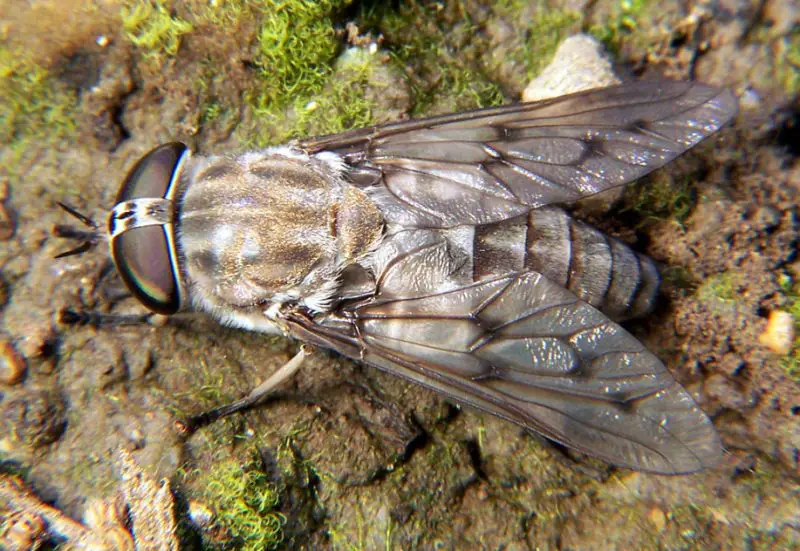
Along rivers in California, people expect a certain set of outdoor annoyances. Mosquitoes at dusk. Gnats hovering in clouds. The occasional wasp near food. What often catches people off guard is something larger, faster, and far more painful.
Horse flies.
For anglers standing knee-deep in water, hikers resting along shaded banks, ranchers moving livestock, or families cooling off near rivers, horse fly attacks can turn a peaceful day outdoors into a miserable experience. These flies do not merely irritate. They bite hard, draw blood, and often strike repeatedly.
In many parts of California, especially near rivers, horse flies have earned a reputation that borders on fear. Not because they are venomous or deadly, but because their attacks are sudden, painful, and relentless once they begin.
Understanding why horse flies concentrate near rivers, why their bites hurt so much, and why California sees such intense encounters helps explain why so many people dread them every summer.
Table of Contents
- 1 Horse Flies Are Not Ordinary Biting Flies
- 2 Why Rivers Are Horse Fly Hotspots in California
- 3 The Role of Water in Their Life Cycle
- 4 Why California’s Climate Makes Things Worse
- 5 Why Horse Fly Bites Hurt So Much
- 6 Why They Keep Coming Back
- 7 Why Anglers and River Users Are Frequent Targets
- 8 Livestock, Wildlife, and Spillover Attacks
- 9 Seasonal Patterns in California
- 10 Why Wind and Shade Matter
- 11 The Psychological Impact of Horse Fly Attacks
- 12 Horse Fly Bites Versus Mosquito Bites
- 13 Risk of Infection and Complications
- 14 Allergic Reactions and Medical Concerns
- 15 Why Repellents Often Fail
- 16 Clothing Choices That Help
- 17 Horse Flies and Horses
- 18 Traps and Control Methods
- 19 Why They Seem Worse in Some Years
- 20 Why Children Are Often Bitten
- 21 Cultural Memory of Horse Flies in California
- 22 Why Horse Flies Are Hard to Avoid Entirely
- 23 Practical Strategies for River Users
- 24 Why Education Matters More Than Eradication
- 25 The Reality of Painful Attacks
- 26 Why California Rivers Create Perfect Storm Conditions
- 27 Acceptance Without Resignation
- 28 FAQs About Horse Flies Near California Rivers
- 28.1 Why are horse flies so aggressive near rivers in California
- 28.2 Why do horse fly bites hurt more than mosquito bites
- 28.3 When are horse fly attacks worst in California
- 28.4 Do horse flies bite repeatedly
- 28.5 Are horse flies dangerous to humans
- 28.6 Why don’t insect repellents work well against horse flies
- 28.7 Who is most likely to get bitten near rivers
- 28.8 Can horse fly bites cause allergic reactions
- 28.9 How can people reduce horse fly bites along rivers
- 28.10 Why do horse flies seem worse in some years
- 29 Final Thoughts
Horse Flies Are Not Ordinary Biting Flies
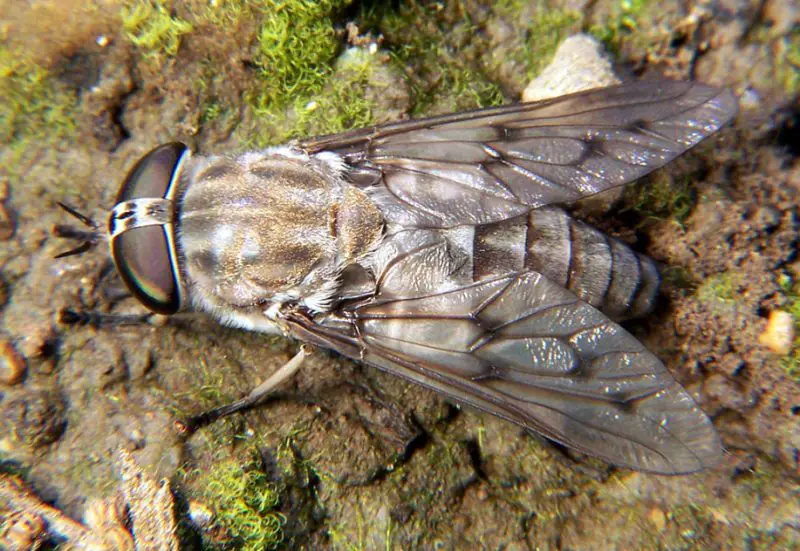
Horse flies belong to a group of insects that behave very differently from mosquitoes or gnats.
They are large, powerful fliers with strong vision and aggressive feeding behavior. While mosquitoes pierce skin delicately, horse flies use blade-like mouthparts that slice skin open to create a pool of blood.
This method is crude but effective. It is also why horse fly bites are immediately painful.
Unlike insects that sneak a bite unnoticed, horse flies announce their presence with sharp pain that makes people swat instinctively, often too late.
Why Rivers Are Horse Fly Hotspots in California
Rivers create perfect conditions for horse flies.
Moist soil along riverbanks supports their larval development. Slow-moving water, marshy edges, and seasonally flooded areas provide breeding habitat that dry landscapes cannot.
Adult horse flies are drawn to open, sunny areas near water where large animals gather. Rivers attract wildlife, livestock, and humans alike, creating a steady supply of blood meals.
California’s long river systems, from mountain streams to lowland rivers, offer continuous habitat corridors that allow horse fly populations to persist and spread.
The Role of Water in Their Life Cycle
Horse fly larvae develop in damp soil, mud, or shallow water. They are predatory even as larvae, feeding on small invertebrates.
Rivers provide stable moisture throughout the summer, even during drought years. When surrounding landscapes dry out, river corridors remain productive.
This concentration effect increases adult populations near water, which in turn increases human encounters.
People often assume flies breed directly in water. With horse flies, it is the wet ground beside rivers that matters most.
Why California’s Climate Makes Things Worse
California’s climate amplifies horse fly activity.
Long, warm summers allow extended feeding seasons. Many regions lack hard frosts that would sharply reduce populations. In drought years, horse flies concentrate even more tightly around rivers, increasing pressure on anyone nearby.
Sunny weather increases horse fly activity. They rely heavily on vision and prefer bright conditions. Shaded forests may offer relief, but open riverbanks expose people fully.
In coastal and inland valleys alike, summer conditions favor prolonged horse fly aggression.
Why Horse Fly Bites Hurt So Much
Horse fly mouthparts are designed to cut, not pierce.
They use scissor-like blades to slice skin, then lap up blood. Saliva injected into the wound prevents clotting, which prolongs bleeding.
This mechanical damage causes immediate pain, followed by swelling and inflammation. The body reacts strongly to both tissue injury and saliva compounds.
The result is a bite that can throb for hours and itch for days.
Why They Keep Coming Back
Horse flies are persistent.
If swatted away, they often circle back. Crushing one may attract others through visual cues. Unlike mosquitoes, which may retreat after feeding, horse flies are easily interrupted and will attempt multiple bites.
Their strong flight allows them to pursue moving targets. People jogging along rivers or riding horses may find flies following them for extended distances.
This persistence is one of the most frustrating aspects of horse fly encounters.
Why Anglers and River Users Are Frequent Targets
Anglers stand still for long periods, making them easy targets. Waders, boots, and hats expose arms, necks, and shoulders.
River swimmers and paddlers often rest along banks with wet skin, which attracts flies. Sweat, body heat, and movement all draw horse flies in.
Picnic areas near water combine food smells, people, and shade, creating ideal feeding conditions.
Horse flies do not prefer humans over animals. Humans simply happen to be present where flies are most active.
Livestock, Wildlife, and Spillover Attacks
Horse flies primarily evolved to feed on large mammals.
Cattle, horses, deer, and elk attract huge numbers of flies near rivers. When humans enter the same spaces, they become secondary targets.
Areas with grazing livestock near rivers often experience the worst horse fly pressure. Flies drawn to animals spill over onto nearby people.
This overlap explains why rural river areas can feel unbearable during peak season.
Seasonal Patterns in California
Horse fly activity peaks during summer.
Late spring through early fall brings the highest numbers, with midsummer often being the worst. Activity tends to increase during hot, sunny days with little wind.
Morning and midday see the most attacks. Cooler evenings bring some relief, though flies may persist in warm conditions.
Mountain rivers may experience shorter but intense seasons, while lowland rivers endure prolonged pressure.
Why Wind and Shade Matter
Horse flies are strong but still affected by wind.
Breezy conditions reduce activity. Dense shade also offers partial relief, as flies prefer open sunlit spaces where vision is strongest.
Riverbanks lacking tree cover are often the most miserable places during peak season.
Experienced outdoorspeople learn to position themselves strategically, using shade and wind whenever possible.
The Psychological Impact of Horse Fly Attacks
Horse fly bites are not just painful. They are stressful.
The anticipation of being bitten, the constant vigilance, and the inability to relax wear people down. Families cut outings short. Anglers abandon productive spots. Ranchers rush work.
Repeated attacks can make people avoid rivers altogether during summer.
This behavioral impact is part of why horse flies are so deeply disliked.
Horse Fly Bites Versus Mosquito Bites
Many people underestimate horse flies because they group them mentally with mosquitoes.
The difference is dramatic.
Mosquito bites itch. Horse fly bites hurt. Mosquitoes feed quietly. Horse flies attack aggressively. Mosquitoes often bite unnoticed. Horse flies announce themselves violently.
The body’s reaction is stronger, and secondary infection is more likely due to open wounds.
Risk of Infection and Complications
Horse fly bites break skin.
Open wounds are vulnerable to bacteria, especially near rivers where water exposure introduces microbes. Scratching increases infection risk.
Most bites heal without complication, but swelling, redness, and warmth should be monitored.
People with sensitive skin may experience prolonged inflammation.
Allergic Reactions and Medical Concerns
True allergic reactions to horse fly bites are uncommon but possible.
Some people develop exaggerated swelling, hives, or systemic symptoms. Medical attention is recommended if breathing difficulty, facial swelling, or spreading rash occurs.
Multiple bites can also overwhelm the body’s inflammatory response, especially in children.
Why Repellents Often Fail
Standard insect repellents are less effective against horse flies.
Because horse flies rely heavily on vision rather than scent, chemical repellents provide limited protection. DEET may reduce some bites but rarely stops attacks entirely.
Visual deterrents, such as wearing light-colored clothing or patterned hats, sometimes help but are inconsistent.
This lack of reliable protection adds to frustration.
Clothing Choices That Help
Thick fabrics resist bites better than thin ones. Denim, canvas, and tightly woven materials offer some protection.
Light colors reduce attraction. Loose clothing allows flies to bite through fabric more easily than tight clothing pressed against skin.
Covering necks and shoulders reduces exposure, though heat makes full coverage uncomfortable.
Horse Flies and Horses
Horse flies are notorious among riders.
Horses react violently to bites, bucking, stomping, and bolting. This creates safety risks for riders near rivers.
Equestrian areas near water often see increased fly control efforts, including traps and protective gear.
Horse fly pressure affects animal welfare as much as human comfort.
Traps and Control Methods
Various traps target horse flies using visual attraction.
Dark moving shapes, reflective surfaces, and sticky traps can reduce local populations but rarely eliminate them entirely.
Large-scale control is difficult due to breeding habitat size and mobility.
Personal avoidance remains the most effective strategy.
Why They Seem Worse in Some Years
Horse fly populations fluctuate.
Wet springs increase larval survival. Drought concentrates adults near rivers. Weather patterns heavily influence severity.
One year may be tolerable. The next may feel unbearable.
This unpredictability makes planning difficult.
Why Children Are Often Bitten
Children move unpredictably and play near water.
They may not react quickly enough to swat flies. Their exposed skin and shorter height place them closer to breeding zones.
Parents often notice bites on arms, legs, and necks after river outings.
Education and protective clothing help but do not eliminate risk.
Cultural Memory of Horse Flies in California
Horse flies have long been part of California’s outdoor lore.
Anglers trade stories. Ranchers warn newcomers. Campers learn quickly which river stretches to avoid at certain times.
This shared experience reinforces their reputation as one of the state’s most hated insects.
Why Horse Flies Are Hard to Avoid Entirely
Avoiding rivers entirely is unrealistic.
Rivers provide recreation, livelihoods, and natural beauty. Horse flies exploit this overlap.
Unlike insects tied to specific plants or structures, horse flies follow water and animals wherever they go.
As long as rivers exist, horse flies will be there.
Practical Strategies for River Users
Timing matters. Early morning or cooler days reduce exposure. Windy stretches offer relief.
Choosing shaded banks, wearing protective clothing, and limiting stationary time help reduce attacks.
Accepting some bites may be unavoidable.
Why Education Matters More Than Eradication
Horse flies are native and ecologically integrated.
They serve as prey for birds and other animals. Eradication is neither practical nor desirable.
Understanding behavior allows people to adapt rather than panic.
The Reality of Painful Attacks
The word “attack” is not exaggeration.
Horse flies pursue, bite repeatedly, and draw blood. For people unprepared, the experience is shocking.
Acknowledging that reality helps set realistic expectations.
Why California Rivers Create Perfect Storm Conditions
Sun, water, animals, and people converge along rivers.
Horse flies exploit that convergence efficiently.
California’s scale simply magnifies the effect.
Acceptance Without Resignation
Acceptance does not mean surrender.
It means planning outings with awareness. It means choosing locations wisely. It means knowing when to retreat.
Horse flies do not have to ruin every river experience, but they demand respect.
FAQs About Horse Flies Near California Rivers
Why are horse flies so aggressive near rivers in California
Rivers provide moist soil for breeding, abundant wildlife, and steady human activity, creating ideal conditions for large horse fly populations.
Why do horse fly bites hurt more than mosquito bites
Horse flies slice the skin with blade-like mouthparts instead of piercing it, causing immediate pain, bleeding, and strong inflammation.
When are horse fly attacks worst in California
Attacks peak from late spring through summer, especially on hot, sunny days with little wind near riverbanks.
Do horse flies bite repeatedly
Yes. Horse flies are persistent and often return after being swatted, attempting multiple bites until they succeed.
Are horse flies dangerous to humans
They are not venomous, but their bites can cause significant pain, swelling, and open wounds that may become infected.
Why don’t insect repellents work well against horse flies
Horse flies rely heavily on vision rather than scent, making standard chemical repellents less effective.
Who is most likely to get bitten near rivers
Anglers, swimmers, paddlers, ranchers, children, and anyone standing still near water are frequent targets.
Can horse fly bites cause allergic reactions
Allergic reactions are uncommon but possible. Medical attention is needed if swelling spreads, breathing becomes difficult, or hives appear.
How can people reduce horse fly bites along rivers
Use shaded or windy areas, wear thick light-colored clothing, limit stationary time, and avoid peak activity hours when possible.
Why do horse flies seem worse in some years
Weather patterns, water levels, and animal populations affect breeding success, causing large year-to-year population swings.
Final Thoughts
California’s horse flies earn their reputation near rivers through persistence, pain, and sheer numbers.
Their attacks are not subtle. Their bites are not mild. And their presence is not accidental.
They are drawn to rivers because rivers offer everything they need. Unfortunately, rivers offer everything people love too.
Understanding why horse flies attack near California rivers does not make them disappear. But it replaces surprise with preparation.
And sometimes, that difference is enough to turn an unbearable afternoon into a manageable one.