
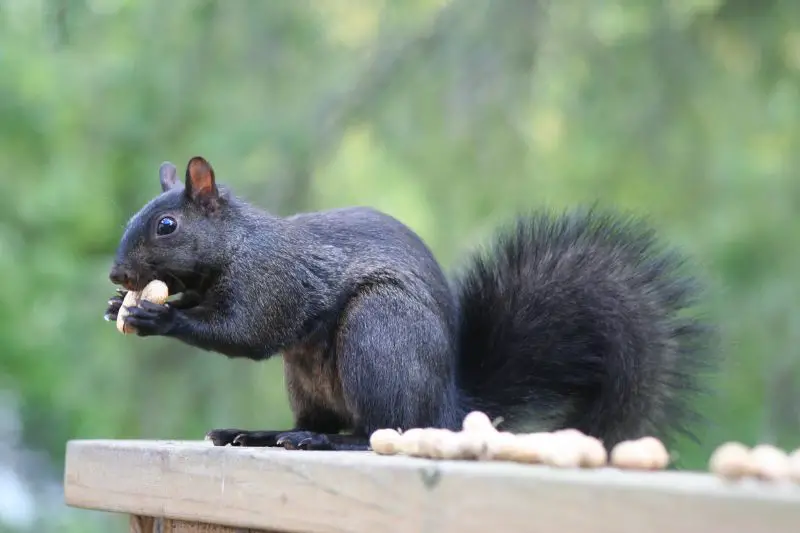
In recent years, many residents across West Virginia have noticed something unusual in their neighborhoods, parks, and forest edges. Among the familiar gray and brown squirrels, completely black individuals sometimes appear. These sightings often spark curiosity, speculation, and even concern. Some people wonder whether a new species has arrived, whether environmental changes are involved, or whether the animals represent hybrids or unusual mutations.
Black squirrels are not actually new arrivals, nor are they necessarily rare from a biological perspective. They are usually a color variation of species already common in the region. However, changes in visibility, habitat conditions, and public awareness can make them seem suddenly more common. Understanding why these squirrels appear black requires looking at genetics, ecology, climate factors, and human landscape changes.
West Virginia’s forests, mixed rural environments, and expanding suburban areas create conditions where melanistic squirrels can thrive. By exploring the science behind this coloration and the environmental factors that shape wildlife visibility, it becomes easier to understand why black squirrels sometimes seem to appear “suddenly” even when they have existed quietly for generations.
Table of Contents
- 1 What Black Squirrels Actually Are
- 2 Genetic Factors Behind Black Fur
- 3 Environmental Advantages of Dark Fur
- 4 Habitat Changes Increasing Visibility
- 5 Predator Dynamics and Survival
- 6 Seasonal Factors Affecting Sightings
- 7 Human Influence on Distribution
- 8 Public Awareness and Observation Bias
- 9 Ecological Role of Black Squirrels
- 10 Are Black Squirrels a Cause for Concern
- 11 Common Myths About Black Squirrels
- 12 Climate Change and Long Term Trends
- 13 Coexisting With Black Squirrels
- 14 The Bigger Picture
- 15 FAQs About Black Squirrels in West Virginia
- 15.1 Are black squirrels a different species from gray squirrels
- 15.2 Why do some squirrels suddenly appear completely black
- 15.3 Are black squirrels more aggressive than gray squirrels
- 15.4 Do black squirrels survive better than gray squirrels
- 15.5 Are black squirrels common in West Virginia
- 15.6 Could black squirrels spread to new areas
- 15.7 Are black squirrels harmful to yards or gardens
- 15.8 Should people feed black squirrels
- 16 Final Thoughts
What Black Squirrels Actually Are
A Color Variation, Not a Separate Species
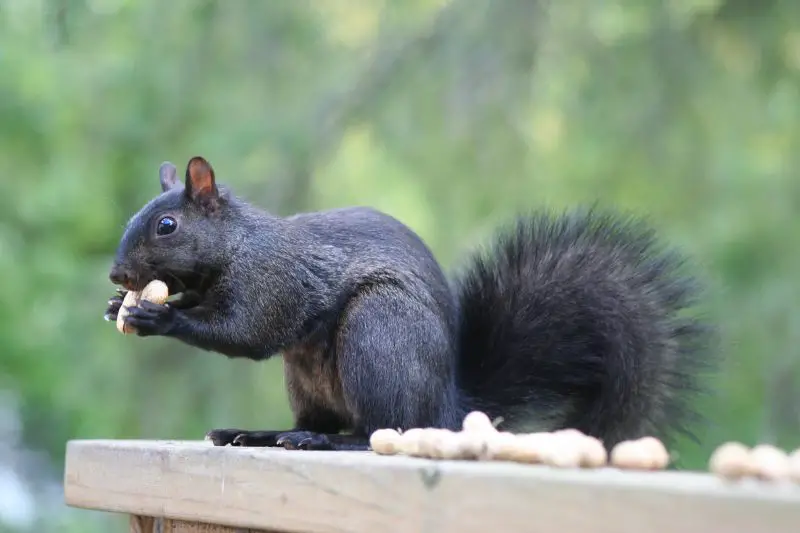
Most black squirrels in West Virginia are eastern gray squirrels with a genetic condition known as melanism. Melanism involves excess dark pigment called melanin in the fur. This pigment produces a deep black or nearly black coat while leaving other biological characteristics unchanged.
These squirrels behave, feed, reproduce, and interact with ecosystems in exactly the same way as gray squirrels. They are not hybrids, exotic imports, or invasive species. They represent natural genetic diversity within established squirrel populations.
Melanism occurs in many animals worldwide. Foxes, leopards, wolves, birds, reptiles, and even insects can display similar dark coloration. It is a normal evolutionary variation rather than an abnormal defect.
How Melanism Develops
Melanin production is controlled by specific genes. When mutations increase melanin expression, darker fur develops. These mutations can persist within populations for many generations without becoming obvious.
If environmental conditions favor darker coloration even slightly, black individuals may survive and reproduce successfully. Over time, their genes spread locally. This gradual process explains why some areas suddenly appear to have more black squirrels even though the genetic trait existed long before.
Genetic Factors Behind Black Fur
Inherited Traits
Melanistic fur color is hereditary. If two squirrels carrying the melanistic gene reproduce, some offspring may inherit black coloration. Even when only one parent carries the gene, it can remain hidden in descendants for generations.
This hidden genetic reservoir allows black squirrels to appear sporadically. A population may show mostly gray squirrels for years, then suddenly produce several black individuals when genetic combinations align.
This process can make melanistic squirrels seem newly arrived when they are simply expressing existing genetic diversity.
Local Population Genetics
Small isolated populations often show stronger color variation because limited gene pools concentrate certain traits. West Virginia’s patchwork of forests, valleys, rivers, and towns can create localized wildlife populations.
When melanistic genes become common in one area, black squirrels may dominate locally even while neighboring regions still show mostly gray individuals. These regional differences contribute to the perception of sudden appearance.
Environmental Advantages of Dark Fur
Camouflage in Dense Forests
West Virginia contains extensive hardwood forests, shaded river corridors, and mountainous terrain. Dark fur can provide camouflage in low light environments such as dense woods or shadowed understory areas.
Camouflage reduces predator detection. Even small advantages can influence survival over generations. If darker squirrels avoid predation slightly better in certain habitats, their numbers may gradually increase.
Environmental shading varies seasonally. Leaf cover, snow absence, and forest density all influence visibility. These factors interact with fur color in complex ways.
Thermal Regulation
Dark fur absorbs more solar radiation than lighter fur. In cooler climates or shaded environments, this can help animals retain warmth.
West Virginia’s climate includes cold winters, especially in higher elevations. Dark coloration may offer minor thermal advantages during cooler months. While not the sole factor, temperature effects can influence survival patterns over time.
Scientists continue researching how strongly thermal benefits affect squirrel coloration, but the possibility remains an active area of study.
Habitat Changes Increasing Visibility
Suburban Expansion Into Forest Edges
As communities expand into wooded areas, human observation of wildlife increases dramatically. Squirrels that once lived unseen in forests now appear in yards, parks, campuses, and neighborhoods.
Black squirrels may seem new simply because people encounter them more frequently. Increased observation often drives perceived population changes even when actual numbers remain stable.
Tree lined streets, backyard feeders, and landscaped green spaces create excellent squirrel habitat. These environments support both gray and black individuals equally.
Urban Wildlife Adaptation
Squirrels adapt extremely well to human environments. Reliable food sources, reduced predator presence, and stable shelter conditions allow populations to grow.
When populations increase overall, rare color variations become more noticeable. The proportion of black squirrels may remain constant, but higher total numbers make sightings more frequent.
This phenomenon occurs in many urban wildlife species. Visibility increases faster than population change.
Predator Dynamics and Survival
Reduced Natural Predators
Urban and suburban areas often support fewer natural predators such as hawks, foxes, or large snakes. Lower predation pressure increases survival rates for all squirrels, including melanistic individuals.
Reduced predator pressure allows genetic diversity to persist. Traits that might otherwise remain rare can spread more easily.
Even in rural West Virginia, changes in predator distribution can influence prey population structure.
Behavioral Adaptation
Urban squirrels often show reduced fear of humans. This behavioral flexibility increases daytime activity in visible areas.
Black squirrels displaying similar behavior become especially noticeable because their coloration stands out visually. Behavioral adaptation therefore contributes to perceived sudden appearance.
Seasonal Factors Affecting Sightings
Winter Visibility
Leaf loss during winter exposes tree branches, increasing wildlife visibility. Dark squirrels stand out strongly against snow or pale winter landscapes.
This seasonal contrast makes melanistic individuals easier to spot. Observers may conclude populations increased when visibility alone explains the change.
Seasonal observation bias plays a significant role in wildlife perception.
Breeding Cycles
Squirrel breeding cycles can produce noticeable population spikes. When young squirrels disperse from nests, sightings increase.
If a particular litter includes melanistic individuals, local observers may suddenly notice several black squirrels simultaneously. This cluster effect can create a strong impression of population change.
Human Influence on Distribution
Intentional Introductions Historically
In some North American cities, black squirrels were historically introduced intentionally for aesthetic or curiosity reasons. While less documented in West Virginia specifically, wildlife relocation has occurred in various regions.
Even a small introduction decades ago could establish a local genetic presence. Over time, natural reproduction spreads the trait quietly until increased visibility reveals it.
Historical wildlife movements sometimes explain modern distribution patterns.
Habitat Connectivity
Green corridors, parks, and wooded river valleys connect habitats across West Virginia. These corridors allow squirrels to disperse gradually between regions.
Melanistic individuals moving along these routes can establish new local populations without dramatic migration events. Gradual expansion often appears sudden only when observation increases.
Public Awareness and Observation Bias
Social Media Amplification
Modern technology dramatically increases wildlife reporting. A single photo of a black squirrel can spread quickly online.
Increased awareness leads more people to notice similar animals. The psychological effect amplifies perception of change even when biological patterns remain steady.
Wildlife visibility now spreads through digital communication faster than ever before.
Growing Interest in Urban Nature
Interest in backyard wildlife, birdwatching, and nature photography has grown significantly. More observers mean more sightings.
This cultural shift contributes to increased reporting of uncommon color variations. Observation effort strongly influences perceived wildlife trends.
Ecological Role of Black Squirrels
Seed Dispersal
Like their gray counterparts, black squirrels play a major role in seed dispersal. They bury nuts and seeds throughout forests and urban landscapes. Forgotten caches contribute to tree regeneration.
This ecological function supports forest health, biodiversity, and habitat stability. Color variation does not affect ecological contribution.
Food Chain Integration
Squirrels serve as prey for birds of prey, foxes, coyotes, and other predators. Balanced prey populations support stable predator communities.
Melanistic individuals participate in these ecological relationships just like other squirrels. Their presence reflects healthy ecosystem function rather than disruption.
Are Black Squirrels a Cause for Concern
Not Invasive or Dangerous
Black squirrels are not invasive species in West Virginia. They belong to established squirrel populations and behave normally.
They rarely pose risks beyond occasional garden nibbling or minor property interactions typical of all squirrels. Fur color does not influence behavior toward humans.
Understanding this helps reduce unnecessary concern.
Indicators of Genetic Diversity
Color variation often indicates healthy genetic diversity. Diverse populations adapt more effectively to environmental changes.
Rather than signaling ecological problems, melanism may reflect resilience and adaptation within squirrel populations.
Common Myths About Black Squirrels
Many myths circulate about black squirrels. Some believe they are more aggressive, larger, or entirely different species. Others assume they result from pollution or environmental contamination.
Scientific evidence does not support these claims. Behavior, size, diet, and ecological role remain consistent with other squirrels. Fur color reflects genetics, not environmental toxicity.
Separating myth from biology improves public understanding and encourages coexistence.
Climate Change and Long Term Trends
Changing Weather Patterns
Climate variability can influence food availability, habitat suitability, and predator dynamics. Over long periods, these factors may affect the frequency of certain genetic traits.
If environmental conditions slightly favor darker coloration, melanistic squirrels may gradually increase in some areas.
However, climate effects tend to unfold slowly rather than producing sudden changes.
Habitat Stability
Forest management, conservation efforts, and urban green planning all influence squirrel habitat quality. Stable habitats support consistent populations and genetic diversity.
Future distribution of black squirrels will likely depend on habitat continuity as much as climate factors.
Coexisting With Black Squirrels
Avoid Feeding Wildlife Excessively
Providing food occasionally may seem harmless, but consistent feeding alters natural behavior. Overdependence on human food can increase population density artificially.
Maintaining natural feeding patterns supports ecosystem balance.
Protecting Gardens and Property
Simple measures such as secure trash storage, garden netting, and proper landscaping reduce unwanted interactions.
Coexistence strategies focus on behavior rather than coloration.
The Bigger Picture
Wildlife adaptation continues across North America as landscapes evolve. Black squirrels represent one example of how genetic diversity interacts with environmental change, urban development, and human perception.
Their apparent sudden appearance often reflects increased visibility, not biological novelty. Genetic traits can persist quietly for decades before becoming noticeable.
Understanding these processes encourages appreciation rather than alarm. Observing melanistic squirrels can offer insight into evolutionary biology, habitat adaptation, and the complex relationship between wildlife and human environments.
FAQs About Black Squirrels in West Virginia
Are black squirrels a different species from gray squirrels
No. Most black squirrels in West Virginia are eastern gray squirrels with a melanistic genetic variation that causes dark fur coloration.
Why do some squirrels suddenly appear completely black
The trait often comes from inherited genetics already present in local populations. Increased visibility, habitat change, or population growth can make them seem new.
Are black squirrels more aggressive than gray squirrels
There is no scientific evidence showing behavioral differences. Fur color does not affect temperament, feeding habits, or social behavior.
Do black squirrels survive better than gray squirrels
In some environments, darker fur may offer slight camouflage or thermal advantages. However, overall survival differences are usually minor.
Are black squirrels common in West Virginia
They are less common than gray squirrels but regularly occur in many parts of the state, especially where forests and urban green spaces overlap.
Could black squirrels spread to new areas
Yes. As squirrel populations expand through connected habitats, melanistic individuals can disperse naturally over time.
Are black squirrels harmful to yards or gardens
Their behavior is the same as other squirrels. Occasional digging or nibbling can happen, but they rarely cause serious damage.
Should people feed black squirrels
Feeding wildlife regularly is not recommended. It can alter natural behavior and increase human wildlife conflict regardless of fur color.
Final Thoughts
Black squirrels in West Virginia are neither mysterious newcomers nor ecological anomalies. They are a natural color variation within established squirrel populations, shaped by genetics, habitat conditions, climate influences, and human observation patterns.
Their presence highlights the resilience of wildlife adapting to changing environments. Rather than signaling ecological disruption, melanistic squirrels often indicate thriving ecosystems with sufficient diversity to support genetic variation.
As human communities continue expanding alongside natural habitats, encounters with distinctive wildlife will likely increase. Education, awareness, and balanced perspective help transform curiosity into appreciation.
Black squirrels, with their striking appearance and familiar behavior, remind observers that nature’s diversity often hides in plain sight until changing circumstances bring it into view.