
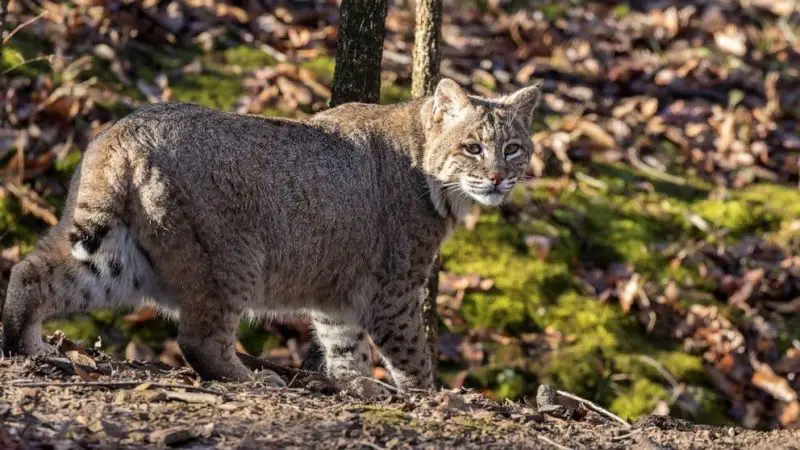
Bobcats are a familiar but rarely seen part of Oklahoma’s wildlife. They live quietly across forests, brushlands, agricultural edges, wetlands, and even some suburban greenbelts. Because domestic cats are also widespread throughout the state, many residents naturally wonder whether these two feline species ever interbreed. Sightings of unusually large feral cats, strange coat patterns, or brief wildlife encounters often spark hybrid rumors.
However, wildlife biology provides a clearer answer than speculation. While bobcats and domestic cats share the broader cat family, significant genetic, behavioral, and ecological differences make natural hybridization extremely unlikely. Understanding these differences helps separate myth from reality while also improving coexistence with native wildlife.
This in-depth article explains bobcat distribution in Oklahoma, domestic cat populations, biological compatibility, behavioral barriers, hybrid myths, ecological roles, and practical guidance for residents living near bobcat habitat.
Table of Contents
- 1 Bobcats in Oklahoma: Distribution and Habitat
- 2 Domestic Cats Across Oklahoma Landscapes
- 3 Taxonomic Differences Between Bobcats and Domestic Cats
- 4 Chromosome Similarity Does Not Guarantee Hybridization
- 5 Behavioral Barriers That Limit Hybridization
- 6 Are There Confirmed Bobcat–Domestic Cat Hybrids?
- 7 Why Hybrid Myths Persist
- 8 Predation Versus Hybridization
- 9 Identifying Bobcats Versus Domestic Cats
- 10 Ecological Role of Bobcats in Oklahoma
- 11 Human Expansion and Wildlife Interaction
- 12 Protecting Domestic Cats in Bobcat Areas
- 13 Conservation and Public Awareness
- 14 Research and Monitoring Efforts
- 15 FAQs About Bobcats and Domestic Cats in Oklahoma
- 15.1 Do bobcats commonly breed with domestic cats in Oklahoma?
- 15.2 Can bobcats mate with house cats at all?
- 15.3 Why do people think hybrids exist?
- 15.4 Are bobcats dangerous to domestic cats?
- 15.5 How can I tell a bobcat from a large house cat?
- 15.6 Do bobcats live near cities in Oklahoma?
- 15.7 Should I be worried if I see one?
- 15.8 How can I reduce wildlife encounters?
- 16 Final Thoughts
Bobcats in Oklahoma: Distribution and Habitat
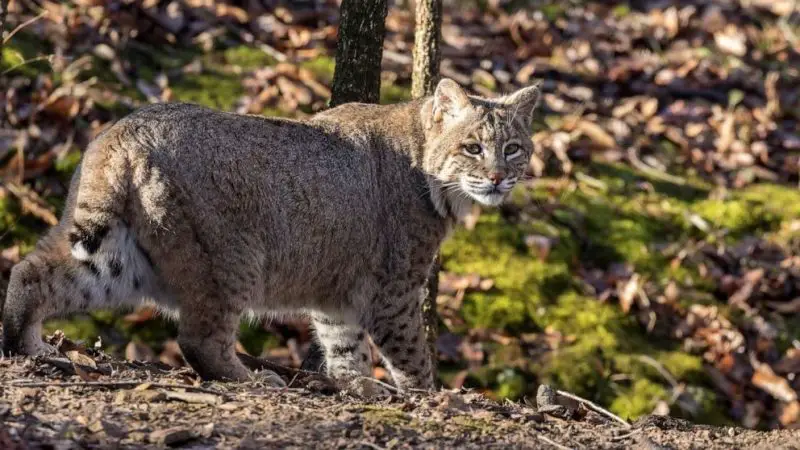
Bobcats are widely distributed throughout Oklahoma and remain one of the state’s most adaptable native predators. They occupy an impressive range of environments, from dense oak and pine forests to prairie brushlands, riparian corridors, wetlands, rocky hillsides, and agricultural transition zones. Areas with thick understory vegetation, creek bottoms, or rocky cover are particularly attractive because they provide concealment for stalking prey as well as secure denning sites for raising young.
Their adaptability allows them to persist even as landscapes change. Suburban expansion, fragmented woodlots, farm edges, and greenbelt corridors can still support bobcats if prey species such as rabbits, rodents, and birds remain plentiful. Unlike larger predators that require vast uninterrupted wilderness, bobcats often thrive in mixed-use landscapes where natural habitat overlaps with human activity.
Despite this widespread presence, bobcats are rarely seen clearly. They are primarily crepuscular and nocturnal, meaning they are most active during dawn, dusk, and nighttime hours. Their spotted coats provide excellent camouflage, and their cautious behavior helps them avoid detection. Increasing reports of sightings across Oklahoma typically reflect expanding human development into wildlife habitat rather than sudden population growth.
Domestic Cats Across Oklahoma Landscapes
Domestic cats are extremely common throughout Oklahoma in several forms, including outdoor household pets, barn cats on farms, free-roaming neighborhood cats, and fully feral cat colonies. Many rural and suburban communities maintain barn cats for rodent control, while urban areas often host unmanaged feral populations that live independently of direct human care.
These cats frequently occupy transitional habitats similar to those favored by bobcats. Wooded edges, drainage corridors, abandoned structures, agricultural margins, and suburban green spaces provide food, shelter, and hunting opportunities. Such environments often support rodents, birds, reptiles, and insects that attract both domestic and wild predators.
Feral cats in particular can resemble wild animals after prolonged outdoor living. Leaner body condition, thicker coats, and cautious behavior sometimes lead observers to assume hybrid ancestry. However, domestic cats naturally display enormous variation in appearance. Habitat overlap increases observation opportunities but does not indicate reproductive compatibility between bobcats and domestic cats.
Taxonomic Differences Between Bobcats and Domestic Cats
A key scientific reason hybridization remains unlikely lies in taxonomy and evolutionary history. Bobcats belong to the species Lynx rufus within the genus Lynx, while domestic cats are classified as Felis catus within the genus Felis. Although both belong to the broader Felidae family, their evolutionary paths diverged millions of years ago.
This genetic separation influences many biological systems, including reproductive physiology, hormone regulation, communication signals, and embryonic development. Successful hybridization among felines typically occurs between species within the same genus, where genetic compatibility remains closer. Because bobcats and domestic cats belong to different genera, substantial biological barriers limit the likelihood of viable offspring.
Even when animals appear superficially similar, underlying genetic compatibility determines reproductive success. In the case of bobcats and domestic cats, scientific consensus continues to view hybridization as extremely improbable under natural conditions.
Chromosome Similarity Does Not Guarantee Hybridization
Some speculation about bobcat–domestic cat hybrids arises because both species have similar chromosome counts. However, chromosome number alone does not determine whether two species can produce viable offspring. Genetic compatibility depends on how those chromosomes are structured, how genes are expressed, and how reproductive biology aligns.
Differences in gene arrangement, reproductive hormones, mating timing, and embryonic development can prevent fertilization or lead to nonviable offspring even when chromosome numbers match. Behavioral cues during courtship also play a significant role in successful reproduction, and these cues often differ between species separated evolutionarily.
To date, scientific research has not confirmed stable wild populations of bobcat–domestic cat hybrids. DNA analysis remains the only reliable method for verifying hybrid ancestry, and current evidence consistently indicates that such hybridization is extraordinarily rare or unsupported.
Behavioral Barriers That Limit Hybridization
Beyond genetics, behavioral differences strongly discourage interbreeding between bobcats and domestic cats.
Territorial Instincts
Bobcats maintain well-defined territories marked through scent, scratches, and visual cues. They defend these areas against intruders, particularly other predators. Domestic cats also establish territories but typically on a much smaller scale. When a bobcat encounters a domestic cat, it is more likely perceived as prey, competition, or a territorial intruder rather than a potential mate. These instincts make courtship interactions highly unlikely.
Breeding Cycle Differences
Bobcats generally breed once per year, most often in late winter. Domestic cats, especially in favorable climates, may breed multiple times annually. This mismatch in reproductive timing reduces opportunities for mating encounters even where both species share habitat.
Communication Differences
Courtship among wild felines relies heavily on scent marking, vocalization patterns, and behavioral displays. Domestic cats use related signals but often with different timing, intensity, and context. These communication differences further limit compatibility and successful mating attempts.
Are There Confirmed Bobcat–Domestic Cat Hybrids?
Wildlife biologists generally agree that confirmed bobcat–domestic cat hybrids in the wild are extremely rare or nonexistent. Many animals initially suspected of being hybrids later prove to be large feral domestic cats, juvenile bobcats, domestic cats with unusual coat patterns, or other wildlife briefly observed under poor conditions.
Historical captive breeding attempts have produced inconsistent outcomes, often failing to produce viable offspring. Even controlled environments did not demonstrate reliable compatibility, reinforcing the conclusion that natural hybridization would be even less likely.
Scientific consensus therefore continues to emphasize caution when interpreting anecdotal reports without genetic confirmation.
Why Hybrid Myths Persist
Hybrid rumors remain widespread for several understandable reasons.
Visual Misidentification
Bobcats vary naturally in size, coloration, and markings. Domestic cats exhibit even greater diversity. A large feral cat with a short tail may resemble a bobcat, while a young bobcat lacking prominent ear tufts may resemble a domestic cat. Brief sightings, poor lighting, and distance amplify confusion.
Social Media Amplification
Photos of unusual animals spread quickly online. Once labeled as hybrids, images often circulate widely without scientific verification. Repetition can make unverified claims seem credible over time.
Human Curiosity
Hybrid animals capture imagination. The idea of wild and domestic species interbreeding feels dramatic and mysterious, encouraging speculation even when scientific evidence remains lacking.
Predation Versus Hybridization
A more realistic interaction between bobcats and domestic cats involves predation rather than reproduction. Bobcats primarily hunt rabbits, rodents, birds, and other small mammals. Very small domestic cats left unsupervised outdoors, particularly at night, may occasionally be vulnerable.
This interaction reflects natural predator–prey dynamics rather than breeding behavior. Supervising pets, especially during nighttime hours, significantly reduces risk and supports safer coexistence.
Identifying Bobcats Versus Domestic Cats
Correct identification helps reduce unnecessary hybrid speculation.
Typical Bobcat Features
Bobcats typically display a short bobbed tail with a dark tip, tufted ears, spotted or mottled coats, longer hind legs relative to body size, and distinctive facial ruffs. Their body posture often appears muscular yet compact.
Behavioral Differences
Bobcats move cautiously, frequently staying near cover and avoiding prolonged exposure. Domestic cats generally show more relaxed movement patterns around human structures. Observing behavior often clarifies identification more effectively than color or size alone.
Ecological Role of Bobcats in Oklahoma
Bobcats play a vital ecological role as mid-sized predators. By regulating populations of rodents, rabbits, birds, and other small mammals, they help maintain vegetation health, agricultural productivity, and biodiversity.
Predator presence often indicates balanced ecosystems with adequate prey and suitable habitat. Removing predators can disrupt these systems, sometimes leading to overpopulation of prey species and ecological imbalance.
Understanding their ecological importance helps foster appreciation rather than fear.
Human Expansion and Wildlife Interaction
As Oklahoma communities expand, housing developments increasingly border forests, wetlands, and agricultural land. Wildlife sightings naturally increase under these conditions. In many cases, wildlife is not moving closer to people; people are building closer to existing wildlife habitat.
Certain attractants can increase encounters, including rodent populations near homes, unsecured garbage, outdoor pet food, dense landscaping that provides cover, and water features attracting prey species. Managing these factors often reduces wildlife presence near residences.
Protecting Domestic Cats in Bobcat Areas
Responsible pet ownership plays a major role in preventing conflict. Indoor cats generally live longer and face fewer hazards such as predators, vehicles, disease exposure, and extreme weather.
For owners who prefer outdoor access, supervised yard time, enclosed patios or catios, nighttime indoor housing, and avoiding outdoor feeding can significantly reduce risk. These measures protect both pets and native wildlife.
Conservation and Public Awareness
Education remains one of the most effective tools for reducing human–wildlife conflict. Accurate understanding of bobcat behavior helps prevent unnecessary fear and discourages harmful management actions based on misinformation.
Public reporting of sightings also assists wildlife agencies in monitoring population trends. Responsible communication promotes balanced coexistence and supports conservation objectives.
Research and Monitoring Efforts
Wildlife agencies monitor bobcat populations through camera traps, field surveys, harvest data, and public reporting. These efforts provide insight into population health, distribution changes, and potential human–wildlife interactions.
Genetic studies continue to investigate hybridization claims. Current research consistently shows little evidence of widespread bobcat–domestic cat hybridization, reinforcing scientific consensus on the rarity of such events.
Continued monitoring helps ensure both wildlife conservation and public understanding remain grounded in evidence rather than speculation.
FAQs About Bobcats and Domestic Cats in Oklahoma
Do bobcats commonly breed with domestic cats in Oklahoma?
No. Scientific evidence shows hybridization is extremely rare or unsupported. Genetic, behavioral, and ecological barriers prevent regular breeding.
Can bobcats mate with house cats at all?
Biological compatibility is very limited. Even in captivity, successful hybrids are rarely documented.
Why do people think hybrids exist?
Large feral cats, juvenile bobcats, unusual coat patterns, and brief wildlife sightings often lead to misidentification.
Are bobcats dangerous to domestic cats?
Very small outdoor cats may occasionally be vulnerable to predation, especially at night. Supervision greatly reduces risk.
How can I tell a bobcat from a large house cat?
Bobcats usually have short tails, ear tufts, spotted coats, longer hind legs, and more cautious movement patterns.
Do bobcats live near cities in Oklahoma?
Yes. Suburban greenbelts, wooded edges, and agricultural areas sometimes support bobcats if prey and cover are available.
Should I be worried if I see one?
Most bobcats avoid humans. Maintaining distance and supervising pets are usually sufficient precautions.
How can I reduce wildlife encounters?
Secure garbage, avoid outdoor pet feeding, manage rodent populations, and maintain clear landscaping around homes.
Final Thoughts
Bobcats remain an important and largely unseen part of Oklahoma’s natural landscape. While their presence near human communities sometimes sparks curiosity or concern, scientific evidence shows that breeding between bobcats and domestic cats is extremely unlikely. Genetic distance, behavioral differences, and ecological dynamics all limit hybridization.
Most unusual sightings reflect misidentification rather than hybrid animals. Understanding bobcat biology helps reduce unnecessary fear while promoting responsible coexistence. Protecting pets, managing attractants, and respecting wildlife habitat benefit both people and ecosystems.
With balanced knowledge, what once seemed mysterious becomes an opportunity to appreciate native wildlife and the resilience of Oklahoma’s natural environments.