
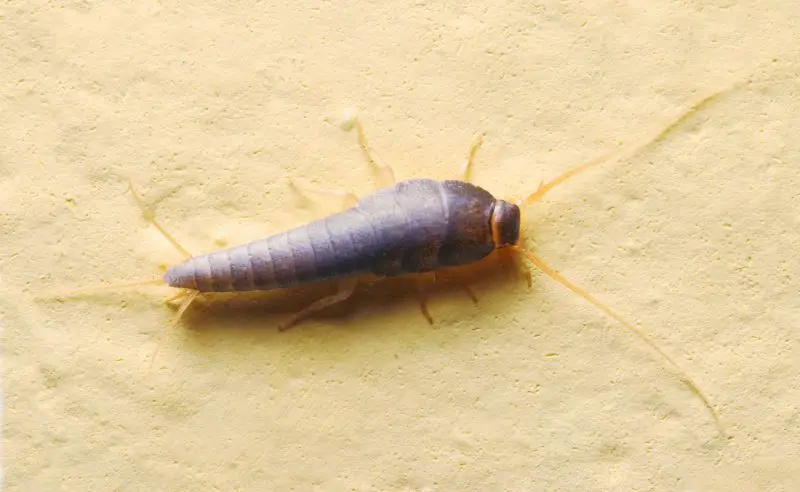
Silverfish are among the most common household insects reported in bathrooms across Tennessee. Many homeowners notice them suddenly darting across floors, hiding near baseboards, or emerging from under sinks. Their appearance often feels abrupt, creating concern about sanitation, plumbing issues, or larger infestations.
In reality, silverfish rarely arrive overnight. They typically live unnoticed in hidden spaces such as wall voids, under flooring, behind cabinets, or inside plumbing gaps for long periods before becoming visible. Environmental changes, humidity shifts, and population growth usually explain their sudden appearance.
Understanding why silverfish show up in Tennessee bathrooms involves examining climate, home construction, moisture patterns, insect biology, and everyday household habits. Once those factors become clear, prevention becomes far easier and less stressful.
Table of Contents
- 1 Tennessee Climate Encourages Silverfish Activity
- 2 Bathrooms Provide Ideal Microhabitats
- 3 Why They Seem to Appear Suddenly
- 4 Hidden Plumbing Leaks Attract Them
- 5 Ventilation Problems Increase Humidity
- 6 Construction Materials Provide Food Sources
- 7 Seasonal Patterns in Tennessee Homes
- 8 Nighttime Behavior Explains Surprise Sightings
- 9 Household Habits Influence Infestations
- 10 Entry Points Into Homes
- 11 New Homes Are Not Immune
- 12 Mold and Mildew Connections
- 13 Apartment and Condo Considerations
- 14 Cleaning Products and Moisture
- 15 Lighting Conditions and Activity
- 16 Psychological Impact of Pest Sightings
- 17 Health Concerns and Reality
- 18 Long-Term Prevention Strategies
- 19 Natural Predators Indoors
- 20 When Professional Help Is Needed
- 21 Outdoor Factors Affect Indoor Presence
- 22 Storage Practices Matter
- 23 Temperature Stability Encourages Them
- 24 Renovation Disturbances
- 25 Silverfish Life Cycle Overview
- 26 FAQs About Silverfish Suddenly Appearing in Tennessee Bathrooms
- 27 Final Thoughts
Tennessee Climate Encourages Silverfish Activity
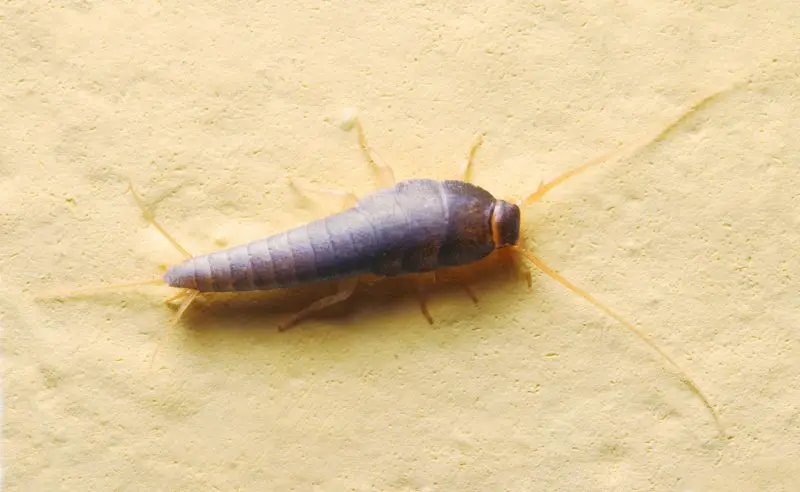
Tennessee’s humid subtropical climate creates conditions that naturally favor moisture-dependent insects like silverfish. Summers are typically warm and humid, with frequent rain and high atmospheric moisture. Even during cooler months, winters tend to be milder than in northern states, which means indoor environments rarely become dry enough to eliminate silverfish populations completely. As a result, these insects can remain active for most of the year rather than disappearing seasonally.
Humidity is the single most important factor influencing silverfish survival. These insects lose moisture easily through their bodies, so they actively seek damp environments where humidity remains relatively stable. Bathrooms provide exactly that environment through showers, sinks, condensation, and limited airflow. Even minor daily water use can maintain humidity levels suitable for long-term silverfish habitation.
Seasonal storms, fluctuating temperatures, and heavy rainfall common in Tennessee can further increase indoor humidity. Moist air entering homes, combined with indoor heating or cooling systems, often produces condensation inside walls and plumbing areas. This combination of warmth and moisture makes many Tennessee homes particularly attractive habitats for silverfish.
Bathrooms Provide Ideal Microhabitats
Bathrooms unintentionally supply everything silverfish need: moisture, shelter, warmth, and accessible food sources. Even well-maintained bathrooms can provide suitable conditions simply because of their functional design. Water use, enclosed spaces, and temperature stability create consistent microhabitats where these insects thrive.
Silverfish typically hide in protected areas such as under sinks, behind toilets, inside cabinets, along baseboards, or within small wall gaps and tile seams. These locations trap humidity and offer protection from light and disturbance. Poor ventilation increases moisture retention, making these hiding spots even more appealing.
Food sources often exist in subtle forms. Silverfish feed on starches, cellulose, mold, soap residue, shed skin cells, hair, and dust particles. Wallpaper paste, cardboard packaging, stored paper products, and cotton fabrics provide additional nutrients. Even microscopic organic residue is sufficient to support long-term survival.
Why They Seem to Appear Suddenly
Silverfish rarely arrive suddenly. Instead, increased sightings usually reflect population growth or environmental changes that drive them into visible areas. These insects reproduce relatively slowly but can live several years under favorable conditions, allowing small hidden populations to expand gradually.
Once populations grow beyond a certain level, sightings become more frequent. Humidity spikes, plumbing issues, or seasonal weather changes may also encourage movement from hidden spaces into open bathroom areas. This creates the impression of a sudden infestation even though development has been gradual.
Their nocturnal behavior adds to this perception. Silverfish avoid light and typically move at night. People often notice them when turning on bathroom lights unexpectedly, causing the insects to scatter quickly.
Hidden Plumbing Leaks Attract Them
Minor plumbing leaks are among the strongest attractants for silverfish. Even slow drips under sinks, behind walls, or near water heaters create persistent moisture that supports both insect survival and mold growth.
These damp environments often become breeding sites. Mold, bacteria, and organic buildup provide additional food sources, encouraging population growth. Because leaks may remain hidden for long periods, silverfish activity sometimes becomes the first visible sign of a plumbing problem.
Routine inspection of plumbing areas helps identify issues early. Addressing leaks promptly removes a major factor contributing to silverfish infestations.
Ventilation Problems Increase Humidity
Poor ventilation allows moisture to linger in bathrooms long after water use. Exhaust fans may be missing, rarely used, or improperly vented into attic spaces rather than outdoors. Without adequate airflow, humidity accumulates on surfaces and inside structural spaces.
Condensation on ceilings, walls, mirrors, and floors creates stable damp conditions that silverfish find highly favorable. Persistent humidity supports both feeding and reproduction.
Improving ventilation significantly reduces risk. Running exhaust fans during and after showers, opening windows when weather allows, and ensuring proper vent installation help maintain drier conditions.
Construction Materials Provide Food Sources
Both modern and older homes contain materials silverfish can consume. Drywall paper backing, wallpaper adhesives, cardboard packaging, stored paper goods, cotton fabrics, and accumulated dust all provide nutrients.
Bathrooms often contain many of these materials, especially in storage cabinets, linen closets, or behind decorative wall coverings. Even very small amounts of residue can sustain populations over time.
Understanding these food sources explains why infestations occur even in otherwise clean bathrooms.
Seasonal Patterns in Tennessee Homes
Silverfish activity often follows predictable seasonal cycles. Spring brings rising humidity and warmer temperatures that stimulate breeding and movement. Summer typically produces peak activity because heat and moisture remain consistently high.
Fall may bring slight declines as outdoor conditions shift, but indoor heating during winter often maintains bathroom humidity. This stability allows populations to persist year-round.
Recognizing these seasonal patterns helps explain periodic increases in sightings without assuming new infestations.
Nighttime Behavior Explains Surprise Sightings
Silverfish are primarily nocturnal and strongly avoid bright light. Most feeding and movement occur during nighttime hours when bathrooms are quiet.
Turning on lights suddenly causes them to scatter quickly, reinforcing the impression that they appeared unexpectedly. During the day they remain hidden in cracks, under fixtures, or within wall voids.
Advanced infestations may occasionally produce daytime sightings, but early populations usually remain concealed.
Household Habits Influence Infestations
Daily habits can unintentionally encourage silverfish. Leaving damp towels on floors, storing paper products under sinks, or allowing clutter to accumulate provides both moisture and shelter.
Dust, hair, and organic debris add additional food sources. Even small amounts can sustain insects over time.
Simple changes such as drying surfaces promptly, organizing storage, and reducing clutter can significantly reduce infestation risk.
Entry Points Into Homes
Silverfish often enter through small structural openings. Foundation cracks, plumbing penetrations, wall gaps, window frames, and ventilation ducts all provide access routes.
Outdoor populations thrive in Tennessee’s humid climate, so indoor migration is common when entry points exist. Sealing these gaps helps prevent new infestations and limits population growth.
New Homes Are Not Immune
Silverfish are not limited to older houses. New construction materials frequently contain adhesives, drywall compounds, and paper-based components that attract them.
Construction moisture may remain trapped initially, particularly in humid climates. Modern airtight homes can also retain indoor humidity more effectively than older drafty structures.
Proper ventilation and humidity control remain essential regardless of a home’s age.
Mold and Mildew Connections
Silverfish often appear alongside mold or mildew growth. Persistent moisture encourages fungal development, sometimes in hidden areas such as wall cavities or under flooring.
These fungi provide excellent food sources for silverfish. Addressing moisture issues typically reduces both mold and insect populations simultaneously.
Apartment and Condo Considerations
Shared plumbing systems in apartments or condominiums allow silverfish to move between units. One humid bathroom can support populations that gradually spread through structural gaps or pipes.
Building-wide maintenance often proves more effective than treating individual units alone.
Cleaning Products and Moisture
Some cleaning methods inadvertently increase humidity. Excess water left on surfaces without thorough drying creates favorable conditions.
Soap-based cleaners may leave starch residues that silverfish consume. Proper rinsing and drying reduce attraction.
Lighting Conditions and Activity
Bathrooms with limited natural light often support higher silverfish activity. Dark environments provide comfort and reduce disturbance.
Improved lighting does not eliminate infestations but may discourage movement and improve early detection.
Psychological Impact of Pest Sightings
Unexpected insect sightings in personal spaces can cause anxiety. Bathrooms carry strong expectations of cleanliness, making pest presence feel particularly unsettling.
Understanding silverfish biology helps reduce unnecessary worry. Most infestations are manageable through environmental adjustments rather than drastic measures.
Health Concerns and Reality
Silverfish rarely pose direct health risks. They do not transmit diseases and seldom bite.
Concerns mainly involve nuisance, minor property damage, and moisture conditions that may promote mold growth.
Long-Term Prevention Strategies
Effective prevention centers on humidity control. Improving ventilation, repairing leaks promptly, using dehumidifiers, and conducting routine inspections all reduce risk.
Regular cleaning and organized storage limit available food sources. Prevention usually proves easier than eliminating established populations.
Natural Predators Indoors
Some indoor spiders and predatory insects feed on silverfish. While not a primary control strategy, balanced indoor ecosystems may help regulate populations naturally.
When Professional Help Is Needed
Persistent infestations sometimes require professional pest management. Experts can identify hidden moisture sources, structural vulnerabilities, and breeding areas more effectively.
Treatment typically combines environmental correction with targeted pest control.
Outdoor Factors Affect Indoor Presence
Landscaping influences indoor insect activity. Mulch, leaf litter, and dense vegetation near foundations retain moisture that supports outdoor populations.
Maintaining dry perimeters around homes reduces migration indoors.
Storage Practices Matter
Paper goods stored in bathrooms attract silverfish. Toilet paper, tissues, cardboard packaging, and linens provide both food and shelter.
Using sealed containers protects stored items and reduces hiding opportunities.
Temperature Stability Encourages Them
Bathrooms often maintain stable warmth due to plumbing heat and indoor climate control. Combined with humidity, this stability creates ideal microhabitats for silverfish.
Improved airflow helps disrupt these conditions.
Renovation Disturbances
Home repairs may temporarily increase sightings by exposing hidden populations. Plumbing work, cabinet removal, or flooring replacement can drive insects into open areas.
Activity usually declines once environmental conditions stabilize.
Silverfish Life Cycle Overview
Silverfish develop gradually through repeated molts rather than dramatic metamorphosis. Juveniles resemble small adults and continue molting throughout life.
Their relatively long lifespan explains persistent infestations even when reproduction rates are modest. Environmental control over time typically reduces populations naturally.
FAQs About Silverfish Suddenly Appearing in Tennessee Bathrooms
Why do silverfish suddenly appear in bathrooms?
Usually they have been present for months. Increased humidity, leaks, or population growth makes them more visible.
Are silverfish common in Tennessee?
Yes, the humid climate provides ideal conditions for their survival.
Do they indicate poor cleanliness?
Not necessarily. Moisture attracts them more than dirt.
Can they damage property?
Over time they may affect paper goods, fabrics, or wallpaper adhesives.
Are they dangerous to health?
Generally no. They rarely pose direct health risks.
How can I reduce humidity quickly?
Use exhaust fans, open windows, repair leaks, and consider dehumidifiers.
Do they disappear in winter?
Indoor populations often persist due to stable indoor humidity.
Should I call pest control?
Persistent or large infestations may benefit from professional evaluation.
Final Thoughts
Silverfish suddenly appearing in Tennessee bathrooms rarely signal a new invasion. More often, they reflect existing hidden populations responding to humidity, seasonal changes, or unnoticed moisture sources.
Bathrooms naturally provide ideal conditions: warmth, water access, shelter, and food. Understanding these factors allows effective prevention through humidity control, ventilation improvements, and routine maintenance.
With consistent environmental management, silverfish usually decline quickly. Knowledge reduces worry, and simple adjustments often restore a pest-free bathroom environment.