
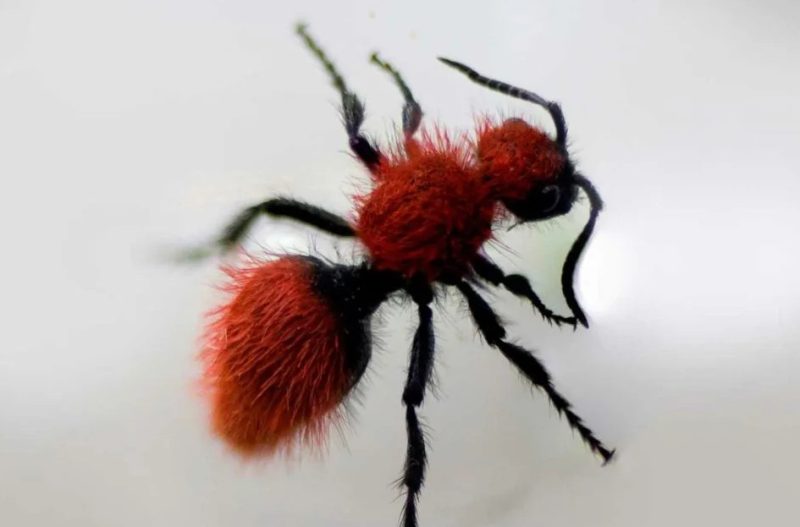
Across Nebraska, especially during warmer months, people occasionally spot a striking insect crawling across sidewalks, garden beds, or sandy patches of soil. It looks like a large ant covered in bright red, orange, or sometimes black fuzz. Someone usually recognizes it quickly and says, “That’s a velvet ant — don’t touch it.” Almost instantly, curiosity turns into caution.
Velvet ants have built a reputation across much of the United States for delivering one of the most painful insect stings. Stories circulate about extreme pain, exaggerated danger, and dramatic encounters. In Nebraska, where prairie grasslands, agricultural fields, sandy soils, and suburban landscapes create suitable habitat, these insects sometimes appear unexpectedly. Their unusual look combined with their reputation often sparks immediate anxiety.
Understanding why velvet ant stings hurt so much — and why people often panic when they see them — requires examining insect biology, venom chemistry, environmental factors, human psychology, and wildlife coexistence. The reality is fascinating, sometimes surprising, and far less alarming than popular stories suggest.
Table of Contents
- 1 What Velvet Ants Actually Are
- 2 Velvet Ant Habitat in Nebraska
- 3 Why Their Sting Is So Painful
- 4 What the Sting Actually Feels Like
- 5 Why People Panic When They See Velvet Ants
- 6 Are Velvet Ants Aggressive?
- 7 Comparing Velvet Ants With Other Nebraska Stinging Insects
- 8 Medical Risks and Allergic Reactions
- 9 Why Encounters May Be Increasing in Nebraska
- 10 Ecological Benefits of Velvet Ants
- 11 Preventing Velvet Ant Stings
- 12 What To Do After a Sting
- 13 Pets and Velvet Ant Encounters
- 14 Teaching Children About Velvet Ant Safety
- 15 Why Panic Makes Pain Feel Worse
- 16 Common Myths About Velvet Ants
- 17 Wildlife Adaptation in Modern Nebraska
- 18 FAQs About Velvet Ant Stings in Nebraska
- 19 Final Thoughts
What Velvet Ants Actually Are
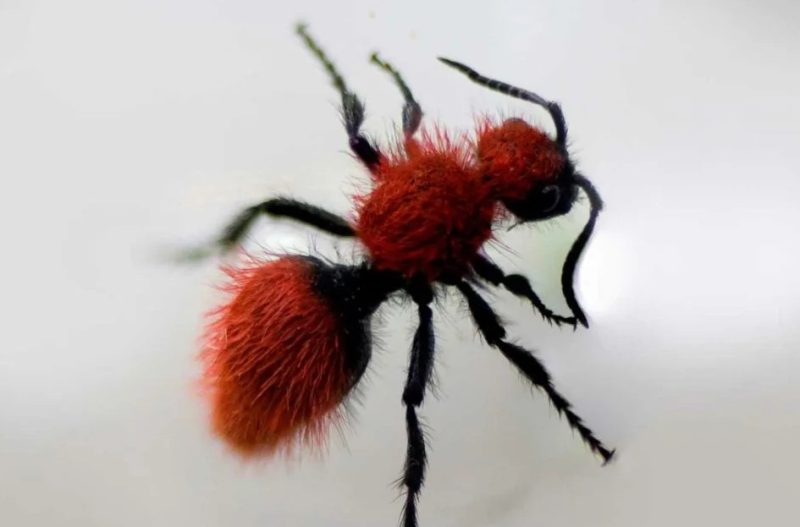
Velvet ants are among the most visually striking insects people encounter across Nebraska, yet their name causes immediate confusion. Despite being called ants, they are actually a type of solitary wasp. The females lack wings, which gives them an ant-like appearance as they walk across soil, sidewalks, or garden beds. Males, on the other hand, do have wings but are rarely noticed because they spend most of their time flying rather than crawling in open view.
Their fuzzy, velvet-like exterior serves several biological functions. The dense hair layer helps protect them from predators by making them difficult to grasp. It also offers some insulation from temperature extremes common in Nebraska’s seasonal climate. Perhaps most importantly, the bright red, orange, or contrasting black coloration acts as warning coloration. This signals potential predators that the insect is capable of delivering a strong defensive sting.
Velvet ants live solitary lives. Unlike social ants, bees, or hornets, they do not form colonies or cooperative nests. Female velvet ants roam independently searching for underground nests of other insects, particularly ground-nesting bees or wasps. Once located, they lay eggs inside those nests. Their larvae then develop by consuming the host insect’s immature stages. This parasitic life cycle helps regulate insect populations naturally within ecosystems.
Because velvet ants live alone rather than in groups, human encounters typically involve only one insect at a time. This significantly reduces risk compared with social stinging insects that defend colonies aggressively.
Velvet Ant Habitat in Nebraska
Nebraska’s varied landscape provides ideal conditions for multiple velvet ant species. These insects prefer dry, open habitats where ground-nesting insects are abundant. Prairie grasslands, sandy soils, riverbanks, and agricultural field edges are especially attractive environments.
Suburban development has also created new habitat opportunities. Flower gardens, landscaped yards, mulch beds, and irrigated lawns attract bees and wasps, which in turn attract velvet ants searching for host nests. Construction sites and recently disturbed soil often support temporary insect colonies that velvet ants exploit.
They are commonly seen in:
Prairie grasslands and open rangeland
Sandy soils along rivers and lakes
Agricultural field margins and pasture edges
Residential gardens and lawns
Construction areas with exposed soil
Lightly wooded open edges
Their presence usually reflects healthy insect biodiversity rather than infestation. Velvet ants do not invade homes or establish colonies like ants or termites. They simply pass through suitable habitat during their life cycle.
Why Their Sting Is So Painful
Velvet ant stings consistently rank among the most painful insect stings in North America. This intense pain serves a critical evolutionary purpose.
Venom Designed for Defense
Velvet ants rely on defensive capability rather than escape speed or group defense. Their venom contains compounds that rapidly activate pain receptors in vertebrate predators. This immediate pain response discourages further attacks and teaches predators to avoid similarly colored insects in the future.
Because they live alone without colony protection, their sting functions as their primary survival tool.
Large Stinger Relative to Body Size
Female velvet ants possess robust stingers relative to their body size. This anatomical feature allows deeper venom penetration into skin. Deeper injection increases both the intensity and duration of the pain response.
This physical design enhances defensive effectiveness.
Warning Coloration Reinforced by Pain
Bright coloration in nature often signals danger. Evolution favors honesty in warning signals. If a predator experiences intense pain after ignoring the warning colors, it learns quickly to avoid similar insects.
Velvet ants exemplify this evolutionary strategy effectively.
Tough Exoskeleton Protection
Velvet ants possess an unusually thick exoskeleton. This armor protects them from crushing and allows time to deliver a sting if stepped on or handled accidentally. Many stings occur when humans unknowingly make contact rather than when the insect initiates interaction.
This protective armor contributes indirectly to their defensive success.
What the Sting Actually Feels Like
People consistently describe velvet ant stings in similar terms. The initial sensation is often a sudden, sharp pain followed by an intense burning feeling. Localized redness and swelling usually develop quickly. Tenderness may persist for several hours.
Pain intensity varies based on individual sensitivity, sting location, and venom dose. Some people experience mild discomfort after the initial sting, while others report lingering soreness for a day or more.
Despite their dramatic reputation, most velvet ant stings remain localized. Serious medical complications are uncommon unless an allergic reaction occurs. The experience is memorable but rarely dangerous.
Why People Panic When They See Velvet Ants
Human psychology strongly influences reactions to velvet ants.
Bright Colors Trigger Caution
Humans evolved to associate vivid colors with toxicity or danger. This instinct helps avoid harmful organisms but can exaggerate perceived threat. Velvet ants’ bold coloration immediately activates this caution response.
Dramatic Nicknames Shape Perception
The nickname “cow killer” refers to sting pain intensity rather than actual lethality. However, the phrase creates vivid mental imagery that increases fear. Language significantly shapes risk perception.
Viral Stories Amplify Fear
Social media spreads dramatic insect encounter stories rapidly. Emotional reactions attract attention, so extreme experiences become more visible than ordinary ones. Repeated exposure increases anxiety even when actual risk remains low.
Surprise Intensifies Reaction
Velvet ants often appear unexpectedly during gardening, walking barefoot, or outdoor work. Sudden encounters trigger adrenaline responses that heighten both fear and perceived pain.
Psychology plays a major role in the panic response.
Are Velvet Ants Aggressive?
Generally, velvet ants are not aggressive toward humans. They do not chase, swarm, or defend colonies.
Most stings occur during accidental contact such as stepping on one, touching it unknowingly, disturbing it while gardening, or when pets investigate moving insects.
Given the opportunity, velvet ants typically attempt escape rather than confrontation. Defensive stinging occurs only when escape options are limited.
Understanding this reduces unnecessary fear.
Comparing Velvet Ants With Other Nebraska Stinging Insects
Nebraska hosts numerous stinging insects including bees, hornets, yellowjackets, paper wasps, and fire ants. Velvet ants differ significantly from these species.
They are solitary rather than social. They rarely initiate contact with humans. They do not defend nests. Their stings are defensive rather than territorial.
Because they lack colonies, encountering multiple velvet ants simultaneously is uncommon. This reduces the likelihood of repeated stings compared with social wasps.
Recognizing these differences helps contextualize risk.
Medical Risks and Allergic Reactions
Most velvet ant stings cause localized pain only. However, allergic reactions can occur with any insect venom.
Symptoms requiring medical attention include difficulty breathing, rapidly spreading swelling, chest tightness, dizziness, fainting, or widespread hives.
These reactions remain rare but warrant prompt care.
Preparedness and awareness help reduce anxiety surrounding potential encounters.
Why Encounters May Be Increasing in Nebraska
Several environmental and social factors influence increased sightings.
Habitat disturbance from agriculture, landscaping, and construction creates suitable nesting conditions for host insects. Warmer seasonal temperatures extend insect activity periods. Increased outdoor recreation leads to more observations.
Higher visibility does not necessarily indicate population growth. It often reflects changing human behavior.
Ecological Benefits of Velvet Ants
Despite painful stings, velvet ants contribute positively to ecosystems. Their parasitic larvae help regulate populations of ground-nesting bees and wasps. They also serve as prey for specialized predators capable of overcoming their defenses.
Biodiversity benefits from such complex relationships. Species with strong defenses often play stabilizing ecological roles.
Healthy ecosystems include a variety of defensive strategies.
Preventing Velvet Ant Stings
Preventive awareness remains the most effective protection.
Wear shoes outdoors, especially on sandy soil. Use gloves while gardening. Avoid handling unfamiliar insects. Teach children safe observation habits. Supervise pets during outdoor activity.
These simple precautions prevent most encounters from becoming stings.
What To Do After a Sting
If stung, remain calm. Clean the area with soap and water. Apply a cold compress to reduce swelling. Over-the-counter pain relief may help if needed.
Monitor for allergic symptoms. Most stings resolve naturally without complications.
Proper response minimizes discomfort.
Pets and Velvet Ant Encounters
Dogs and cats occasionally investigate moving insects out of curiosity. A sting typically causes temporary pain, licking, or mild swelling.
If symptoms worsen or persist, veterinary consultation is advisable.
Supervision remains the best preventive strategy.
Teaching Children About Velvet Ant Safety
Education reduces fear while promoting safety. Teach children how to recognize unusual insects, explain why animals defend themselves, and encourage observation from a respectful distance.
Curiosity combined with caution fosters safe outdoor exploration.
Knowledge replaces panic.
Why Panic Makes Pain Feel Worse
Pain perception involves both physical nerve signals and psychological interpretation. Fear increases focus on sensation. Adrenaline heightens nerve response. Expectation amplifies perceived intensity.
Calm understanding often reduces the emotional component of pain.
Education can significantly influence experience.
Common Myths About Velvet Ants
Velvet ants do not kill livestock. They are not aggressive attackers. They rarely infest homes. They are not true ants. They sting primarily when threatened.
Correcting misconceptions reduces unnecessary alarm.
Wildlife Adaptation in Modern Nebraska
As Nebraska landscapes evolve through agriculture, suburban expansion, and conservation initiatives, wildlife adapts accordingly. Velvet ants demonstrate this adaptability by exploiting disturbed soils, urban gardens, and changing insect populations.
Human-wildlife coexistence increasingly depends on understanding rather than avoidance.
Awareness promotes safety.
FAQs About Velvet Ant Stings in Nebraska
Are velvet ants common in Nebraska?
They occur in suitable habitats, especially sandy soils and prairie regions.
Is the sting dangerous?
Painful but rarely medically serious unless allergic reaction occurs.
Can they sting repeatedly?
Yes, they do not lose their stinger.
Do they attack people?
No, they sting defensively.
Why are they brightly colored?
Warning coloration signals strong defenses.
Should I remove them?
Usually unnecessary.
Can they infest homes?
They typically stay outdoors.
Are they beneficial?
Yes, they help regulate insect populations.
Final Thoughts
Velvet ant stings hurt intensely because evolution designed them that way. Strong venom, durable bodies, vivid warning colors, and solitary defensive behavior combine to create one of Nebraska’s most memorable insect encounters. Yet despite their reputation, these insects are not aggressive pests or major public health threats.
Panic often comes from unfamiliar appearance, dramatic stories, and sudden encounters rather than actual danger. Understanding their biology and behavior replaces fear with awareness. Simple precautions prevent most stings.
Nebraska’s ecosystems include many species that appear intimidating yet play valuable ecological roles. Velvet ants are one of them. Respect their space, stay informed, and coexistence becomes straightforward.